

For the whole of 2025, the global luxury lifestyle industry has been mining India with the zest one carries when on a gold rush. From international fashion shows to red carpet events, Indian craft is being “re-interpreted”, “rediscovered”, “re-imagined”, and “inspiring” luxury fashion houses who are riding on ‘made-in-india’ coattails.
In June, Louis Vuitton sent a ₹35-lakh autorickshaw-shaped handbag down the runway around its Men’s Spring/Summer 2026, a wink to Indian street life that many “jokingly” said “colonised” them. The same month, Dior’s ₹1.6-crore couture coat crafted with Mukaish embroidery sparked fury for its silence on origins in Lucknow. By August, Dolce & Gabbana took cues from Kashmir’s walnut wood carving and brought it on its Alta Moda SS25 collection showcased in Italy, prompting Indians to point out that what’s being packaged as “exotic design” is, quite simply, living heritage of an Indian state.
View this post on Instagram
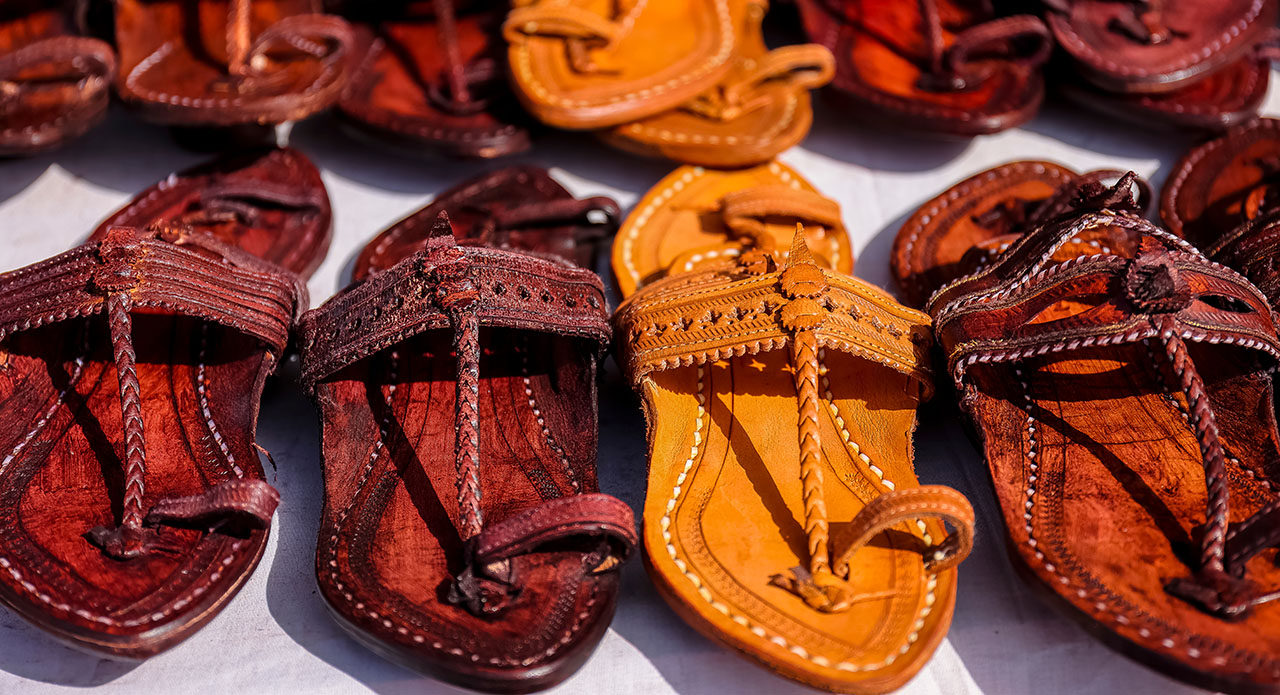
However, it was Prada’s cultural appropriation that drew the strongest ire of the Indian community. Its toe-ring sandals revealed at Milan Fashion Week received backlash for copying the Maharashtra-made Kolhapuri chappals that people flagged off as a no-credit “easy” referencing of Indian heritage. “Respecting the roots takes more intention. Let’s remember: inspiration must come with credit,” wrote influencer Masooom Minawala. Now, acknowledging Indian craftsmanship, Prada has signed a deal to produce 2,000 pairs of Kolhapuri-inspired sandals in Maharashtra and Karnataka through partnerships with Indian leather firms. While it elevates the pricing of Kolhapuri from a meagre Rs. 1000 sold in India to a whopping Rs. 84,000 which will be available in Prada stores worldwide, the question remains, will it really help Indian artisans?

As India grows less willing to accept imitation disguised as inspiration, we speak to luxury insiders on how they see the Italian luxury house’s new decision.
Tanushri Biyani, founder of luxury footwear brand Anaar
“Prada’s decision to launch ‘Made in India’ sandals marks a significant shift in how global luxury views Indian craftsmanship. India has always powered global luxury quietly, and attribution from a house like Prada can bring long-overdue visibility and respect. At the same time, this shift must translate into better wages, transparency, and sustained investment in craft communities. As someone building within India’s design ecosystem, I welcome the acknowledgment but it’s meaningful only if global brands approach ‘Made in India’ as a commitment, not a corrective headline.”
Siddhartha Bansal, fashion designer
“Simply stamping ‘Made in India’ on a luxury product does not automatically benefit Indian artisans. Craft is not just a manufacturing resource, it carries lineage, authorship, and cultural ownership. When global brands enter this space without transparent collaboration, fair value exchange, or acknowledgement of the communities involved, it risks reducing centuries of skill to a supply-chain label. As industry insiders, we must push for models that credit artisans as co-creators, invest in long-term partnerships, and share both visibility and value. The key takeaway is clear: the future of global luxury lies not in sourcing from India, but in standing responsibly with its craft ecosystems. All I have to say is admiring the craft is beautiful but acknowledging the true artists and tradition behind the craft is necessary.”
Also Read: Six Luxe Accessories To Sparkle in the Festive Season
Aprajita Toor, luxury footwear designer
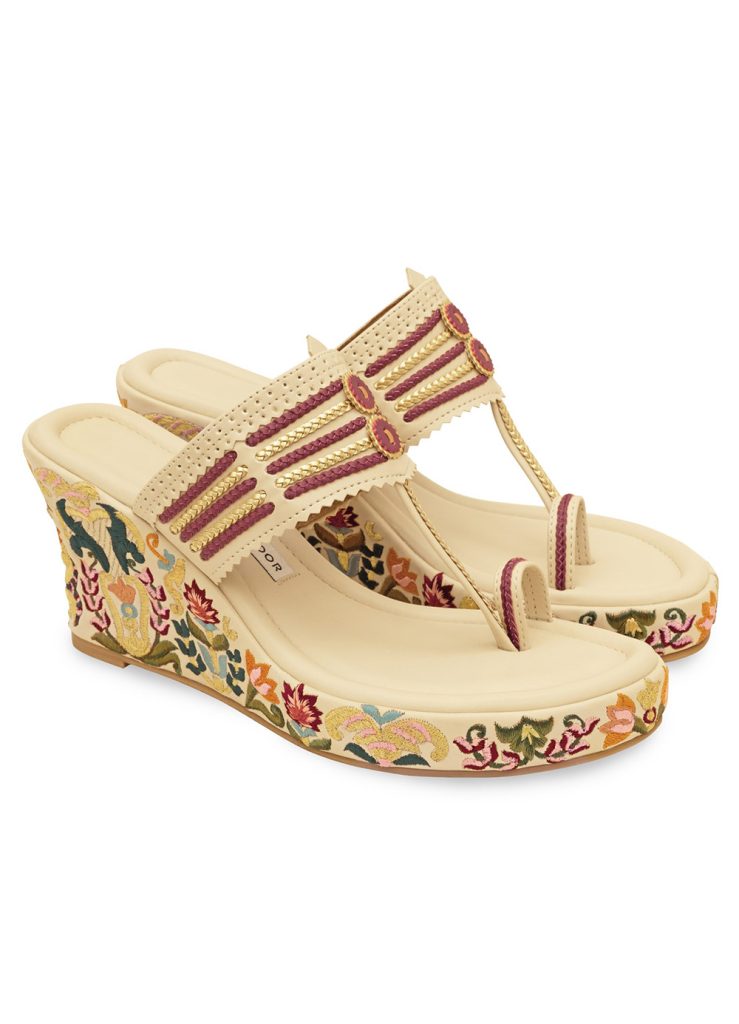
“When an iconic fashion house like Prada makes a move this loud, the echo travels far beyond the runway. If this moment shifts the spotlight onto Indian artisans, rather than just borrowing their aesthetic, then it’s a meaningful step forward. These ‘Made in India’ sandals aren’t just a price tag; they’re a signal to the fashion industry that traditional craft far outshines fast fashion and still holds relevance today. Should this translate into real opportunities and recognition for the hands that refine global craftsmanship, then it’s not just good business but a long-overdue respect. It will help in drawing forth a new generation of artisans who will continue to create designs that carry out traditions and craft into the future and not let this incredible art perish silently over the coming generations. In an industry built on stories, the chapters that uplift communities are the ones that truly matter.”
Vaishali S, fashion designer
“I think the move will definitely benefit Indian artisans. It is a recognition that Indian artisans make products of global luxury standards. It will help the mission of considering them artisans and not just workers of crafts. My mission has been that since the beginning, but for sure an international brand like Prada acknowledging it, it’s a big recognition. It proves that India is lacking in branding, not in workmanship. We all know that all global luxury brands have most of their skills-heavy products made at least partially in India. Finally this is surfacing in several areas.”
Amrish kumar, Entrepreneur and Creative Director, Ritu Kumar
“Although subject to debate, Prada’s $930 ‘Made in India’ sandals belong to an extremely niche category. From an industry standpoint, I don’t see much impact from this one style, as its high price limits it to a small audience. But if it sparks interest in India-made designs, it can benefit Indian artisans on a large scale, with other global brands joining the bandwagon. However, we’ll need to wait and see if it flows down to local economies and skills. Personally, I am a Kolhapuri person almost year-round, barring the winter. So, seeing them as a statement piece is unsurprising to me. Besides, Indian designs have long been featured on global runways; think chintz, zardozi, muslin, and Kashmiri jamavars have been in Vogue for decades. Designers often infuse styles from around the world into their creations, and it’s their skill to reinterpret what inspires them. But having said that, I would say that giving more credit and ensuring better storytelling around the Kolhapuri heritage would have served Prada’s narrative. Rather than taking offence at this as a nation, I believe it’s more purposeful and suits our heritage better to focus on the creative depth. After all, true sophistication lies in confident evolution.”