

Zohran Mamdani is a man of many firsts. After being sworn in as the mayor of New York City on January 1 as the first mayor of South Asian descent and Islamic faith and the city’s youngest mayor in over 100 years, he’s also the first mayor in US history to wear an India-made Eri accessory as part of his ensemble for the big day, which caught eyeballs.
Dressed in a plain black long overcoat, a clean, crisp white shirt, Mamdani’s look was completed with an Eri silk tie crafted by New Delhi-based 26-year-old designer Kartik Kumra of label Kartik Research. The brown tie with floral motifs became the talk of the town for spotlighting India’s lesser-seen textile of Eri silk. It is meticulously produced in India’s Northeastern states of predominantly Assam, which accounts for 38.3% of India’s Eri silk production, Manipur 29.8 %, Meghalaya 22.6%, and Nagaland 6.8 %. The material stands for rich loomwork, durability, ethical fashion and bears the pride of generations of women weavers from India’s North East region involved in its production and weaving.
View this post on Instagram
It was no wonder that the thoughtful look was put together suavely by a fashion editor, Gabriella Karefa-Johnson. Praising the unique Eri silk tie on Mamdani, Karefa-Johnson wrote in her Medium newsletter, Brain Matter, “Kartik Research is making some of the most beautiful menswear on the market precisely because it’s committed to restoring humanness in design. You see it in the loomwork, the embroidery, the weave itself. This tie reflects the old-world craftsmanship that runs throughout a collection rooted deeply in the artisanal textile heritage of Kumra’s native homeland.”
We decode all about Eri Silk that made its way from India to the closet of the New York mayor.
What is Eri Silk?
Eri Silk originates from two species of silkworms, Samia ricini and Philosamia ricini. They are found in the wild farms of North East India, along with parts of Japan and China. The name Eri comes from the Assamese word “era” meaning “castor”, as the silk worms that produce Eri Silk feed on the leaves of the indigenous and local castor oil plant. It’s a plant that requires less water for its growth and is drought-resistant. The diet of castor leaves gives a unique texture to Eri silk and makes the silk fabric part of sustainable fashion.
How Is Eri Silk Produced?
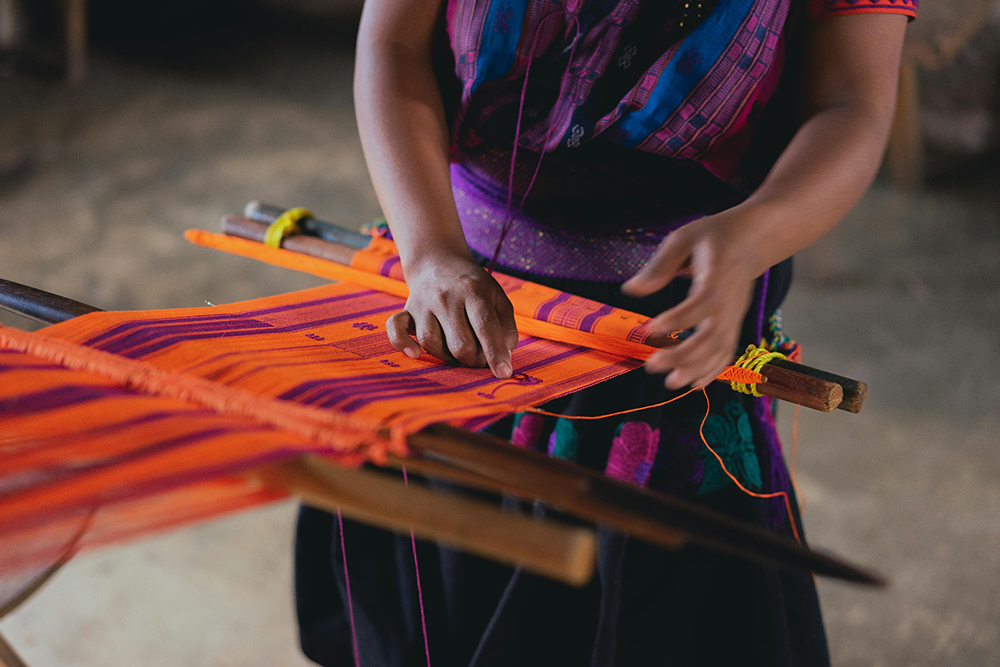
The production of Eri Silk is a time-consuming process which takes place in village-based setups in the North Eastern states of Assam, Meghalaya, Arunachal Pradesh, Nagaland and Manipur. The Eri silk production involves rearing silkworms on castor leaves.
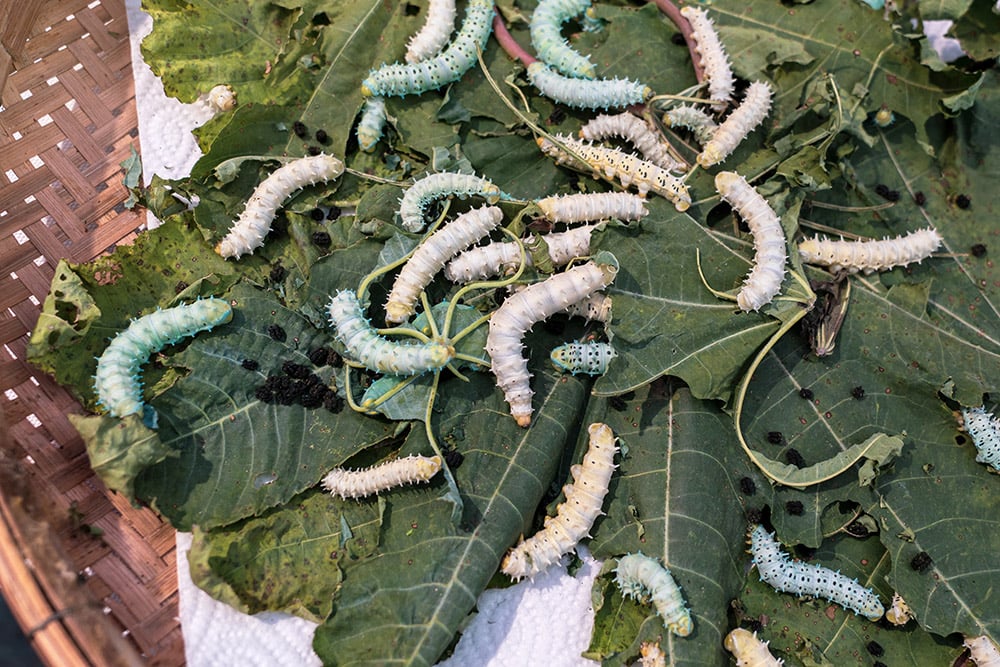
In the next stage, the worms produce cocoons and naturally emerge from the cocoons before the silk is harvested, unlike in other silks, where they are boiled, killing the pupa to fetch unbroken fibres. Due to this cruelty-free production process, Eri silk is also called ‘Ahimsa Silk’ and stands out for ethical fashion. The cocoons are then tied to a cloth bundle, boiled, stretched and spun to create yarn used in making traditional handlooms.
Also Read: A Journey Across India’s Iconic Weaves, From Kanjivaram To Banarasi
Why Zohran Mamdani wearing Eri silk tie is special?
Zohran Mamdani’s Eri silk tie has sparked a bigger conversation around slow, indigenous, and ethical fashion, in contrast to mass-produced luxury. Rather than using style to loudly assert identity, his choice of the Eri silk tie works in quiet resistance, drawing attention to what fashion often overlooks: human labour, local craftsmanship, handloom livelihoods, and cultural heritage.

In a global political arena where attire can speak as powerfully as policy, the tie becomes a meaningful marker of quiet yet strong presence that gets everyone talking.