


Very recently, at a social gathering, I caught up with a young student from Nagaland who had moved to New Delhi to pursue her dream of becoming a lawyer. It’s been five months since she began living in the capital. Lately, she told me, she’s been dealing with unusual breakouts, hair fall and persistent skin irritation. I suggested it could be Delhi’s water, her diet, or even a new skincare product. As a quick fix, I advised her to wash her face with RO-filtered water instead of tap water – sometimes, that small switch helps the skin reset.
I was quite pleased with my advice and promptly forgot about the conversation until one late night, while scrolling through Instagram. I was crying over a stranger’s wedding video and, simultaneously, mentally planning my imaginary daughter’s Florence wedding: a 200-year-old estate, peach orchards, small ponds with ducks drifting about, flowers blooming everywhere, and rustic wooden benches warmed by the sun.
Anyway, coming back.
A post suddenly appeared on my feed: “What toxic Delhi air is doing to your skin.” Instantly, I remembered that conversation with the aspiring lawyer. Curious (and slightly alarmed), I dug deeper. What I discovered was unsettling, but also useful.
Also Read: Top 5 Luxury Hotels And Resorts Near Delhi NCR, Perfect For Escaping The City’s Poor AQI

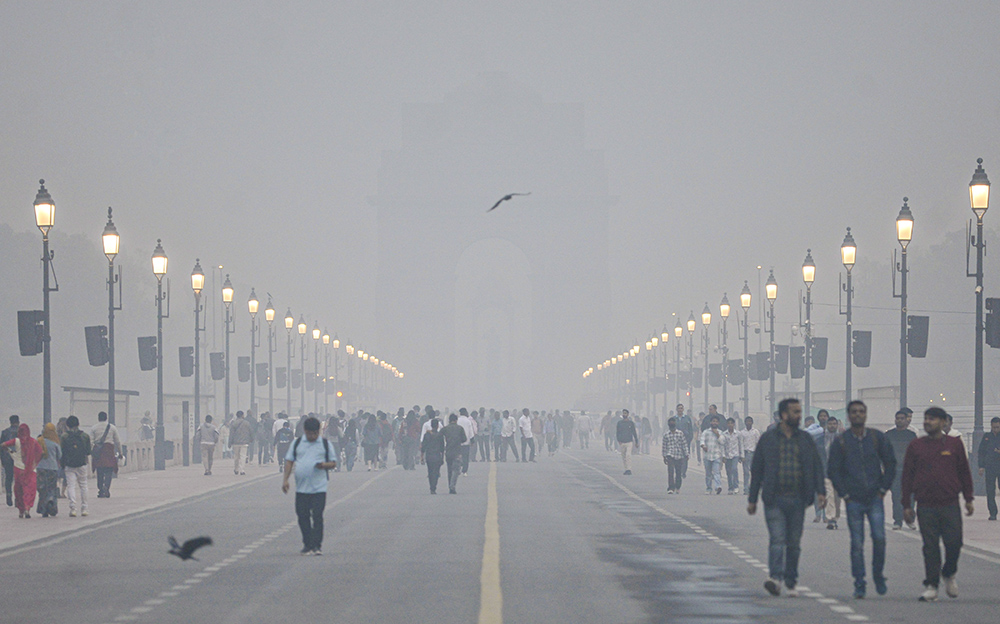
As Delhi’s AQI slips into the hazardous zone, conversations usually centre on burning eyes, breathlessness, asthma and bronchitis. We mask up, schools shut, offices move to hybrid mode. But rarely do we pause to ask a pertinent question: How is my skin coping with dipping AQI levels in Delhi?
The truth is, it isn’t. Your skin is suffocating too.
But the good news is that, with the right approach, the damage can be minimised. We spoke to two beauty experts who break down exactly how Delhi’s polluted air affects your skin and how to protect it.
How Delhi’s Polluted Air Damages Your Skin
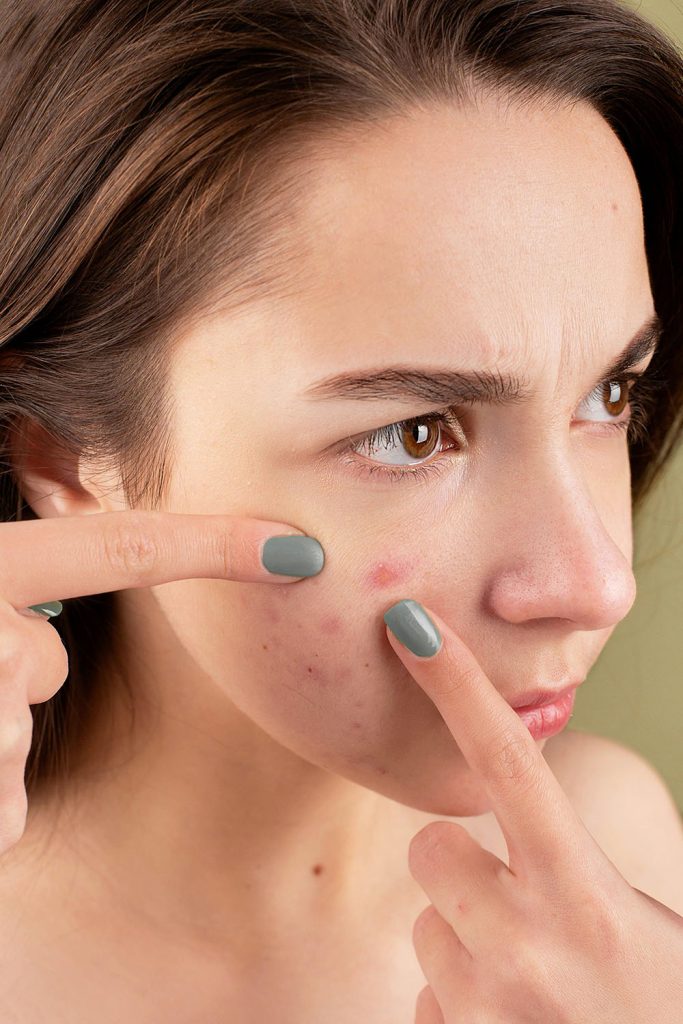
“When Delhi’s AQI reaches hazardous levels, air pollutants like PM2.5, PM10 and nitrogen oxides settle on the skin and penetrate the outer barrier. They cause oxidative damage to the skin cells and damage the skin’s collagen and elastin, the two most important proteins of the skin’s structural matrix. The skin turns dry due to this damage and becomes sensitive too and prone to pigmentation and premature aging. A compromised skin barrier also causes more water loss from the skin, making skin irritated and rough.”
— Dr. Rupika Singh, MBBS, MD, Dermatologist And Founder of Akiya Aesthetics
In simpler terms, pollution doesn’t just sit on the skin, it actively weakens it. Over time, this leads to dryness, sensitivity, pigmentation, acne flare-ups and accelerated ageing, especially in a city where high AQI days are no longer the exception but the norm.
How To Protect Your Skin From Delhi Air Pollution (Dr Singh’s Recommendations)

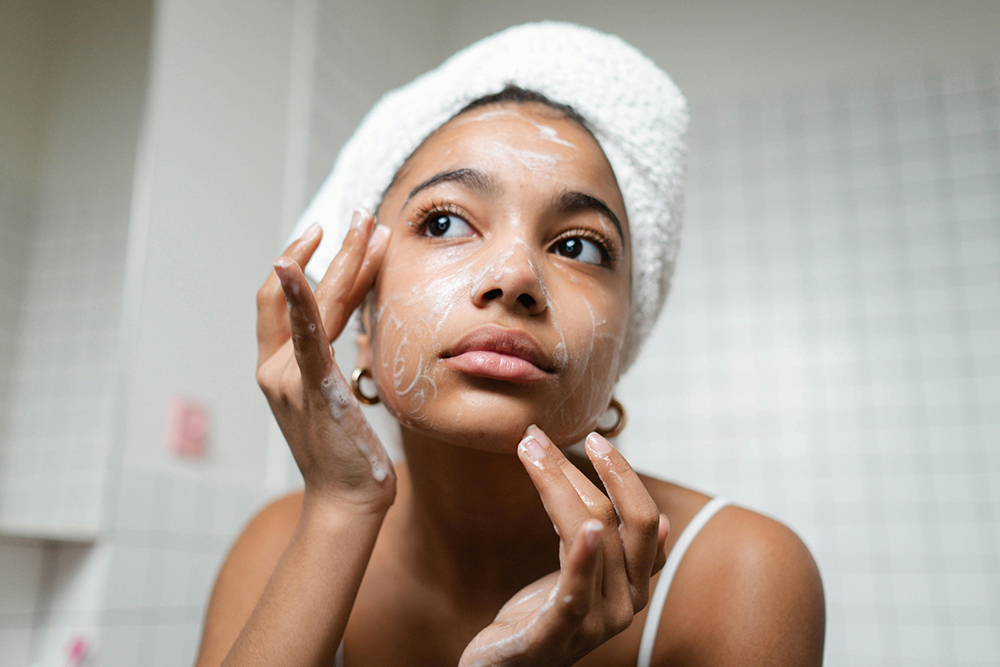
Cleanse twice daily: Use a gentle, foam-based cleanser to remove pollution particles trapped deep within pores.
Rebuild moisture: Opt for moisturisers with ceramides, glycerin or hyaluronic acid, especially if your skin feels dry or reactive.
Use antioxidants daily: Vitamin C or niacinamide helps neutralise free radicals triggered by pollution exposure.
Never skip sunscreen: Broad-spectrum sunscreen is essential, even on smoggy or overcast days.
Avoid overdoing actives: High pollution days are not the time to experiment with exfoliants or strong treatments.
Cleanse after outdoor exposure: Washing your face after being outside is crucial, along with internal hydration through adequate water intake and a balanced diet.
Also Read: Winter Survival Guide For Dry Skin: 7 Dermatologist-Approved Rituals For Silky, Soft, Radiant Skin
Why Pollution Weakens Your Skin Barrier
“Delhi’s AQI has skyrocketed to reach hazardous zones, causing serious threat to the city’s population. Environmental pollutants such as particulate matter PM2.5, toxic gases and heavy metals sit on the skin’s surface, penetrating its pores and causing oxidative damage and inflammatory response in the skin’s cells. This, in turn, weakens the skin’s defense barrier, making it prone to acne, pigmentation, dryness and even premature aging. With time, this leads to damaged collagen and elastin, causing skin dullness, uneven skin texture and appearance of fine lines. The skin also loses its natural ability to repair itself, making even normal skincare products feel irritating.”
— Dr. Geeta Grewal, Cosmetologist And Founder Of 9Muses Wellness Clinic

Once the skin barrier is compromised, even products that usually work well can begin to sting or feel uncomfortable, often the first sign that pollution damage is already underway.
How To Protect Your Skin Against Delhi Air Pollution (Dr Grewal’s Recommendations)
Gentle but thorough cleansing: Use a mild foam-based cleanser twice daily. In the evening, follow a double-cleansing method-an oil-based cleanser first, followed by a gentle face wash.
Strengthen the skin barrier: Moisturisers with glycerin, ceramides or hyaluronic acid help prevent pollutants from penetrating the skin.
Sunscreen is non-negotiable: Pollution does not block UV rays. Apply a broad-spectrum SPF 30 or higher every morning.
Hydrate from within: Adequate water intake and antioxidant-rich foods help counter free radical damage.
Daily antioxidants: Serums with niacinamide, green tea or ferulic acid help protect collagen and prevent pigmentation.
Use actives cautiously: During peak AQI days, reduce exfoliation, strong retinoids or peels if your skin feels irritated.
Focus on night-time repair: Ingredients like peptides, vitamin E and niacinamide support skin recovery while you sleep.
Limit direct exposure: Cleanse your face after outdoor activity and avoid touching your face when outside.
Also Read: 8 Japanese Skincare Products I Bought (And Loved) In Japan: Local Favourites, Dermatologist-Approved
Listen To Your Skin

In a city where even the air feels aggressive, skincare is no longer about glow alone, it’s about defence. Sometimes, it begins with listening closely to what your skin is trying to tell you, before the damage becomes visible.