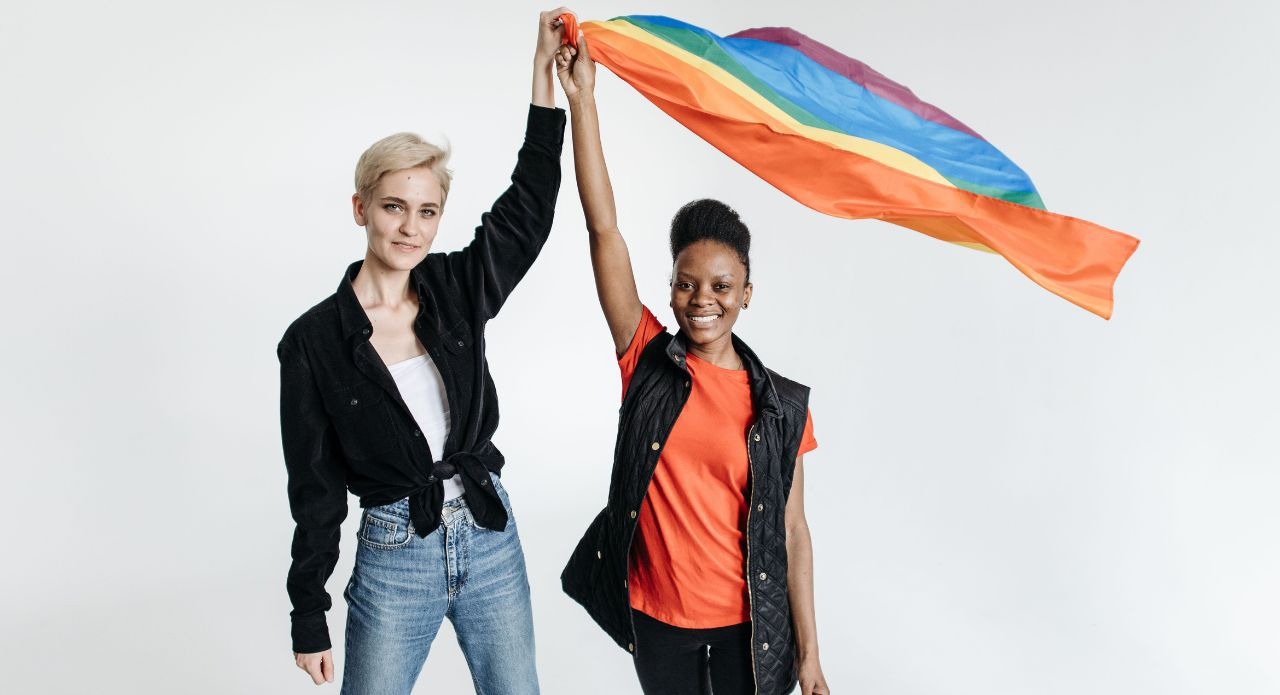


Pride Month is rooted in the 1969 Stonewall riots, which were a multi-day uprising led by the LGBTQ+ community in response to a police raid at New York City’s now-legendary Stonewall Inn. In India, the ‘Friendship Walk’ of July 2, 1999, held in Kolkata, is seen as a precursor to the Pride Parade with just 5 participants.
Today, major annual pride marches are held across the country, with Delhi Queer Pride Parade among most notable of them all which reportedly drew over 12,000 to 15,000 attendees in recent years.
Luxury fashion, over the decades has operated within clearly defined categories, i.e., menswear and womenswear. Collections were designed around traditional gender norms, and retail spaces reflected those distinctions. But as Pride Month 2026 unfolds, a growing number of luxury brands are embracing a more inclusive approach that challenges these conventions. From gender-fluid tailoring and unisex accessories to campaigns featuring diverse identities, fashion inclusivity is becoming a defining feature of the modern luxury industry.
Also Read: The New Couture Codes: How Queer Voices Are Reshaping Indian High Fashion
This shift reflects broader cultural changes. Consumers, particularly younger luxury shoppers, increasingly value authenticity, self-expression and representation. They are looking for brands that acknowledge the complexity of identity rather than placing people into rigid categories. As a result, Pride Month fashion has evolved beyond rainbow-themed capsule collections into a larger conversation about diversity in fashion and the future of luxury retail.
Luxury houses are responding by creating collections that prioritise personal style over traditional gender labels. With the gradual acceptance of the queer existence, over the past few years, gender-fluid fashion and brands owned by the queer community have been on the rise. Here are a few labels that support the thought of inclusivity and home-grown labels that deserve your attention.
Beyond Traditional Categories
Bombaim
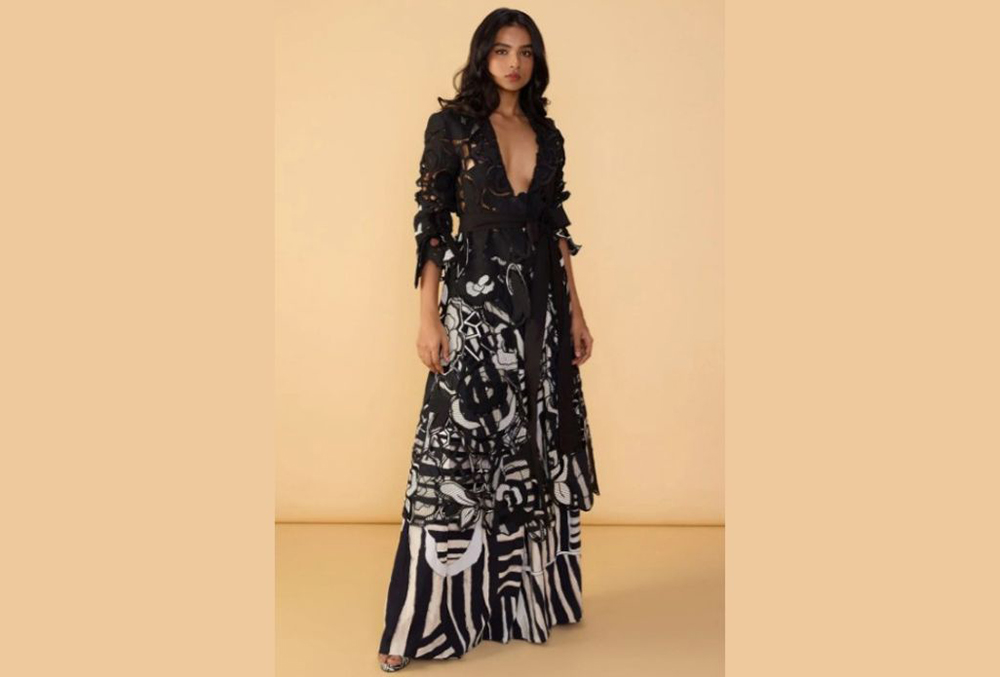
Bomaim is a multi-designer platform featuring creations from labels such as Aseem Kapoor, Chandrima, Jayanti Reddy, Saaksha & Kinni, and The Art-chives, alongside a wide range of co-ord sets, dresses, jumpsuits and more. The curated selection showcases diverse design aesthetics while championing individuality and self-expression. Products are available up to (approx.) INR 3,09,000.
Param Sahib
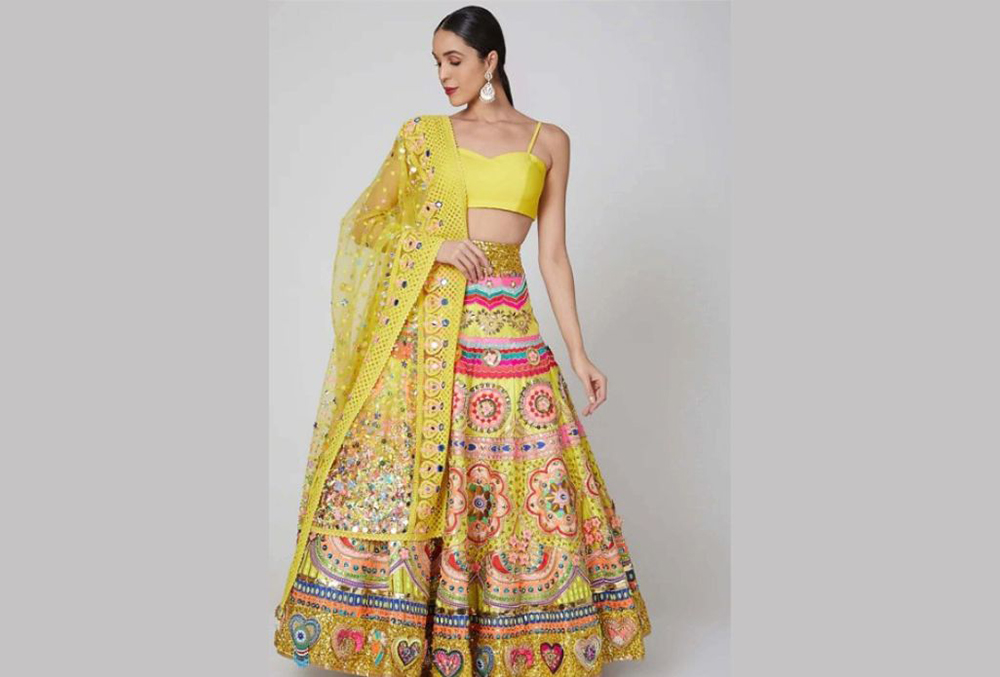
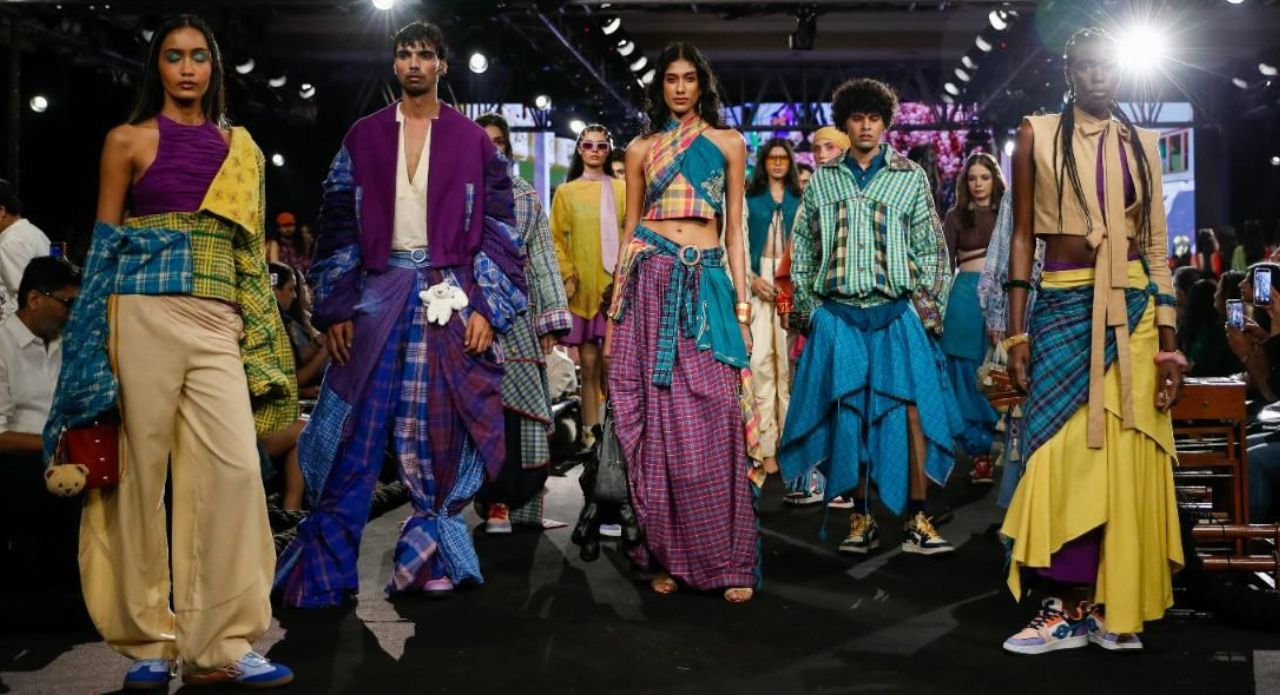
If you’re a sucker for authentic quirkiness, then this maximalism inclined Delhi-based fashion designer Param Sahib’s eponymous fashion label is what you need. Sequin-studded sunglasses paired with tiered organza skirts, 90s-inspired Coca-Cola shirts and technicolour-printed kurta sets make up the diverse collections at this brand. A celebrity favourite—worn by actress Taapsee Pannu and content creators like Dolly Singh—Param Sahib’s clothing is for those who enjoy basking in grandeur and glamour. The label features products ranging up to (approx.) INR 2,50,000.
Gucci MX (All-Gender Fashion)
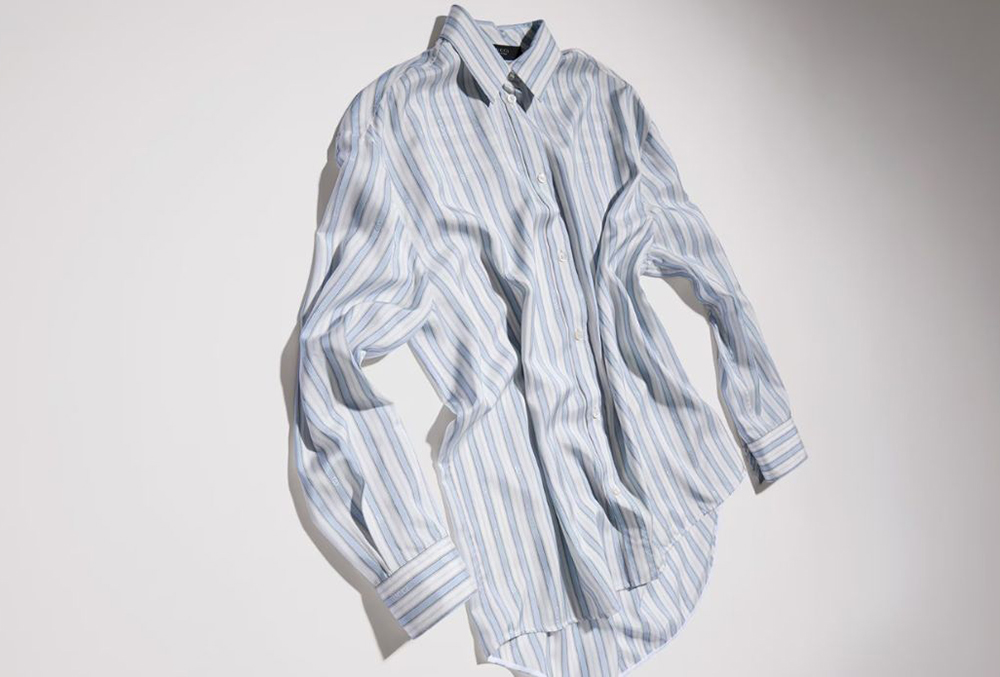
Priced at (approx.) 1,87,716, Gucci’s Interlocking G silk jacquard shirt showcases the house’s signature monogram woven into luxurious silk. Combining fluid tailoring with a relaxed silhouette, the piece reflects luxury fashion’s growing embrace of versatile, gender-fluid design while retaining the craftsmanship and exclusivity synonymous with Gucci.
Dioriviera Pants
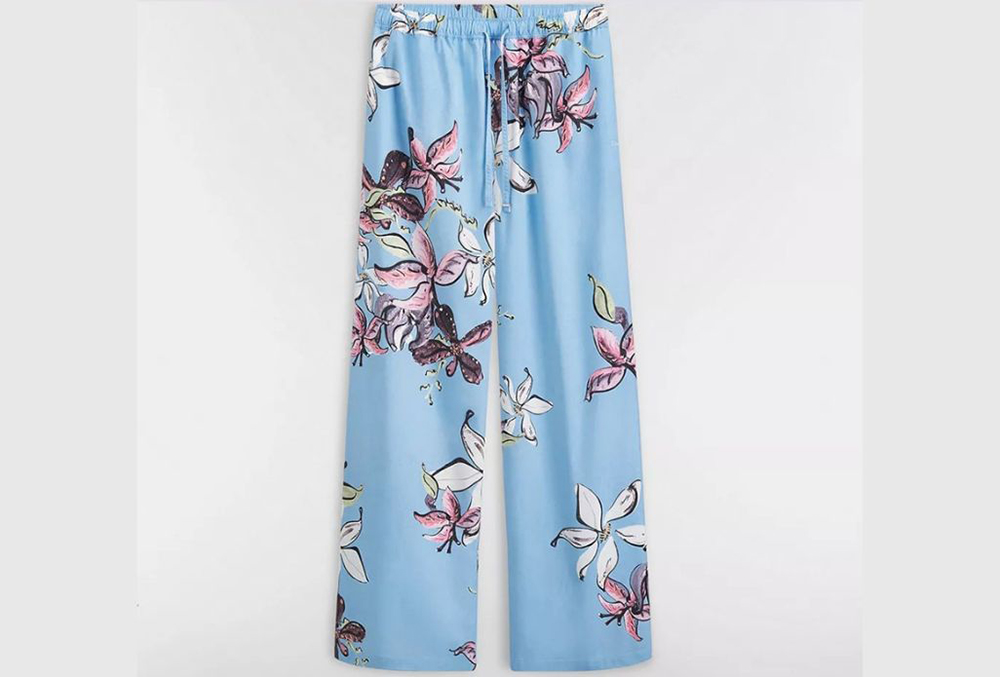
Retailing at (approx.) INR 1,50,000, the Dior pants reflect luxury fashion’s growing move towards versatile, less gender-defined dressing. The pants showcase a motif from the work of artist Christian Bérard*. Crafted in blue cotton poplin, they feature a drawstring elastic waistband and side pockets, while a Dior patch adorns the rear. The pants will pair perfectly with the matching shirt. It offers a contemporary interpretation of elegance that transcends traditional menswear and womenswear categories.
Changing Consumer Expectations
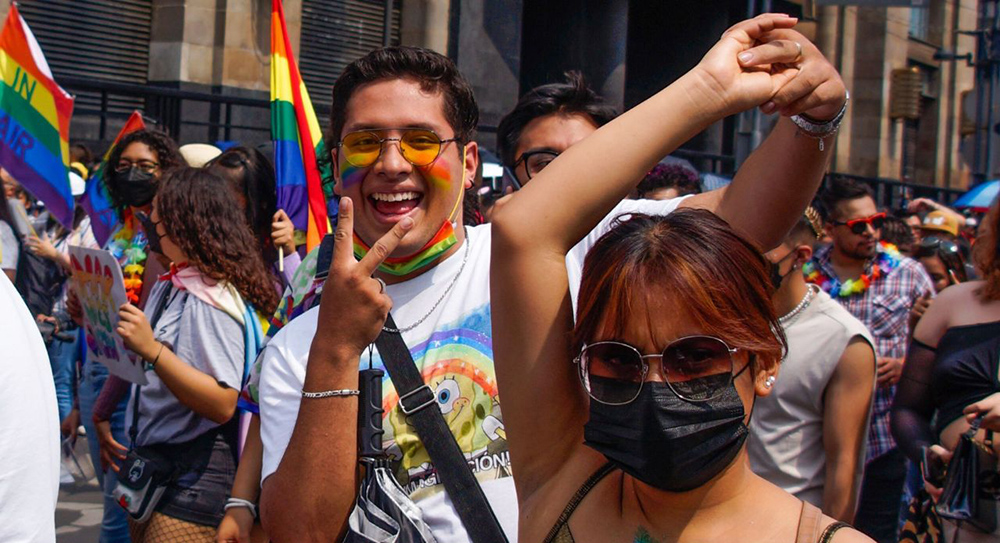
The rise of genderless luxury clothing brands is being driven by changing consumer expectations. Luxury shoppers are increasingly interested in pieces that can move across categories, offering versatility and individuality rather than adhering to predefined rules. Designers are experimenting with fluid silhouettes, relaxed tailoring and adaptable garments that appeal to a wider audience.
Retailers are also rethinking how fashion is presented. Instead of separating products into men’s and women’s sections, some brands are organising collections around style, function or aesthetic themes. This approach creates a more inclusive shopping experience while reflecting the realities of contemporary consumer behaviour.
Also Read: The Queer Shift: How Hospitality Spaces Are Becoming Cultural Stages
Another factor is the growing influence of digital culture. Social media has enabled consumers to explore diverse forms of self-expression and connect with global communities that challenge traditional ideas of gender and fashion. Luxury brands recognise that inclusivity is no longer a niche concept but an important business strategy. In a competitive market, brands that embrace diversity in fashion are often better positioned to build stronger emotional connections with consumers.
As Pride Month 2026 highlights issues of representation and equality, luxury fashion’s evolution signals a broader transformation within the industry with inclusivity lying at its core and influencing everything from design and marketing to retail experiences.