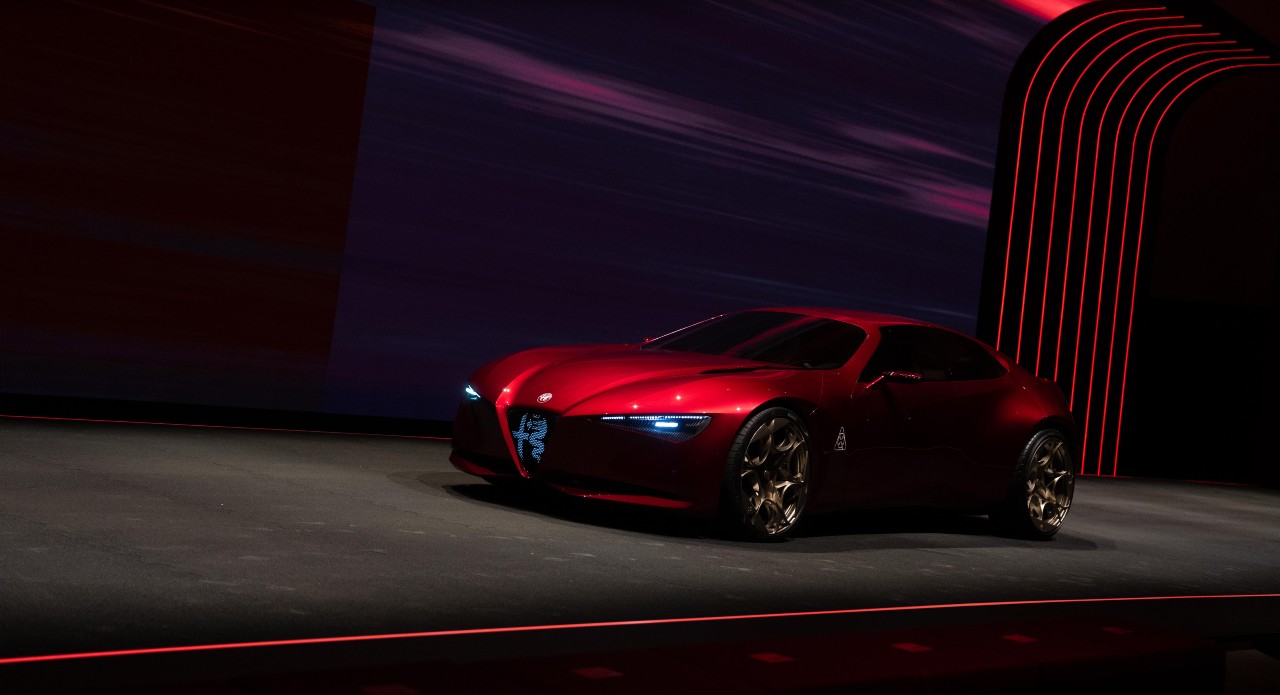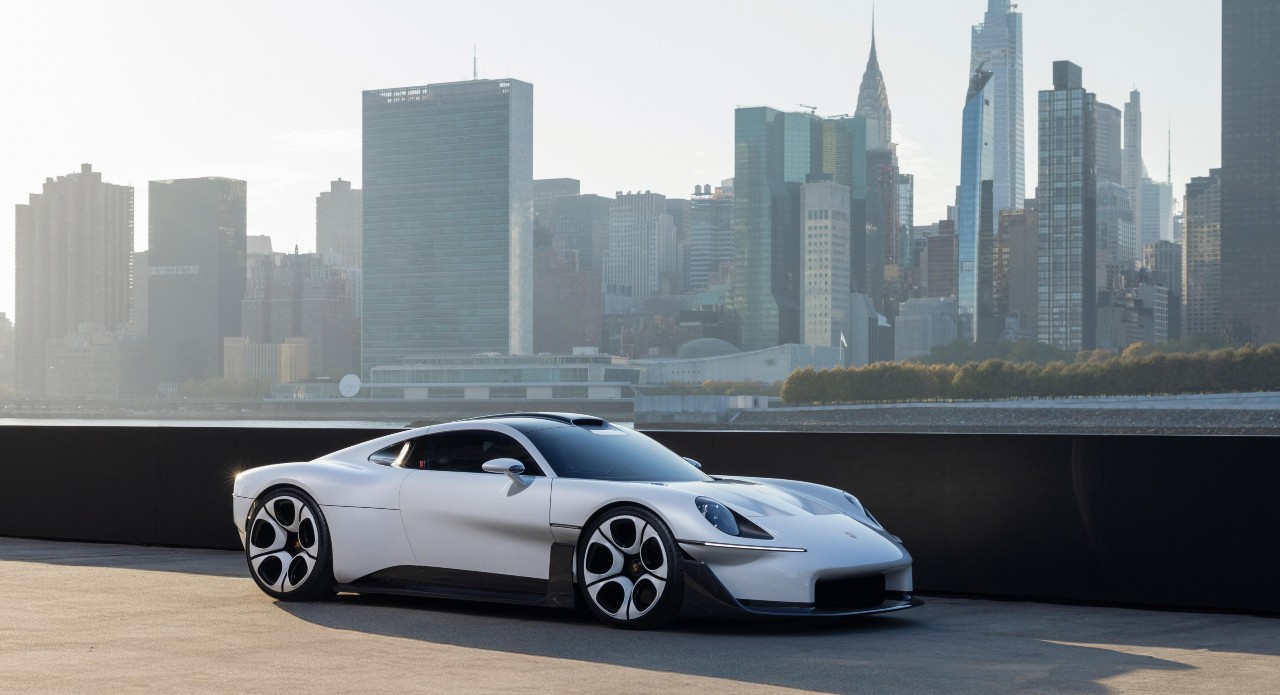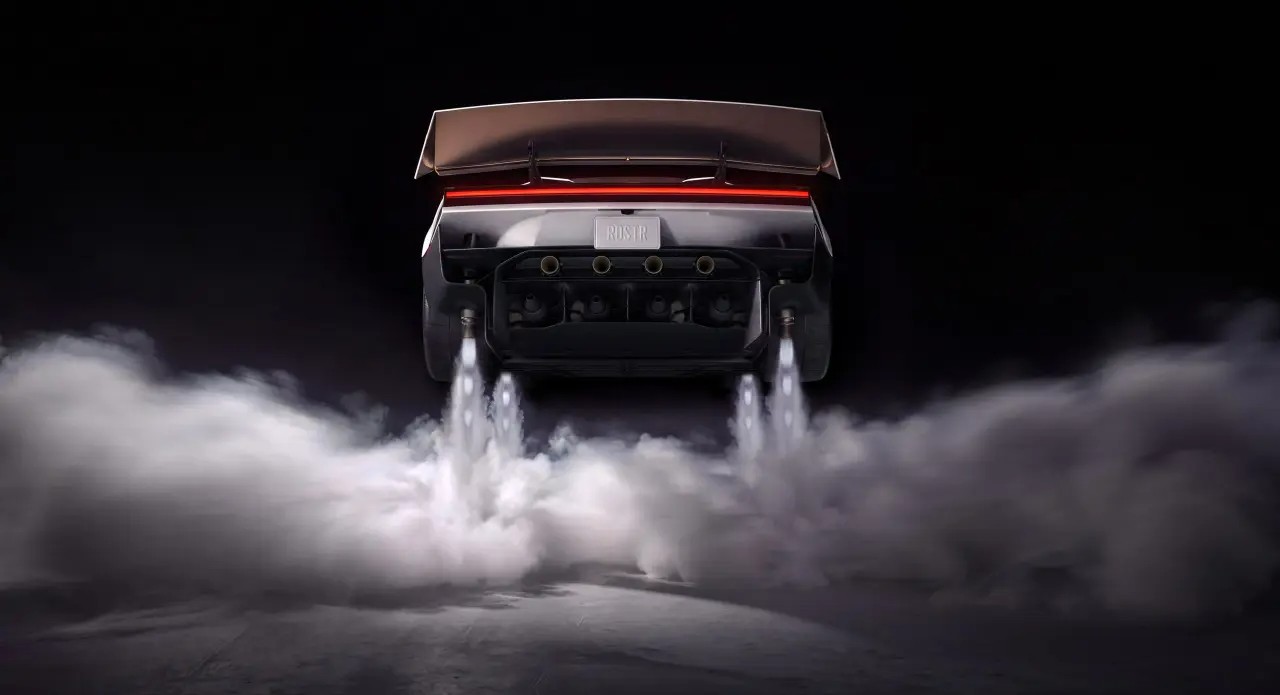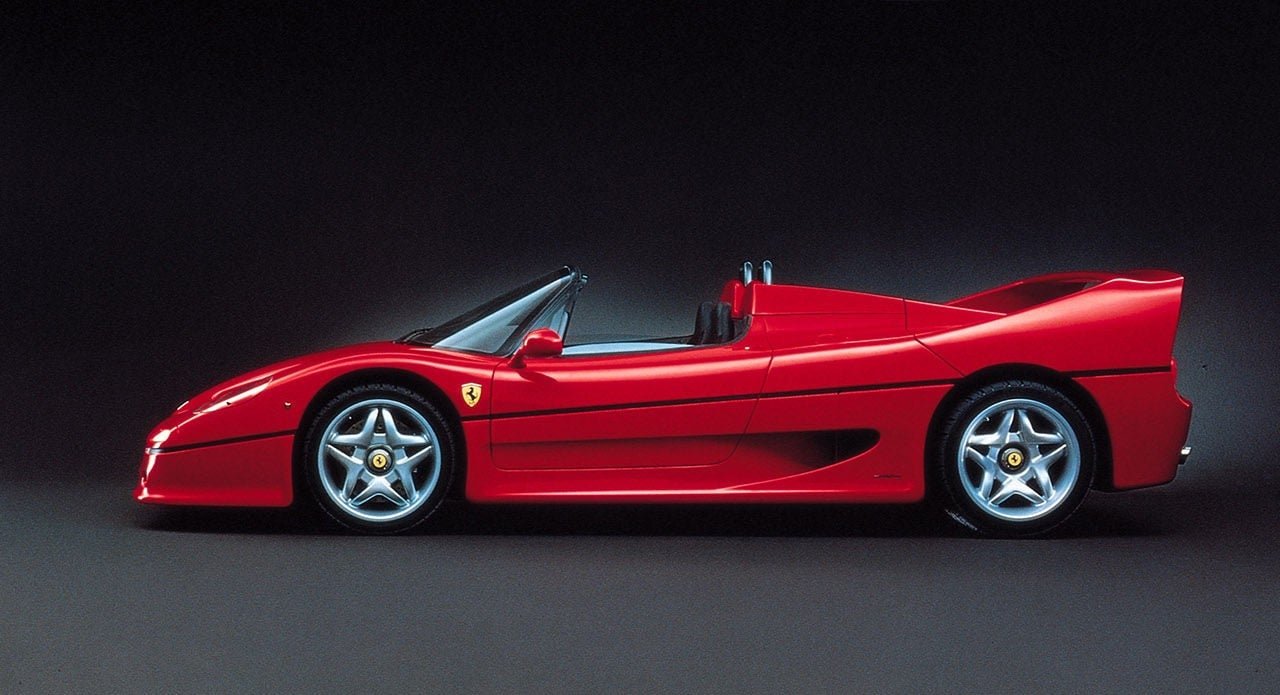


There was a time when manufacturers thought sticking a giant plank across the back of a sports car instantly made it look faster. And to be fair, it usually did. The problem was that half of them were about as useful as wearing ski boots to a swimming competition. Somewhere along the line, however, aerodynamics stopped being about theatre and started becoming proper science. Engineers realised that the air flowing over a car was every bit as important as the engine sitting beneath its bonnet. Today, whether you’re looking at a Ferrari, McLaren, Porsche or Formula One car, every vent, diffuser, spoiler and wing is there for a reason. They are not decorations. They are invisible tools designed to manipulate thousands of litres of air every second. Yet one misunderstanding refuses to disappear. People continue to use the words spoiler and wing interchangeably, despite the fact that they perform entirely different jobs. One manages airflow. The other actively creates downforce. They may sit in roughly the same place, but their purpose couldn’t be more different.
A Spoiler Doesn’t Create Downforce. It Spoils The Air
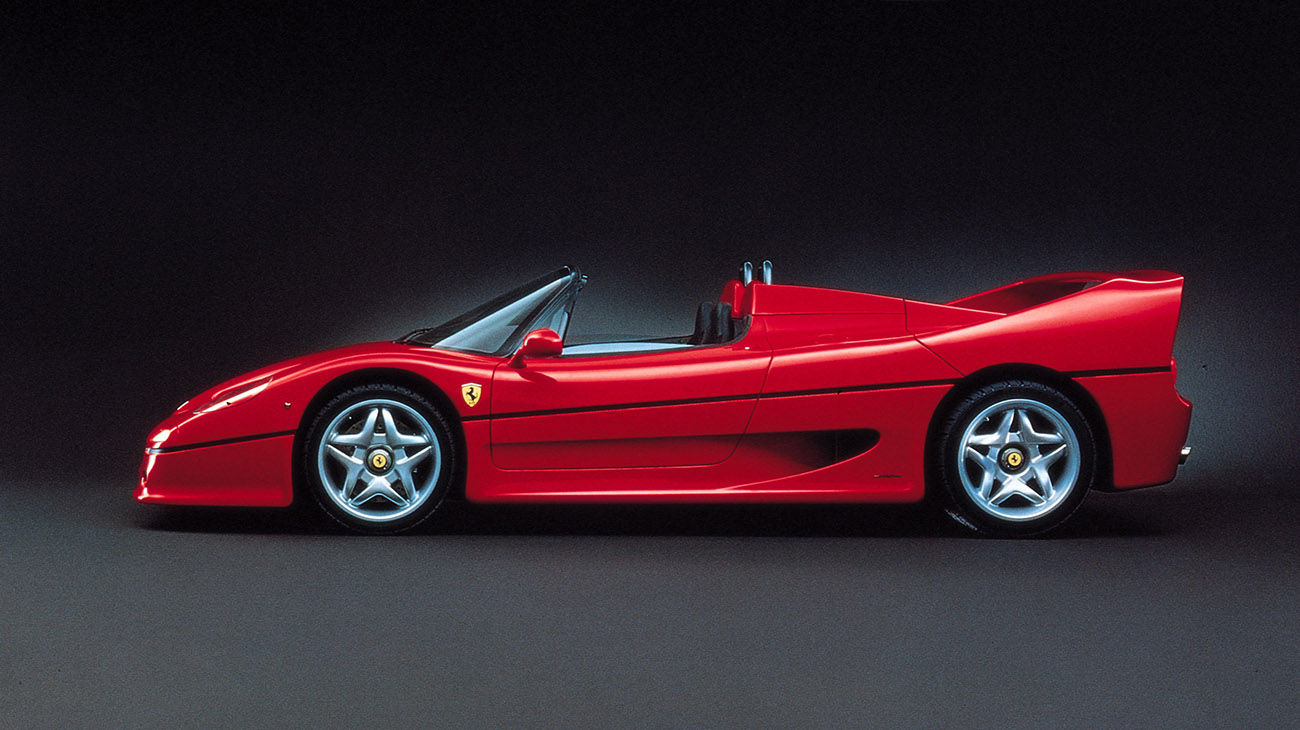
The clue is in the name. A spoiler exists to spoil the airflow travelling across the car. As air rushes over the roof and rear window, it naturally wants to separate from the body, creating turbulence and lift at the rear axle. A spoiler interrupts this airflow before it can detach cleanly, reducing lift and making the car feel more planted.
Unlike a wing, a spoiler is integrated into the bodywork. It usually extends from the boot lid or rear deck, following the car’s natural silhouette. Because it works by controlling airflow rather than redirecting large volumes of air, its aerodynamic effect is relatively subtle. The benefits are improved stability, better high-speed confidence and, in many cases, reduced drag. Cars such as the Porsche 911 Carrera, Ferrari Roma and BMW M4 all use carefully engineered spoilers to improve stability without compromising efficiency or everyday usability.
Also Read: How Carbon Fibre Became The Material That Changed Supercars
A Wing Turns Air Into Grip
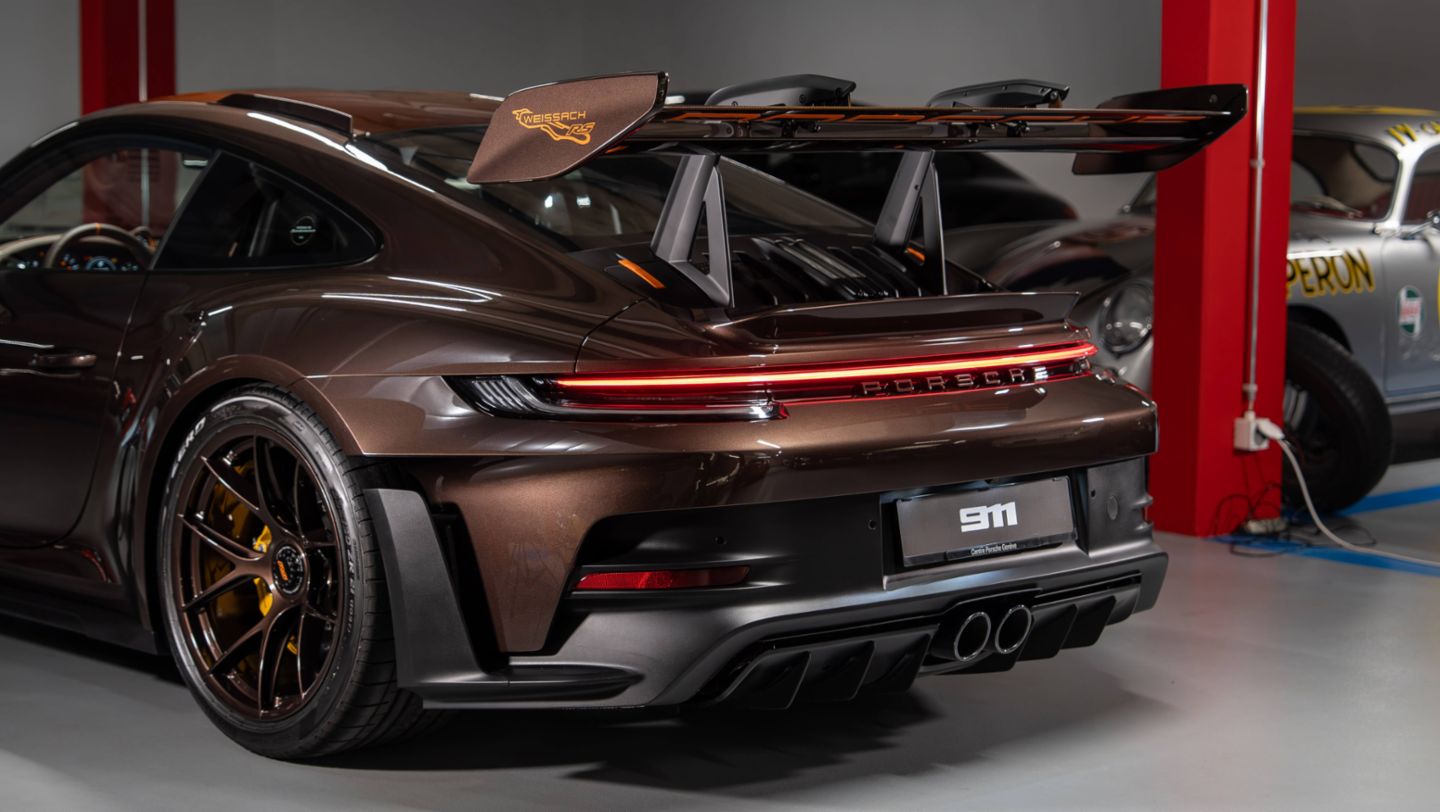
A rear wing takes the opposite approach. Instead of merely tidying up the airflow, it deliberately redirects it. Its inverted aerofoil profile forces air upwards, and according to Newton’s Third Law, the reaction pushes the car down into the road. That downward force is called downforce, and it is one of the biggest reasons modern supercars corner at astonishing speeds. The faster the vehicle travels, the more air passes over the wing, and the greater the force pressing the tyres into the tarmac.
Unlike spoilers, wings sit above the body on supports so that clean, uninterrupted airflow can pass over both the upper and lower surfaces. Every millimetre of its angle, height and curvature affects how much downforce it generates. This is why machines such as the McLaren Senna, Ferrari F80, Porsche 911 GT3 RS and Aston Martin Valkyrie carry towering rear wings that would look absurd on an ordinary road car but become indispensable once speeds climb beyond 250 km/h.
The Trade Off Between Grip And Speed
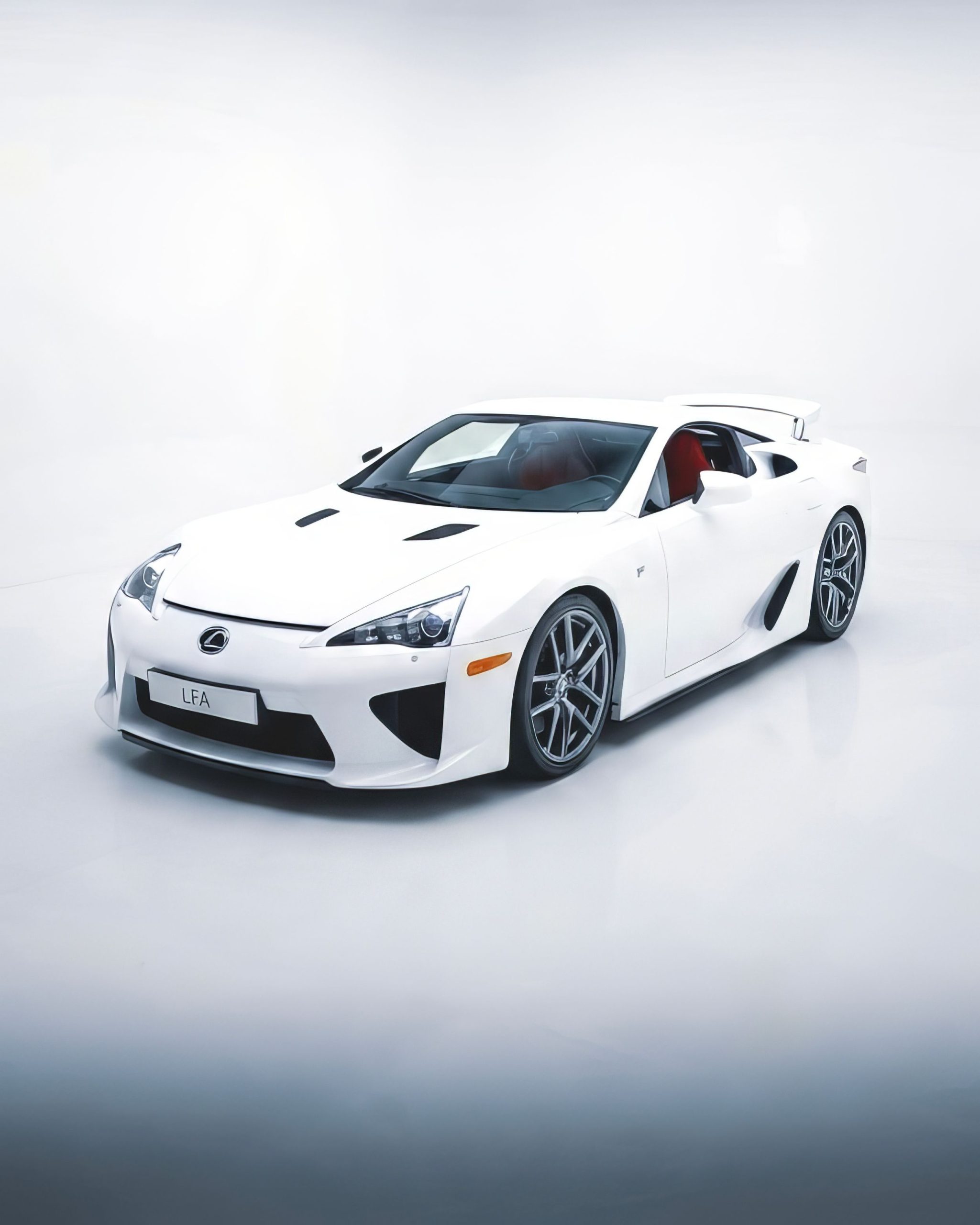
Aerodynamics is always a compromise. More downforce almost always means more drag, and more drag reduces top speed and fuel efficiency. A spoiler generally offers modest aerodynamic gains with minimal drag penalties, making it ideal for grand tourers and fast road cars. Wings, however, sacrifice outright speed for immense grip. Race cars often accept lower maximum speeds because additional cornering performance saves far more time over an entire lap. This balancing act explains why manufacturers spend thousands of hours inside wind tunnels and computational fluid dynamics simulations searching for the perfect compromise.
Also Read: What Is Torque Vectoring? How It Improves Handling
Active Aerodynamics Deliver The Best Of Both Worlds
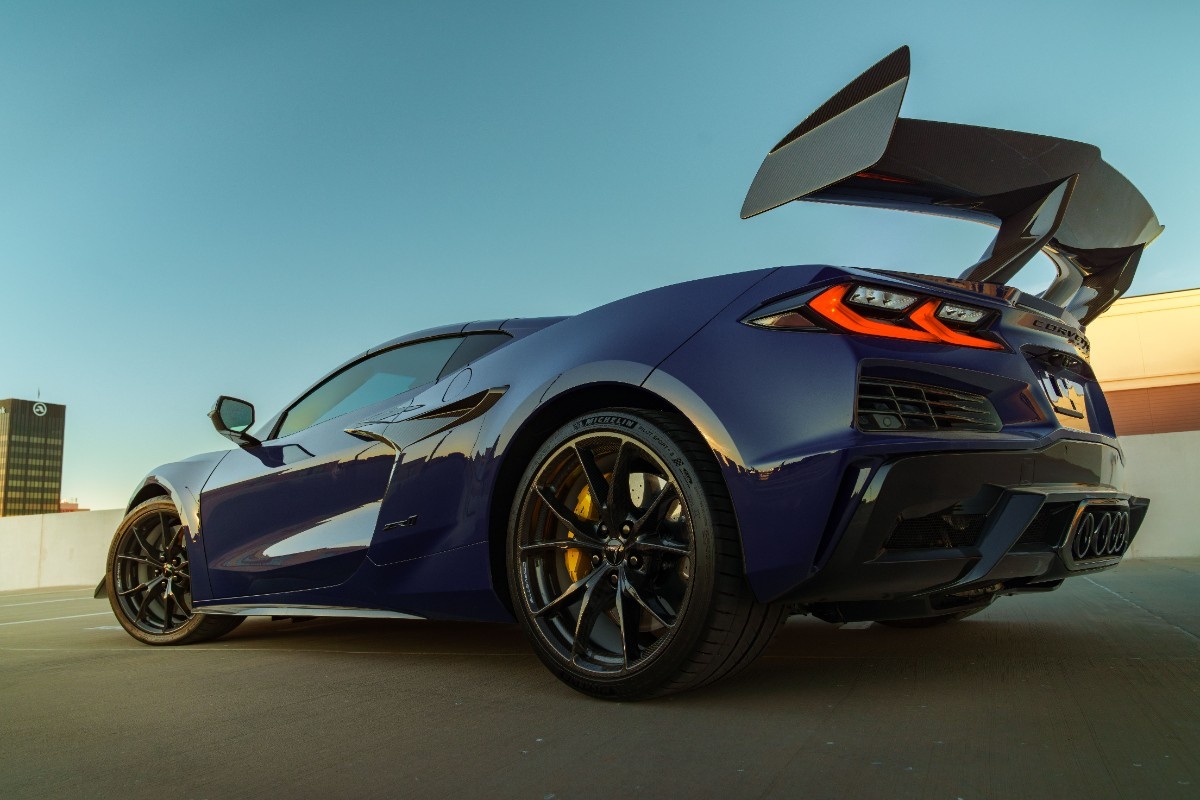
Modern performance cars no longer force engineers to choose one compromise forever. Active aerodynamic systems allow wings and spoilers to change position depending on speed, braking or cornering loads. At low speeds they remain retracted to minimise drag. During hard acceleration they adjust for stability. Under heavy braking they can stand almost vertically, acting as enormous air brakes that help slow the car while increasing rear axle stability. Cars such as the Ferrari 296 GTB, Ferrari F80, McLaren P1, Porsche 911 Turbo S and Bugatti Tourbillon demonstrate how electronically controlled aerodynamic surfaces have become just as sophisticated as their engines.
Why Both Matter
The next time you see a sleek lip extending from a boot lid, remember that it isn’t pretending to be a racing wing. It is quietly organising the airflow behind the car, reducing lift and improving efficiency. Likewise, the enormous rear wing on a track focused machine isn’t there because designers wanted it to look dramatic. It exists because, without it, hundreds of horsepower would become almost impossible to deploy through fast corners. One controls the air. The other uses it as an invisible source of grip. Together they prove that in modern performance engineering, the fastest component on the car is often the one you cannot see at all.