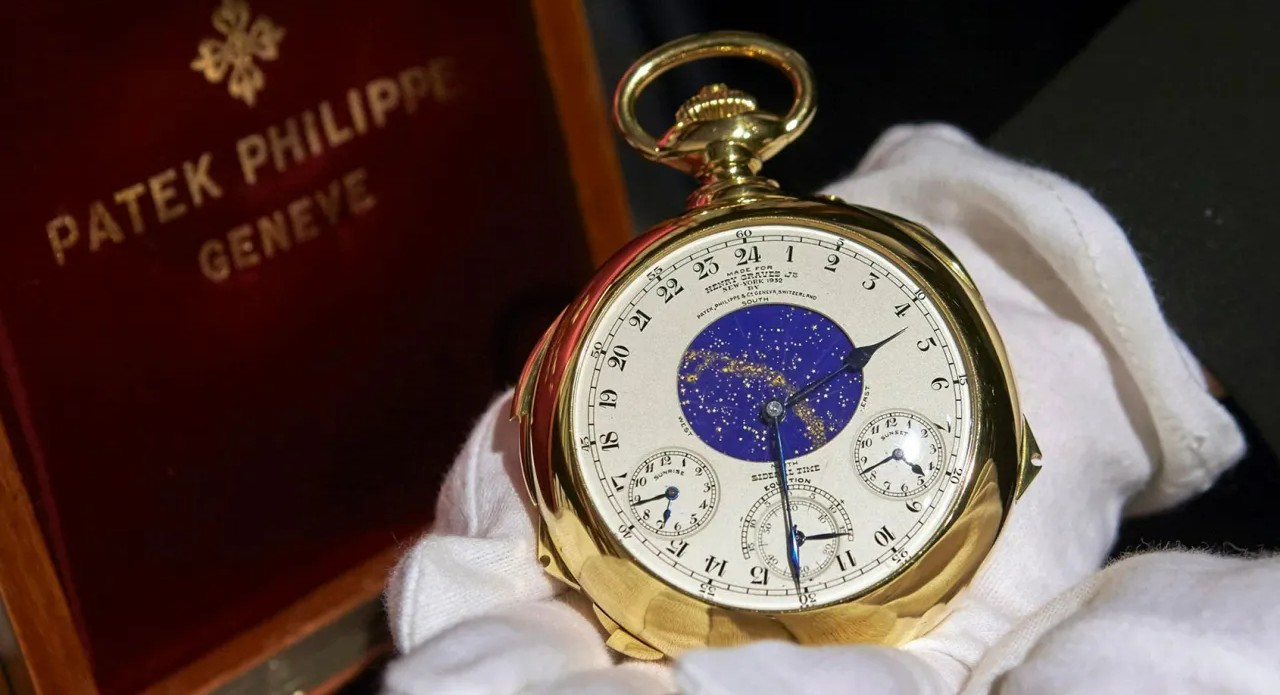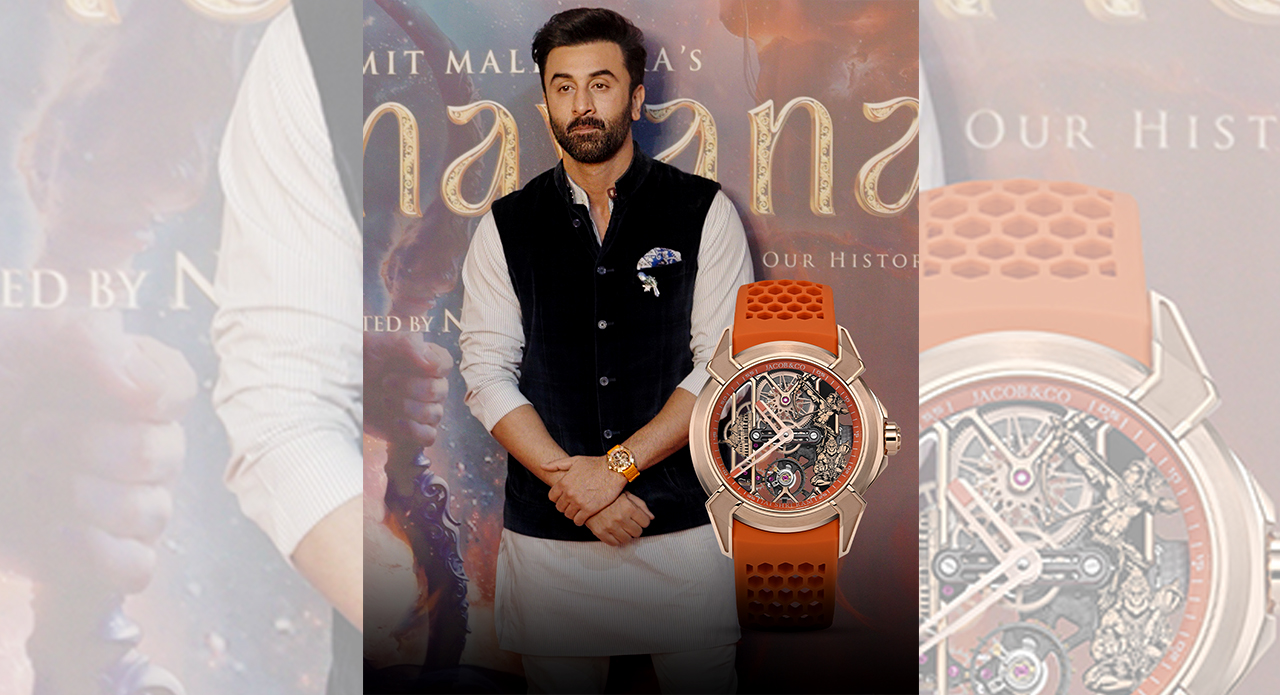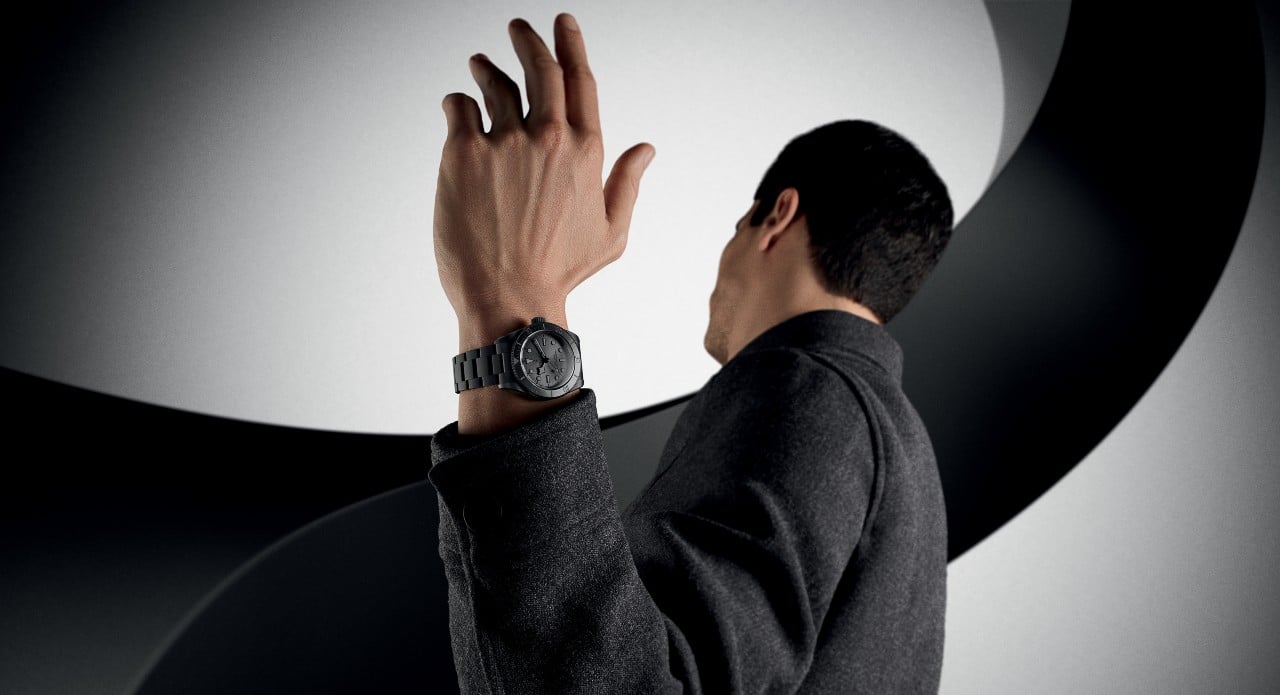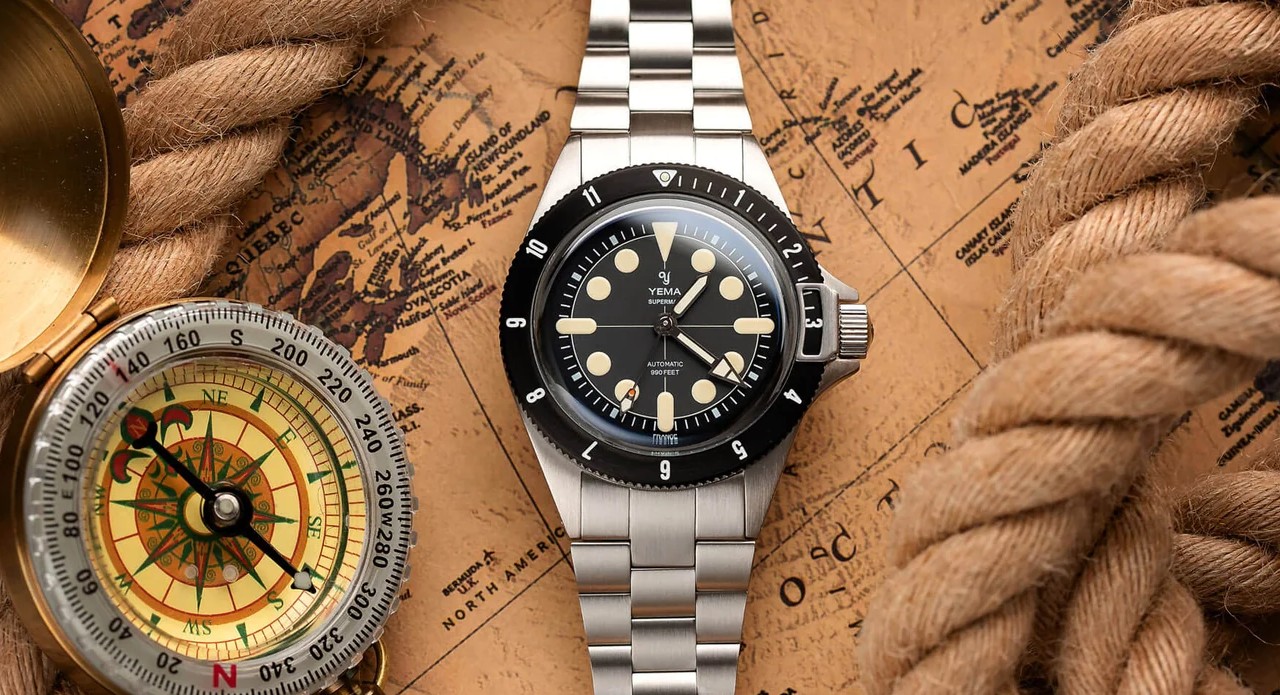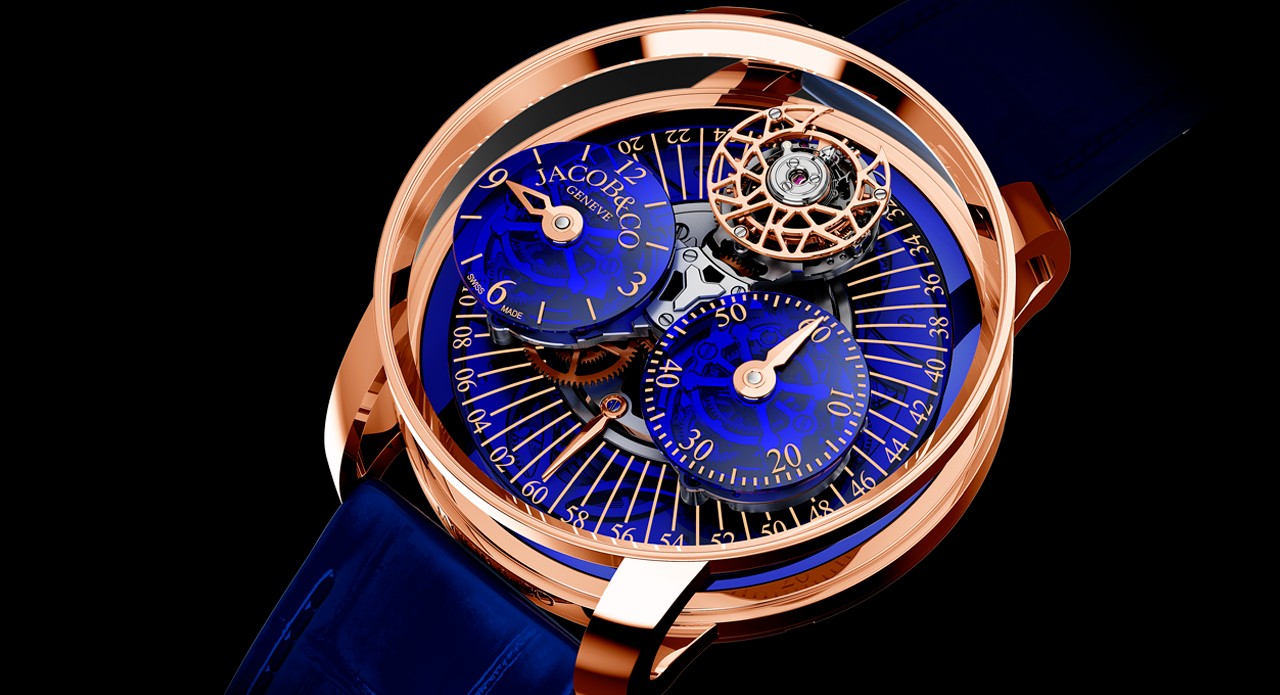


There was a glorious period in watchmaking when brands weren’t obsessed with making thinner watches, bigger watches or watches capable of surviving a trip to the Moon. They were occupied with a far more interesting question: what if we told the time differently? It wasn’t about being eccentric for the sake of it. It was about taking something as ordinary as reading the hour and turning it into mechanical theatre. Long before smartphones reduced time to a glowing number on a screen, master watchmakers were sketching extraordinary dial layouts that challenged convention with remarkable elegance. The result wasn’t confusion. Quite the opposite. These unconventional displays became some of horology’s most fascinating expressions of creativity, proving that a watch could be every bit as much an artistic statement as a precision instrument.
The Regulator
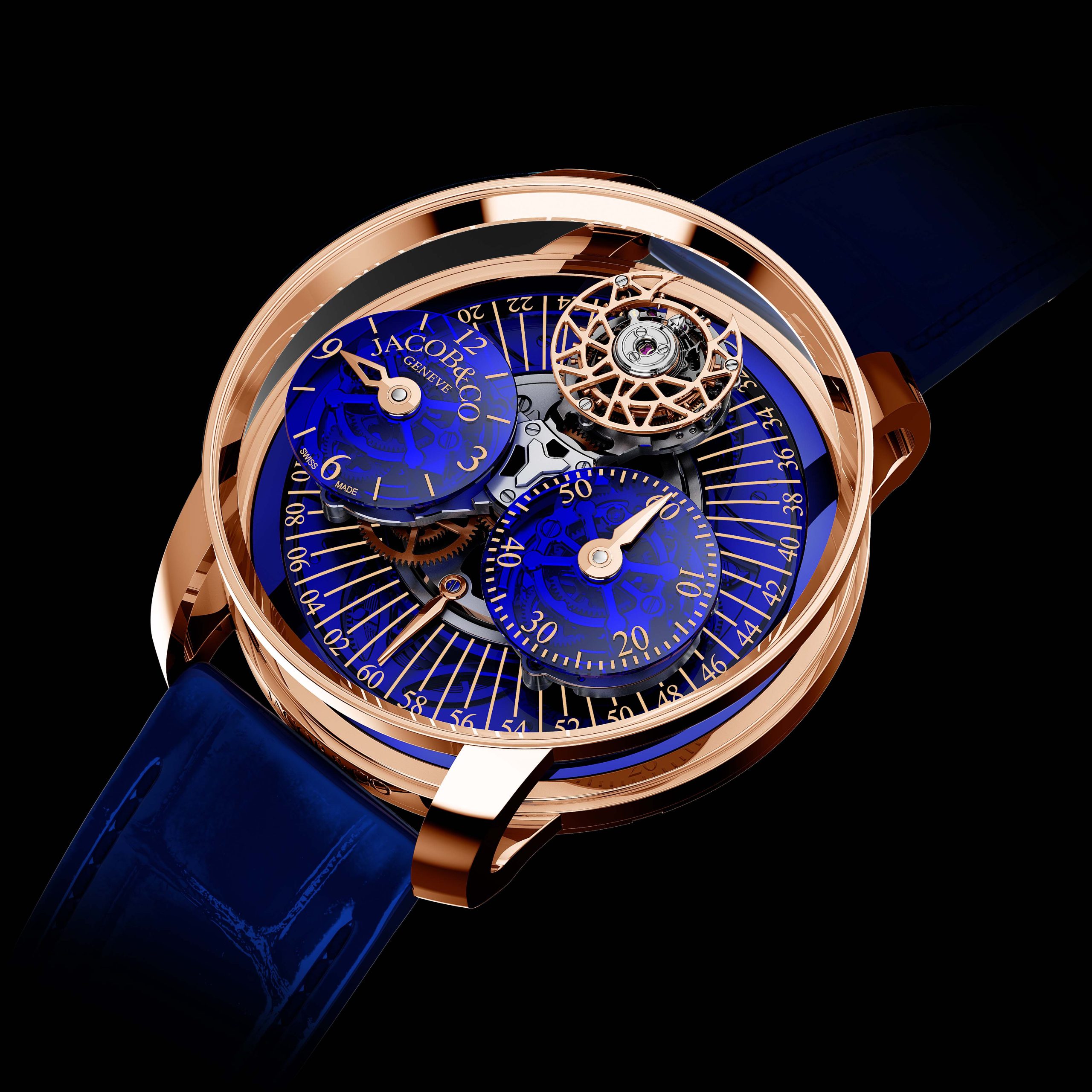
Originally developed for precision regulator clocks used inside watchmaking workshops, the regulator display separates the hours, minutes and seconds onto different axes. Rather than stacking all three hands in the centre, the minute hand usually occupies centre stage, while the hour and seconds are displayed on their own smaller subdials. The arrangement allowed watchmakers to set and compare timepieces with exceptional precision, since the minute hand could be read without interference from the hour hand. Today, regulator watches remain a favourite among collectors because they instantly reveal their technical heritage while offering one of the most distinctive dial layouts in haute horlogerie.
Also Read: A Legacy In Motion: The Story Of The Breguet Tradition Collection
Retrograde Hands
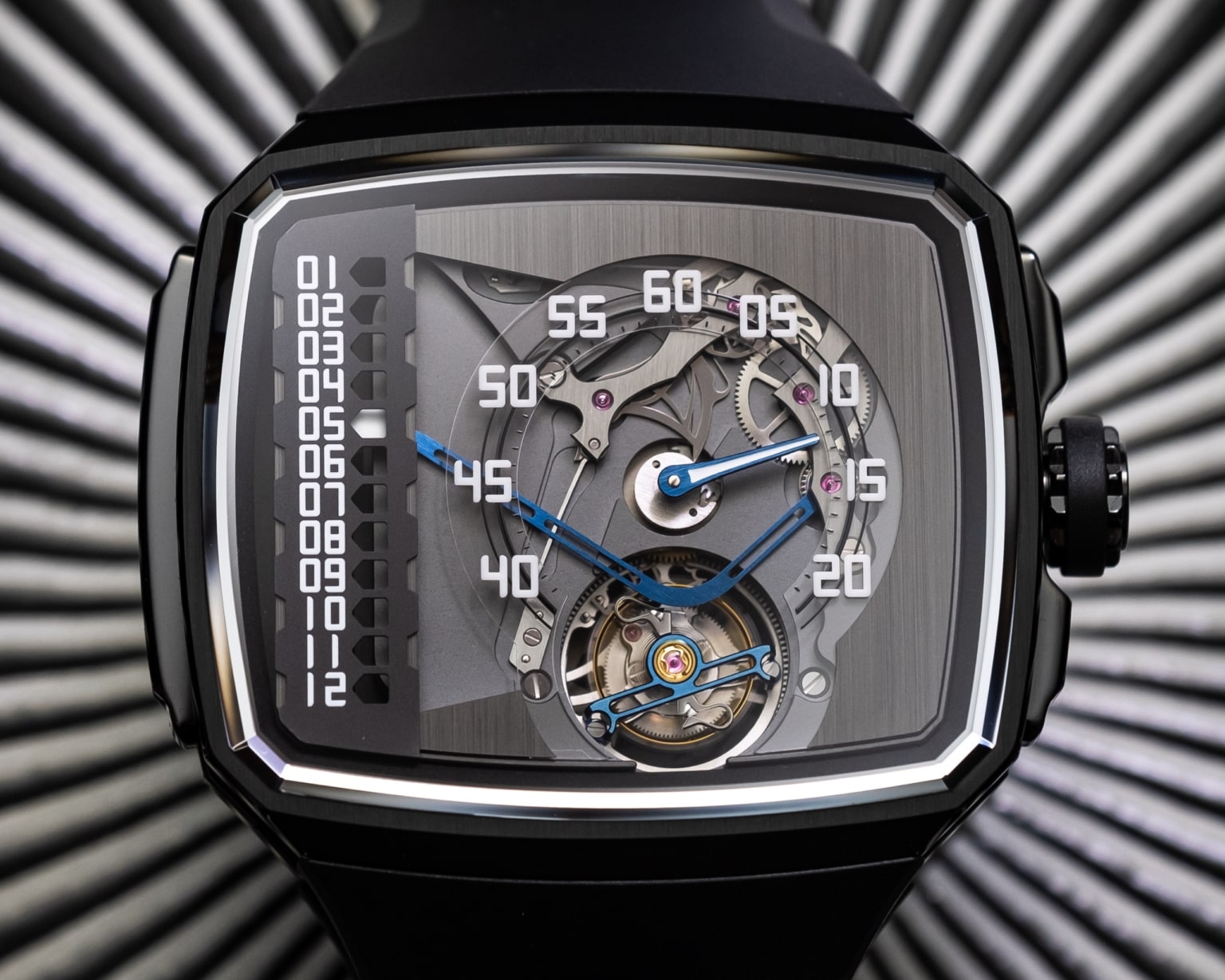
A conventional hand travels around the dial in endless circles. A retrograde hand refuses to do anything so predictable. Instead, it sweeps gracefully across an arc before suddenly snapping back to its starting position in an instant, ready to begin its journey again. Whether displaying the date, minutes, seconds or even the hours, the retrograde mechanism creates one of watchmaking’s most satisfying spectacles. That rapid return requires an intricate system of springs, cams and levers working in perfect harmony, making the complication every bit as entertaining mechanically as it is visually.
Off Centre Time Displays
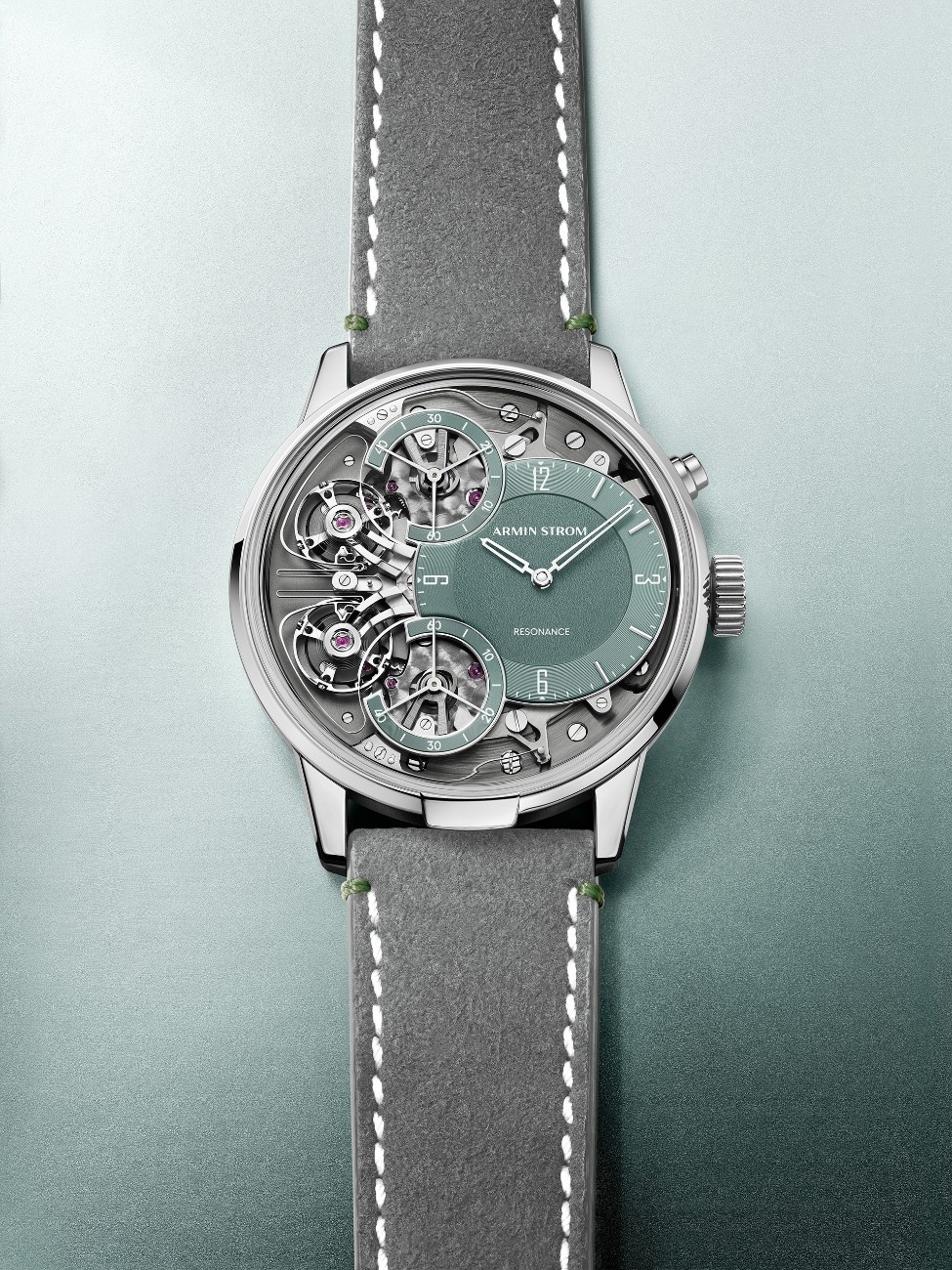
Most watches insist that time belongs squarely in the middle of the dial. Off-centre displays politely disagree. By shifting the hours and minutes away from the centre, designers create space to showcase movement architecture, complications or artistic craftsmanship. The result is a dial that feels dynamic rather than symmetrical, balancing functionality with visual intrigue. Brands such as Breguet and several independent watchmakers have embraced this approach, transforming empty dial space into a canvas where mechanics, engraving and finishing become equal stars alongside the time itself.
Also Read: Inside N3W5: The New Independent Watch Brand From François-Henri Bennahmias
Single Hour Hand
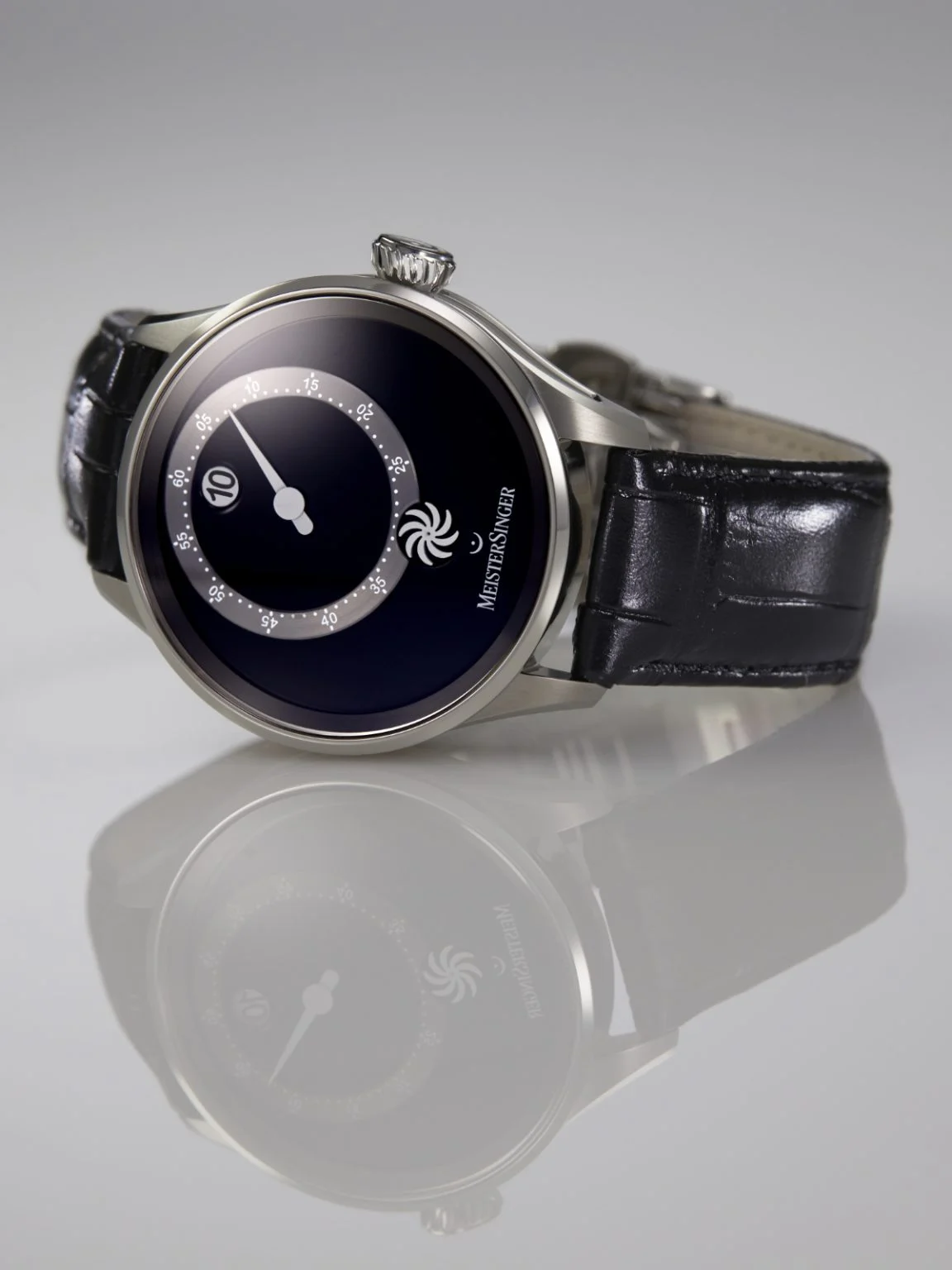
In an age obsessed with measuring every second, the single-hand watch feels almost rebellious. Instead of separate hour, minute and second hands, one lone hand slowly travels around the dial, allowing the wearer to estimate the time to within a few minutes. Historically, early mechanical clocks operated in much the same way, long before minute hands became commonplace. Modern single-hand watches celebrate that slower philosophy, encouraging the wearer to think less about exact minutes and more about the passing of the day itself. It is watchmaking stripped to its essentials, where elegance comes not from complexity, but from remarkable restraint.
When Reading Time Became An Art Form
These unconventional displays remind us that the greatest watchmakers have never been content with merely measuring time. They have continually searched for new ways to interpret it, present it and even challenge our relationship with it. Whether through the technical clarity of a regulator, the theatrical flourish of a retrograde hand, the asymmetry of an off-centre display or the quiet simplicity of a single-hand watch, each approach transforms an everyday act into something far more memorable. Because in haute horlogerie, the way a watch tells the time is often every bit as extraordinary as the movement powering it.