

A mechanical watch is one of the few objects in the modern world that still carries the heartbeat of centuries past. In an age where time appears instantly on glowing screens, a mechanical movement continues to rely on something far more romantic: a collection of tiny gears, springs and wheels working together in perfect harmony. It is not merely a machine designed to measure hours and minutes. It is a miniature example of human patience, engineering and artistic obsession.
The evolution of mechanical watch movements is a journey that stretches from the earliest portable clocks carried by European nobility to the sophisticated creations of modern horology. Every era brought a new challenge, whether it was improving accuracy, reducing size, creating complications or preserving traditional craftsmanship in an increasingly digital world.
The First Mechanical Watches: When Time Became Portable
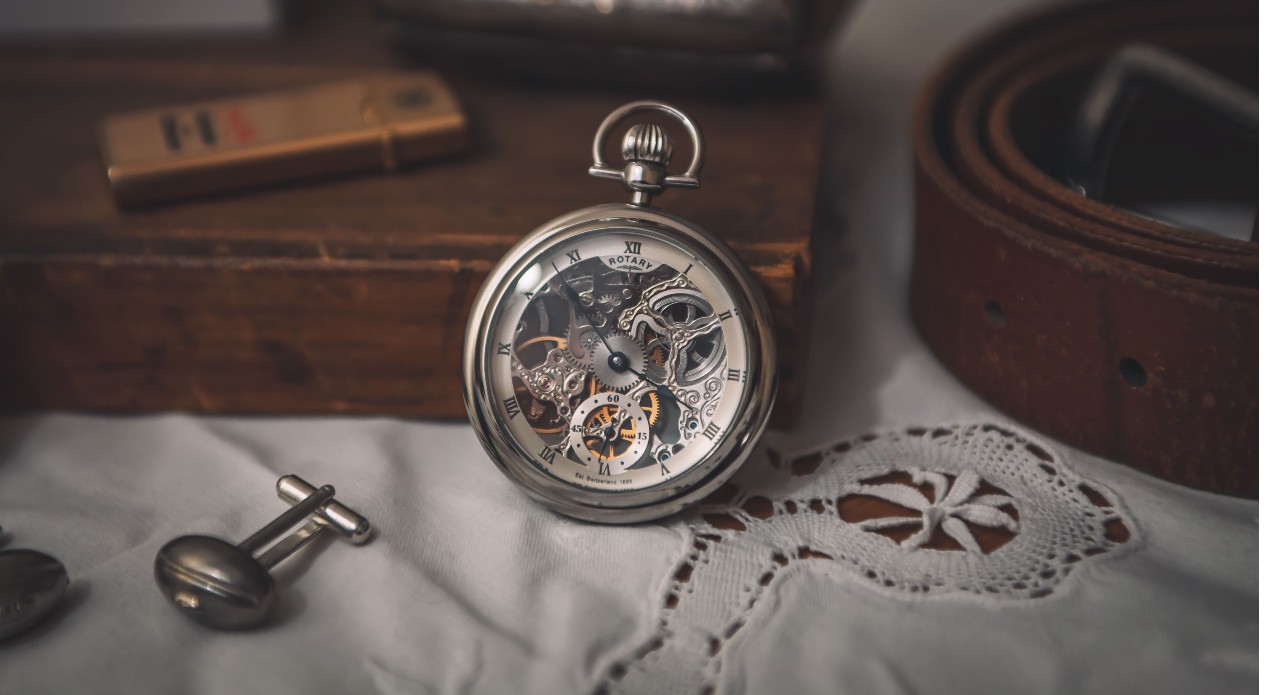
Before wristwatches became symbols of style and achievement, time was measured by large public clocks and stationary mechanisms. The breakthrough came during the 15th century, when advancements in metallurgy and engineering allowed clockmakers to create smaller mechanisms that could be carried.
These early portable watches were far from the precise instruments we know today. They were often inaccurate and considered more as demonstrations of wealth and technical ability than practical tools. Yet their importance was undeniable. For the first time, humans could carry their own personal relationship with time. The foundation of mechanical watchmaking was created through a simple but revolutionary idea: storing energy inside a spring and releasing it in a controlled manner through a network of gears.
Also Read: Watch Components Nobody Ever Talks About: Hidden Parts That Matter Most
The Pocket Watch Era: The Rise Of Fine Watchmaking
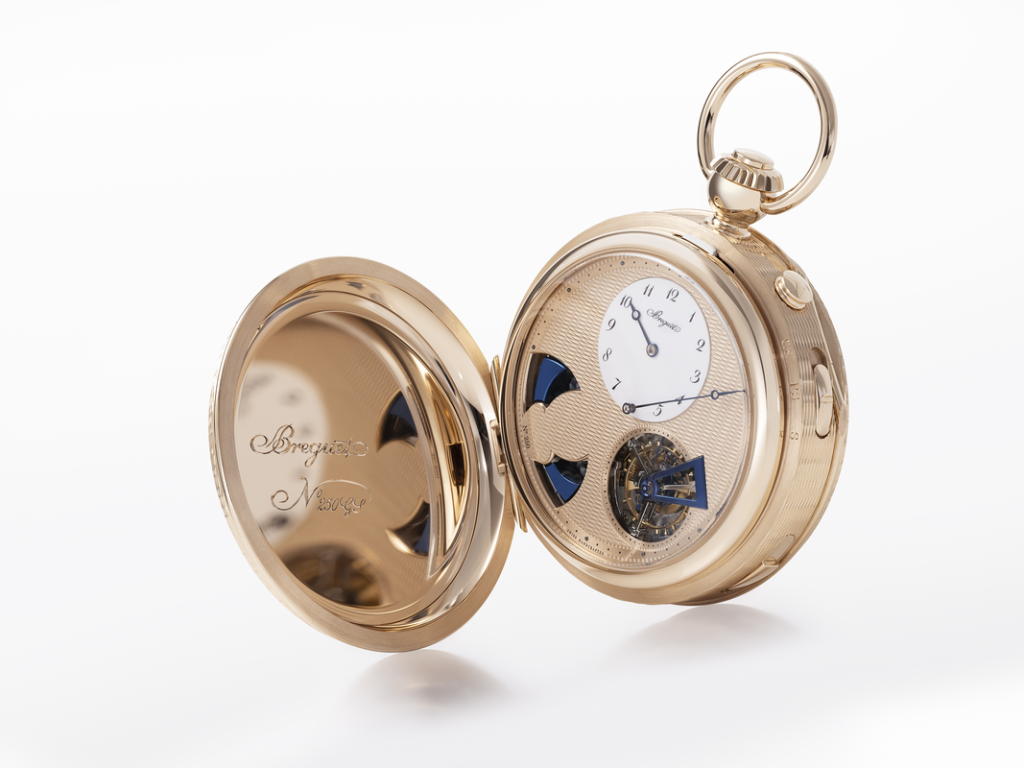
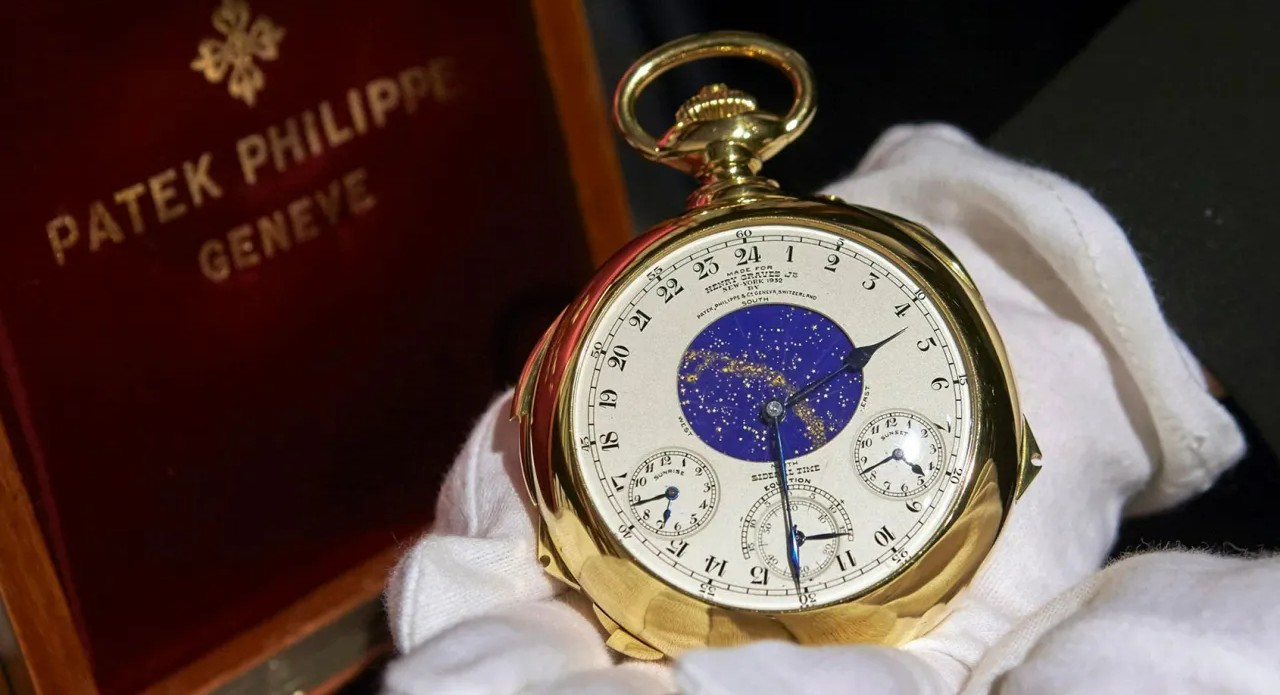
As watchmaking developed through the 17th and 18th centuries, the pocket watch became the centre of personal timekeeping. Carried in waistcoats and jackets, these elegant objects reflected refinement and social status. The introduction of improved regulating systems, including the balance spring, transformed mechanical watches by allowing them to keep more consistent time. Watchmakers began experimenting with decorative finishing, smaller components and more reliable mechanisms. A pocket watch was no longer just an instrument. It became a piece of craftsmanship. The finest examples featured beautifully engraved cases and movements that demonstrated the skill of the artisans who created them.
The Birth Of Complications: Turning Mechanics Into Art
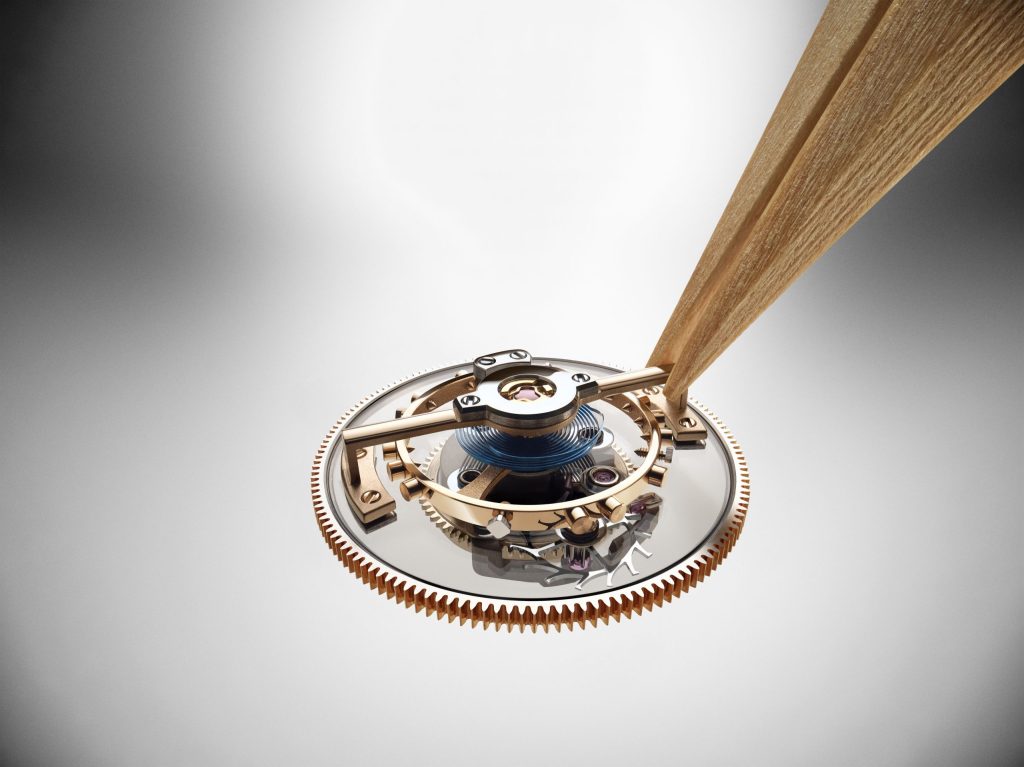
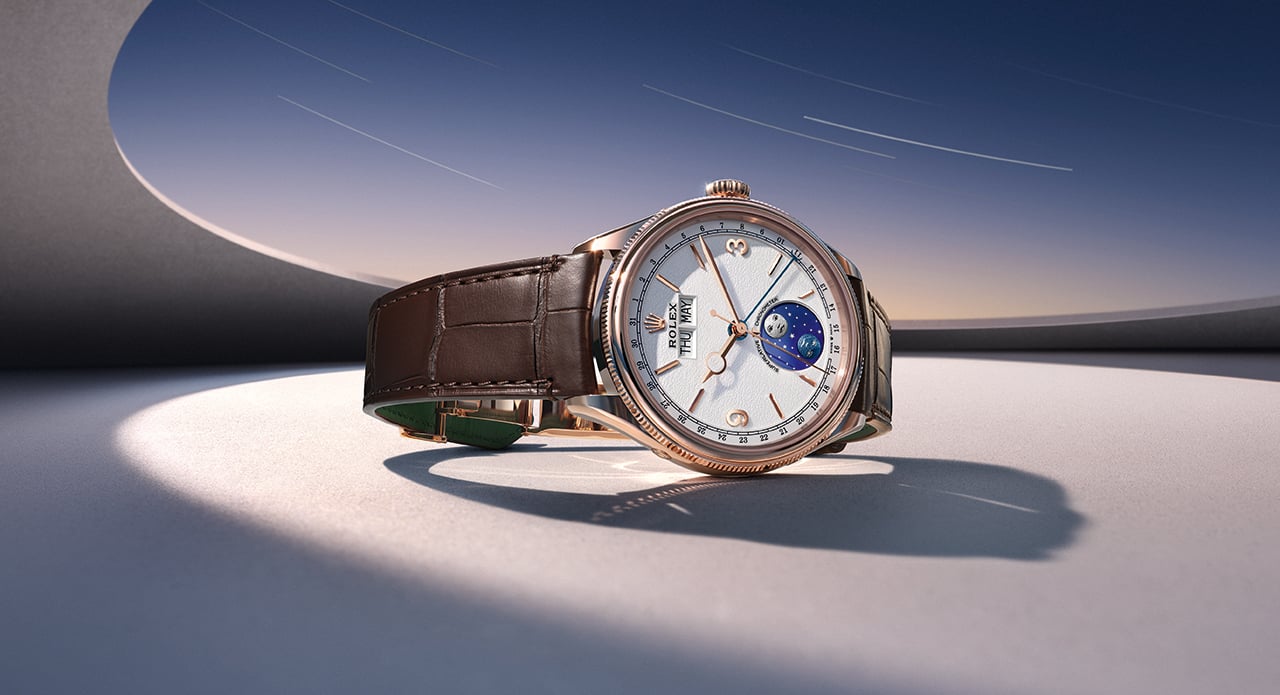
As accuracy improved, watchmakers began asking a different question: what more could a mechanical movement achieve? This led to the creation of complications, additional functions beyond simple time display. Calendars, moon phase indicators, chronographs and repeating mechanisms became symbols of watchmaking excellence.
The creation of the tourbillon by Abraham-Louis Breguet in 1801 became one of the most celebrated developments in horological history. Designed to improve accuracy by reducing the effects of gravity on the movement, it represented the ambition of watchmakers to overcome even the smallest mechanical challenges. The movement was no longer only about telling time. It became a demonstration of human ingenuity.
The Wristwatch Revolution: A New Era Begins
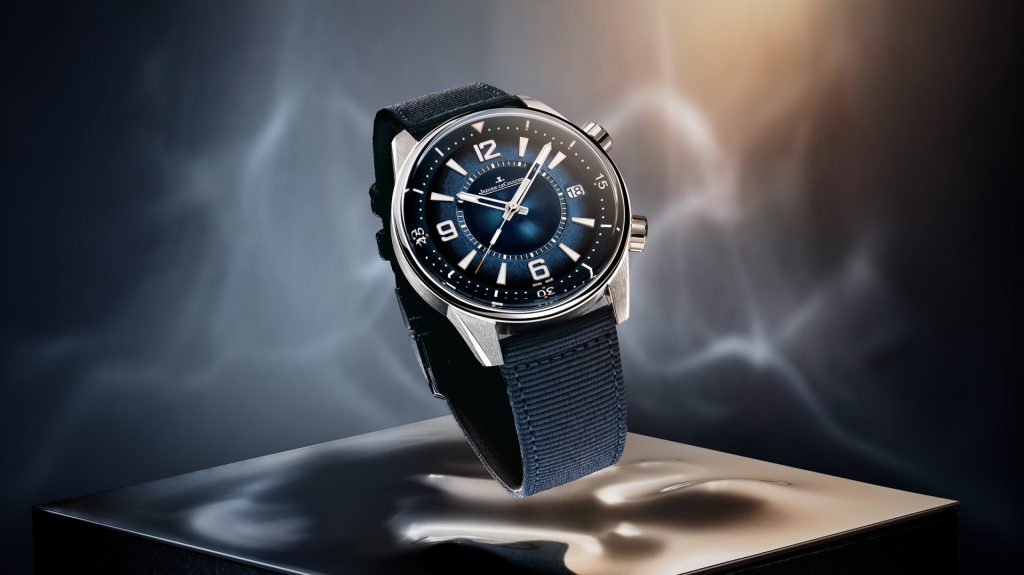
For centuries, the pocket watch dominated the world of personal timekeeping. However, the arrival of the wristwatch changed everything. Originally embraced for practicality, especially in military environments, wristwatches brought timekeeping closer to everyday life. The challenge for watchmakers was immense: they had to create movements small enough to fit on the wrist while maintaining durability and accuracy. This period transformed the watch from a formal accessory into a daily companion. The wristwatch became personal, functional and eventually one of the strongest expressions of individual style.
Automatic Movements: The Watch That Moves With You
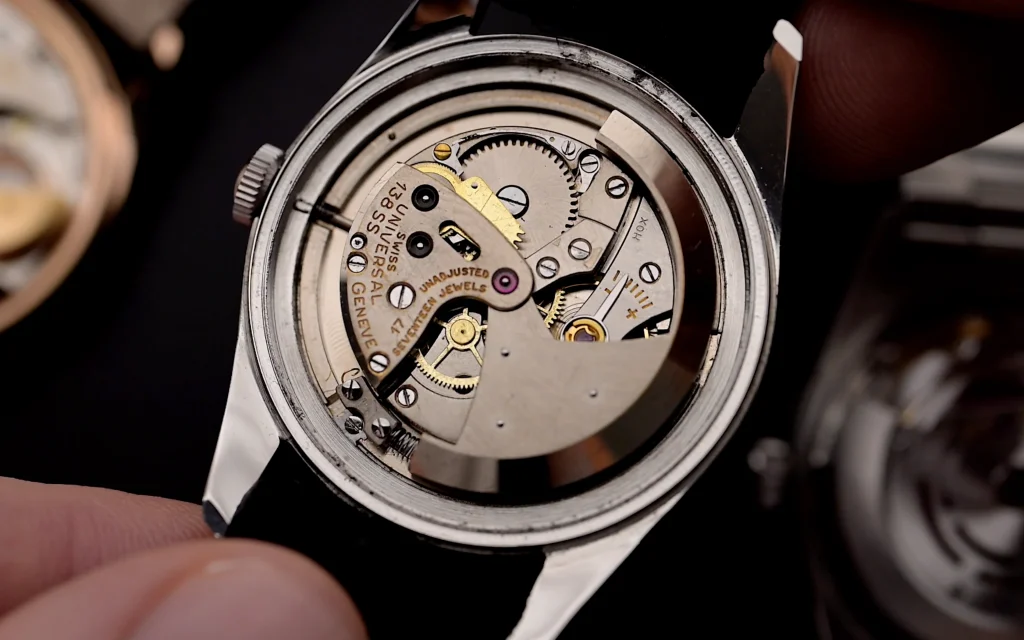
One of the most important innovations in mechanical watchmaking was the automatic movement. Unlike traditional hand wound watches, automatic watches used a rotating rotor powered by the movement of the wearer’s wrist. This energy was transferred into the mainspring, allowing the watch to continue running without constant manual winding. The invention represented a perfect relationship between human movement and mechanical engineering. The wearer became part of the mechanism itself. Today, automatic movements remain among the most admired forms of mechanical watchmaking because they combine convenience with traditional craftsmanship.
The Quartz Revolution And The Return Of Mechanical Watches
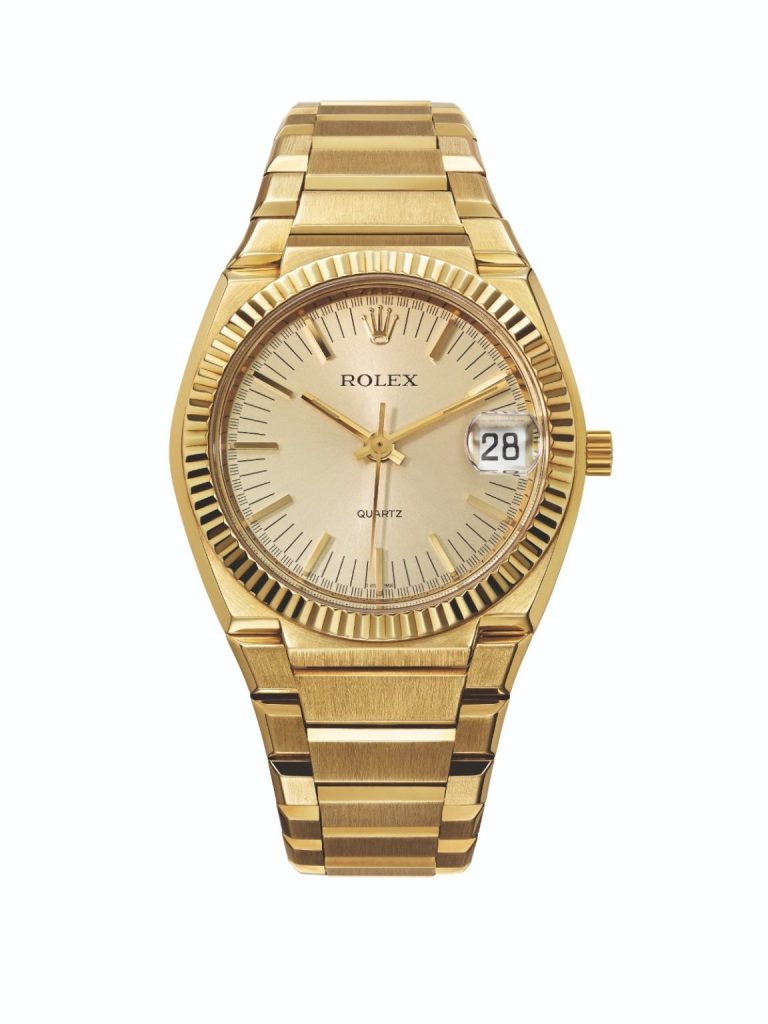
The 1970s brought one of the biggest challenges in watchmaking history with the arrival of quartz technology. Quartz watches offered exceptional accuracy and affordability, creating a shift that threatened traditional mechanical watchmaking. However, mechanical watches survived because they offered something quartz could not replace. Emotion. Collectors and enthusiasts began appreciating the complexity of traditional movements, the finishing of components and the knowledge required to create a machine powered purely by mechanical energy. The mechanical watch transformed from a necessity into a symbol of heritage and artistry.
Modern Horology: Where Innovation Meets Tradition
Today’s mechanical watches represent the meeting point between history and technology. Modern watchmakers use advanced materials, improved engineering and innovative solutions to create movements that are more reliable and precise than ever before. Materials such as silicon components and advanced alloys have helped improve performance while preserving the fundamental principles of traditional watchmaking. Despite these developments, the heart of the mechanical movement remains unchanged. A spring stores energy, gears transfer it, a regulator controls it, and time continues to move through mechanical rhythm.