

At first glance, anglage is utterly pointless. It doesn’t tick louder, run faster, or survive being dropped off a yacht in Monaco by a distracted billionaire. You can’t see it unless you lean in with the enthusiasm of a forensic scientist and the eyesight of a hawk. And yet, this tiny, gleaming bevel along the edges of a movement part is precisely where great watchmaking rolls up its sleeves, sharpens its tools, and says, “Right then, let’s show off.” Because anglage is not about efficiency or necessity; it’s about pride. It’s the horological equivalent of polishing the underside of a classic car’s bonnet—no one asked for it, no one needs it, but once you know it’s there, you can never unsee the difference between a machine that was merely assembled and one that was lovingly, obsessively, almost irrationally finished.
Also Read: Top American Timepiece Brands Every Watch Collector Should Know
Why Anglage Matters
From a purely functional standpoint, anglage is gloriously unnecessary. The watch will keep time perfectly well without it. But anglage reveals three crucial truths: time, skill, and honesty. First, it takes an absurd amount of time—often several hours for a single bridge. Second, it demands skill that machines still struggle to replicate convincingly, especially when it comes to sharp inward angles. Third, it exposes the level of finishing beneath the surface. A movement with true hand-done anglage cannot hide sloppy workmanship anywhere else.
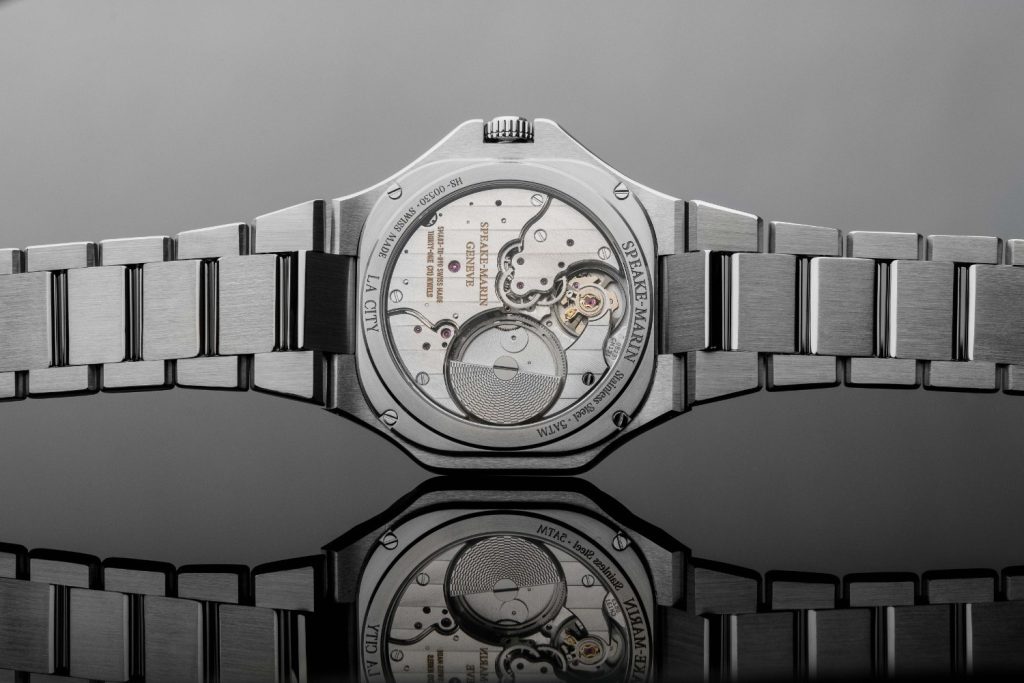
How Anglage Is Done: The Old-School Way
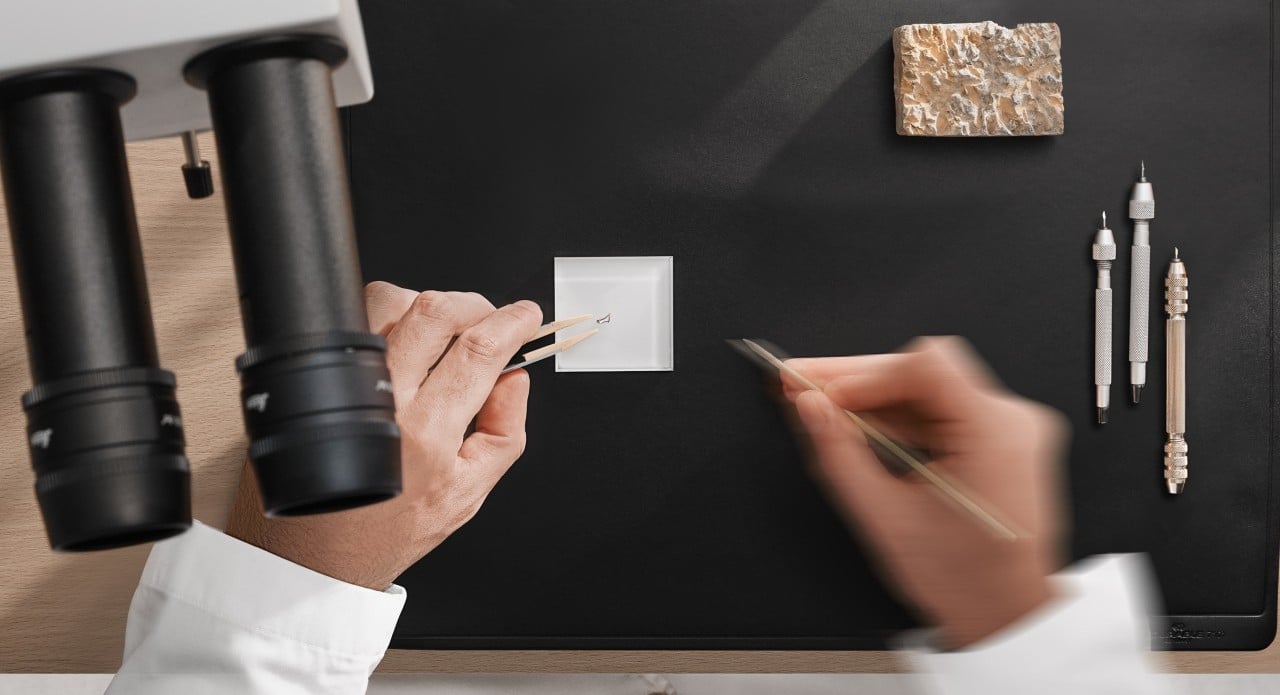
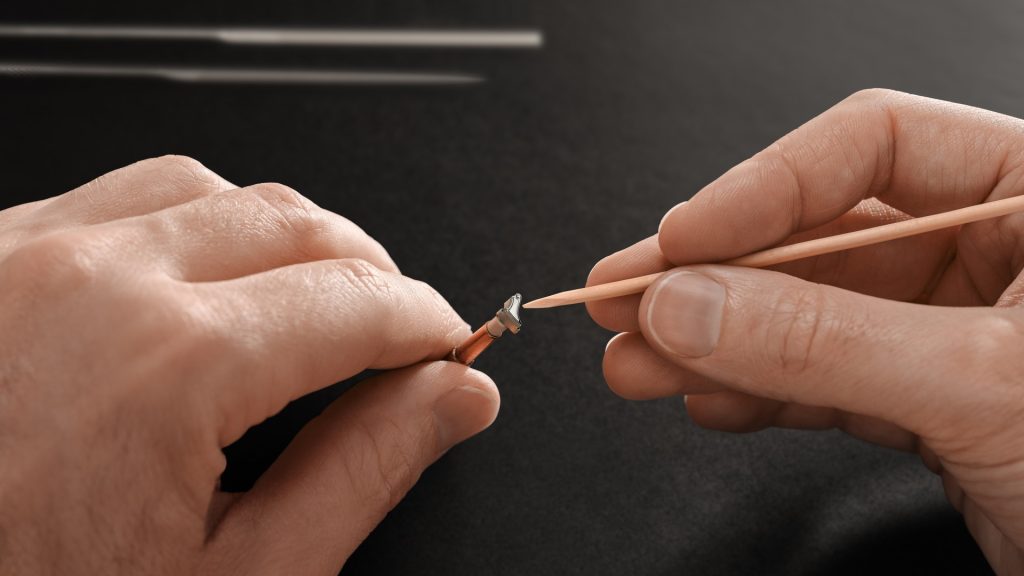
Traditional anglage is performed entirely by hand. The process begins with shaping the bevel using fine files or abrasive stones, carefully cutting the angle along the edge of the component. Once the bevel is formed, it is refined with progressively finer abrasives. The final step is polishing, typically done with wooden pegs—often made from boxwood—charged with diamond paste. The watchmaker gently works the bevel until it achieves a flawless mirror finish. Sharp inward corners, which machines cannot produce, are the ultimate proof of hand-finishing and the hallmark of elite craftsmanship.
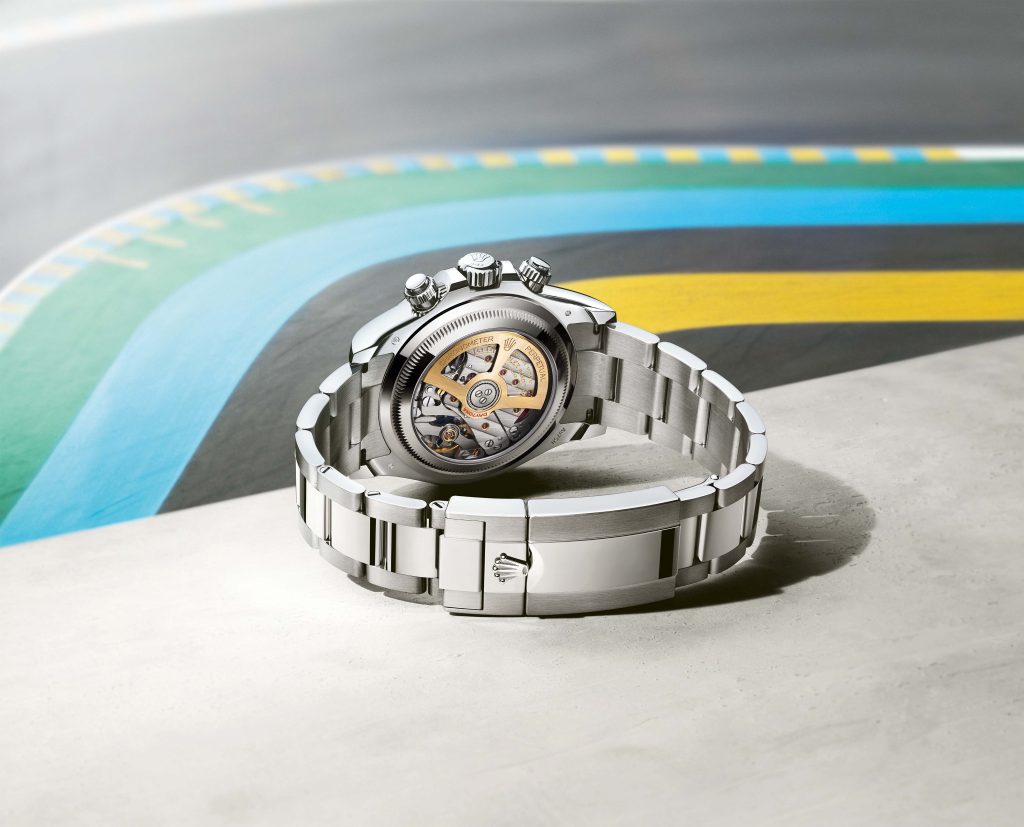
Hand-Finished vs Machine-Finished Anglage

Modern computer numerical control (CNC) machines can create neat, uniform chamfers quickly, and many industrial luxury watches rely on this. Machine anglage looks tidy, but it often lacks depth and softness. Hand-finished anglage, by contrast, has subtle variations, perfectly rounded edges, and crisp interior angles. It reflects light differently—warmer, richer, more alive. To a trained eye, the difference is as obvious as comparing a printed signature to one written with a fountain pen.
Ultimately, anglage is not about aesthetics alone. It is a philosophy of excess care, of doing something the hard way simply because it’s the right way. It tells you that the watch was not merely assembled but finished. In a world obsessed with specs, complications, and marketing superlatives, anglage quietly whispers the only thing that truly matters in fine watchmaking: someone, somewhere, took their time.