Interview: How José Lévy Blends French Aesthetics With Indian Influence in New Sculptural Works
French designer José Lévy reimagines the Indian banquet through playful stainless steel creations that blur art and function
Let’s get one thing straight: this is not your polite, predictable idea of tableware trying to pass itself off as design. No, this has a bit more cheek, a bit more swagger. Imagine taking something as ordinary as a tomato or a clove of garlic and turning it into a gleaming, sculptural statement that quietly steals the spotlight the moment it lands on the table. That is exactly what José Lévy brings to the table, quite literally, infusing stainless steel with personality, wit, and a certain disarming elegance. There is playfulness here, but it is never frivolous; every curve feels considered, every reflection deliberate, like the object is in on the joke but still impeccably dressed for dinner. It balances charm with craft, lightness with intent, and somewhere in that tension, it becomes far more than functional. This is design that does not shout for attention, but somehow ends up holding it anyway, inviting you to look twice, to smile, and perhaps even to rethink the quiet poetry of the everyday. Outlook Luxe had a candid conversation with French designer José Lévy, delving into the playful philosophy, cultural nuances, and artistic intent behind a collection that transforms everyday objects into quietly compelling works of functional art.
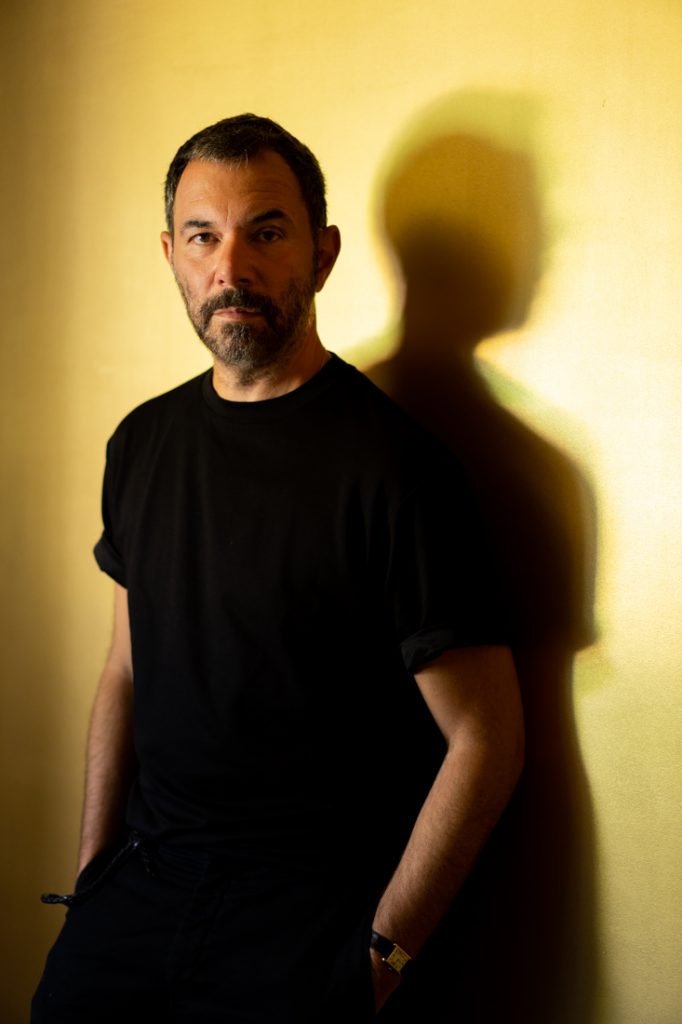
Playful Playfood is an evocative title, what narrative or emotion were you hoping to capture through this collection?
José Lévy: The title “Playful Playfood” is intended as a gentle reminder, a call to rediscover that innate sense of wonder we so often leave behind in childhood. This collection serves as a poetic mirror for the home, inviting guests to witness the theater of a grand dinner party through a lens of imagination. It is about those quiet moments of alchemy where a mundane, everyday object is suddenly transfigured into something extraordinary.
Your work often blurs the line between art and function. At what point does an object become art for you?
JL: To me, design is where material meets emotion. An object transcends its utility and becomes art the moment it ceases to merely occupy space and begins to evoke a memory or narrate a story. When a vessel does more than contain, when it begins to speak, perhaps transforming a simple tomato into a shimmering sculpture, that is where the true artistry resides.
Also Read: Who Was Vittorio Garatti? Exploring the Vision of the Italian Architect
The collection reimagines the Indian banquet, what drew you to this cultural starting point?
JL: I have long been moved by the profound warmth of Indian hospitality, a culture that elevates a meal from simple sustenance into a sacred ritual of generosity. Within the shared abundance of an Indian banquet, there is a vivid, pulsing energy that is almost impossible to hold; it is a symphony of laughter, aroma, and connection. My aim was to distill that transient cultural vitality, that beautiful, passing spirit of the moment, into a permanent and luminous form. By utilizing the enduring elegance of stainless steel, I have sought to freeze that lively grace in time, allowing the joy of a single evening to reflect forever in the polished surface of a functional sculpture.
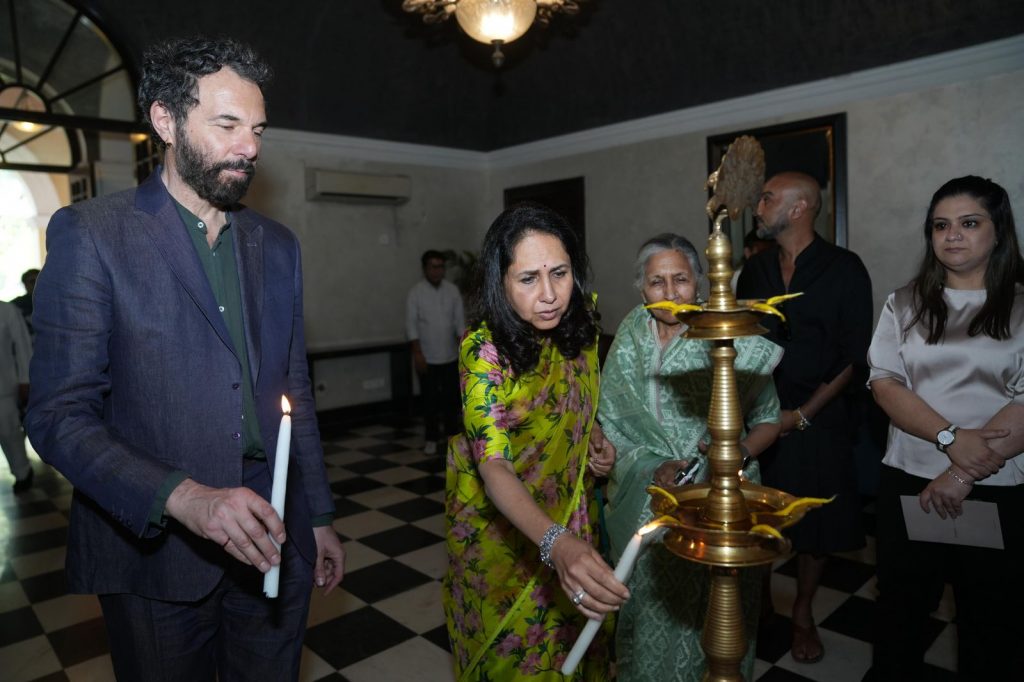
There’s a sense of whimsy in transforming everyday forms like animals and vegetables, how central is playfulness to your design philosophy?
JL: Playfulness is the silent heartbeat of my work; it is the poetry that lends a human touch to the rigid world of design. By taking the humble forms of a peanut or a bulb of garlic and reimagining them as polished, avant-garde sculptures, I am engaging in a dialogue with reality itself. Without this sense of play, the objects we surround ourselves with can feel clinical. We require pieces that offer a sense of delight and emotional resonance.
Your aesthetic reflects a distinct Franco-Japanese sensibility. How does that translate into this collection?
JL: My creative identity is a tapestry woven from two distinct worlds: the disciplined, meticulous precision of my grandparents’ Japanese tatami-making and the vibrant, narrative-driven life I led in Paris. In this collection, that duality manifests as a balance between French flair and a Zen-like minimalism. It is a space where a sophisticated French narrative meets a profound Japanese reverence for organic, understated forms.
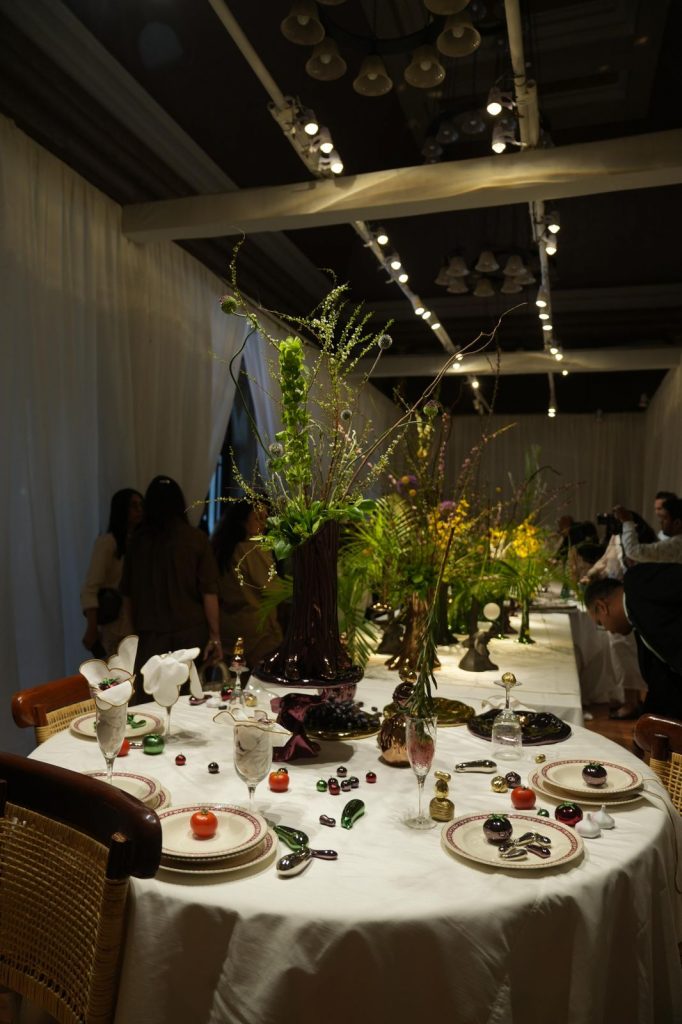
Stainless stainless is at the heart of this collaboration, what possibilities did this material unlock for you creatively?
JL: Stainless steel is a remarkable medium; it possesses an industrial strength yet carries a noble, quiet elegance. It has allowed me to sculpt with light. Because the surfaces are so impeccably reflective, the objects appear to be in a state of constant flux, shifting with the atmospheric light of the room. This gives the vegetable-inspired forms a liquid appearance, allowing the inherent hardness of stainless steel to feel surprisingly soft, almost airy.
What initially drew you to collaborate with Arttd’inox, and how did this partnership evolve?
JL: My collaboration with Arttd’inox was born from a shared conviction that stainless steel can serve as a canvas for high-end art. Our partnership was a pursuit of a single, profound question: how do we take a material as unyielding as stainless steel and push it toward its most fluid, graceful limits? In working with Deepika Jindal, we found a mutual desire to elevate domestic items into the realm of the poetic.
How did the dialogue between your artistic vision and Arttd’inox’s craftsmanship shape the final pieces?
JL: This collection marked a unique chapter in my creative life, as it was the first time I shaped a vision without physically sculpting the material with my own hands. The process became a rarefied dialogue between the abstract silhouettes in my mind and the technical hands of the Arttd’inox artisans. While the design is entirely my own, I relied on their profound understanding of stainless steel to act as a precise instrument of my intent. Their skill in coaxing the metal into the smooth, organic curves I envisioned is what allowed my concept to materialize. It was a beautiful realization of how my initial sketches could be breathed into life through their dedicated craftsmanship.
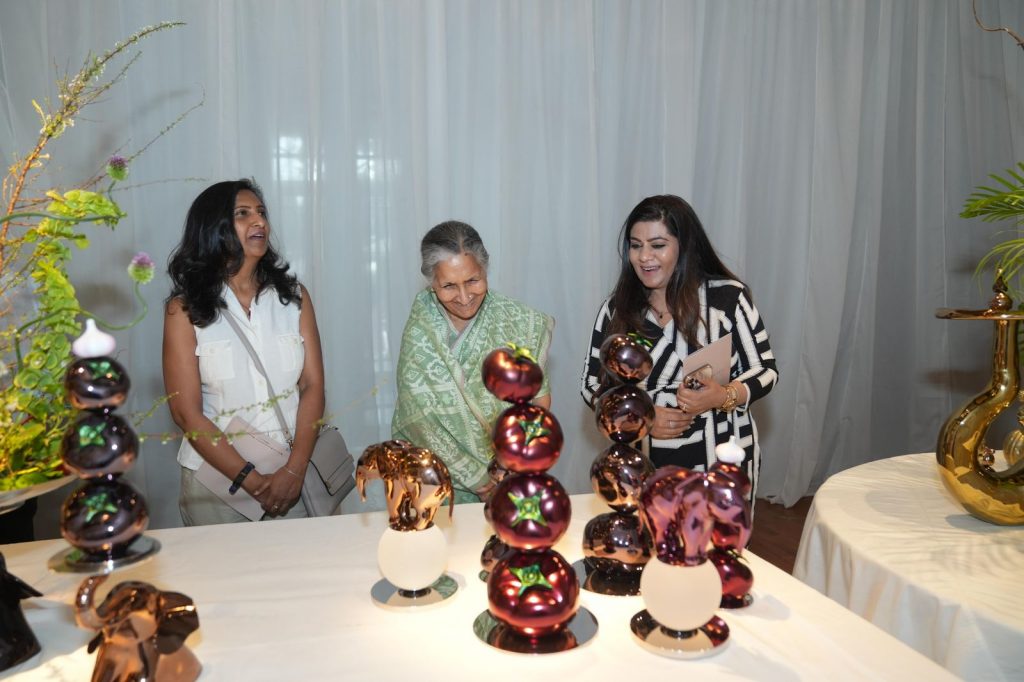
This collection bridges French design and Indian cultural context, how did you navigate that intersection?
JL: I approached this by seeking the universal truths found in nature. While the tomato and the eggplant are staples of the Indian landscape, their forms are globally recognizable. By observing these familiar symbols through the lens of a French designer, we have created something that feels equally at home in a Parisian atelier as it does at a vibrant Indian dinner table. It is a conversation between cultures, held in the language of design.
The pieces feel both sculptural and functional, were they conceived first as artworks or objects of use?
JL: I view these pieces as poetic objects, where the boundary between sculpture and utility is intentionally softened. Though they began as artistic explorations of botanical forms, they were always destined for the intimacy of the home. A piece only feels truly realized when it serves a dual purpose: a beautiful object for contemplation and a functional companion for the table.
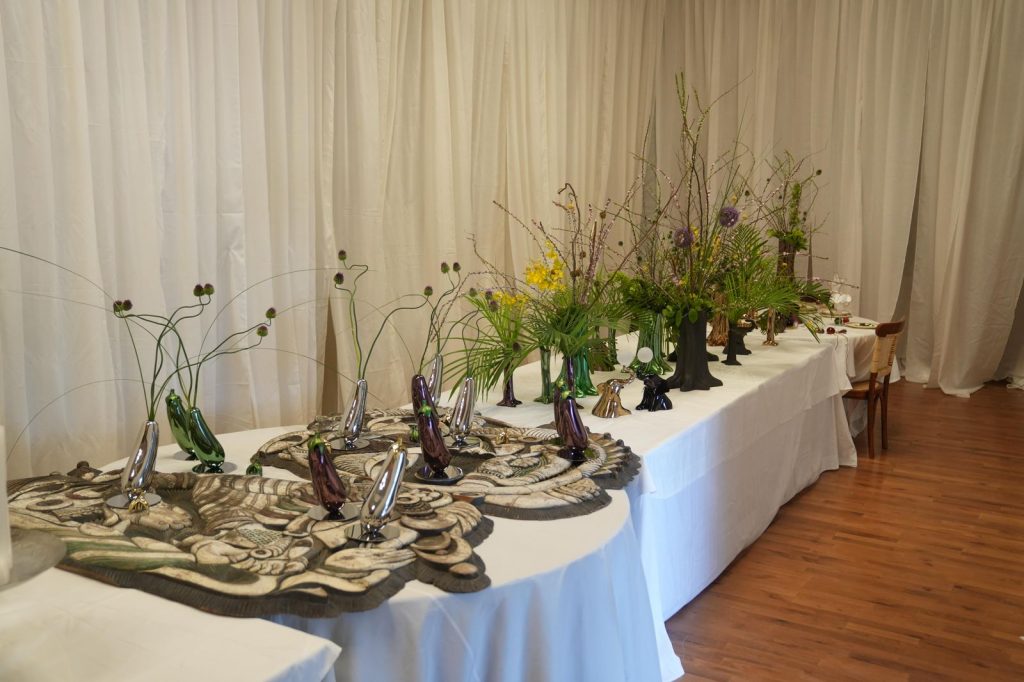
How do you envision people interacting with Playful Playfood, as collectible art, or as part of everyday dining rituals?
JL: My hope is that these pieces become living art within your home. I envision them integrated into the daily rhythms of life, perhaps cradling flowers or serving a meal, while also being cherished as sculptural collectibles. They are not intended to be cold artifacts of stainless steel kept behind glass; they are meant to be touched and used as part of your own story.
In a world increasingly driven by function, do you believe design needs more poetry and imagination today?
JL: In an age often dominated by cold efficiency, poetry is not a luxury, it is a necessity. We are surrounded by things that work, yet we often starve for things that move us. I strive to create design that invites you to pause, to breathe, and to engage your imagination. That quiet, transformative experience is exactly what I wanted this stainless steel collection to provide.