From Loom To Living Room: The Journey Of Indian Textiles In Urban Homes
Indian textiles carry stories of place, material, and skilled hands. As they move from traditional looms to contemporary homes, they bring tactile depth and quiet character into modern living spaces
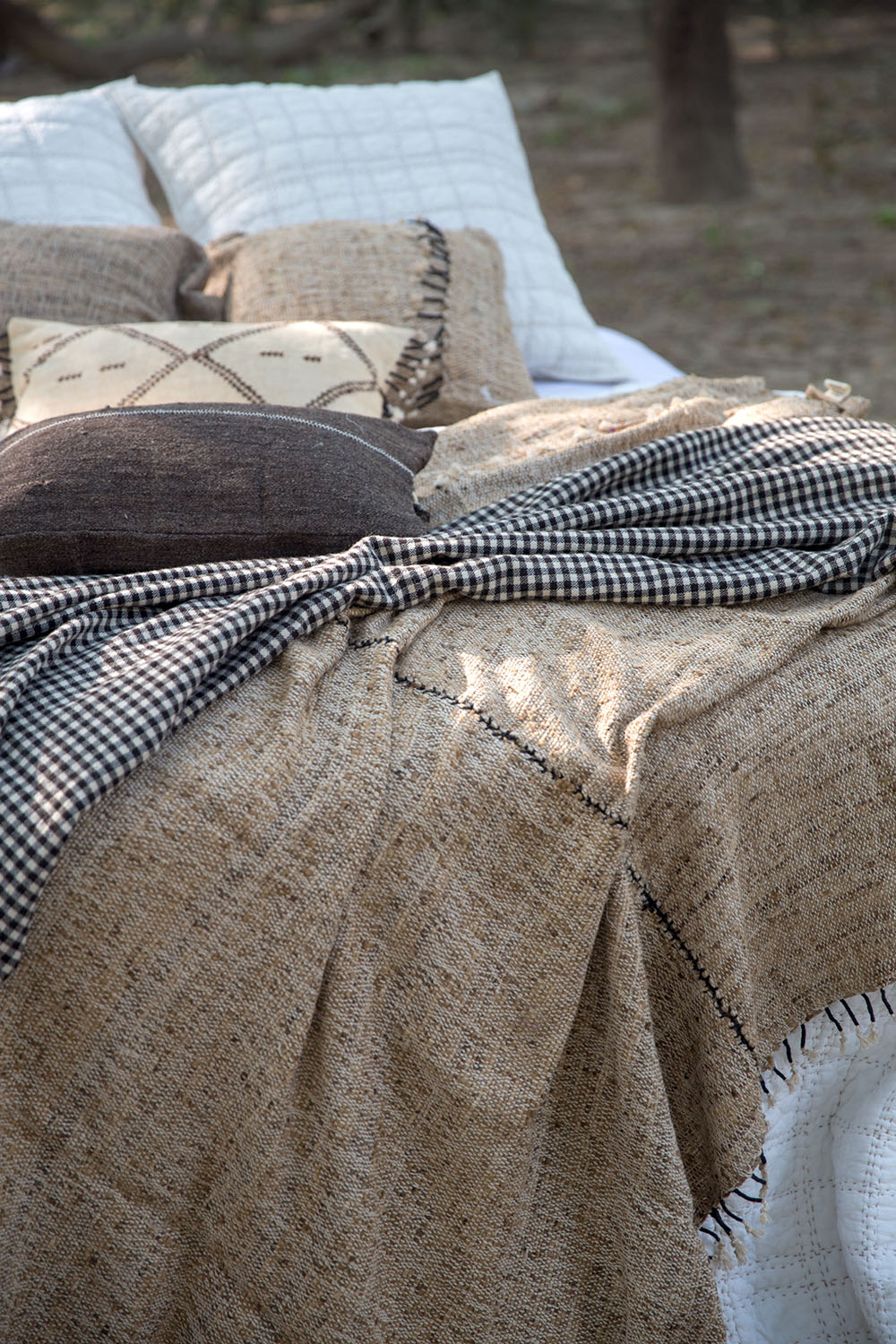
Indian textiles carry with them a journey, beginning in regions shaped by material and tradition, and gradually finding their place within urban homes. This journey is often revealed in the quiet details of a space. In a single corner of a room, it may unfold across a bed layered with textiles from different parts of the country, each bringing with it its own material, landscape, and story.
Beyond Fabric: The Beauty Of Indian Textiles
What gives a textile its character is often not perfection, but the subtle variations within it like the slight irregularity of a yarn, shifts in tone, or a depth that draws you in over time. In Indian textiles, every material carries a quiet individuality. Tussar silk from Bhagalpur, for instance, has a soft, natural sheen, with tones that move gently across the weave. These variations are not imperfections but traces of origin, shaped by nature and process.
Within the same space, a woollen textile may carry the imprint of the hills it comes from. Its warmth is enriched by natural dyes and the inherent colour of indigenous fibres, each strand holding something of its landscape. A cushion from Kutch brings with it a texture that resists uniformity, its surface shaped by both fibre and hand that have worked with it.
Seen together, these textiles begin to reveal a larger story. Each one comes from a distinct region and tradition, yet they come together with a certain ease. Different places, different skills, different materials and yet they sit alongside one another effortlessly. That coming together is what gives Indian textiles their strength, a quiet form of syncretism that allows for harmony without sameness.
Also Read: Threading The Margins Into The Mainstream With Manipur’s East Label
Let Textiles Speak Their Story
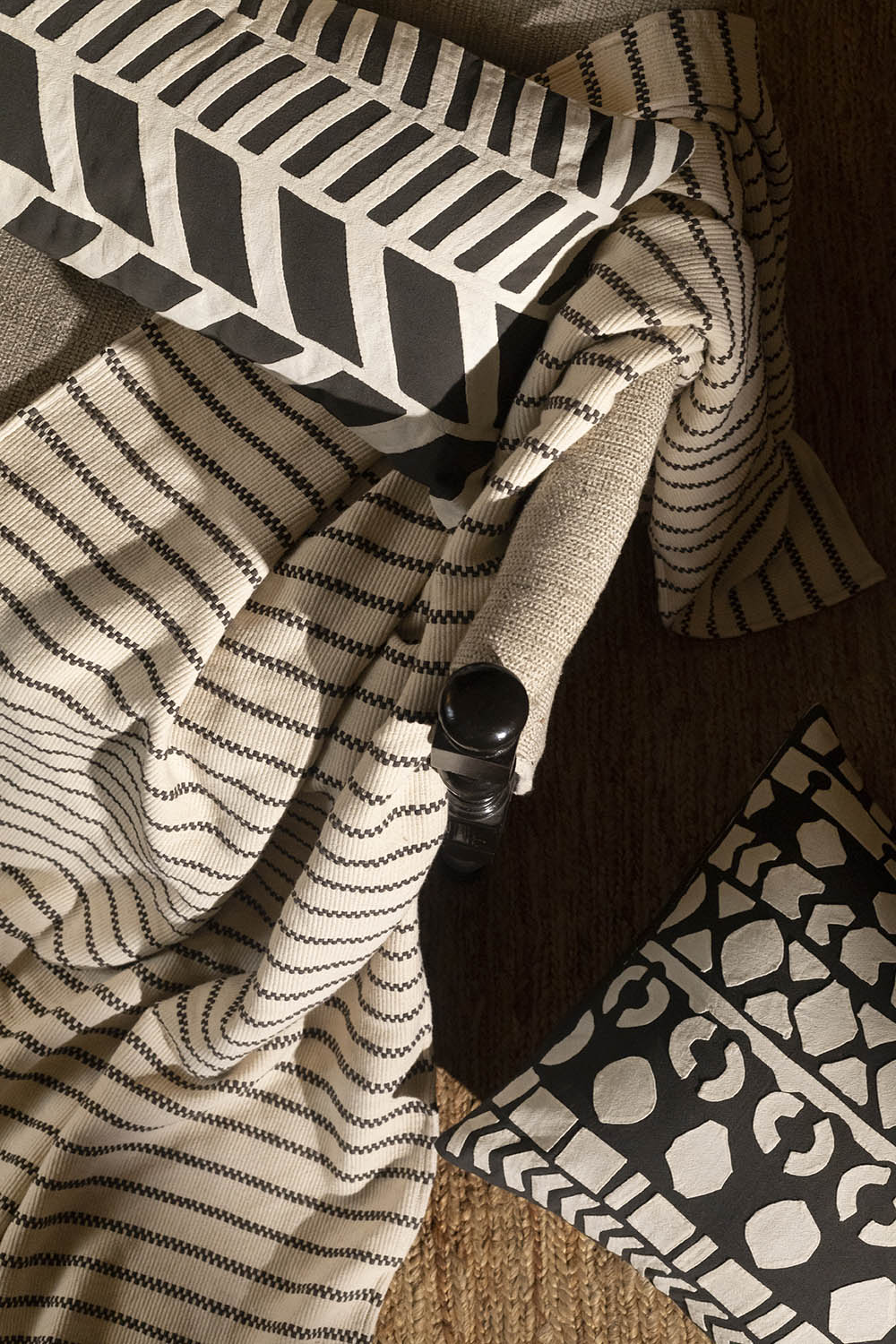
The impact of such textiles is not only visual, it is also tactile and emotional. The real understanding of a textile often comes when you touch it, when you feel the weight of the yarn, the rhythm of the weave, the grain of the fibre. Over time, these things become instinctive. With experience, it becomes easier to recognise what is truly indigenous and what is not. But that awareness begins with observation.
When you start noticing the finer details around you, your relationship with materials changes. It might be the variations in a piece of wool, the unevenness of a handwoven cloth, or even the colours and veins of a fallen leaf. These small details hold an extraordinary beauty when you take the time to notice them. Textiles become especially meaningful because they are objects we live with closely. Whether in clothing, bedding, or the fabrics within our homes, they become a part of us. Knowing what touches your skin comes from a craft, a place, and skilled hands, which gives it a deeper value.
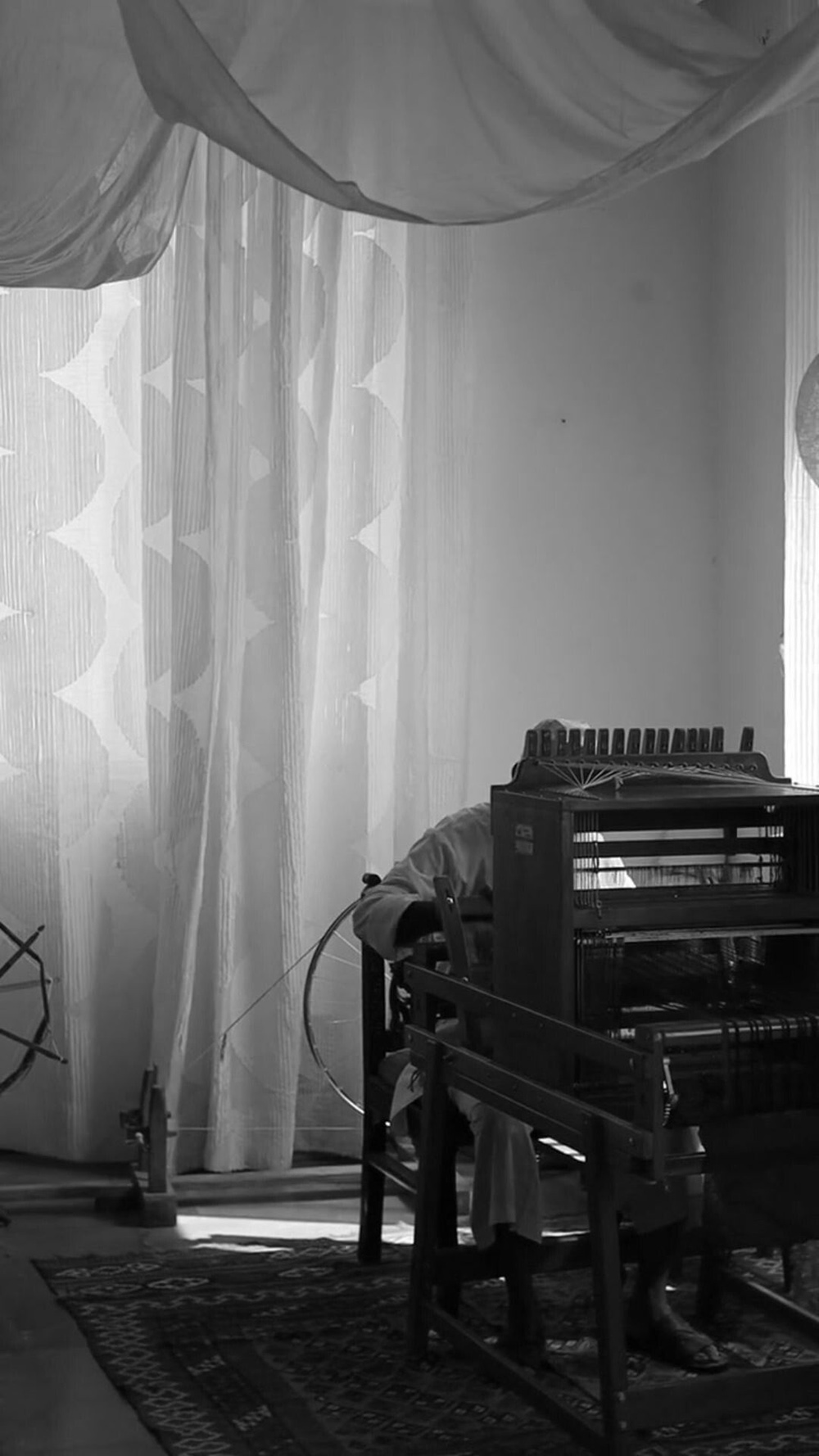
Working with textiles often involves a balance of tradition and exploration. At the heart of this process are skilled weavers who bring decades of technical expertise and a deep understanding of materials such as cotton, wool, and silk. At the same time, the practice is not limited to what is familiar. New materials like metal, raffia, and even discarded fibres are gradually introduced into the loom, expanding the possibilities of what textiles can become. This creates a process of discovery in which technique and material inform each other. A yarn may take on a new role, and a weave that was once purely functional may become more expressive. These shifts are often subtle, but they play a significant role in shaping the textile before it enters a living space.
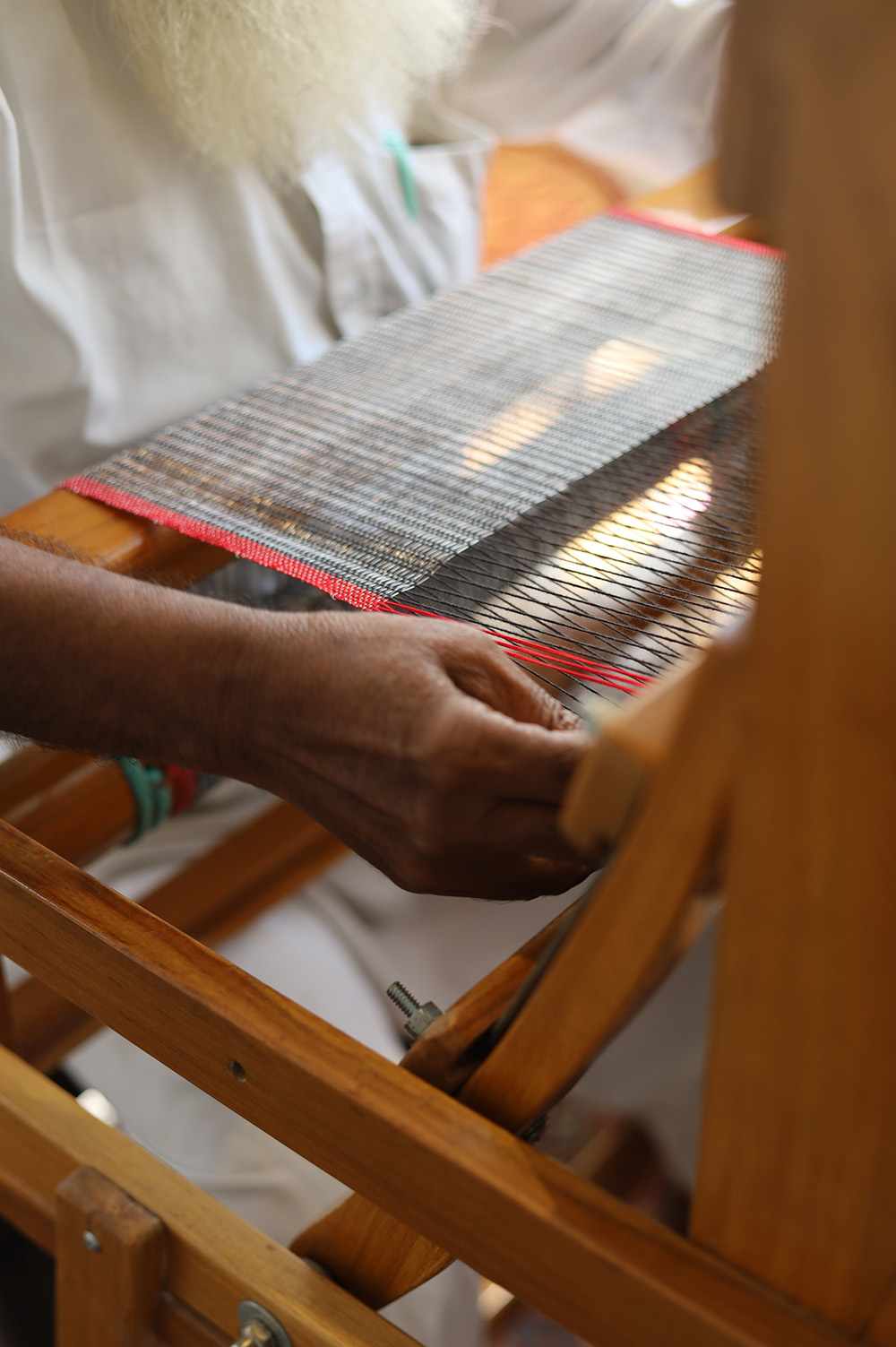
What becomes truly interesting is when a familiar material begins to be seen differently. A yarn that once had a very specific role can take on a new identity. A weave that was purely functional becomes something expressive. This is where experimentation with textiles becomes exciting. The process of making is essential. It keeps the craft disciplined and grounded. But the outcome carries its own excitement. When something unexpected emerges from the process, it allows you to understand the material and the craft in a completely new way.
Experimenting With Textiles
For many of us who work closely with textiles, this relationship goes beyond profession.
It becomes deeply personal. Textiles are not simply products or business decisions. They are something we choose to work with because they bring joy and bring us closer to humanity. There is always something new to discover, a new surface, a new combination, a new way of seeing a familiar craft. And of course, craft takes time. Good things rarely happen quickly. They require patience, experimentation, and persistence. But when people respond to what you create, when they bring it into their homes and begin to live with it, that is when the work finds its meaning. A throw across a bed. A cushion in a room. A textile that quietly becomes part of everyday life. That is where the journey continues.
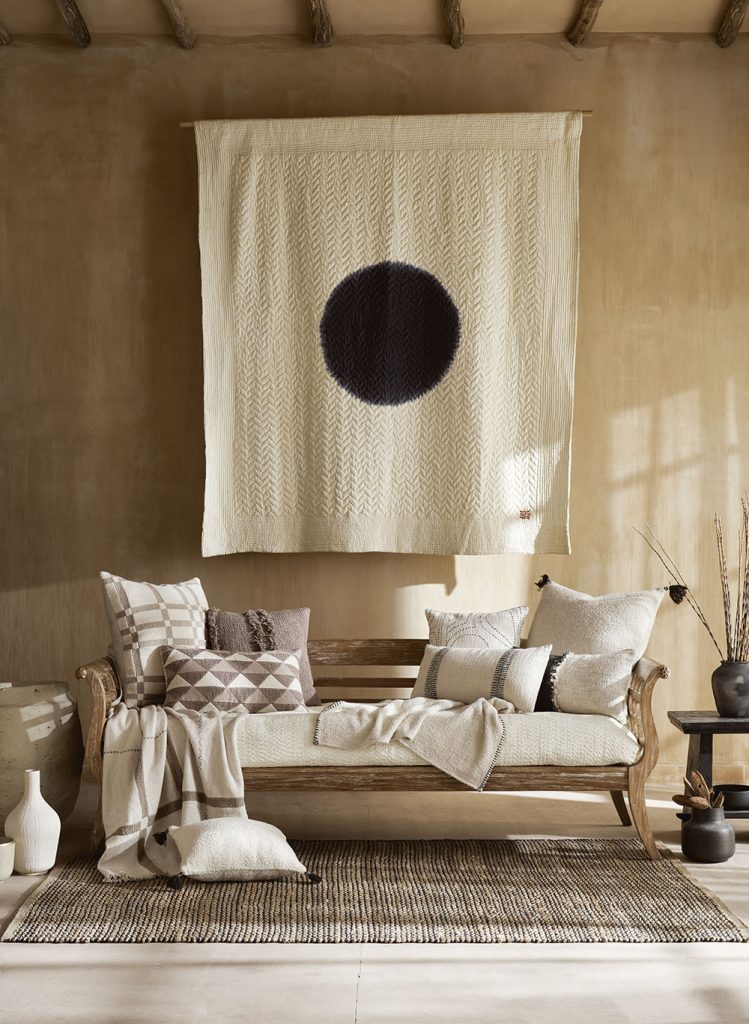
Indian textiles hold immense possibilities. The same craft can be reinterpreted over time, each iteration revealing something new. What feels especially relevant today is how naturally these textiles settle into contemporary urban homes, bringing with them a sense of depth, material honesty, and continuity.
Two very different worlds come together. A traditional craft in a modern living, and yet they fit in together remarkably. A textile that begins its life on a loom in Bhagalpur, Kutch, or the hills eventually becomes part of a city home.
With it, it carries the memory of the hands that made it and the landscape it came from.
From the loom to the living room, the journey continues.
Also Read: Turning Discarded Wood Into Art: The Sustainable Journey Of A Naga Design Duo
Mandeep N. Housego is the Creative Director at Shades of India, where she leads design across the brand’s apparel, home textile, and bespoke interior collections.