Why Terracotta Is Trending For Summer Home Décor, Kitchenware And Tableware
Terracotta, the humble clay craft is tied to India’s identity. What once was a staple in traditional Indian homes, is observing a revival in summer months for its cooling properties, salubrious and eco friendly material, making it a choicest pick for home decor, contruction, cookware, and tableware
As temperatures climb each summer, people begin to rethink their lifestyle choices. Lighter meals take over spicy ones. Breathable cottons, linens and muskin replace winter wear. Homes are adorned with creepers and indoor plants, and a constant search begins for keeping homes cool in the summer. Every decision we make sparks summer lifestyle trends.
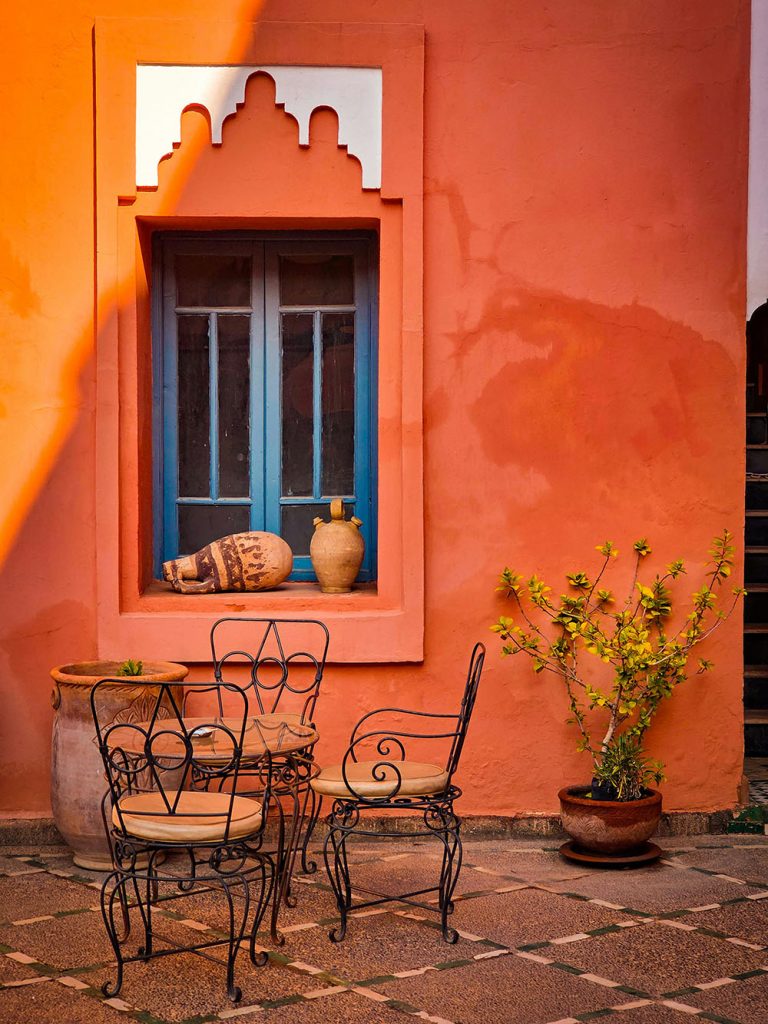
As we enter the scorching heat, one material that is quietly finding its way back into kitchens and home living spaces is terracotta. The humble, earthy clay that once defined traditional Indian homes, generations ago, is being revived in current times as interior designers, architects, celebrity home stylists and homemakers are valuing it for comfort, durability, nostalgia and most importantly, its cooling properties.
The ‘Cool’ material
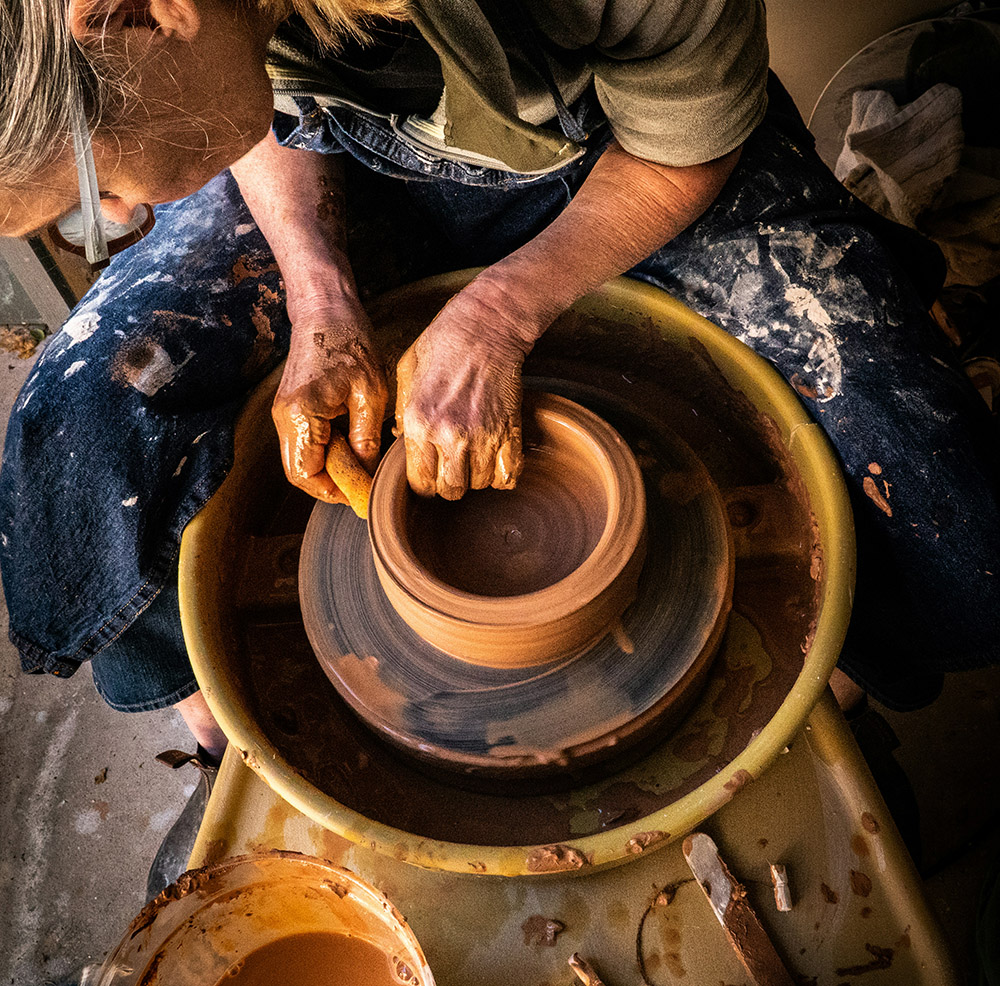
Terracotta, which literally means “baked earth,” is made from natural clay rich in minerals like silica, iron, and alumina. Once shaped and solidified in fire, the clay becomes porous while still retaining strength. This porous quality adds to its cooling properties.
When water is stored in terracotta vessels or when air moves around terracotta surfaces, slow evaporation occurs through the tiny pores. This natural process lowers the temperature of the contents or the surrounding air. It is the same principle that made the traditional earthen pot(matka) a summer essential in Indian households for generations. It provides a kind of cooling that is gentle, natural, with an earthen scent that makes one feel refreshed during hot months.
India’s Local Identity
Across India, terracotta is more than a material; it reflects local identity, climate adaptation, and artisanal heritage. Each region shapes it differently, but the underlying idea remains the same: using earth in a way that supports both everyday life and cultural expression.
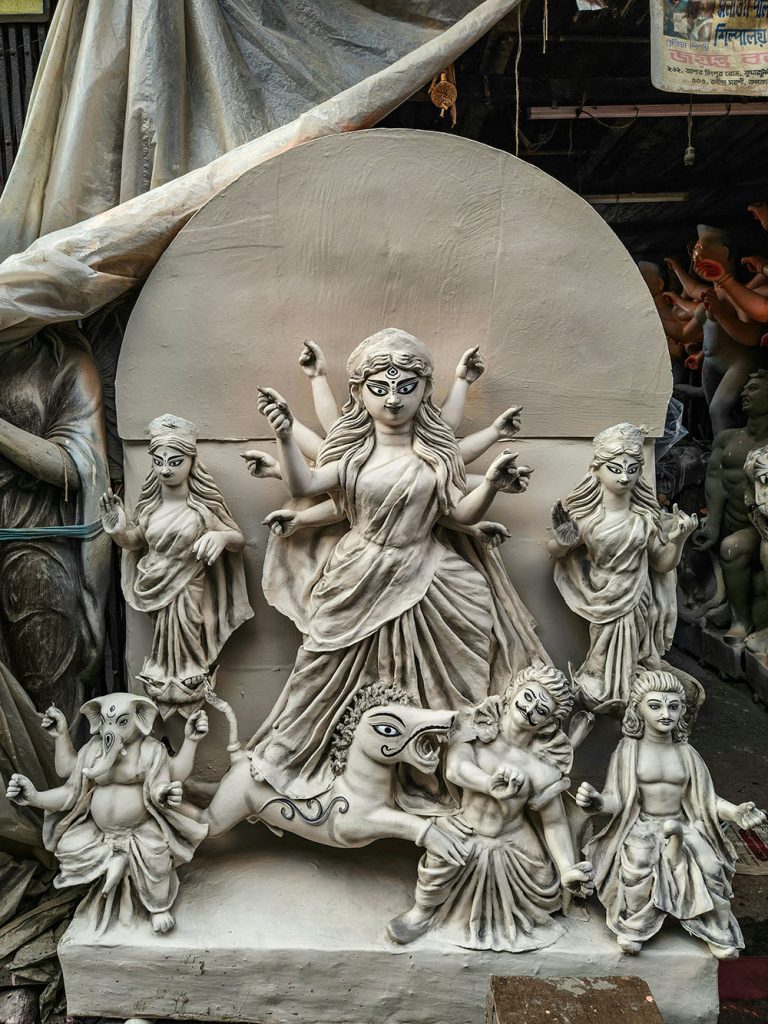
For instance, in Eastern India, terracotta is deeply linked to faith, festivals and temple architecture. During West Bengal’s Durga Puja, clay idols are crafted from river soil, symbolising the cycle of creation and dissolution. Terracotta, locally known as Mruttika, in Odisha, has over 10,000 artisans across the state creating both daily use and decorative items such as clay toys, masks, clay jewellery, roof tiles and more. In Western India, such as Rajasthan and Gujarat, terracotta has historically been used for climate-responsive architecture. Homes incorporate terracotta tiles, jaali screens, and earthen pots to keep interiors cooler in dry, hot and desert climates. Across Northern India, terracotta diyas and figurines play an important role during festivals like Navratri, Dhanteras, and Diwali.
The use of clay cookware and storage vessels is also a long-standing tradition in these regions. Among many tribal communities in states like Madhya Pradesh, Chhattisgarh, and Maharashtra, terracotta plays an important role in rituals and storytelling. Clay figurines representing animals, deities, and ancestral spirits are used in seasonal local festivals related to nature and agriculture. In many villages, terracotta utensils are used for grain storage, cooking, and everyday tools.
Benefits of Terracotta cookware
As people become health-conscious, terracotta cookware has gained renewed attention for offering non-toxic and chemical-free cooking. Cooking in terracotta also allows slow and even heat distribution. It enhances the taste and texture of food. The porous structure helps retain moisture in dishes, often resulting in meals that are softer and more aromatic. Many chefs and home cooks note that traditional recipes like gravies, dals, or slow-cooked vegetables taste closer to their authentic form when prepared in clay vessels.
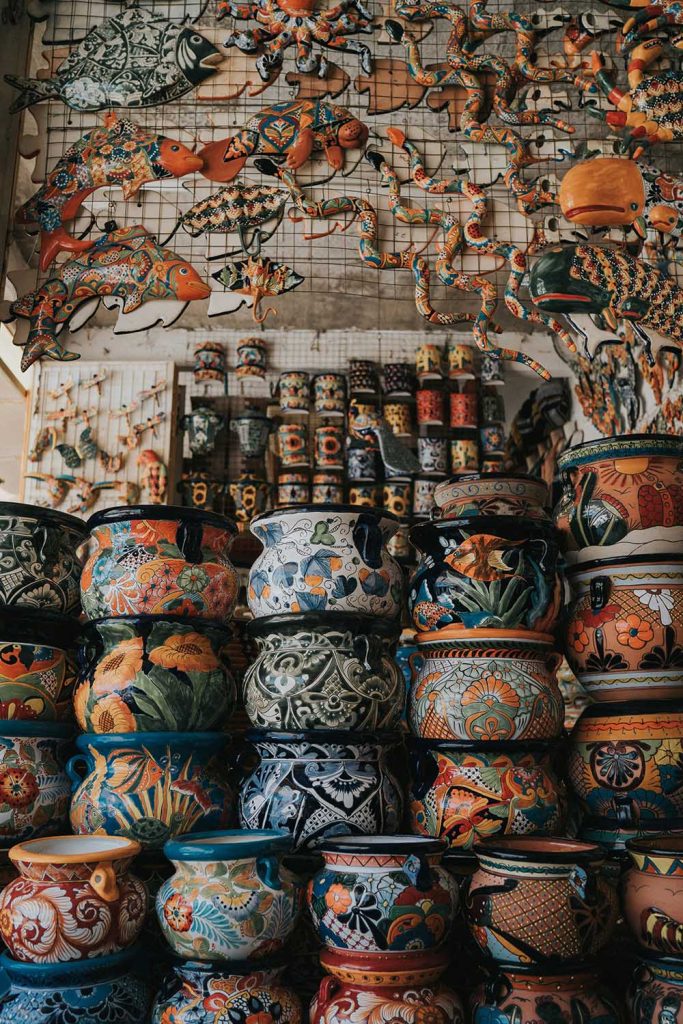
Another advantage is that terracotta can retain nutrients better during slow cooking, as it requires lower heat compared to metal utensils. In summer, when lighter meals are preferred, terracotta cookware complements seasonal eating habits.
Climate Friendly
Summers call for excessive usage of AC, refrigerators, and other cooling devices. However, they contribute to global warming through high energy consumption and the leakage of harmful greenhouse gases. Terracotta proves to be a natural cooling material. It is biodegradable and eco-friendly, as it easily returns to the earth. Also, making terracotta products requires significantly lower energy compared to plastic or metal alternatives. For many households looking to make conscious lifestyle choices, this adds to its appeal, making it a suitable material for house construction, kitchenware and home essentials.
Terracotta ideas for homes
Architects and interior designers often recommend terracotta for areas where temperature control and breathability matter most. You can use terracotta tiles in courtyards, balconies, and living spaces in warmer climates. Terracotta ceiling panels or filler slabs can reduce heat transfer from rooftops, making interiors feel more comfortable.
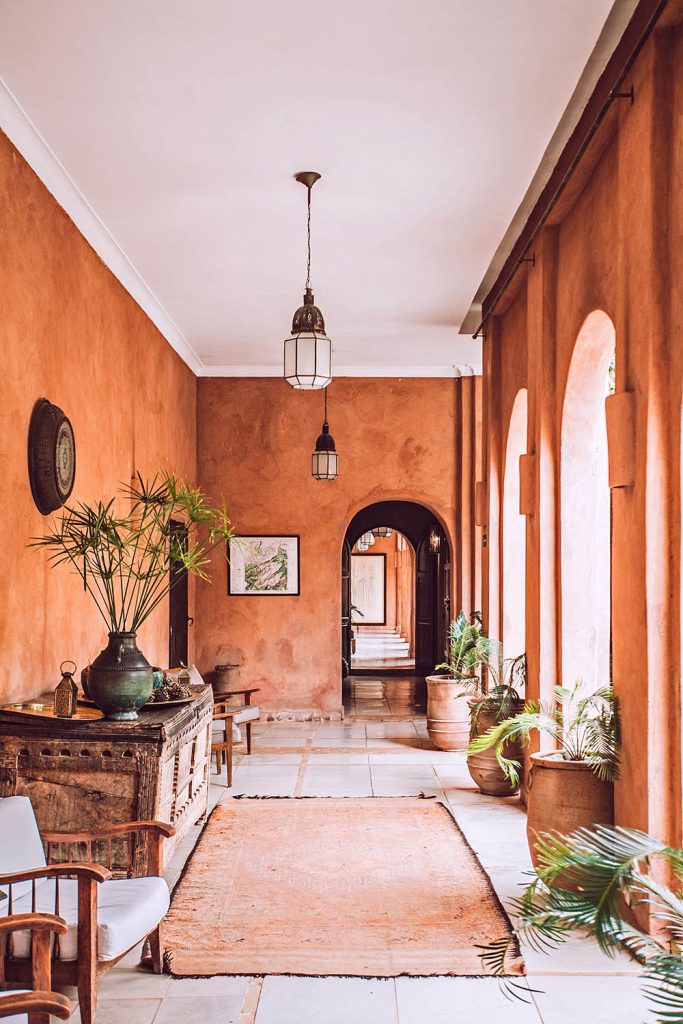
Cladding walls with terracotta bricks or tiles helps regulate temperature. Terracotta-made garden pathways, patios, and terraces will make each space cooler for summer living.
Terracotta Brands in India
As summers are becoming hotter, and lifestyles are becoming more fast-paced, there is a growing appreciation for materials that feel both natural and restorative. Terracotta answers that need quietly, bringing a sense of grounded beauty into everyday life. If you’re planning to buy terracotta home essentials, cookware or home decor, look no further than this list:
Jaypore Home – For terracotta décor, tableware, and wall pieces
Ikai Asai – For handcrafted terracotta tableware and design-led home objects.
Good Earth – For artisanal terracotta serveware and pottery
Anantaya Decor – For terracotta décor and lifestyle pieces like cookware, tableware, furniture, and planters
Orvi – Handcrafted terracotta lifestyle products
Ellementry – For terracotta serveware, cookware, gifting and decorative objects
Me Meraki – Indian terracotta wall art and murals