How Lindt Home Of Chocolate Brings Switzerland’s Chocolate Legacy To Life
Chocolate wasn’t an exhibit here; it was the heartbeat of the entire building. If ever there was a way to properly honour World Chocolate Day, this was it
When ‘Roald Dahl’s’ iconic ‘Charlie and the Chocolate Factory’ was reimagined into a film, it felt like a dream, the kind that left every wide eyed child (and adults ) secretly plotting how to be a part of the story. The chocolate river? That glossy, molten fantasy? It had me firmly convinced that Willy Wonka’s factory wasn’t just a place, it was a destiny. Hygiene be damned, I’d have swan dived straight in. So when I stepped into the Lindt Home of Chocolate in Kilchberg ZH, a swift 13 minute bus ride from Bürkliplatz, my jaw dropped.
The iconic domed atrium greeted me like an edible cathedral, centred by a glistening 30 feet tall fountain (read the World’s largest Free standing) spouting endless rivulets of chocolate pouring over an enormous LINDOR Truffle. It’s not quite Willy Wonka wild, but it’s close, minus the Oompa Loompas. It looks almost too glossy, too smooth to be true. But it’s real enough to tempt even the most disciplined visitor. It’s 49% dark chocolate, no sugar, no milk powder, the pure stuff, warmed to a velvety 40°C (104°F). Through a labyrinth of 100 meters (328 feet) of pipework and a one ton buffer tank, this mesmerising flow is maintained for a year before it, well, let’s just say it retires gracefully to an energy recycling bank. Here, time seems to melt like a Lindt truffle. I lingered there longer than I’d care to admit.
Switzerland’s Sweetest Legacy
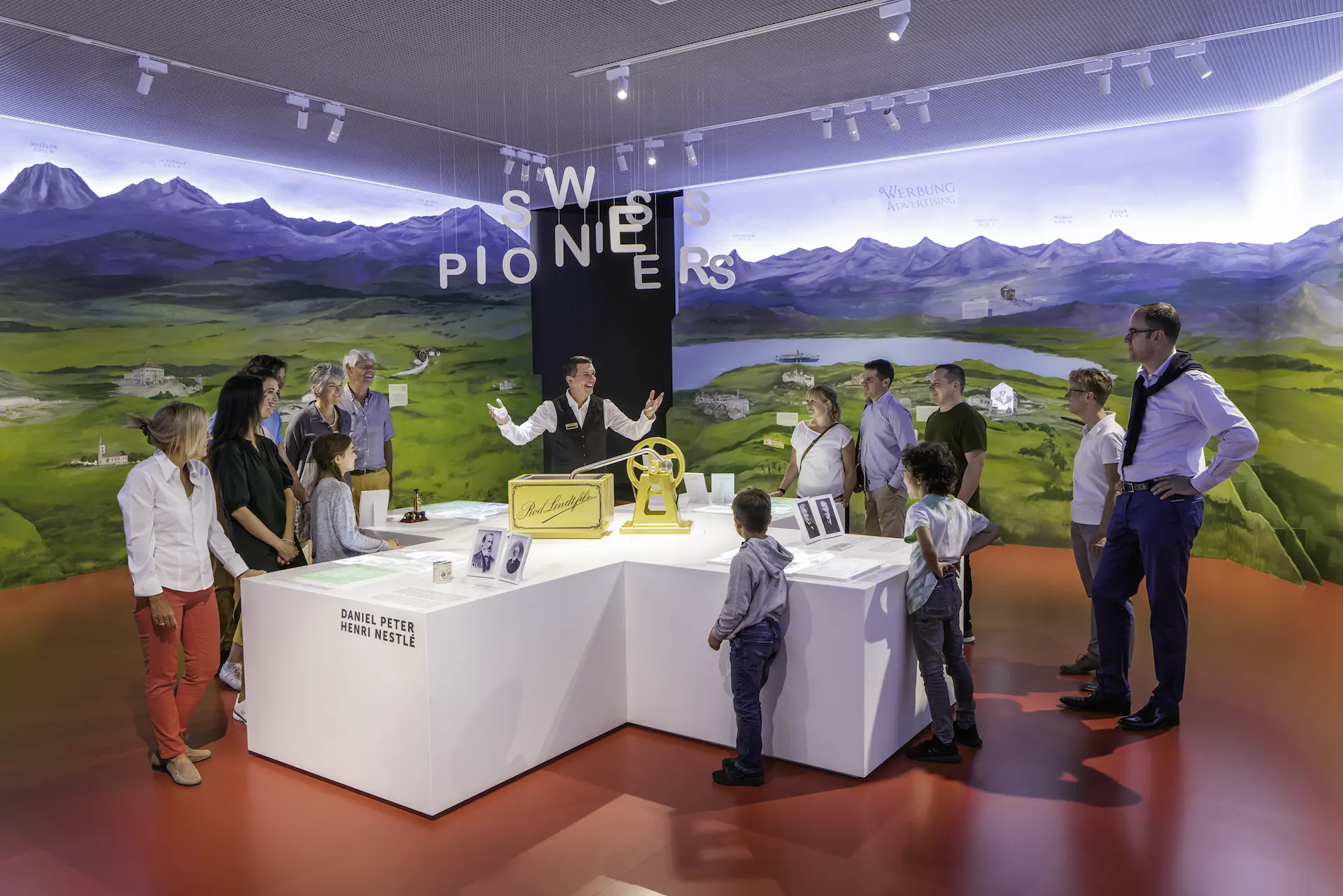
I took a 90-minute guided tour, and you can also do a self-guided tour with a guide in six languages. The culinary voyage began in the thick forests of Ghana; here, I learned how cocoa is produced, processed, and turned into Lindt chocolate while promoting sustainability and helping Fair Trade farmers. The bitter, frothy beverage known as ‘xocolatl’ was revered by the Mayans of ancient Central America. After a conflict with the Aztecs, Hernán Cortés brought it to Spain in the 15th century. Naturally, European palates yearned for sweetness; sugar and honey worked their magic, and chocolate quickly won royal favour.
When France’s King Louis XIII married Spain’s Anne of Austria, the secret recipe spilled into Europe, where it became a symbol of indulgence. As I walked further, it was hard not to feel like Charlie in a Swiss version of ‘Willy Wonka’. The air was heady with cocoa, rich, nutty, and seductively sweet. But it’s not just the aroma that pulled me in, it’s the stories behind each bar, ball, and bite that make chocolate history all the more delicious. Take Conrad van Houten, the 19th century alchemist of the chocolate world. His invention of a press to separate cocoa butter from the beans was nothing short of revolutionary. Without it, the chocolate as we know it might still be gritty, greasy, and clumsy, decidedly less tempting.
Also Read: Why The Leela Palace Chennai is Your Perfect City Coast Escape?
The Swiss refined the art further. By law, only cocoa butter is allowed as the fat in chocolate here, a sacred purity that seems to echo in every velvety bite. Then came Phillippe Suchard, an early Marketing genius, wrapping Milka in its now iconic lilac packaging, instantly turning it into a household name. And Cailler, the Swiss innovation king who boldly turned chocolate into bars, bars you could break, savour, and tuck into your bag. His company still produces chocolate as the oldest brand in Switzerland. But my personal favourite was the Rodolphe Lindt, the accidental hero of smoothness. The man forgot to turn off his conching machine over the weekend, and like most genius discoveries, it was pure serendipity. Water gently evaporated, acids softened, and out poured the silkiest chocolate the world had ever tasted.
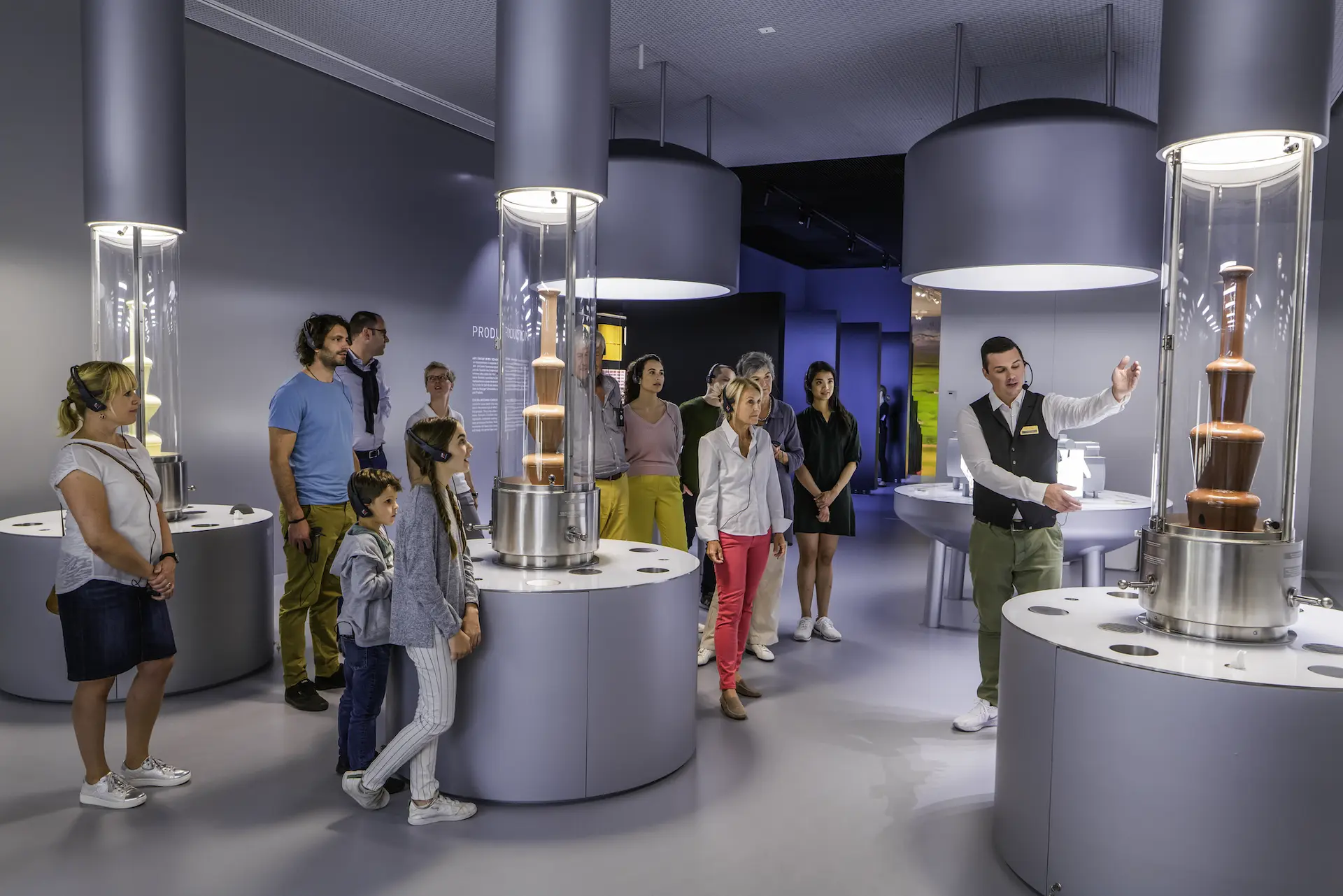
Fast forward to 1969, and the LINDOR Truffle was born, marketed first as a festive bauble. Now over 6 billion of those crave worthy spheres roll off the factory floor every year. But let’s talk fountains, yes, plural (Dark, Milk and White Chocolate). Every guest is encouraged to dunk, dribble, and swipe at the gloriously endless streams with spoons, sticks, or pure audacity.
And if fountains aren’t your thing, there are also chocolate tubes. I almost hesitate to call them tubes, they’re more like futuristic dispensers of joy. Place your hand underneath, and Hey Presto… a piece of chocolate drops straight into your hand, like childlike magic wrapped in confectionery genius. The grand finale? A line up of eight LINDOR Truffles, each more tempting than the last, the red classic happens to be my guilty favourite, though the hazelnut runs dangerously close. You’re not just allowed, no, encouraged, to try all of them.
Crafting Cocoa Dreams
But here’s the kicker; you don’t just stand by and watch. This is immersive magic. I donned a Chef Cap and Hat and enrolled for a masterclass (why just eat chocolate when you can make it?). Under the watchful eye of Lindt Home of Chocolate’s expert chocolatier Dimitri, I learned to temper chocolate until it gleamed like polished mahogany, filled delicate truffles with ganache that hinted at raspberry, and even moulded my own custom bar. Temperamental work, yet somehow meditative, a blend between science and art. I left with and leaving with my own personalised creations and a newfound appreciation for every glossy Lindt wrapper I’d ever unwrapped. And yet, there was more.
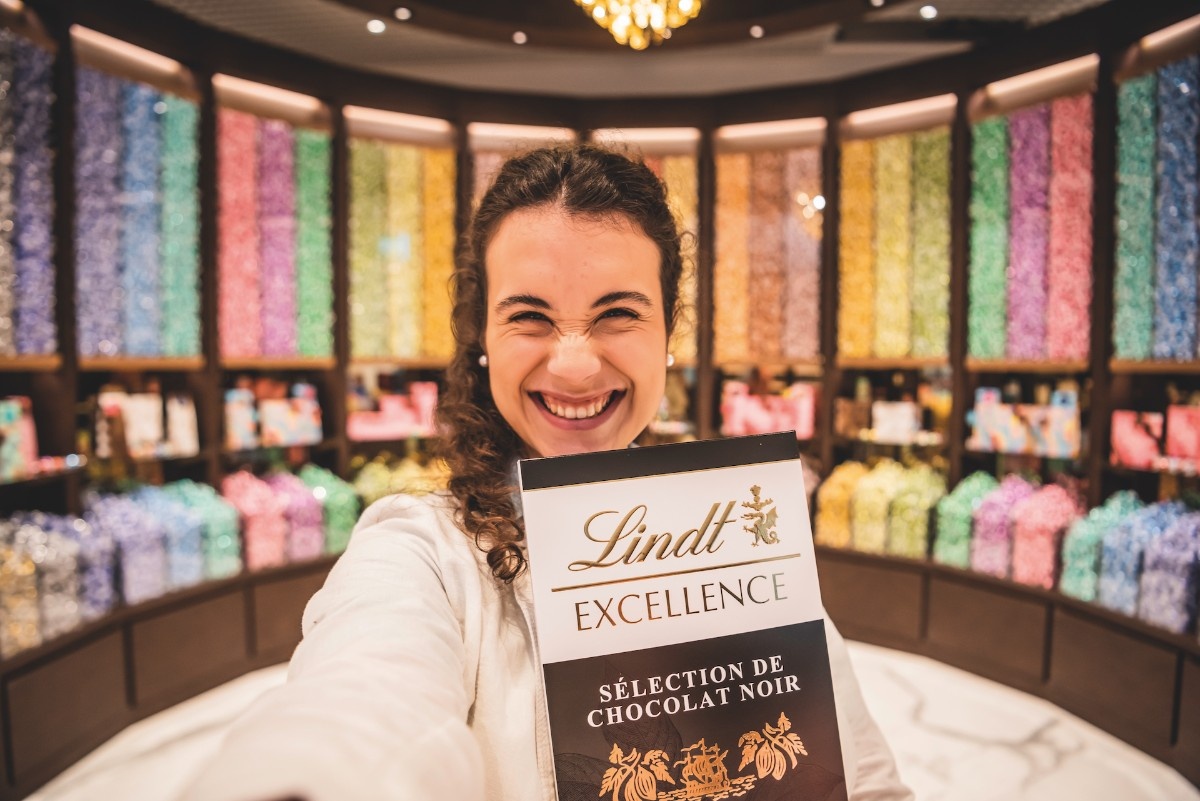
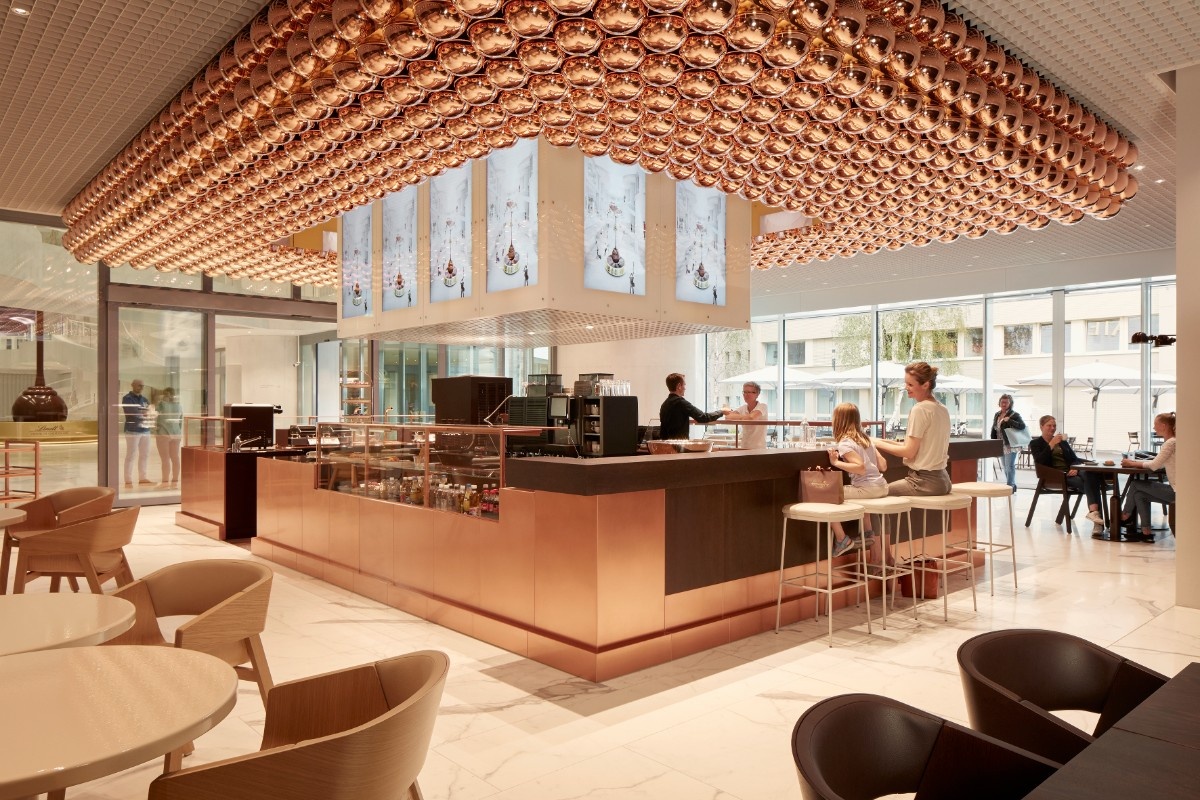
The pièce de résistance is a post tour spree at the world’s largest Lindt shop, followed by an espresso and truffle affair at Café Lindt Home of Chocolate. One bite, and it’s pure symphony, sweet, rich, unapologetic. Switzerland may have its mountains and meadows, but on World Chocolate Day, this, this was utopia.
Where? Schokoladenplatz 1, 8802 Kilchberg.
Getting There? Either by public transport (Great to have a Swiss Pass/ Zurich Pass Handy) for easy travel or a 15 minute drive from the South of Zurich by car.