Exclusive: Atul Kasbekar On HONEST, AI, The Kingfisher Calendar And Future Of Photography
Photographer Atul Kasbekar discusses HONEST, authenticity, AI, the Kingfisher Calendar and the evolution of luxury in an exclusive Outlook Luxe interview.
For over three decades, Atul Kasbekar has remained one of the defining forces behind India’s visual culture. From creating some of the country’s most recognisable advertising campaigns to transforming the Kingfisher Calendar into a cultural phenomenon, his photographs have shaped the way generations have viewed fashion, beauty and celebrity. His lens has long been synonymous with aspiration—polished, cinematic and unmistakably iconic.
But after a career spent perfecting images, Kasbekar has found himself drawn towards something far less manufactured. His latest exhibition, HONEST, marks a deeply personal shift, one that strips away digital retouching, glamour and performance to reveal something increasingly rare in today’s image-saturated world: authenticity. Featuring portraits of some of India’s finest actors, the series captures the fleeting moments before a performance begins and after it ends—those quiet instances where the individual briefly emerges from behind the persona.
The evolution feels both surprising and inevitable. Having spent years photographing faces, Kasbekar speaks of becoming less interested in creating aspiration and more invested in uncovering personality. It is a philosophy that extends beyond photography. In an era shaped by artificial intelligence, endless content creation and shrinking attention spans, he argues that technology may change, but the power of intention never does. A great photograph, he believes, still possesses the ability to make people pause, observe and feel.
Also Read: Digital Cover: Michelle Poonawalla On Redefining Legacy In Modern India
In this exclusive conversation with Outlook Luxe, Atul Kasbekar reflects on the making of HONEST, the enduring legacy of the Kingfisher Calendar, the opportunities and anxieties presented by AI, and why, after decades behind the camera, his greatest pursuit is no longer perfection but presence. The result is a rare glimpse into the mind of a photographer who has spent a lifetime shaping how we see, and who is now asking us to look a little more closely.
HONEST: Portraits of Character, his first solo exhibition is on view at Jio World Plaza till July 5
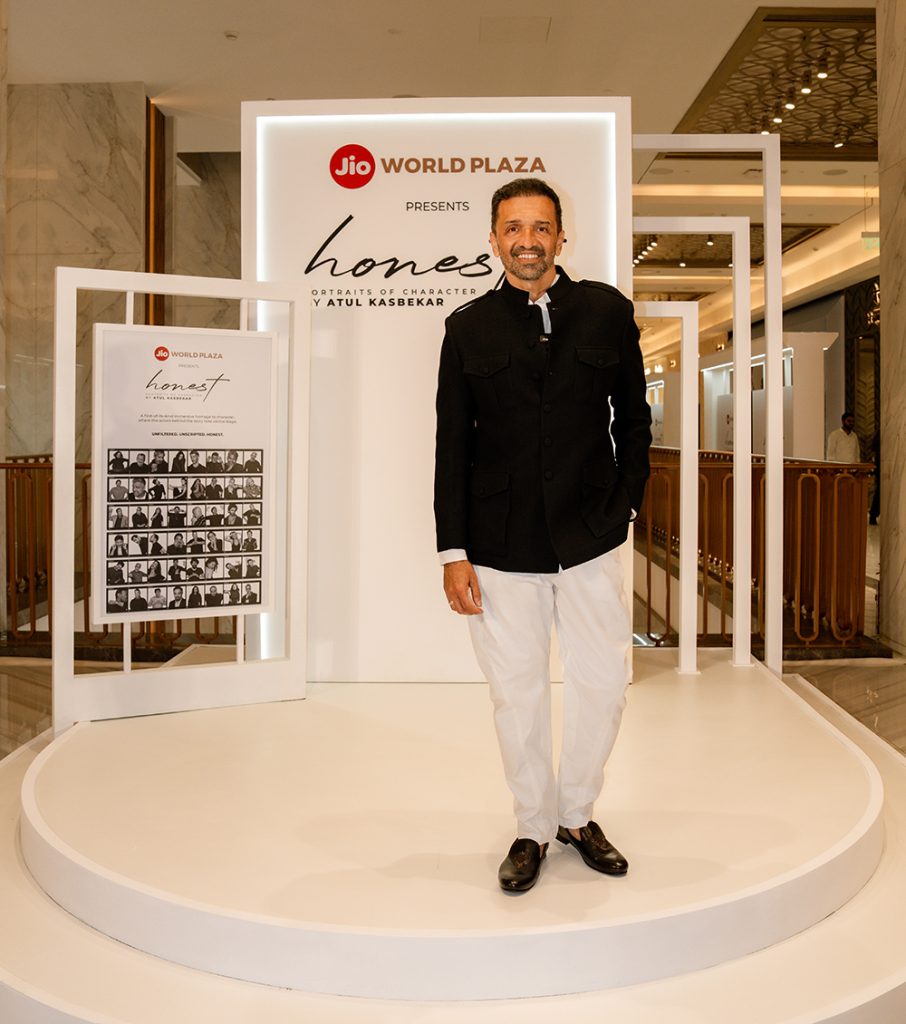
After decades of creating some of India’s most iconic commercial and fashion imagery, what prompted the shift toward HONEST?
Ironically, the idea came from standing behind a monitor in my role as a producer, rather than with a camera in my hand.
Watching these actors work up close was extraordinary. The depth, nuance and emotional precision they bring to performances is something audiences rarely get to see because the finished frame belongs to the character, not the actor.
HONEST became my quiet salute to that craft. A chance to remove performance and reveal character.
The title itself suggests vulnerability and truth. What does “honesty” mean to you as a photographer today?
Commercial photography by design is often in pursuit of perfection. Agencies, clients and photographers collectively spend a fair amount of time making things look more polished, more aspirational, more ideal. I’ve been a willing accomplice in that process for over three decades.
No judgement at all. It’s simply the nature of the business.
But this felt like a good moment to do a complete 180°. HONEST became an intensely personal body of work with zero digital correction on skin, texture or blemishes. The idea was not perfection. The idea was presence.
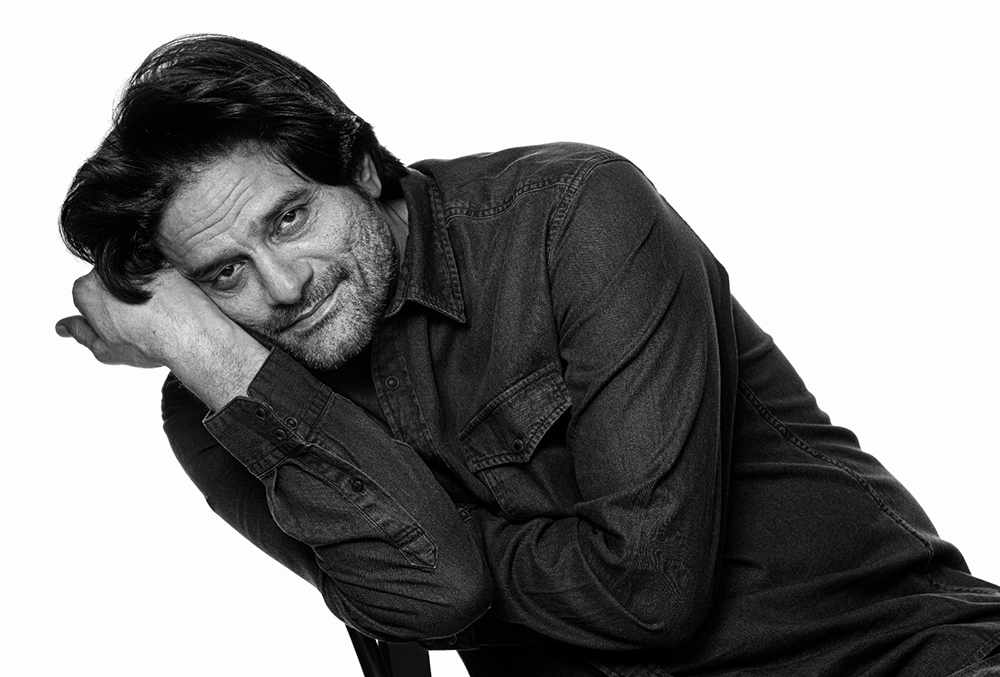
Was there a specific moment or image that made you realise you wanted to pursue a more personal body of work?
A significant amount of my work today involves corporate portraiture, so I spend an unreasonable amount of time staring at faces.
Looking back, I realised that work became the bridge between my hyper-glamorous advertising years and HONEST.
The transition wasn’t dramatic. It happened gradually. Less interest in creating aspiration, more interest in revealing personality.
Also Read: India’s Next Luxury Movement Is Rooted In The Past
How does HONEST differ from the visual language people typically associate with Atul Kasbekar?
Probably because people associate my work with polish and glamour, HONEST may feel like a left turn.
The only corrections done here were technical ones required for print production. Ensuring the white background remained truly white and refining contrast curves so the final prints reproduced accurately.
Huge credit goes to Craving Digital and the technical team at Epson. Ideas are easy. Translating them faithfully into six-foot prints is where the real magic happens.
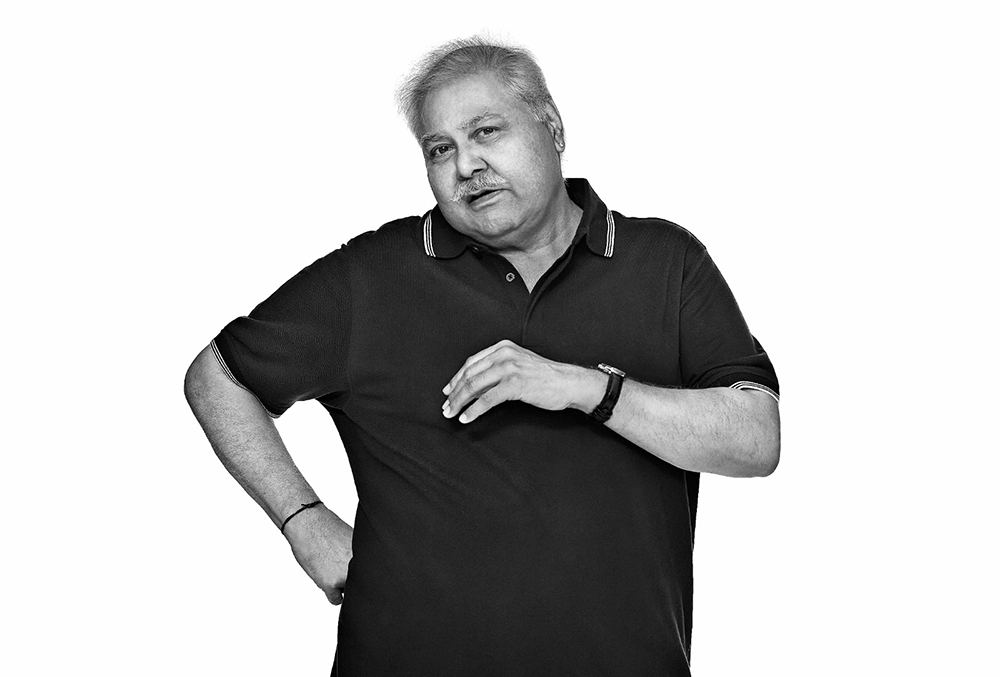
What emotions or conversations do you hope visitors take away from the exhibition?
For me, words routinely become visuals in my head.
This time, I’m hoping the visuals become stories in other people’s heads.
Instead of listing achievements next to each portrait, I asked every actor for a line that means something deeply personal to them. It could be philosophy, faith, something inherited or something written themselves.
When you read those lines alongside the portraits, perhaps you get a glimpse not of who they play, but of what makes them tick.
You have witnessed India’s visual culture transform dramatically. How has the meaning of a great photograph changed?
Technology has changed dramatically. Human response hasn’t.
A great photograph still makes you stop and think. It has layers. It reveals itself slowly.
That can come through the radical simplicity of this series or through beautifully intricate work like David LaChapelle’s.
The style changes. The effect shouldn’t.
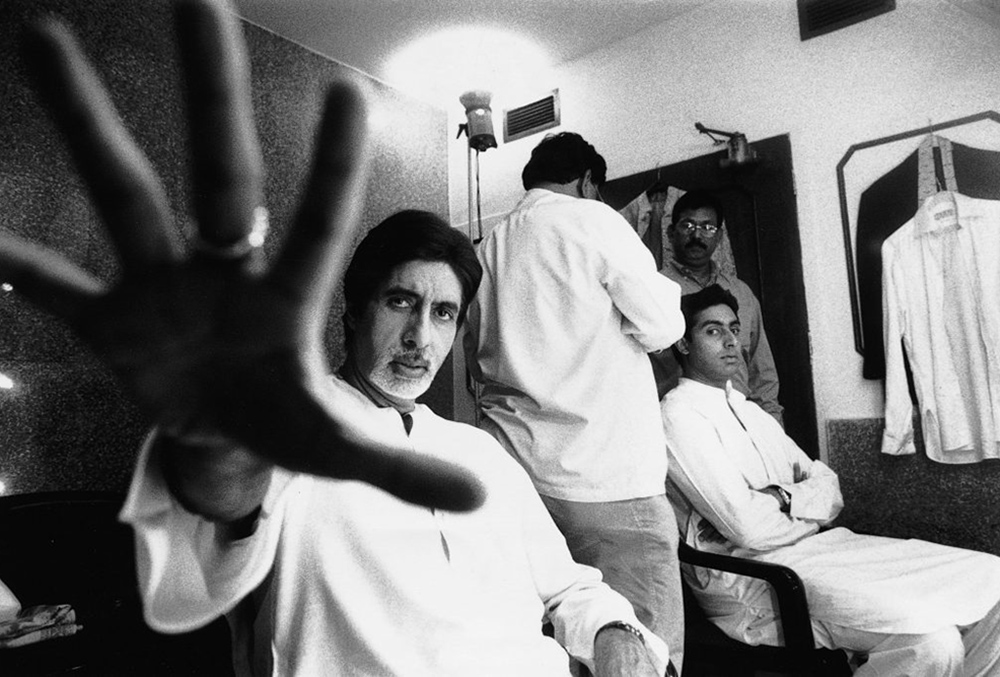
In an era where everyone has a camera in their pocket, what still separates a photographer from a content creator?
The day phones got serious cameras, photography became wonderfully democratic.
Access became universal and I think that’s a brilliant thing.
I also have enormous respect for content creators. It’s a proper hustle and it demands relentless creativity.
But photography for me is still less about access and more about intent. Two people can point identical cameras at the same thing and produce entirely different truths.
Has the rise of AI made photography more exciting or more complicated?
Eventually, whatever tool you use still depends on what sits between your ears.
Give the same software and equipment to ten photographers and you’ll get ten different outcomes.
That’s the exciting bit.
The financial barriers to creating high-quality images and video have collapsed and that’s fantastic news for talented people.
My favourite line still applies: “no typewriter ever wrote a novel by itself.”
Also Read: Kiran Nadar’s Art Powerhouse: The Art Collector Building India’s MoMA Moment
Are we losing our ability to truly look at images because we consume them so quickly?
To some extent, yes.
We’ve all developed a collective attention span that occasionally resembles internet-induced ADHD. Everything now is optimised for retention. Hooks. Velocity. Instant engagement.
If your reel doesn’t grab people in five seconds, good luck. Which is mildly tragic for people like me who still enjoy a slow burn.
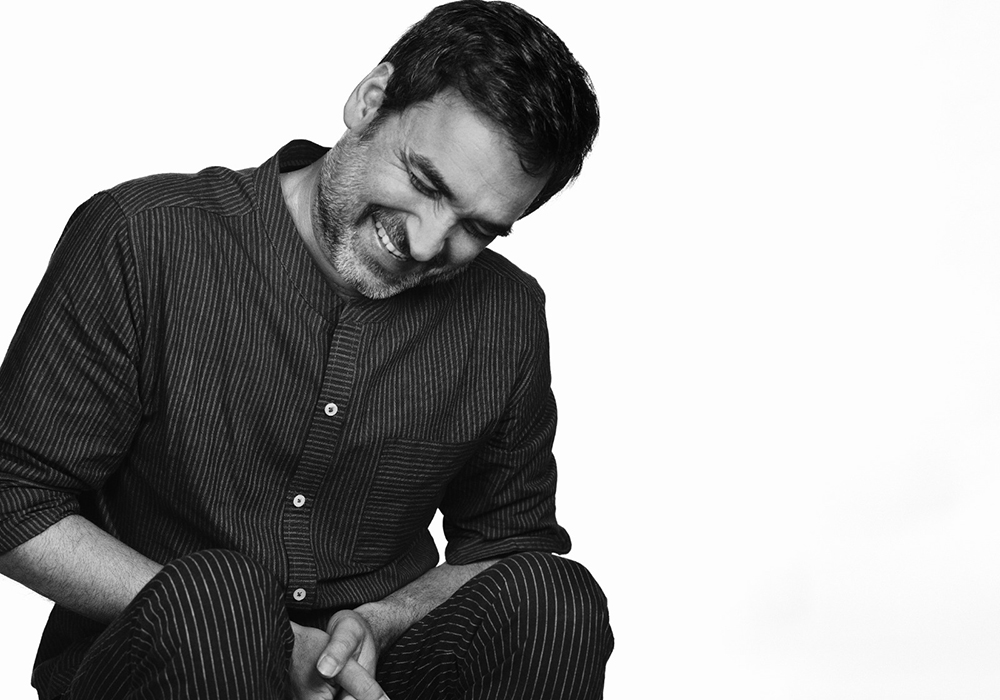
Looking back at the Kingfisher Calendar, what do you think its cultural legacy is today?
The Calendar remains one of my favourite pieces of work because it began as an idea and United Breweries backed it completely for nineteen years.
That kind of uninterrupted relationship between a brand and a visual artist is incredibly rare.
People remember beaches and glamour. I remember opportunity.
The Calendar opened doors for a remarkable number of young women and arguably did more in that regard than many beauty pageants.
And yes, it also got me an unreasonable number of passport stamps.
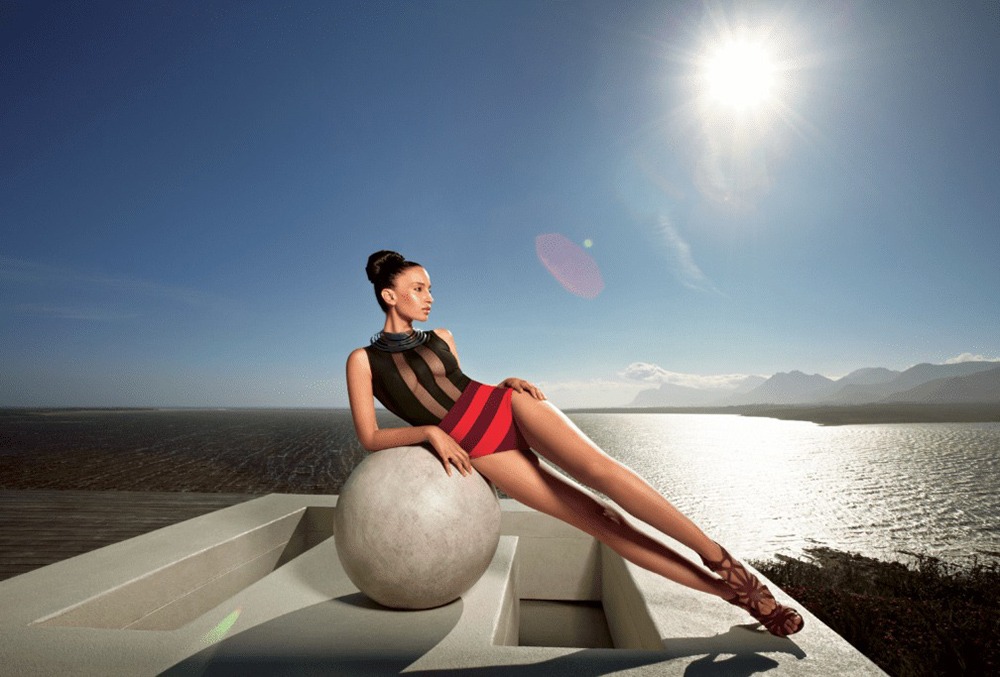
If you were shooting the Kingfisher Calendar for the first time in 2026, what would you do differently?
I’d probably push it further into the territory of art using beauty as the subject rather than aspiration as the outcome.
Something closer to a visual exploration than a travel fantasy.
That idea did come up once.
But to be fair to the brand, their logic was sound. They sold great beer. Great beer belongs on hot beaches with people having a good time.
You can’t really argue with that, it is their ad baseline as well.
What quality makes someone truly compelling in front of the camera?
Anyone can point a camera broadly in the direction of Lisa Haydon or Malaika Arora and get away looking competent.
Brilliant models work with the photographer and the lens rather than simply appearing in front of it.
The real challenge, and joy, is helping people discover a version of themselves they didn’t know was there.
Luxury today is moving from excess to authenticity. Do you see a similar shift happening in photography?
I welcome it because I’ve quietly moved in that direction myself a long time ago
Like many people, I enjoyed the early excitement of brands and visible consumption.
Today I gravitate towards things that are made well, made thoughtfully and often made just for me. Which probably explains why you’ll almost never find a giant logo across my chest.
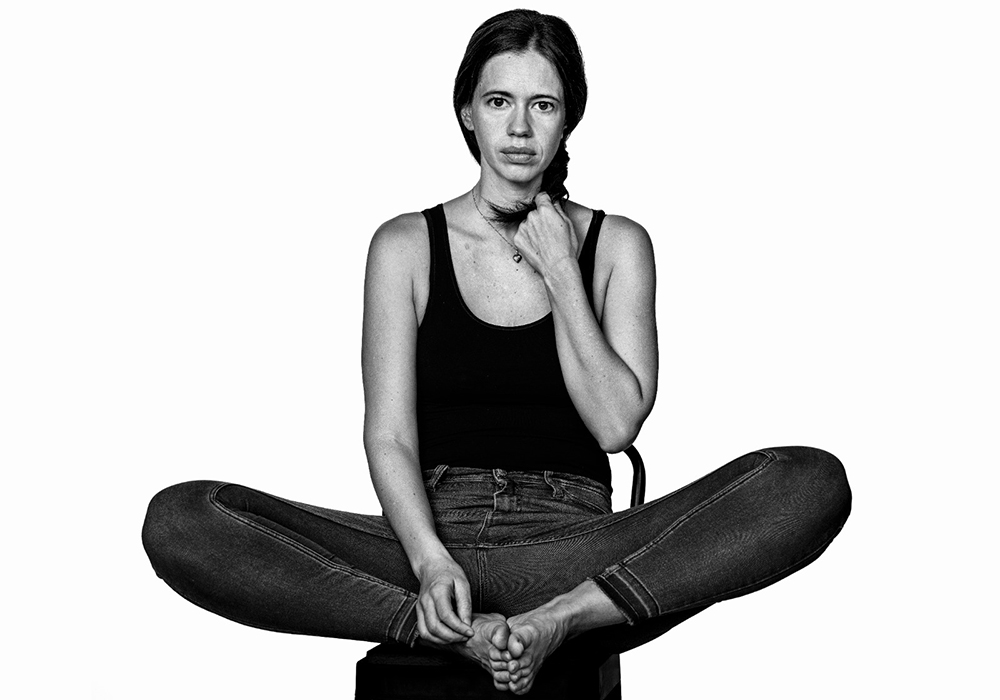
After spending a lifetime behind the lens, what is the one truth about people you’ve learned that no camera can fully capture?
I realised I’m more interested in connecting with the subject at a deeper level.
Before every HONEST portrait session I told people: this isn’t a portfolio image and it isn’t a movie poster.
What I was searching for was something real. And, be warned, you may not look ‘pretty’.
The quest was to capture a moment that exists ‘before the director calls action and after the director calls cut.’
The performance lives between action and cut.
The person often appears immediately before and after.
Doing that with 56 actors was one of the great joys of my career.
And no, nobody chose their final image.
What went on the wall was the moment I felt the artist and I had connected.