Formula 1 2026 Regulations: What The New Power Unit And Aero Rules Mean For Teams
The 2026 Formula 1 regulations introduce lighter cars, Active Aero, a 50-50 hybrid power split, advanced sustainable fuels and enhanced safety rules, reshaping competition for Ferrari, Mercedes, Red Bull Ford, Audi, Honda and General Motors
From 2026 onward, the August theatre of Formula 1 shall not merely adjust its costume but rewrite its script. The new regulations, crafted by the Fédération Internationale de l’Automobile in concert with the commercial rights holder Formula One Group and the teams, promise a transformation at once aesthetic, mechanical and philosophical. The cars will look different. They will behave differently. And, crucially, they will demand a different calibre of ingenuity from those who build and pilot them.
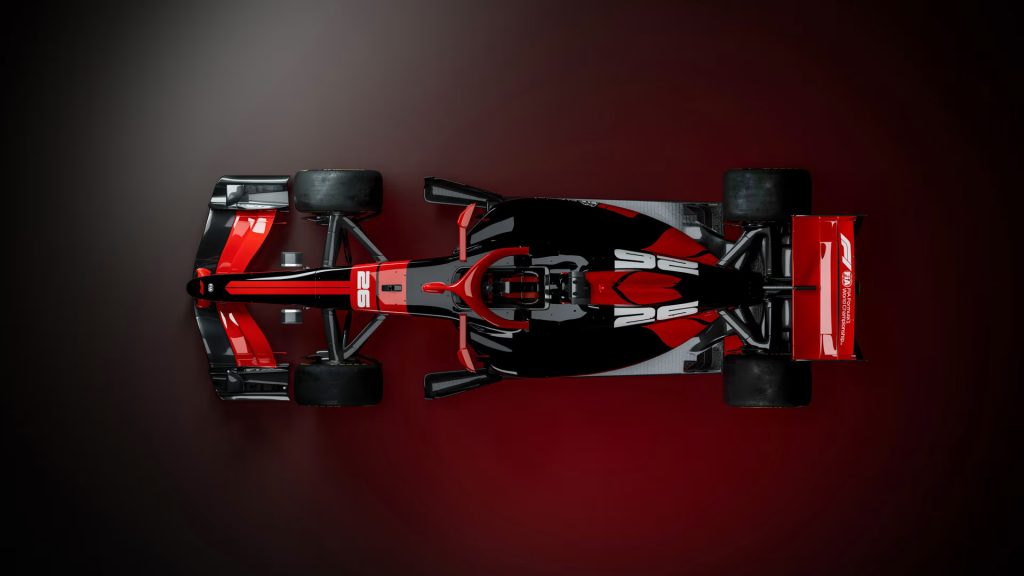
Let us commence with the aerodynamic revolution. The 2026 challengers will be shorter, narrower, lighter and, in theory, nimbler. A reduced wheelbase should render them more responsive through corners, while narrower eighteen inch tyres supplied by Pirelli will trim drag and shed weight. The elimination of the small arches above the front tyres further cleanses the silhouette and reduces mass.
Most consequential, however, is the philosophical departure from the intricate ground effect era that defined the period from 2022 to 2025. The long venturi tunnels beneath the floor are consigned to history, replaced by flatter floors and extended diffusers with larger openings. The result is less downforce and a higher mandated ride height. In principle, this should engender a wider variety of car set ups, accommodating diverse driving styles and narrowing the chasm between aerodynamic haves and have nots.
Also Read: TAG Heuer Unveils Connected Calibre E5 45mm Formula 1 Edition Smartwatch
The wings, too, undergo simplification. Both front and rear assemblies will feature fewer elements. The rear beam wing disappears altogether, while the front wing adopts narrower elements, with its outer sections becoming a fertile ground for development. Given the front wing’s profound influence on overall airflow management, this area is likely to become a critical battleground in the engineering war rooms of Maranello, Brackley and beyond.
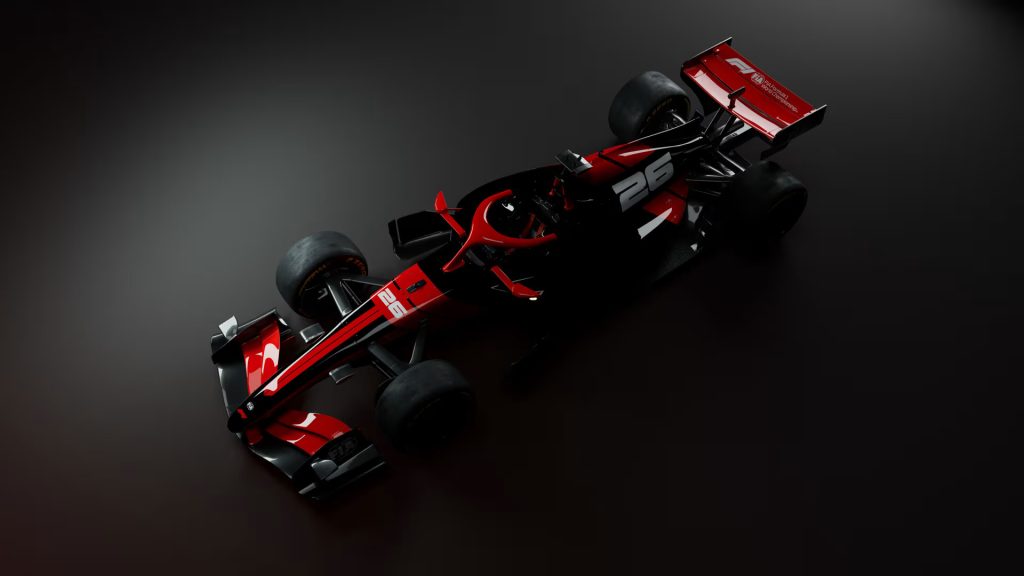
Yet the pièce de résistance is the advent of Active Aero. For the first time in modern Formula 1, drivers may adjust the angle of both front and rear wing elements depending on their position on track. Through corners, the flaps remain closed to preserve grip. On designated straights, drivers can engage a low drag mode, flattening the wings and boosting top speed. This facility is available to every driver on every lap, thereby rendering the traditional Drag Reduction System obsolete in its current form.
However, proximity still confers privilege. When within one second of a rival at a detection point, a driver may activate Overtake Mode, unlocking additional electrical energy for a decisive assault. Complementing this is the newly christened Boost button, permitting maximum deployment of available battery power at any point on the lap, whether in attack or defence. Drivers, in collaboration with their race engineers, will also oversee battery recharge strategies, selecting from varied modes that harvest energy under braking or through throttle modulation. Tactical nuance, therefore, becomes as vital as raw pace.

Beneath the sculpted bodywork, the power unit transformation is equally profound. The familiar one point six litre V6 turbo hybrid architecture remains, but its internal equilibrium is dramatically altered. The internal combustion engine’s contribution is reduced, while electric output is tripled, resulting in an approximate fifty fifty split between petrol and electric power. This recalibration enhances road relevance and has enticed both incumbents such as Ferrari and Mercedes-Benz and newcomers including Audi, Ford Motor Company in partnership with Red Bull Powertrains, and General Motors, whose own unit debuts in 2029. Even Honda returns to the fold, lured by a formula aligned with its technological ambitions.
The Energy Recovery System can now harvest twice as much energy per lap, intensifying the strategic ballet of charge and deployment. Notably, the complex and costly MGU H heat recovery system is abolished, shedding weight and enhancing relevance to road car development. Fuel, too, enters a new epoch. From 2026, the cars will run on Advanced Sustainable Fuels derived from carbon capture, municipal waste and non food biomass, independently certified to stringent environmental standards.
Also Read: Exploring The Top 5 Timepieces Born From Formula 1 Collaborations
Safety, as ever, evolves in parallel. The survival cell faces more rigorous testing. The roll hoop must withstand twenty three percent greater loads, roughly equivalent to the weight of nine family cars. The front impact structure now separates in two stages, affording enhanced protection in high energy collisions involving secondary impacts.
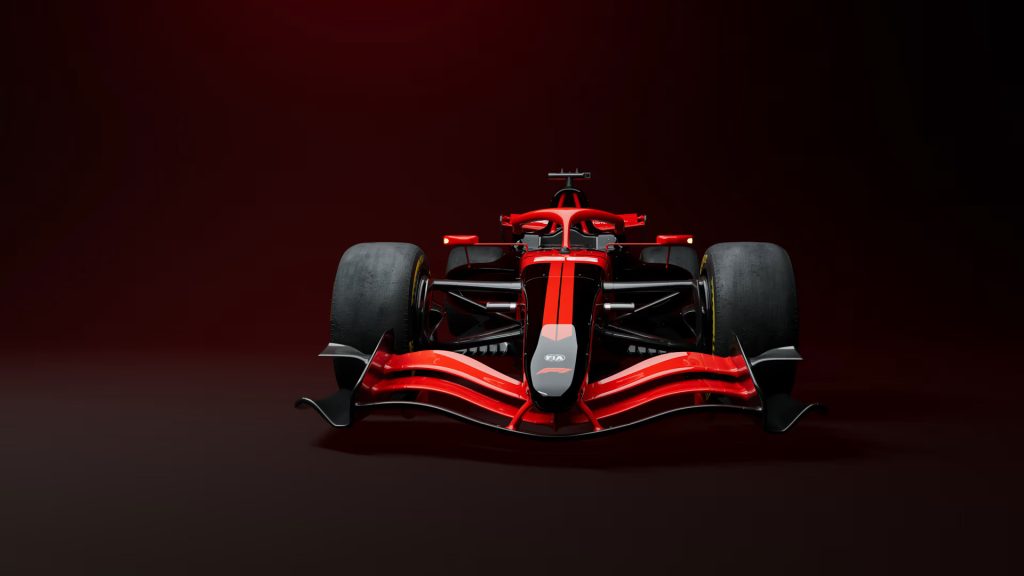
What, then, do these reforms portend? With less downforce and tighter control over turbulent air, following another car through a corner should be less arduous. Yet extracting peak performance from these lighter, more energy dependent machines will challenge drivers in unprecedented ways. They must master new aerodynamic tools, deploy electrical power with strategic finesse and adapt to cars that reward precision over brute force. This is not merely regulatory housekeeping. It is a statement of intent. Formula 1 in 2026 seeks to be faster in thought, greener in spirit and fiercer in contest. The spectacle endures, but the script is sharper. Bring it on.