Top Green Sports Cars of All Time: Iconic Models That Defined Performance And Style
Green in performance motoring transcends mere colour to embody heritage, identity, and attitude, a quietly rebellious signature that has shaped everything from racetrack legacy to modern supercar theatre, making these machines truly unforgettable
Let us be clear about one thing: green, in the world of performance cars, is not chosen; it is declared. Not in the polite, well-mannered sense, but with the sort of intent that suggests you have absolutely no interest in blending in with the sea of monochrome mediocrity clogging up modern roads. This is a colour with a personality, and not a particularly friendly one. It carries history in its veins, from rain-soaked circuits to machines that look as though they were engineered in secret laboratories rather than design studios. There is something faintly sinister about it, something controlled and calculated, like a perfectly tailored suit worn by someone who clearly knows more than they are letting on. Because green, when done properly, does not scream for attention; it waits, it lingers, it lets the car do the talking, and when it does, the effect is devastating. From deep, shadowy racing hues that whisper of legacy to sharp, almost toxic tones that feel like they could melt tarmac, this is a colour that refuses to behave. It is elegance with an edge, confidence with a smirk, and just a hint of menace; the sort of choice that says you are not here to impress everyone, only the ones who matter.
Jaguar – British Racing Green
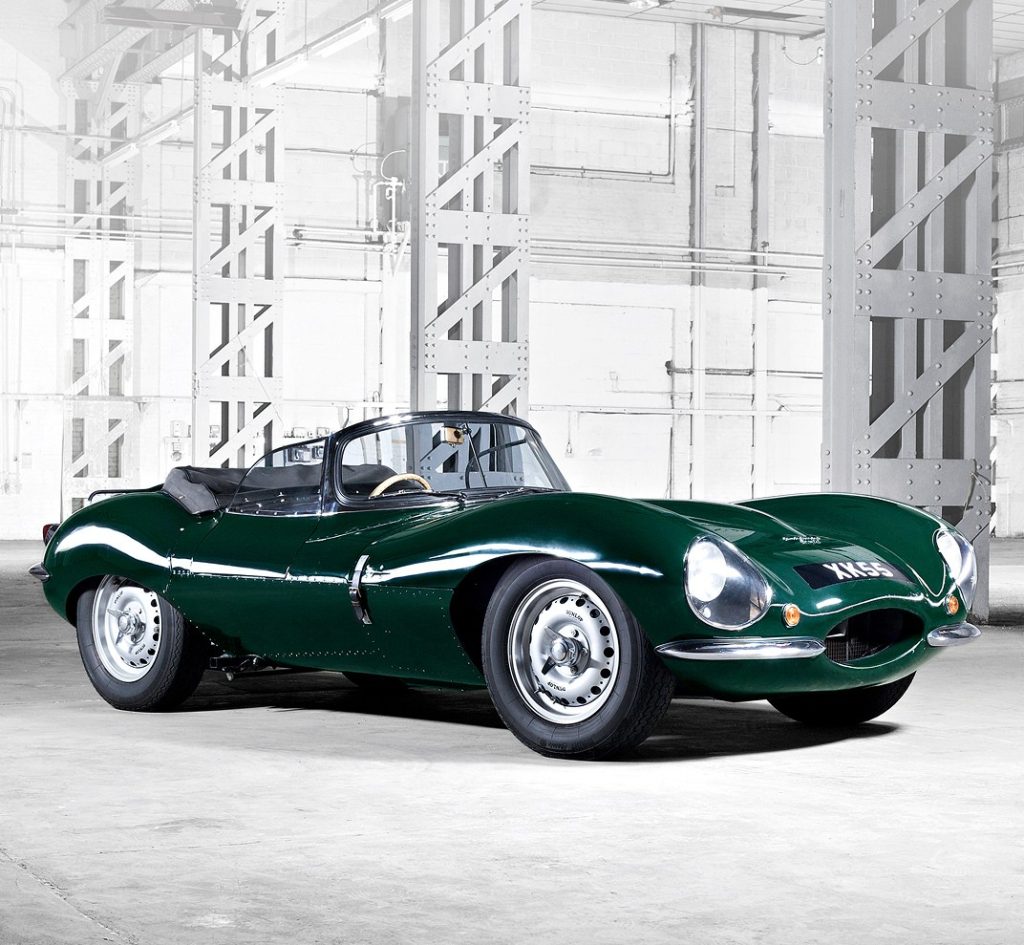
There are colours, and then there is British Racing Green, a shade so steeped in history that it might as well come with its own national anthem. Forever associated with Jaguar, this deep, rich hue became synonymous with Britain’s motorsport dominance in the early 20th century. Cars like the E Type and D Type wore it not as paint, but as armour, slicing through Le Mans and beyond with quiet authority. What makes it remarkable is its restraint. It does not shout. It does not demand attention. Yet, parked anywhere, it commands the room. Modern Jaguars continue the tradition, proving that even in an age of outrageous colours, subtlety can still be devastatingly effective. It is elegance at speed, a rolling reminder that true confidence never needs to raise its voice.
Lamborghini – Verde Miura
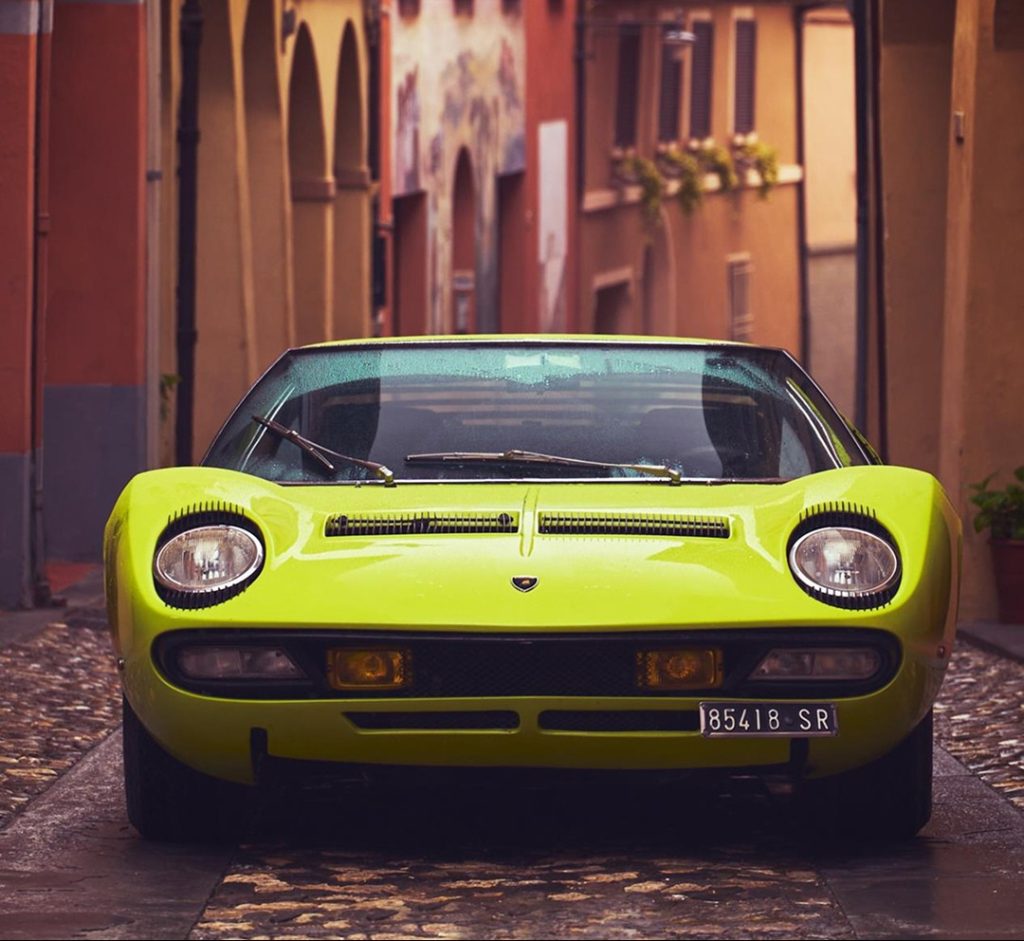
If Jaguar’s green is a polite nod, Verde Miura is a full blown declaration. Lamborghini took the idea of green and turned it into something outrageous, loud, and utterly unapologetic. Inspired by the original Miura, this vivid shade feels alive, almost radioactive under sunlight. It perfectly complements Lamborghini’s design language, all sharp edges and dramatic flair. Cars like the Aventador and Huracan wear it with theatrical brilliance, turning every arrival into an event. It is not subtle, not even remotely. But that is precisely the point. Verde Miura is for those who believe that if you are going to drive a supercar, you might as well make sure absolutely everyone notices.
Mercedes AMG – Green Hell Magno
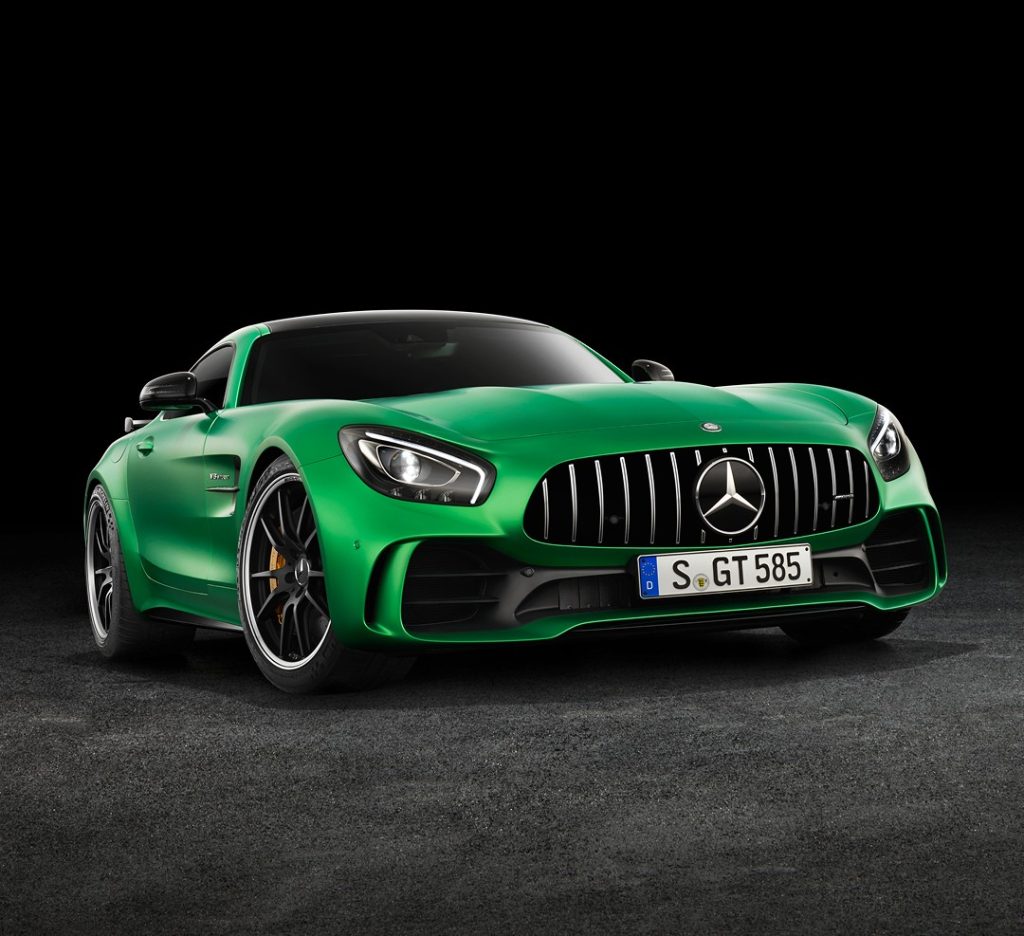
Now this is where things get properly serious. Green Hell Magno, a matte finish masterpiece from Mercedes-AMG, is not just a colour, it is a tribute. Named after the Nürburgring, famously dubbed the Green Hell, this shade captures the intensity of one of the world’s most demanding circuits. Applied to machines like the AMG GT R, it transforms the car into something almost predatory. The matte texture absorbs light, giving it a stealthy, menacing presence that feels engineered rather than painted. It is purposeful, aggressive, and deeply rooted in performance credibility. This is green stripped of romance and rebuilt for speed, a colour that looks like it belongs on a car designed to hunt lap times.
Also Read: Green Dial Watches Like RDJ’s Blancpain Fifty Fathoms You Can Buy in 2026
Porsche 911 – Mint Green
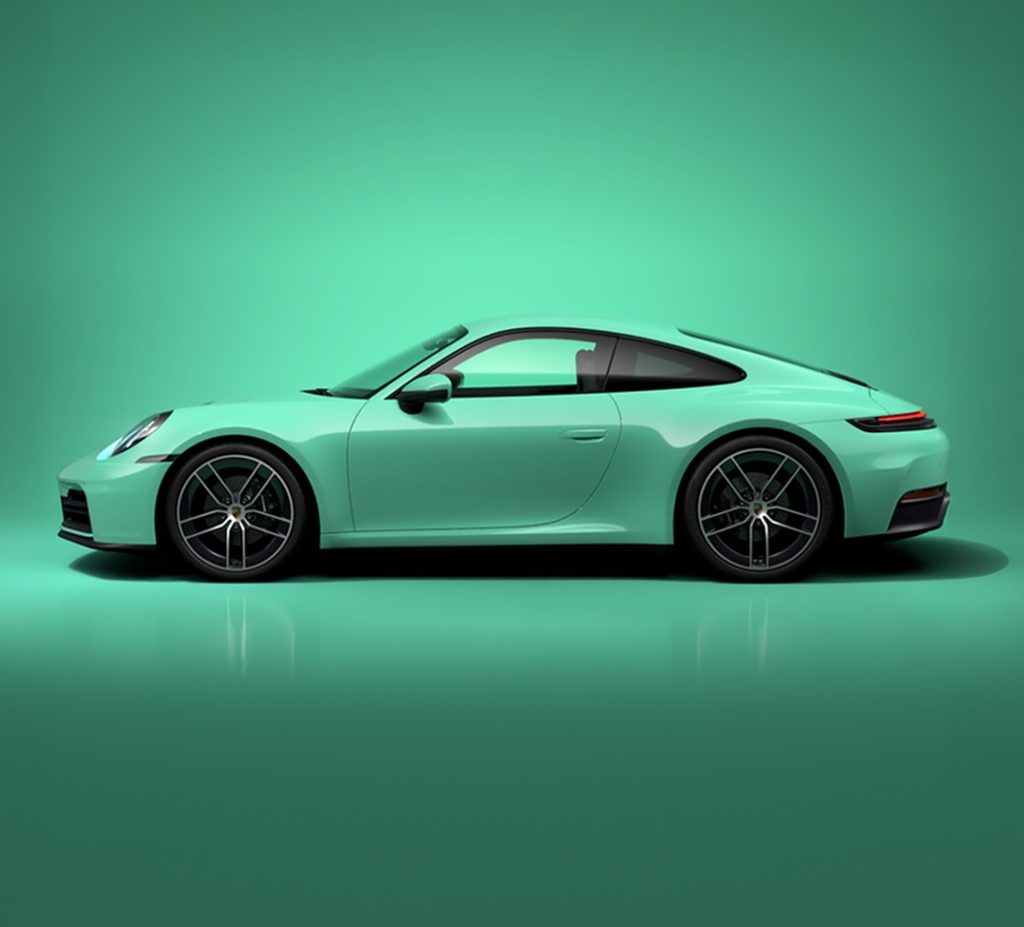
Trust Porsche to take green and make it… charming. Mint Green on the 911 is delightfully unexpected, a softer, almost playful take on performance. But do not let the colour fool you. Beneath that gentle exterior lies one of the most capable sports cars ever built. This shade works particularly well on classic and restomod 911s, where nostalgia meets modern engineering. It feels fresh, distinctive, and slightly rebellious in its own quiet way. In a sea of aggressive colours, Mint Green stands apart by refusing to play the same game. It proves that performance does not always have to look angry. Sometimes, it can simply look cool.
McLaren F1 – XP Green
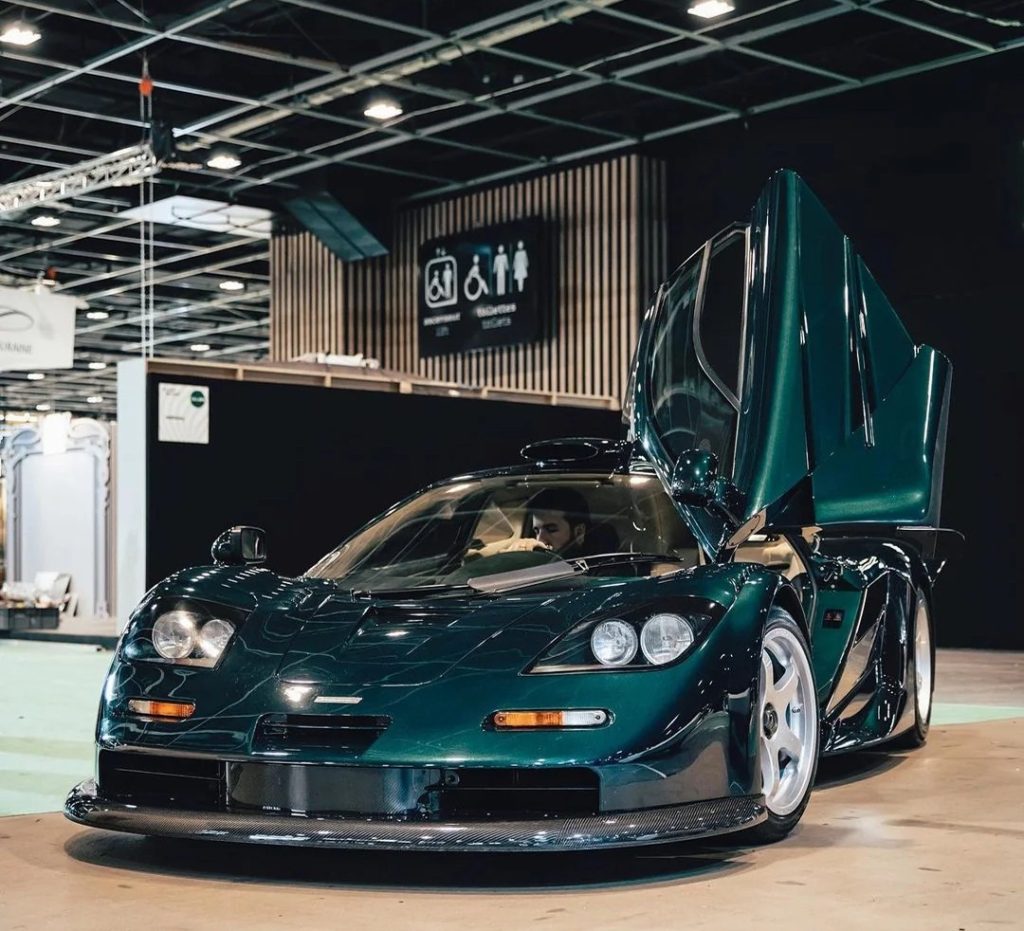
And then there is the McLaren F1, a machine so legendary that even its paint feels significant. XP Green, seen on early prototypes, carries an almost mythical status among enthusiasts. It is not flashy, not dramatic, but deeply purposeful, much like the car itself. The McLaren F1 was never about excess. It was about engineering purity, and this understated green complements that philosophy perfectly. It highlights the car’s clean lines and timeless proportions without distraction. Today, it stands as a reminder of an era when performance was defined by innovation rather than noise. XP Green is not just a colour. It is part of the story of one of the greatest cars ever built.