Why Do V12 Engines Sound Better Than V8s? The Science Behind The Legendary Exhaust Note
A V8 can thunder, roar and shake the earth beneath your feet, but a V12 glides through the rev range with such effortless refinement that it often feels less like an engine and more like an invisible force quietly rearranging the laws of physics
There are certain truths in life that require no debate. Champagne is better than sparkling wine. A Savile Row suit is better than something bought during a mall sale. And a V12 engine, when engineered properly, is smoother than a V8. Not slightly smoother. Not marginally smoother. So much smoother, in fact, that the first time you experience one, you begin to suspect that several laws of mechanical engineering have been quietly ignored. This is why the world’s most prestigious automobiles have traditionally worshipped the V12. Not because it produces more noise. Not because it looks impressive in a brochure. But because it possesses a level of mechanical sophistication that makes almost every other engine configuration feel slightly agricultural.
The Magic Begins With Perfect Balance
The secret lies in mathematics. A V12 engine is essentially two perfectly balanced inline-six engines joined together at a common crankshaft. And the inline-six, as engineers will happily tell you after several glasses of wine, is one of the most naturally balanced engine layouts ever created. Every piston moving upward is counteracted by another moving downward. The forces cancel each other out with almost eerie precision. The result is remarkably little vibration. A V8, by comparison, is an engineering compromise. Even the finest V8s generate secondary vibrations and harmonic disturbances that engineers must constantly manage through crankshaft design, engine mounts and balance shafts. A V12 simply requires less correction. It behaves naturally.
Also Read: BYD and Chopard Reveal Exclusive EV Collaboration Redefining Luxury Mobility
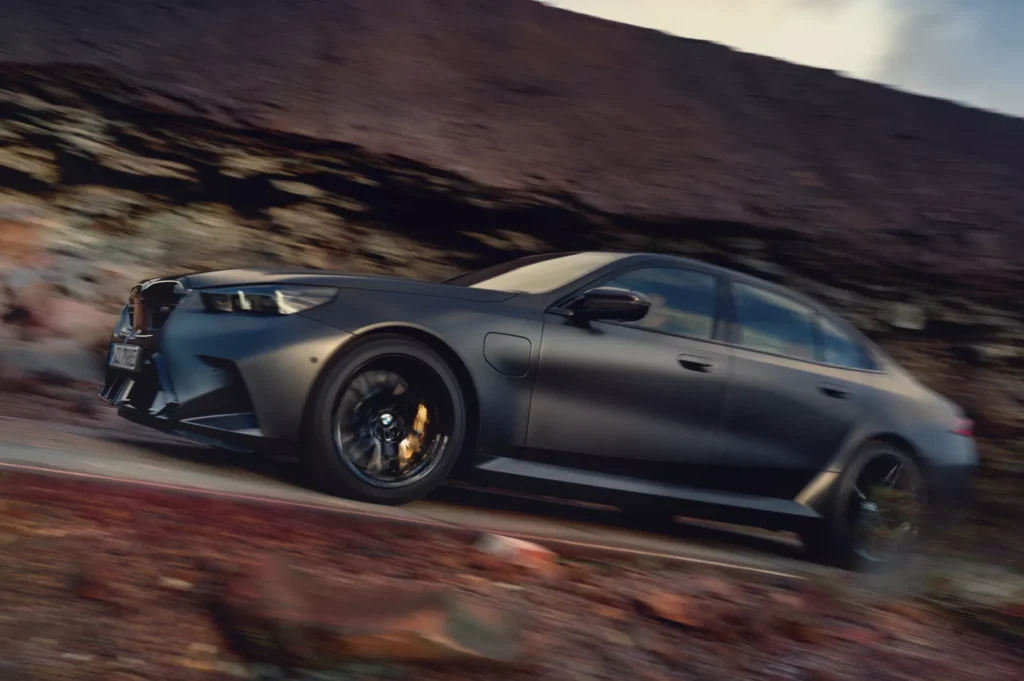
More Cylinders Mean Smaller Explosions
Every engine works by creating a series of controlled explosions. The difference is how frequently those explosions occur. In a typical four-stroke V8, a power stroke occurs every 90 degrees of crankshaft rotation. In a V12, it happens every 60 degrees. That means the engine delivers power far more frequently and with less interruption between combustion events. Imagine pushing a swing. A V8 gives eight firm pushes. A V12 gives twelve gentler, more closely spaced pushes. The result is smoother acceleration, reduced drivetrain shock and an almost turbine-like flow of power.
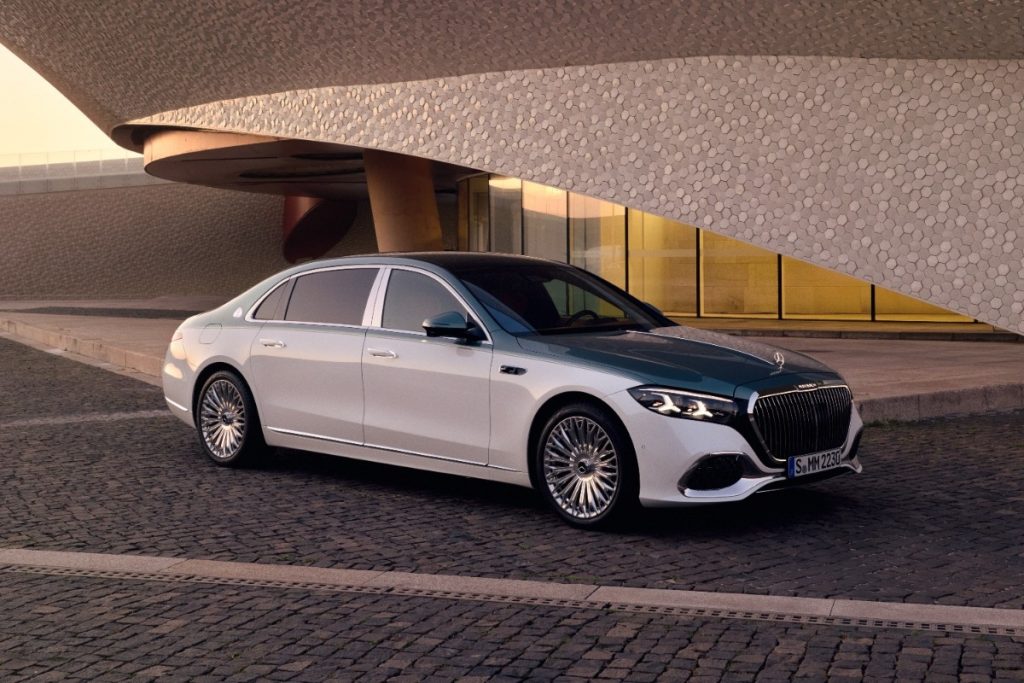
Luxury Manufacturers Understand This Better Than Anyone
There is a reason why brands such as Rolls-Royce, Ferrari, Aston Martin, Lamborghini, and Mercedes-Benz have historically reserved their finest models for V12 power. Luxury is not merely about speed. It is about effortlessness. A V12 can cruise at motorway speeds while barely breaking a sweat. The engine is rarely working hard because its workload is spread across twelve cylinders instead of eight. Each piston carries less burden. Each combustion event feels less stressed. And the entire powertrain operates with an ease that becomes immediately noticeable from behind the wheel.
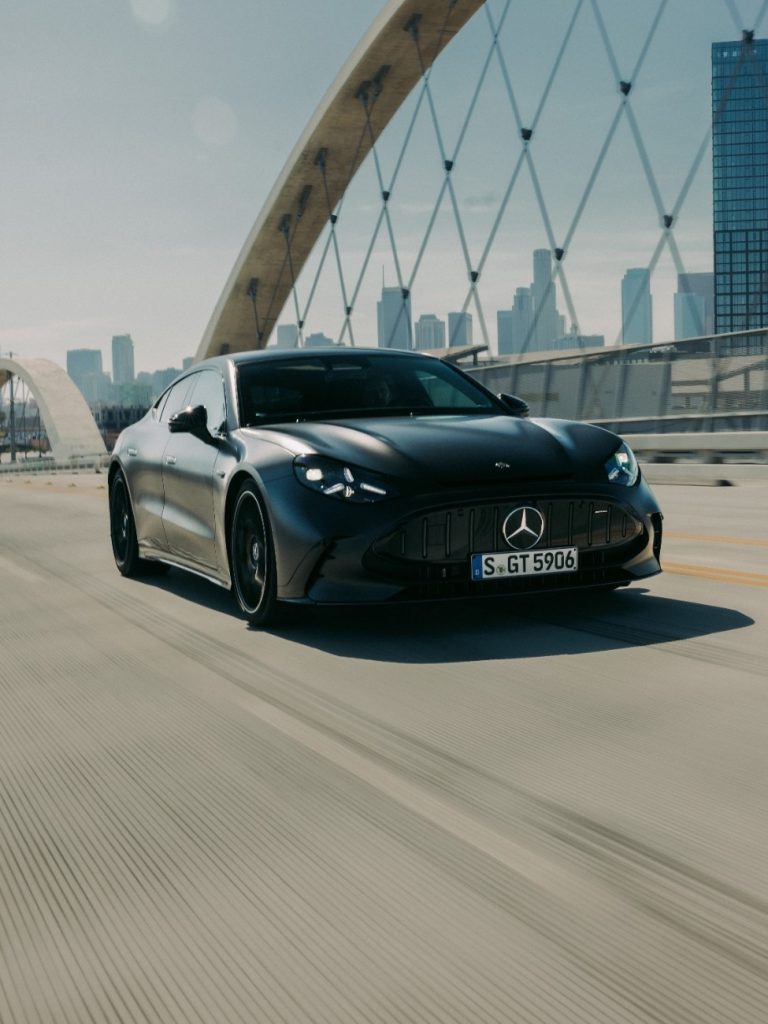
Why The V8 Still Exists
Now before V8 enthusiasts begin writing angry letters, it must be said that V8s possess virtues of their own. They are lighter. They are more compact. They are often cheaper to build. They produce enormous torque and a charismatic soundtrack that enthusiasts adore. Modern turbocharged V8s can also generate astonishing performance figures. But smoothness has never been their defining characteristic. Character, yes; drama, absolutely. Refinement? Not quite. From a practical standpoint, this makes sense. From an emotional standpoint, it feels like replacing a grand piano with a smartphone app. Because a great V12 represents one of the finest achievements of the internal combustion era. It is engineering pursued not because it is necessary, but because it is magnificent. The V8 may be the engine of heroes, racers and rebels. But the V12 is the engine of kings. And that is why, when you slide behind the wheel of a truly exceptional V12-powered machine, the experience feels less like driving and more like levitating.