The Global Indian: Top 5 Tech Leaders Putting India On The World Map
Five Indian origin tech leaders now command the world’s most powerful technology companies, shaping artificial intelligence, cloud computing, digital media, and the future of global innovation
India’s technological ascent is no longer a supporting subplot in the global innovation story; it is central to it. From artificial intelligence laboratories in California to enterprise cloud corridors in Seattle and quantum research hubs in New York, Indian origin leaders are occupying the most consequential seats in global technology. Their journeys reflect not only personal brilliance but the growing intellectual capital of a nation that has long invested in engineering education and computational thinking. What makes this moment remarkable is not simply representation at the top, but influence at scale. These executives are guiding decisions that affect billions of users, reshape industries, and define how societies interact with information, commerce, and culture. In boardrooms where the future of artificial intelligence, cloud infrastructure, and digital media is debated, Indian voices are no longer peripheral. They are decisive. Here are five leaders whose impact reverberates across continents and whose leadership continues to redefine global technology.
Sundar Pichai
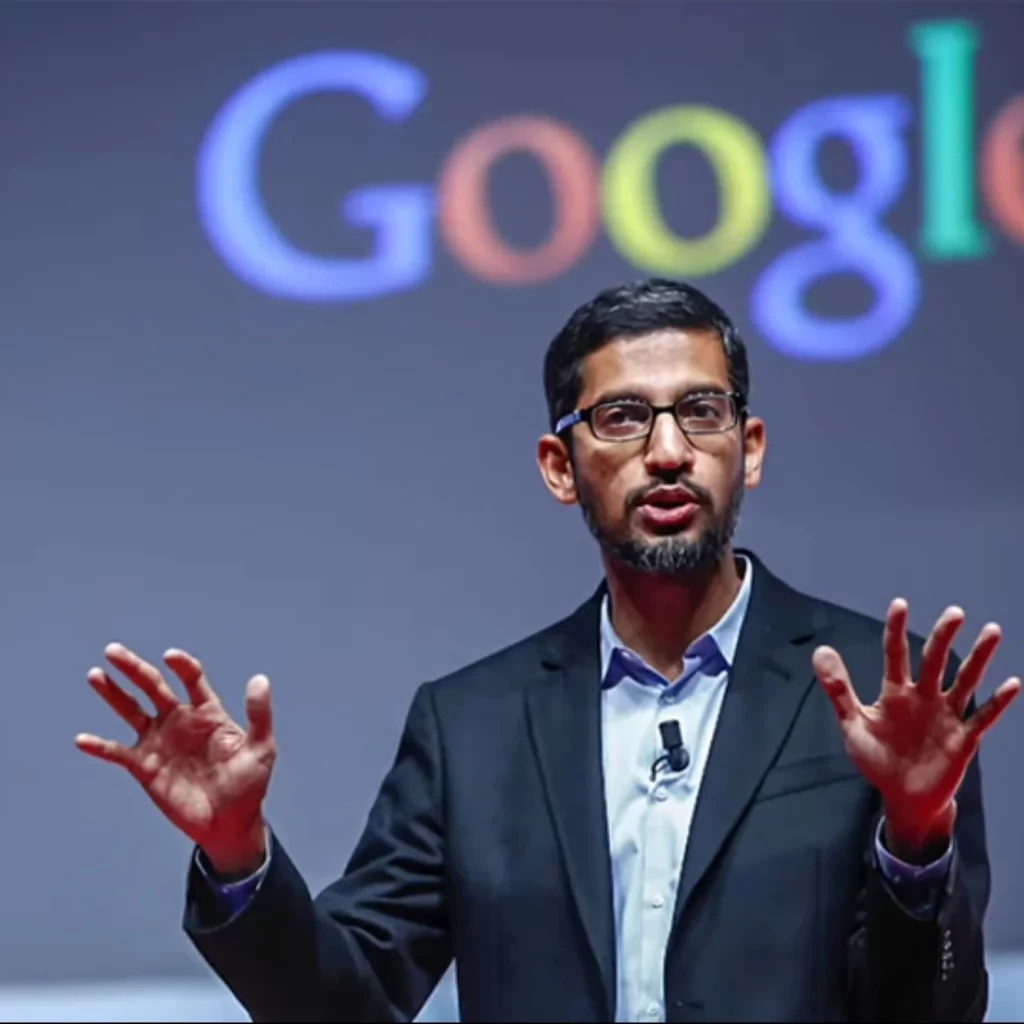
As Chief Executive Officer of Alphabet Inc. and its flagship company Google, Sundar Pichai presides over a digital empire that shapes how humanity accesses information. Under his leadership, Google has deepened its focus on artificial intelligence, embedding machine learning across search, advertising, mobile software, and productivity tools. He has overseen the rapid evolution of AI driven systems that influence how billions navigate the internet each day. Pichai’s tenure has also included steering the company through complex regulatory scrutiny, geopolitical pressures, and intense competition in cloud computing. Beyond products, his influence lies in defining ethical frameworks and safety principles for artificial intelligence development at planetary scale. His calm, measured leadership style contrasts with the volatility often associated with Silicon Valley, reinforcing the idea that strategic clarity and long term thinking can coexist with technological disruption. Pichai’s decisions ripple across industries, affecting media economics, enterprise software, and even democratic discourse, making him one of the most consequential technology leaders of this era.
Also Read: Bugatti Unveils W16 Mistral ‘La Perle Rare’- A One-of-One 1,600 HP Hypercar Masterpiece
Satya Nadella
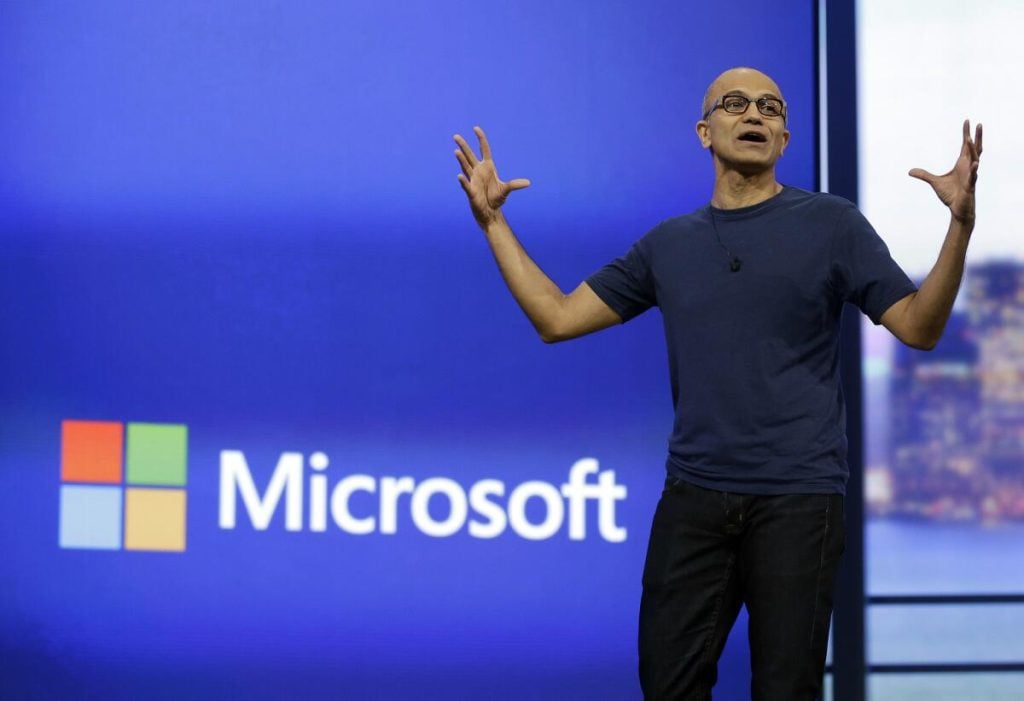
When Satya Nadella assumed leadership of Microsoft, the company was respected but perceived as lagging in innovation. His tenure transformed it into one of the world’s most valuable corporations through an unwavering focus on cloud computing, enterprise services, and artificial intelligence integration. Nadella shifted Microsoft’s internal culture toward collaboration, empathy, and openness, encouraging partnerships even with former rivals. The expansion of Azure into a dominant cloud platform positioned Microsoft at the heart of global enterprise infrastructure. He also championed significant investments in artificial intelligence research and strategic alliances that accelerated Microsoft’s presence in generative AI and productivity tools. Nadella’s leadership style emphasizes continuous learning and adaptability, qualities that have allowed Microsoft to remain relevant amid rapid technological change. His influence extends beyond financial metrics; he reshaped how legacy technology companies can reinvent themselves without abandoning their foundational strengths. In doing so, Nadella demonstrated that transformation at scale requires cultural evolution as much as technical innovation.
Arvind Krishna
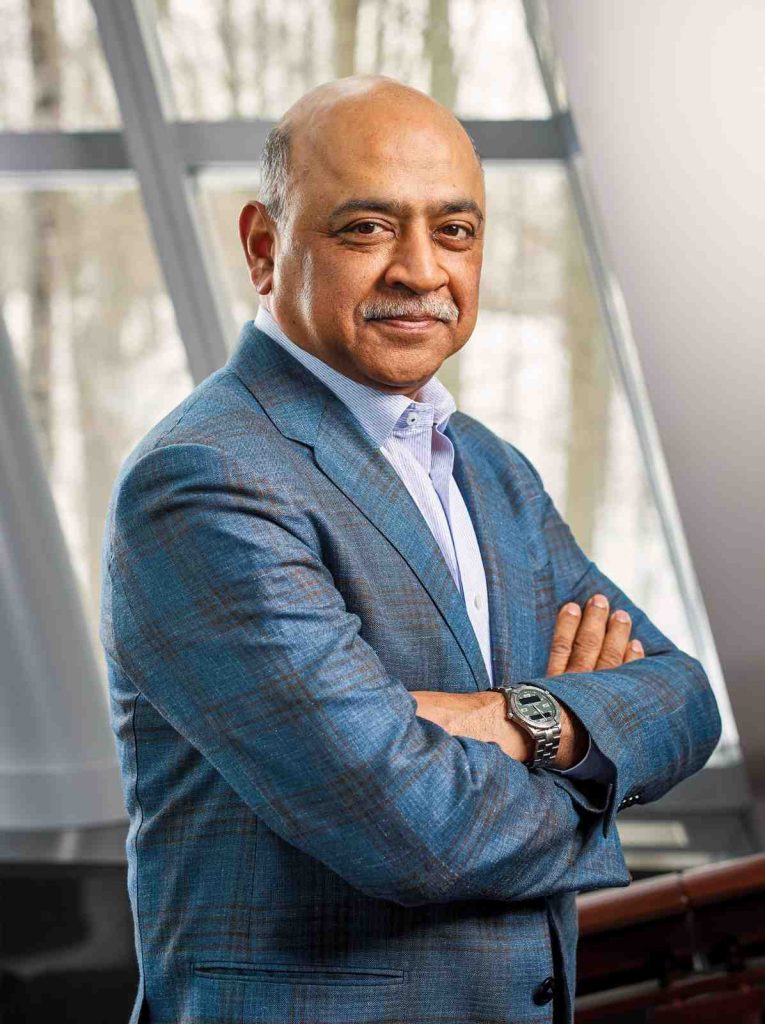
At the helm of IBM, Arvind Krishna leads one of the most storied institutions in computing history through a pivotal era of reinvention. With a background rooted in engineering and research, Krishna has prioritized hybrid cloud solutions and enterprise focused artificial intelligence as the company’s strategic core. His leadership reflects a deep understanding of complex enterprise ecosystems, where security, scalability, and regulatory compliance are paramount. Krishna has also reinforced IBM’s commitment to quantum computing research, positioning the company at the forefront of next generation computational breakthroughs. In an age dominated by consumer facing platforms, Krishna’s influence lies in shaping the invisible backbone of corporate and governmental technology infrastructure. His approach balances technical depth with pragmatic business restructuring, ensuring IBM remains relevant in a rapidly evolving landscape. By focusing on advanced research while streamlining legacy operations, Krishna is steering IBM toward a future defined not by nostalgia but by renewed technological authority.
Neal Mohan
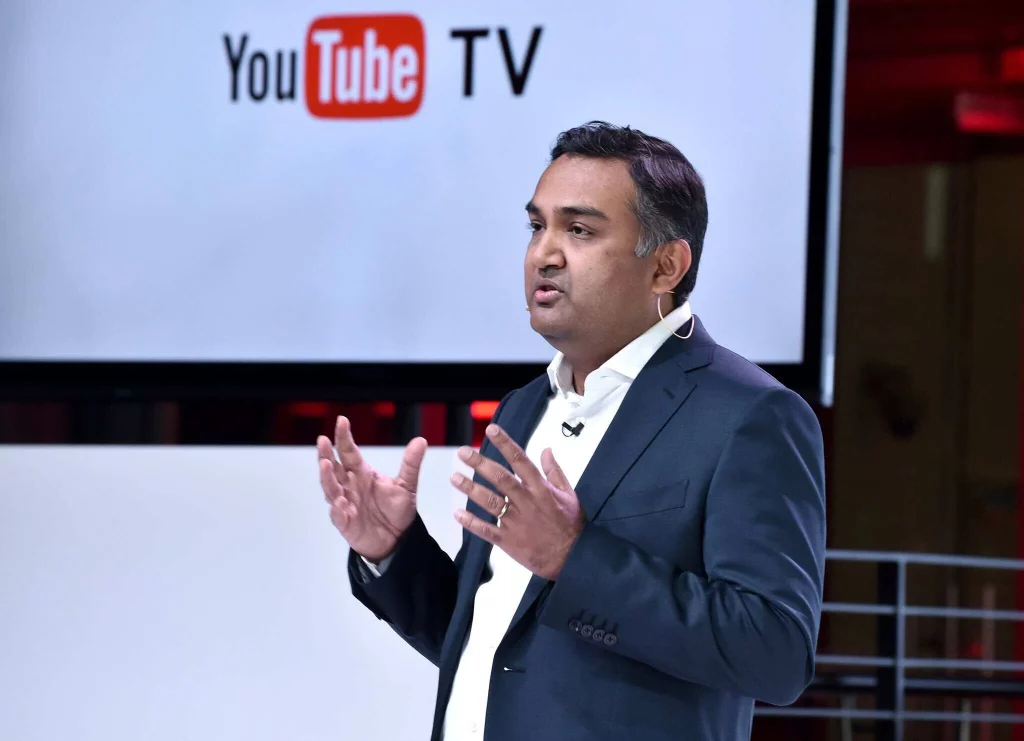
As Chief Executive Officer of YouTube, Neal Mohan oversees a platform that serves as the world’s largest stage for digital expression. YouTube is not merely a video hosting service; it is an economic ecosystem that powers millions of creators, advertisers, musicians, educators, and media companies. Mohan’s leadership comes at a time when the creator economy is reshaping entertainment and advertising models worldwide. He is responsible for balancing monetization strategies, content moderation policies, and technological innovation such as short form video formats and artificial intelligence driven recommendation systems. Under his guidance, YouTube continues expanding into live streaming, subscription services, and global content partnerships. Mohan’s influence is cultural as much as technological, as platform policies directly affect political communication, music distribution, and independent journalism. Managing scale, safety, and profitability simultaneously requires strategic nuance, and Mohan’s stewardship ensures YouTube remains central to the global digital conversation.
Parag Agrawal
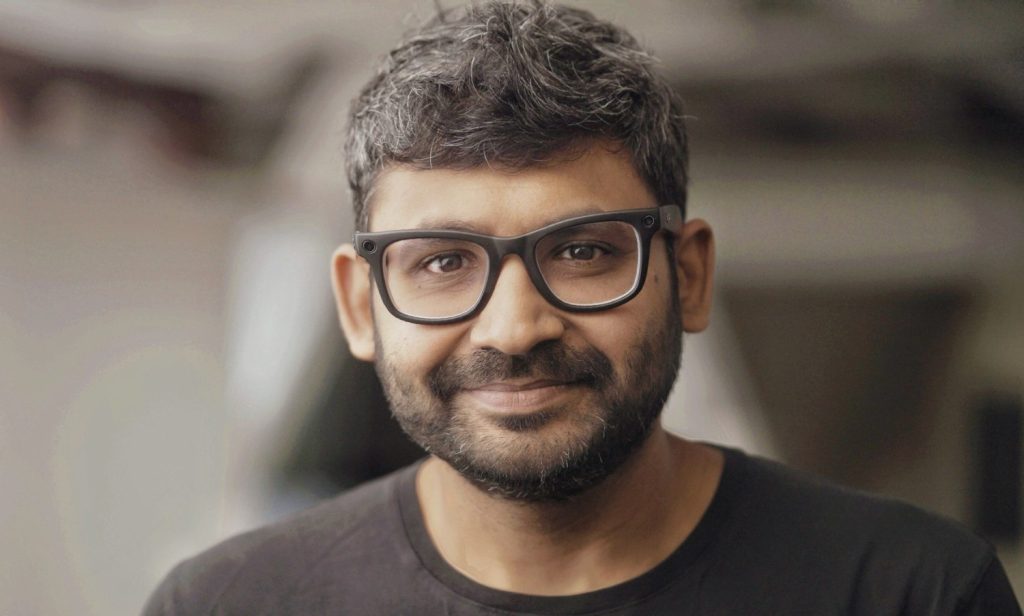
Parag Agrawal’s rise to Chief Executive Officer of Twitter symbolised the growing prominence of deeply technical leaders in shaping public discourse platforms. With a background in computer science and machine learning, Agrawal represented a generation of executives who understand the algorithmic foundations that power social media ecosystems. During his tenure, he faced complex challenges involving content governance, misinformation, and platform accountability. Leading a company that functions as a global town square requires balancing free expression with safety, transparency, and regulatory demands. Agrawal’s leadership underscored the increasing importance of engineering driven decision making in managing digital communities of vast scale. Though his time as CEO was brief, his trajectory highlights how Indian origin technologists have ascended to roles that influence political communication, journalism, and civic engagement worldwide. His career reflects a broader narrative of Indian engineers shaping the architecture of modern public conversation. He has returned to the tech scene with a new artificial intelligence startup called Parallel Web Systems