Gold Vs Silver: Which Is The Better Investment For Indians Right Now?
As gold and silver prices surge amid global uncertainty, Indian investors are once again looking to precious metals for stability. But while both are considered safe-haven assets, their volatility, demand drivers and long-term investment potential differ sharply. We break it down for you
As geopolitical tensions in the Middle East continue to disrupt global supply chains, India is beginning to feel the ripple effects. Reports of LPG cylinder shortages in several parts of the country have once again highlighted how quickly international conflicts can impact everyday life and household budgets. Moments like these often trigger a familiar instinct among people – to look for assets that can hold value when markets and supply chains turn uncertain.
In India, precious metals have never been just another asset class. Gold jewellery tucked away for the next generation, silver coins bought during festive seasons – these have long been the country’s most familiar ways of storing wealth. But the rules of investing have changed. Today, liquidity, taxation and resale value carry as much weight as sentiment and tradition. Which raises a practical question for modern investors. Among precious assets, which one is really the better investment?
Also Read: UAE Real Estate Market In Trouble As Iran Strikes Shake Investor Confidence?

What Should You Invest In? Gold Or Silver?
Both gold and silver have long been considered safe-haven assets, historically rising in value when inflation spikes or financial markets turn volatile. Yet despite their shared reputation, the two metals behave very differently in the investment world. For anyone looking to add precious metals to their portfolio, understanding the distinction between gold’s stability and silver’s volatility is crucial.
Gold Rate Today
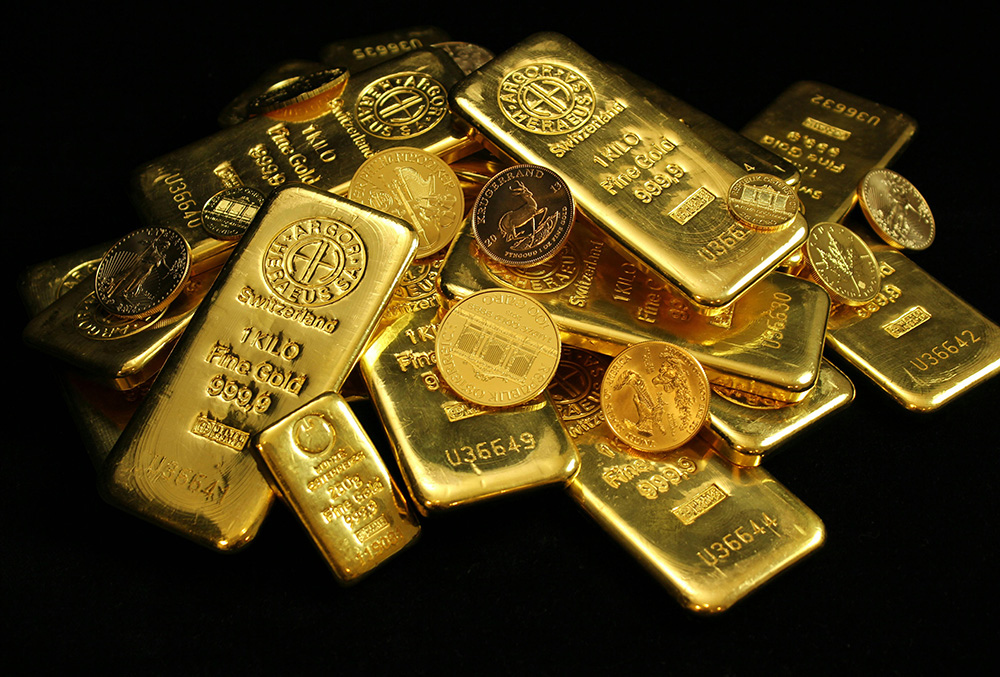
Precious metals have rallied sharply in recent years, driven by global economic uncertainty, geopolitical tensions and persistent inflation concerns. In India, 24-carat gold is currently trading between roughly Rs 16,200 and Rs 16,800 per gram, depending on the city and daily market movements. On commodity exchanges, prices have even crossed Rs 1.6 lakh per 10 grams during strong trading sessions.
Silver Rate Today
Silver, while far cheaper, has also seen significant appreciation. The metal is currently trading at approximately Rs 280 to Rs 300 per gram, or close to Rs 2.8–Rs 3 lakh per kilogram in domestic markets.
Understanding How Gold And Silver Markets Move
Despite this shared upward trend, the forces driving each metal’s price are quite different. Gold’s value tends to rise when investors seek safety – during currency fluctuations, geopolitical conflicts or stock market volatility. Silver, by contrast, sits at the intersection of finance and industry. That distinction makes all the difference.
Why Gold Still Dominates
Gold’s enduring appeal lies in three words: trust, liquidity and stability. Unlike many other assets, gold can be converted into cash almost anywhere. In India’s vast jewellery ecosystem, buyers exist in nearly every city and town, and even villages. From local jewellers to bullion traders and banks offering gold-backed loans, the resale market for gold is both deep and transparent.
Because gold prices are globally benchmarked and updated daily, sellers typically receive close to the prevailing market price.

Gold also functions as a hedge against inflation. When currencies weaken or financial markets become unpredictable, investors often shift toward gold as a way to preserve purchasing power.
But not every gold purchase functions equally well as an investment.
Not All Gold Is A Good Investment
Jewellery purchases, for instance, come with making charges that typically range from 8 to 25 per cent, and in some cases even 30 per cent or more. There are also wastage charges – sometimes between 10 and 48 per cent of the gold’s value. Neither of these costs is recovered when the piece is resold. These design costs rarely translate into resale value. In practical terms, this means a piece of jewellery bought for Rs 1 lakh might fetch significantly less if sold soon after purchase.
For investors focused purely on financial returns, simpler forms of gold tend to work better: coins, bullion bars, exchange-traded funds (ETFs) or sovereign gold bonds.
Also Read: Stones Of Desire In 2026
Silver’s Double Identity
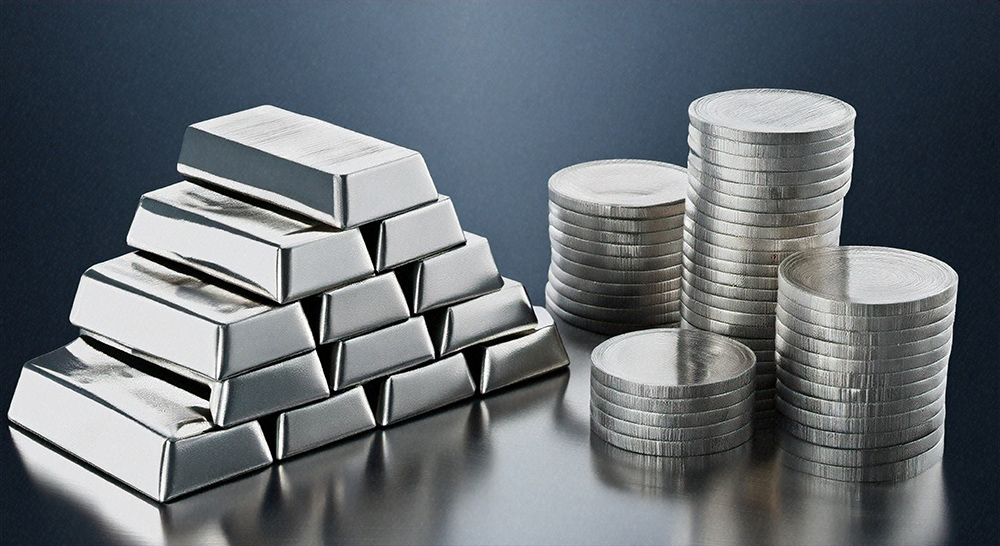
Silver occupies a more complicated space in the market. On the one hand, it is a precious metal with centuries of monetary history. On the other, it is also an industrial commodity used extensively in modern technology. But because silver costs far less per gram than gold, investors can accumulate larger quantities with smaller amounts of capital. This accessibility has also made silver particularly appealing to younger buyers and first-time precious metal owners.
The trend is increasingly visible among younger consumers. ‘Gold still retains its cultural and monetary value in Indian society, but we’re definitely witnessing a shift with younger consumers who are gravitating towards owning silver,’ says Resha Jain, Chief Brand Officer at GIVA. ‘The fact that it is affordable and pure encourages first-time consumers to own a precious metal at an earlier stage of their lives.’

‘In many ways, silver is becoming the gold of Gen Z – an accessory that not only speaks to trend but also represents value ownership. At GIVA, we’re witnessing this shift strongly in gifting as well. Silver jewellery for birthdays, milestones or even bridesmaids carries emotional value without the higher cost of gold,’ Resha notes.
Additionally, silver also plays a key role in electronics, solar panels, batteries and medical devices. As industries expand, particularly renewable energy, demand for silver often increases. This industrial connection is why silver prices can rise sharply during periods of economic growth. But it also explains why silver tends to be more volatile than gold.
When industrial demand slows, silver prices can fall more quickly.
For investors, this creates an interesting dynamic. Silver may offer higher upside during commodity cycles, but it also carries greater short-term risk. Some analysts even describe silver as “gold with leverage” – a metal that often amplifies the broader precious metal trend.
Taxes And Investment Efficiency
Taxation also shapes the real returns investors receive from precious metals. In India, profits from selling physical gold or silver are treated as capital gains. If the asset is sold within the short holding period, gains are taxed according to the investor’s income slab. Longer holding periods typically attract long-term capital gains tax. Gold offers an additional advantage through sovereign gold bonds (SGBs) issued by the government. However, Government of India has stopped issuing new SGBs, with no fresh tranches released since February 2024. The decision to suspend the scheme follows concerns over the high borrowing costs associated with it.
Also Read: What Lies In The Future Of Indian Luxury? Experts Reveal
These bonds allow investors to track gold prices without physically holding the metal. They also offer around 2.5 percent annual interest, and capital gains may be exempt from tax if the bonds are held until maturity.
Silver currently has no equivalent government-backed investment instrument.
What Smart Investors Look For When Buying Gold
Anyone purchasing gold as an investment should pay attention to three things – purity, certification and simplicity. In India, jewellery is usually sold in 22-carat purity, while coins and bullion bars are typically 24-carat, meaning they contain 99.9 percent pure gold. From an investment perspective, 24-carat coins or bars generally offer the best resale value, since they contain the highest gold content and minimal design costs.
Certification is equally important. Investors should ensure their gold carries the BIS hallmark, which verifies purity and authenticity.
Jewellery embedded with gemstones or elaborate designs may look attractive but often reduces resale value because buyers primarily pay for the gold weight. Simpler items like plain chains, bangles or rings without stones tend to retain value better.
Buying Silver: Pure Bullion Vs Other Forms
Silver investors should follow a similar principle. The closer the product is to pure bullion, the better the resale potential. Coins or bars with 999 purity (99.9 percent silver) are widely traded and easier to sell.
Decorative silver items like utensils, idols or jewellery often include craftsmanship costs that are difficult to recover during resale.
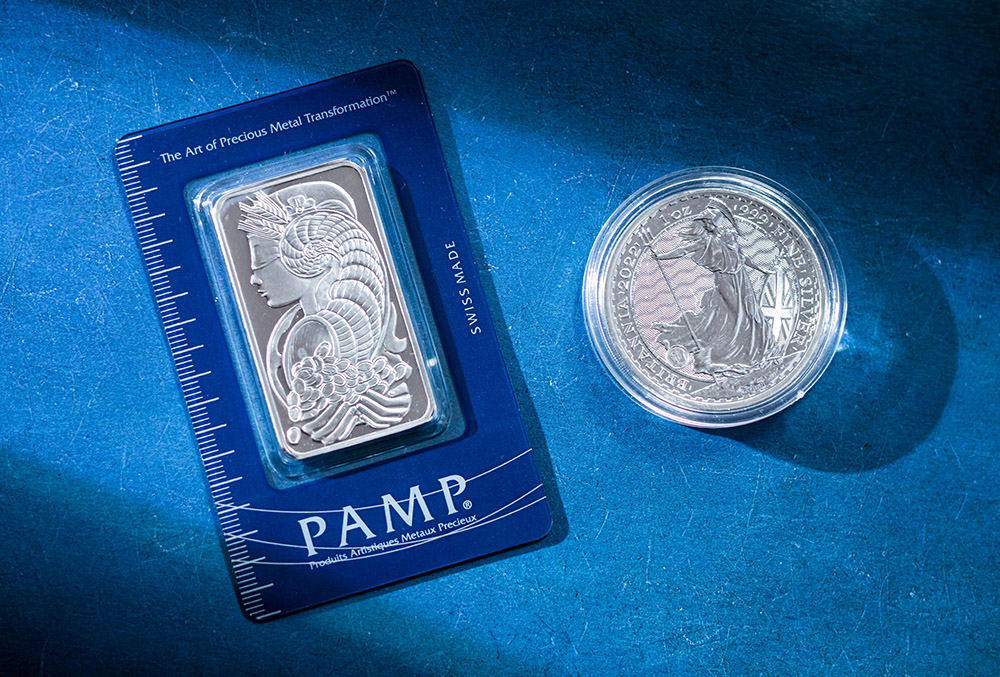
There is also a practical consideration. Because silver is far cheaper per gram than gold, meaningful investments often require larger quantities, which can create storage challenges.
Still, silver’s growing role in renewable energy technologies has made some investors increasingly optimistic about its long-term demand.
The Gold–Silver Balance
For most investors, the decision is not necessarily a choice between gold and silver but rather how to balance the two. Gold remains the more stable and widely trusted asset, ideal for wealth preservation and portfolio stability.
Silver, meanwhile, can serve as a higher-risk diversification tool, particularly during strong commodity cycles.
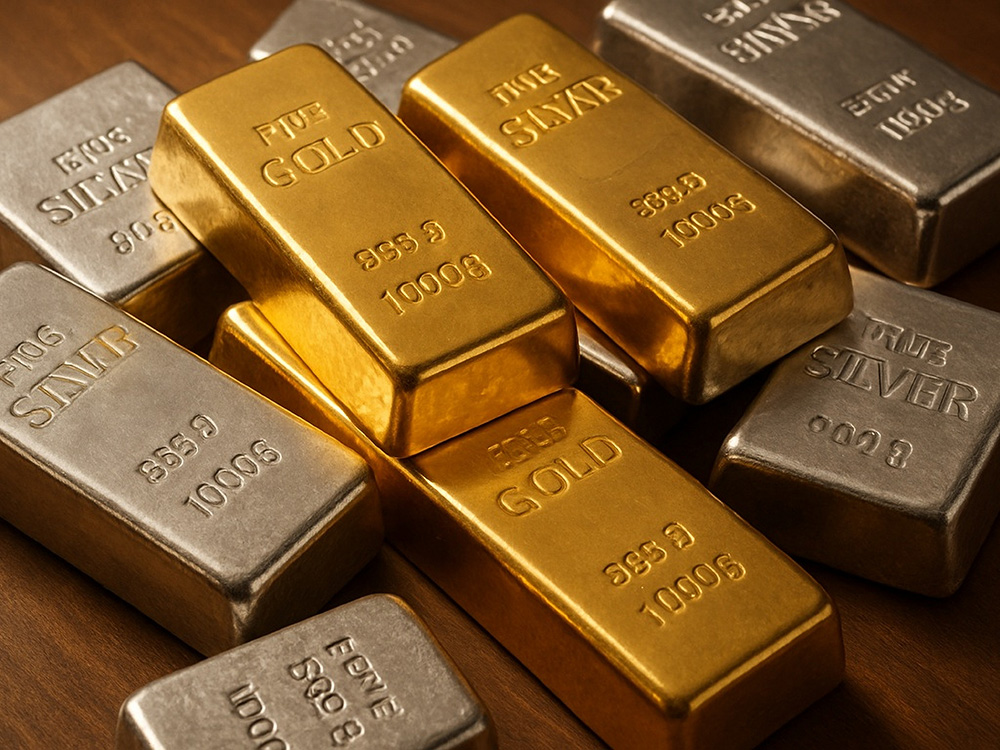
Financial planners often suggest allocating 5 to 15 percent of a portfolio to precious metals, with gold forming the bulk of that allocation and silver playing a smaller supporting role. In the end, India’s centuries-old relationship with precious metals continues to evolve. The sentiment behind buying gold or silver may remain deeply cultural but the strategy behind it is becoming increasingly financial.
Smart Ways To Invest In Gold And Silver
One important factor investors often overlook is time horizon. Precious metals, like most assets, should be viewed through a long-term lens. Investments are typically evaluated over five, ten or even twenty years, not a few months. Short-term price movements can be unpredictable, and there is rarely any investment that guarantees returns in the near term. Gold and silver may both experience fluctuations over shorter periods, but their value as wealth preservation assets becomes clearer over longer investment cycles.