Luxury is no more defined by just opulence or tangible assets. Sure your heart still does a little somersault when you pass by a Chanel perfume counter, swatch half of Sephora lipstick on your arm, or eye that Bvlgari timepiece you saw on a celebrity. But how does it feel once you own it? Forgetful. Maybe after a week.
With a recent Michael Kors gifted to this writer by a cousin as a wedding gift, it made her feel joyous. But momentarily. What lingered more was perhaps a trip to Chettinad about a jewellery museum turned into a cherishable experience with Chettinad’s cuisine, craft-village experience, age-old mansions and hospitality, all coming under one itinerary.
In today’s age, the luxury sector is witnessing a profound shift towards experiential luxury — it’s one that makes you pause, reflect, relax and develop a more personalised connection with the experience. It could be a friendly walk-though at a private art salon that tries to make art less intimidating, a concept luxury dine-in that offers more than just being a dining destination to an evocative fashion campaign which is more than just about selling designer wear.
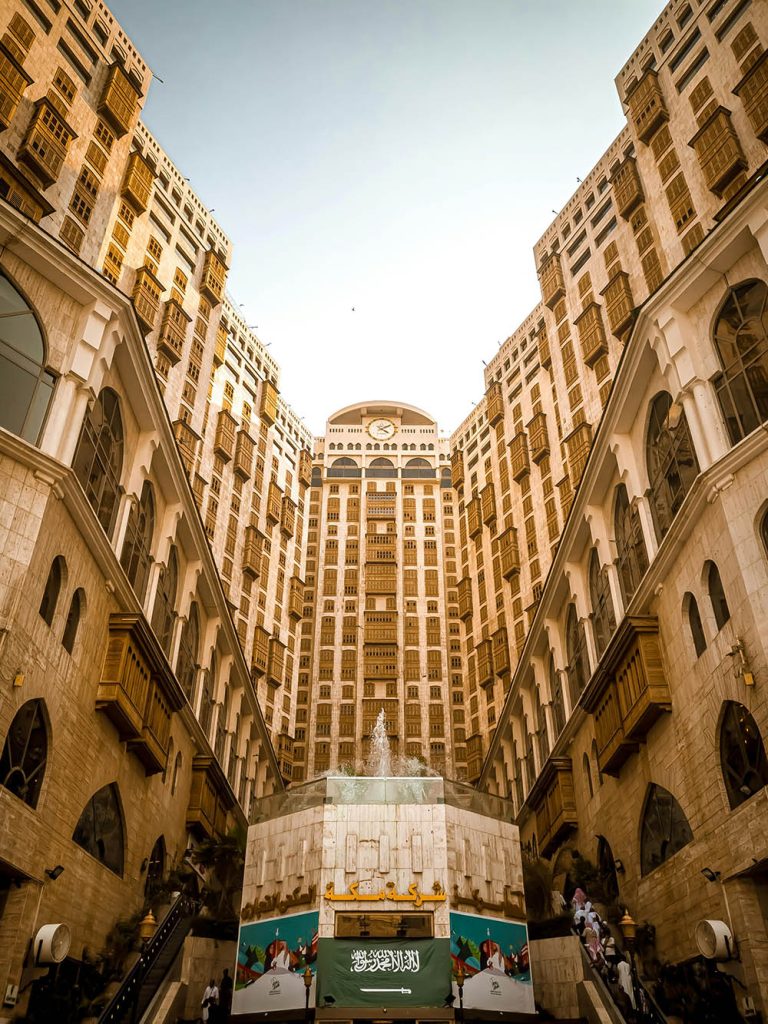
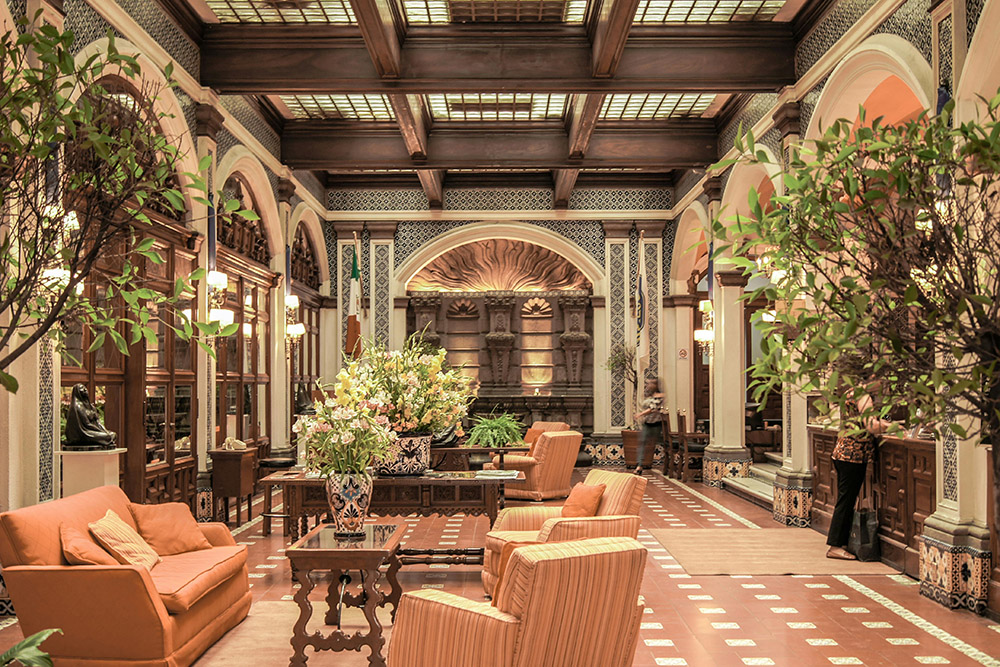
Experiences that offer beyond the product are most remembered and cherished. As per market research Euromonitor, luxury experiences, especially fine-dining, high-end hospitality and travel are expanding at a compound rate of nearly 78% and will be the main driver of growth in India’s booming luxury market set for a 10% growth in 2025. We speak to industry experts on how the meaning of luxury has changed to become personal, meaningful, authentic and one rooted in experiences.
Rise of experiential travel
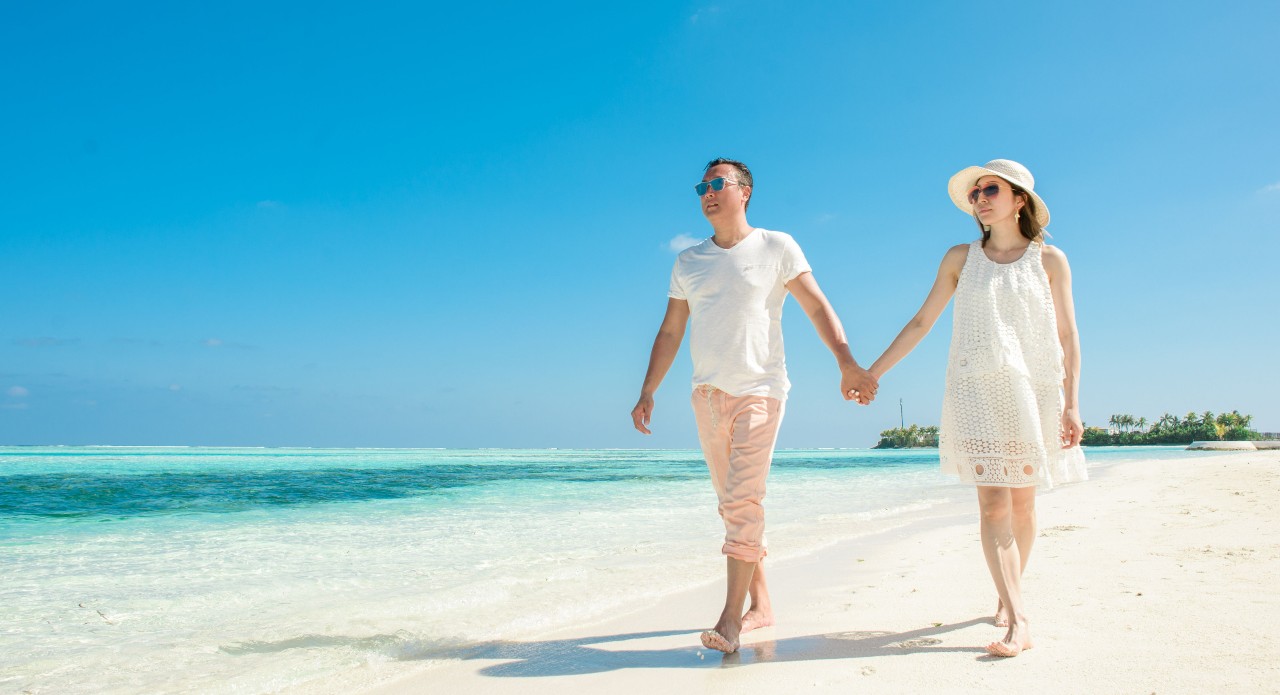
Experiential travel has almost become like a buzzword with travellers choosing slower, more meaningful holidays over rushed sightseeing. As per travel company WanderOn, India’s experiential travel market is set to reach US dollar 45 billion by 2027, driven mainly by Gen-Z. It signals a shift towards immersive, curated and meaningful travel experiences backed by a rise in aspiration and a liking for solo and offbeat experiences. “Unlike before, when travel was about grand hotels and packed itineraries, today’s luxury travelers look for authenticity and emotional fulfillment,” says Francis Thomas, General Manager at The Orchid Passaros, Goa.
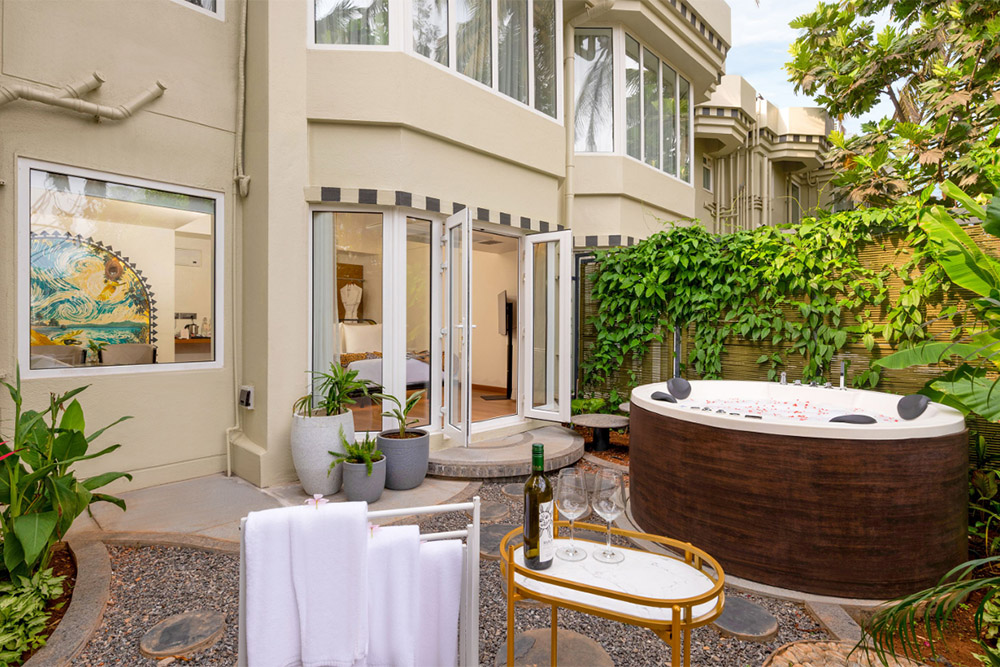
Being an adults-only resort near Benaulim Beach, The Orchid Passaros has ensured that every element is designed to create intimacy, and a strong sense of place. “From private jacuzzis in select rooms, candle-lit dinners under the stars, couple spa sessions that help them unwind together to a taste of local Goan culture with regional cuisine, the idea is to make every moment personal.” Thomas adds that the guests wish to experience the “essence” of a place, a shift largely driven by a growing desire for “wellness, mindfulness, and quality time,” after the pandemic. “Guests gravitate towards refined simplicity — boutique spaces that feel personal and grounded. They appreciate attention to detail, warm hospitality, and a sense of belonging.”
What’s Your Story?
In fashion, F&B and lifestyle, we’re seeing a clear shift from merely showcasing products to curating worlds around them. From designer Khushi Shah teaming up with Chhau artists for her campaign, Chhau by Shanti to Raw Mango’s Sanjay Garg bringing the beauty of archival textiles with a Once Upon A River campaign shot at an abandoned haveli in Gujarat, the story around the product amplifies the offering.
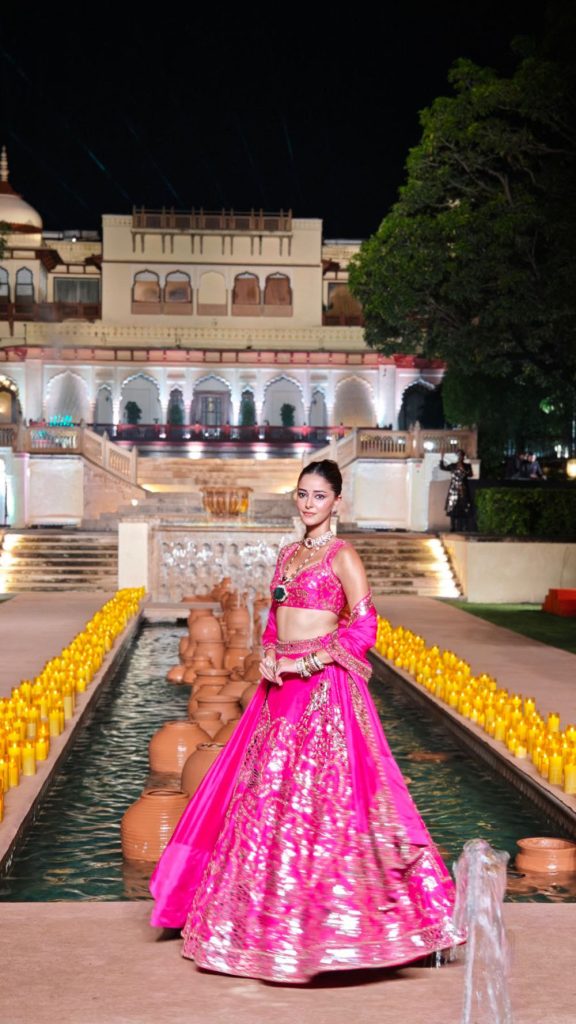
The Envelop, an agency centred around creating brand experiences, this year, collaborated with one of the most unforgettable designer showcases- the Punit Balana 10-year anniversary show. The focus wasn’t just on the garments but the world they inhabited. “We transformed Rambagh Palace into a living canvas where Jaipur’s craft heritage met contemporary storytelling,” says Jai Sharma, Founder, Envelop adding, “Similarly, in our work across weddings and hospitality like the Fairmont Udaipur showcase ‘From a Broken Perfume Bottle to a Sakura Trail’ the idea was to build a sensorial narrative. We design emotion as the product; the physical form is simply its vessel.”
In the food and beverage industry, concept restaurants are making waves crafting an experience around food. From Dramique being India’s first culinary theatrical experience, Refuge letting one sip on cocktails inspired by history’s most significant human migrations to The Love Hotel reminding of Japan’s couple coves, they offer beyond seasonal menus and great interior design. “Whether it’s art-led dining, destination weddings, or immersive hospitality, the new luxury consumer is seeking something that feels crafted for them, not mass-created for everyone,” says Sharma.
Restorative luxury
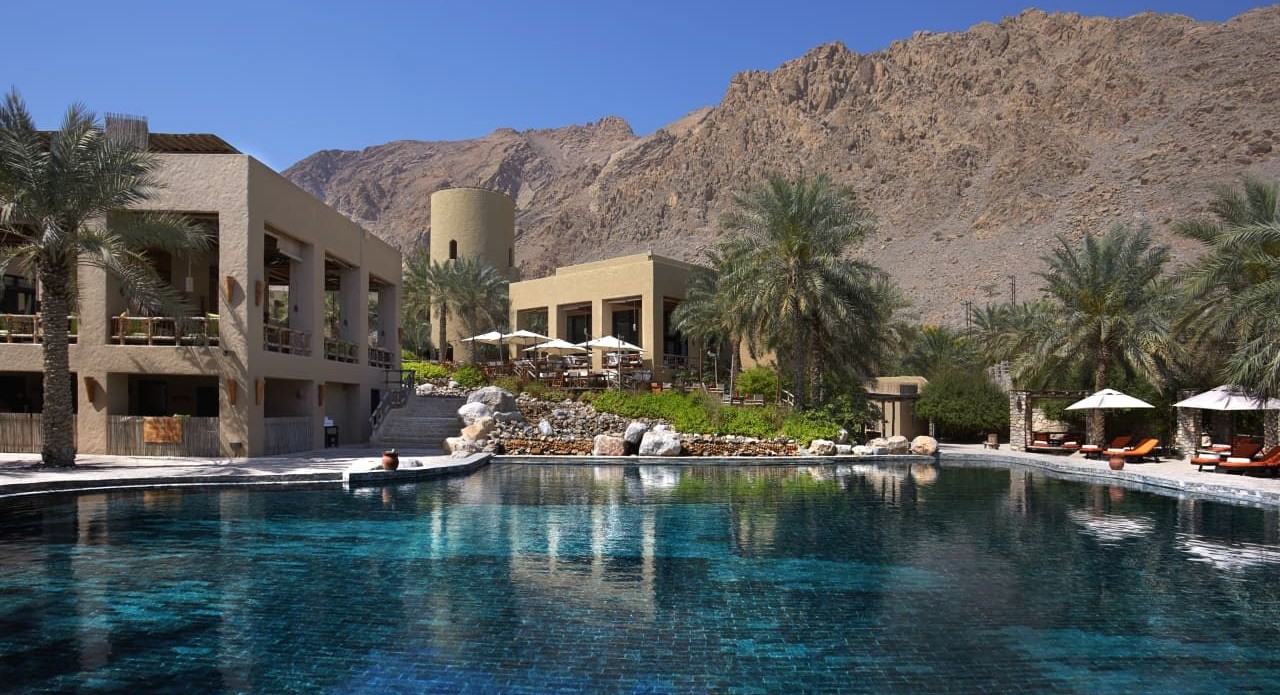
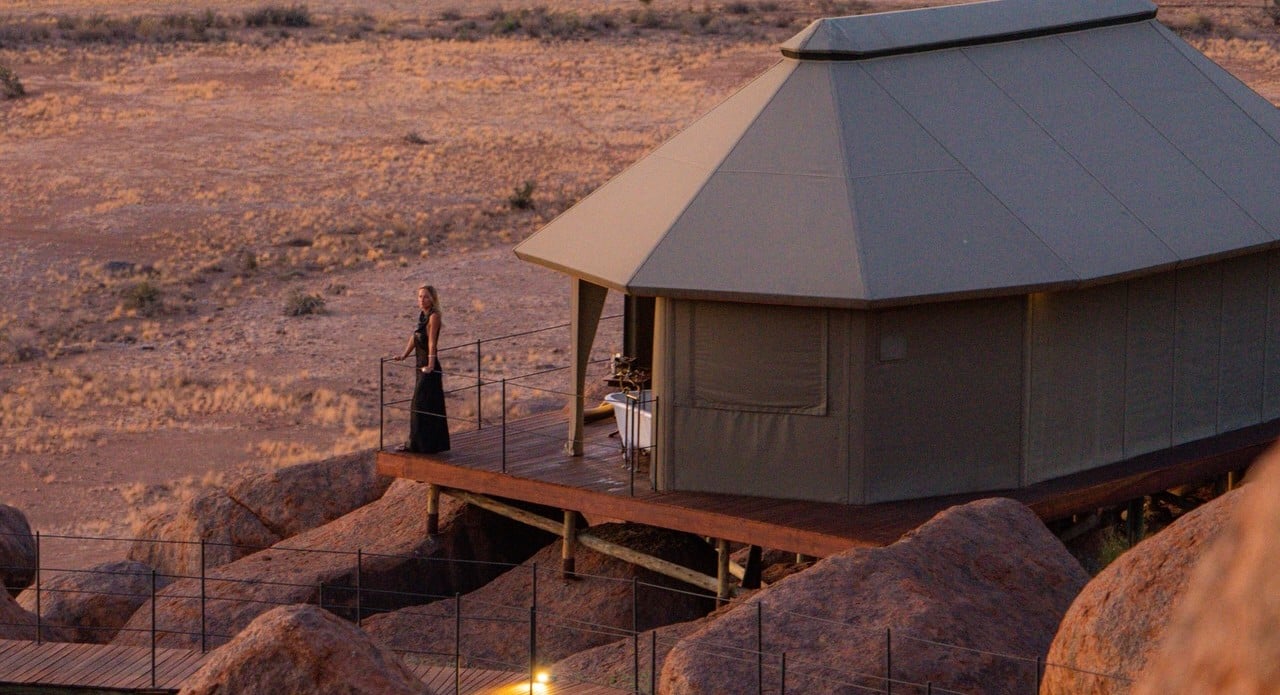
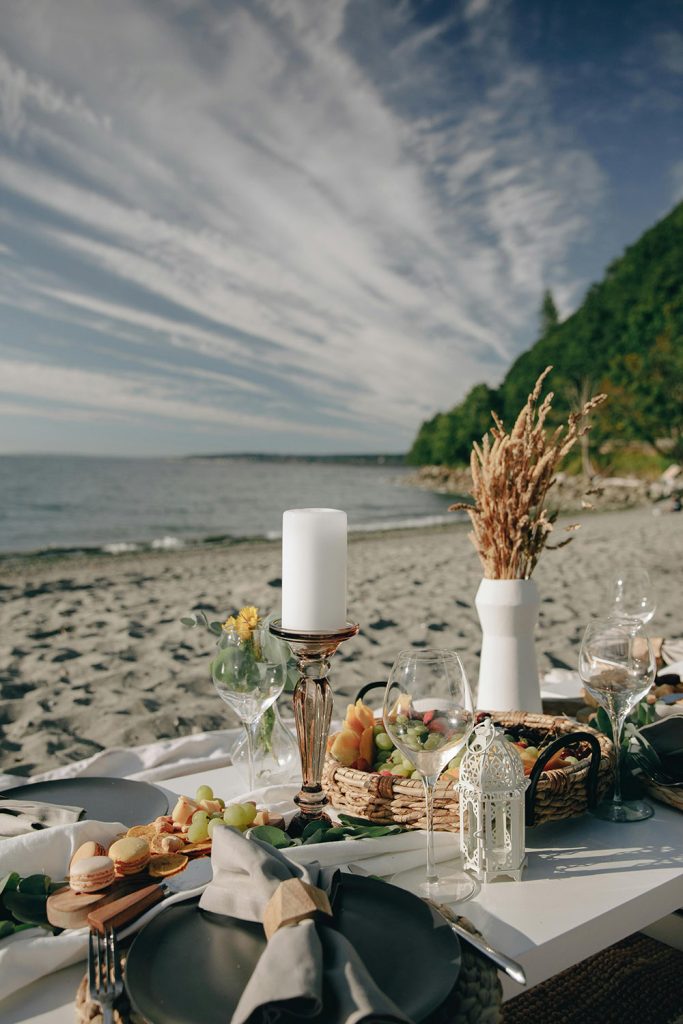
People are seeking wellness experiences that feel intentional, and restorative. It’s no longer just about a visible glow, but about feeling centered and nurtured from within. As per Statista, the global wellness tourism industry is predicted to be worth $1.35 trillion in 2028, up from $637 billion in 2022. “Guests are taking fewer but longer trips, often choosing places where they can slow down and truly experience their surroundings. Private villas and heritage suites are becoming increasingly popular, especially among families and couples who value privacy and space. Many guests prefer tailor-made itineraries that bring together wellness, culture, and food. It could be a morning yoga session by the water, a guided
spice walk, or a sunset dinner featuring heirloom recipes. This change is driven by a desire for balance and meaning,” says Lalith Viswakumar, Area Director – Kerala Operations and General Manager, Taj Malabar Resort and Spa, Cochin.
For people who can’t go outside their city for restoratve luxury, they’re seekig wellness havens inside. At Mumbai-based Dhun Wellness, founded by Mira Rajput Kapoor, the therapies blend ancient wisdom with modern technology for holistic living. “Consumers are increasingly allocating a larger portion of their spending to experiential and service-based offerings, including wellness, travel, and lifestyle programs, rather than exclusively to material goods. This shift reflects a new consumer segment that prioritises curated, high-quality experiences with measurable impact, signaling a significant growth opportunity for businesses in the wellness and lifestyle space,” says Mira Rajput Kapoor, the celebrity face behind Dhun Wellness.
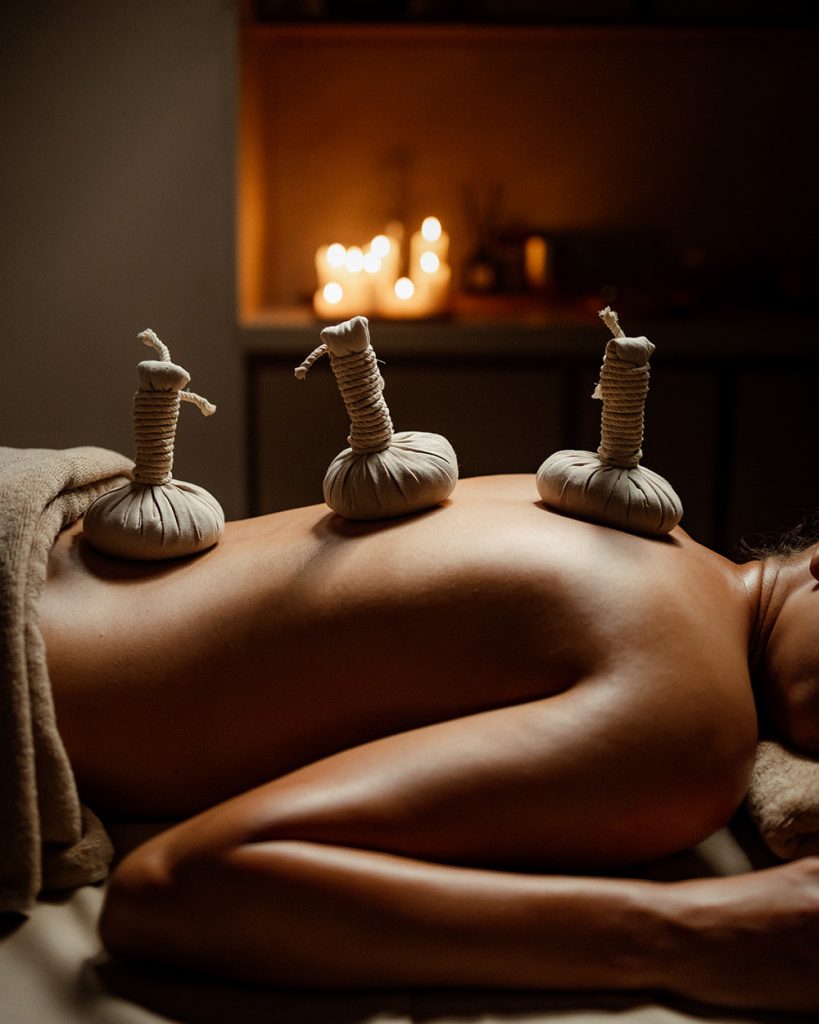
“Therapies such as Sound Healing and traditional Ayurvedic treatments, once rooted in ancient India, have resurfaced globally as people reconnect with holistic approaches to well-being. The same wellness seekers are also drawn to modern recovery therapies such as infrared saunas, cryotherapy, and more. At Dhun, experiences like the Hydralift, our anti-stress beauty ritual, or the BCR Microcurrent system go beyond surface-level care, addressing wellness at a deeper, cellular level,” Kapoor says, adding that what sets modern wellness apart is the focus on pause, presence, and depth where choices are guided not by “trends,” but by a desire for “authenticity.”
What’s fascinating ahead is to witness India’s shifting perception of luxury. Sharma opines, “People want modernity, but not at the cost of identity. That’s why we see a rise in bespoke experiences, a dinner that feels like theatre, a wedding that reads like poetry, or a brand launch that doubles as an art installation. The future of Indian luxury will belong to those who can merge heritage with emotion and experience with meaning.”