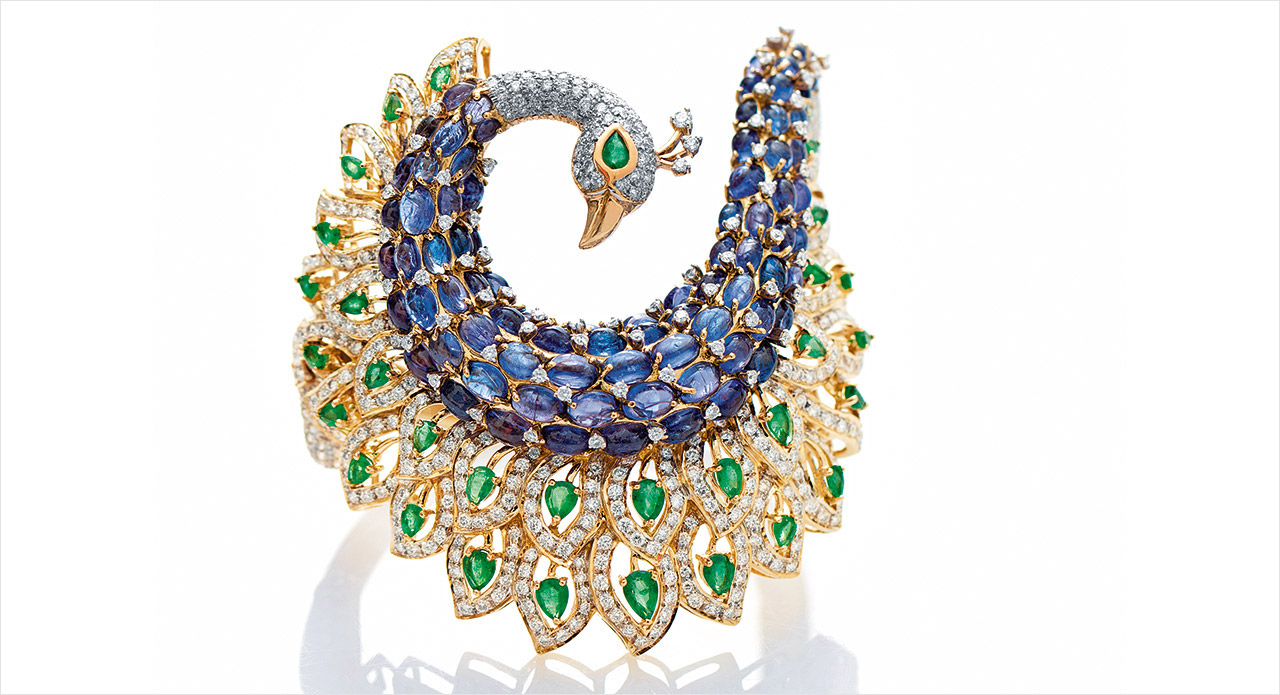


As someone who has spent over three decades immersed in the world of gemstones, I’ve come to believe that the stones we desire are often a reflection of the spirit of the times, and in 2026, I see colour, emotion and authenticity leading the global conversation. Paraibas, rubellites and emeralds are the gems that define desire this year—each rare, resonant and deeply compelling in its own way. Paraiba tourmalines, with their electric neon glow born from nearly exhausted copper-rich deposits, remain one of the world’s rarest gemstones; only one is found for every 10,000 diamonds, making stones above 3 carats hard to come by and those over 5 carats almost mythical. Their scarcity and incomparable vibrancy often place them above diamonds in value, especially in top-quality grades. Rubellites, with their vivid pink-to-red spectrum, have always been admired for their emotional intensity and inner luminosity, but today a fine rubellite with rich saturation, good clarity and minimal inclusions has become increasingly rare.
The best stones from Mozambique and Nigeria now stand as strong investment gems—expressive, striking and incredibly alive. Emeralds, timeless symbols of renewal and insight, continue to hold a quiet power, and what makes them especially coveted now is the growing rarity of stones with deep saturation, good clarity and traceable origins. The most prized come from Colombia’s legendary Muzo, Chivor and Coscuez mines, as well as from Zambia. Transparent, clean emeralds are naturally scarce because beryl almost always forms with inclusions; the more transparent and lustrous the stone, especially in larger sizes, the more precious it becomes. Nero, the Roman Emperor, famously looked through an emerald every day believing it helped his eyesight, and for centuries others have believed emeralds bring luck and prosperity.
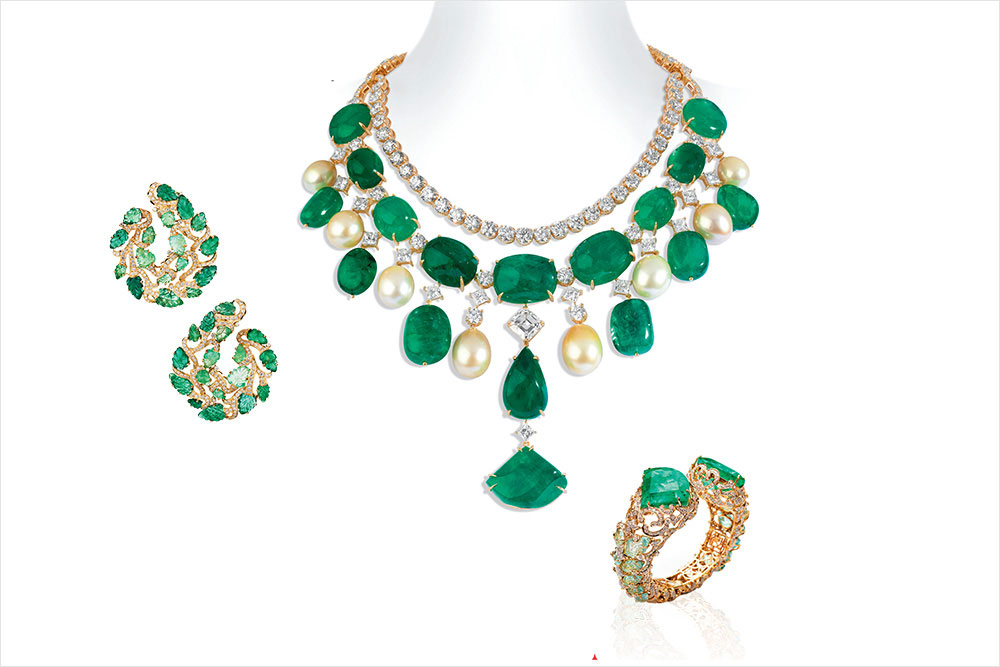
In my own studio, these gemstones become stories shaped through craftsmanship, geometry and emotion. Paraibas, with their vivid oceanic glow, feel almost alive, and when I design with them I like to let that neon blue take centre stage—whether they’re set solo in a dramatic diamond halo or paired with rubellites for a playful yet powerful burst of colour. I love the rhythm that emerges when paraiba’s cool radiance meets rubellite’s warmth: jewellery that feels fluid, joyful and unforgettable. Rubellites themselves have a depth that I find instantly captivating — rich, warm and intense. Whether I’m creating an ornate openwork bangle that glows with pink-red tones or a regal necklace draped in pear-shaped rubellites and fine pearls, I aim to let their natural allure shine. Framed with diamonds or set in soft gold, rubellites bring opulence and quiet strength, a colour that doesn’t just complement the jewel but defines its entire mood. And then there are emeralds—serene, expressive and endlessly majestic.
I explore their beauty through fluid openwork, carved leaf motifs, opulent cabochons and pearl pairings, allowing their innate depth to shine whether they’re softly glowing in lace-like gold or making a bold, sculptural statement in a dramatic necklace.
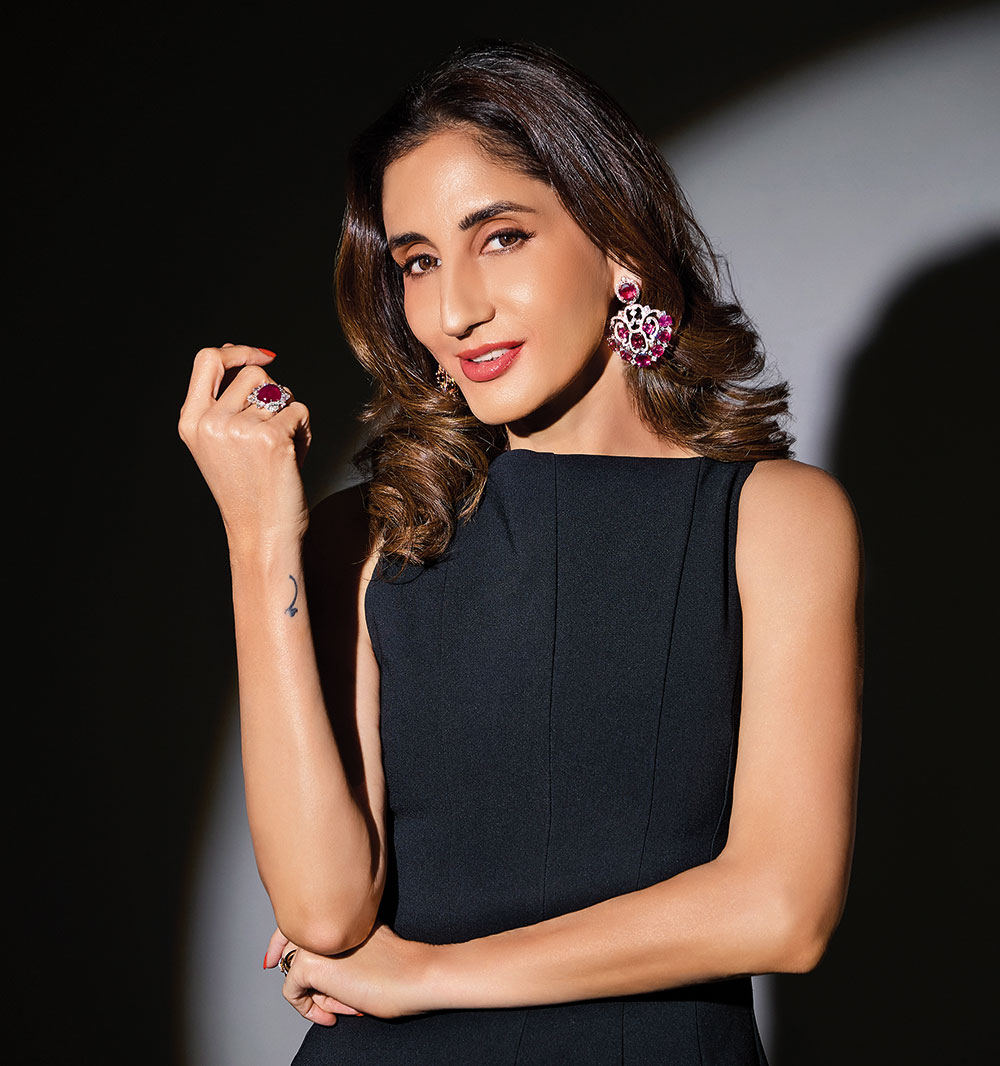
What excites me most today is how collectors are changing. People no longer want to buy jewellery only because tradition tells them to; they want pieces that reflect who they are. The world is steadily moving away from diamond-first thinking and embracing jewellery that carries emotional resonance—vivid colour, unique cuts, unexpected materials and designs with narrative meaning. My clients want stones with personality, history and soul, gems that feel expressive, intimate and unforgettable.
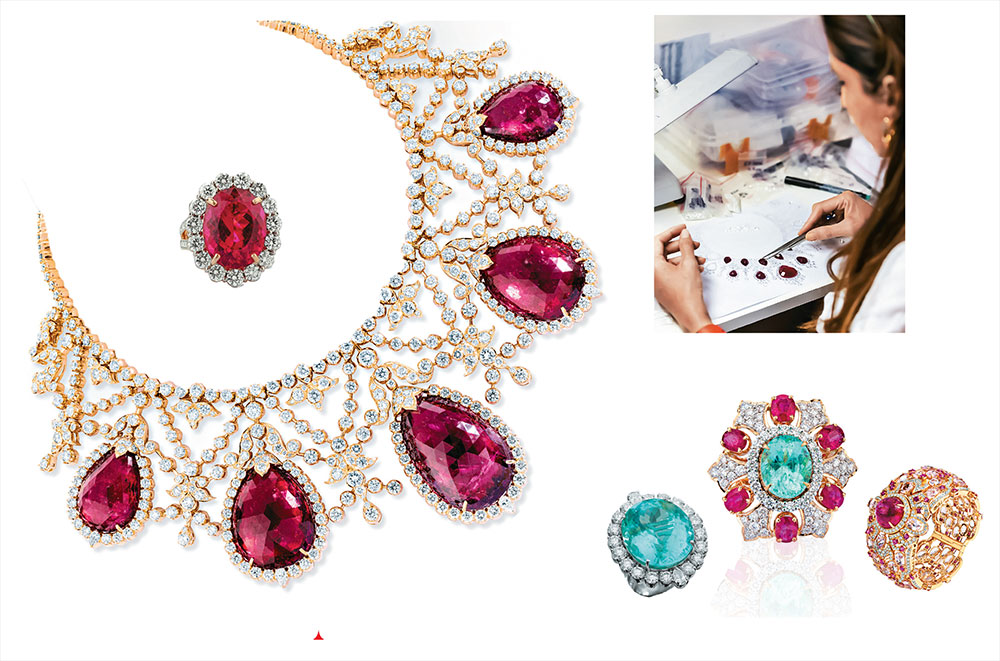
Looking ahead, I believe the future of luxury jewellery belongs to stones with true individuality and authentic energy. Paraibas will continue to fascinate for their surreal glow, rubellites for their emotional vibrancy, and emeralds for their meditative presence. Alongside them, tourmalines, tanzanites, citrines, opals and blue topaz will keep rising as collectors seek meaningful colour, rarity and emotional connection over convention.
The author is a gemologist and the founder of Farah Khan Fine Jewellery