Why Lacquered Dials Are The Ultimate Luxury Touch In Watchmaking
The finish that turns a watch dial into a mirror of craftsmanship, lacquered dials are about depth drama and flawless patience
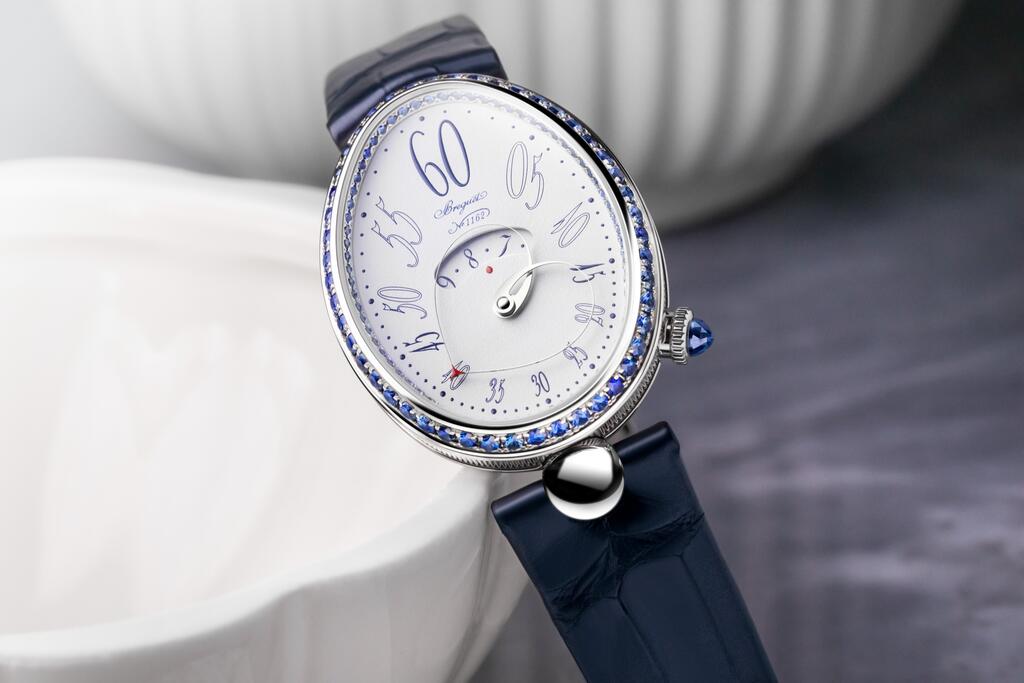
A lacquered dial is not subtle and it is not trying to be. The moment light hits it the dial comes alive with depth shine and an almost liquid glow. It looks smooth enough to fall into and perfect enough to question whether it is even real. That visual drama is exactly why lacquered dials have become shorthand for luxury in watchmaking. They are not just about shine. They are about perfection achieved the slow way.
What Makes Lacquered Dials So Special
Unlike textured or brushed surfaces lacquered dials rely on depth rather than pattern. The magic comes from layers. Multiple ultra thin coats of lacquer are applied one after another creating a surface that looks rich smooth and impossibly even. Each layer adds visual depth and richness to the color underneath.
This is why black lacquered dials feel darker than black paint and why white lacquer seems almost porcelain like. Light does not just bounce off the surface. It travels through it. That sense of depth is something no printed or stamped dial can replicate.
The Art And Pain Of Making A Lacquer Dial
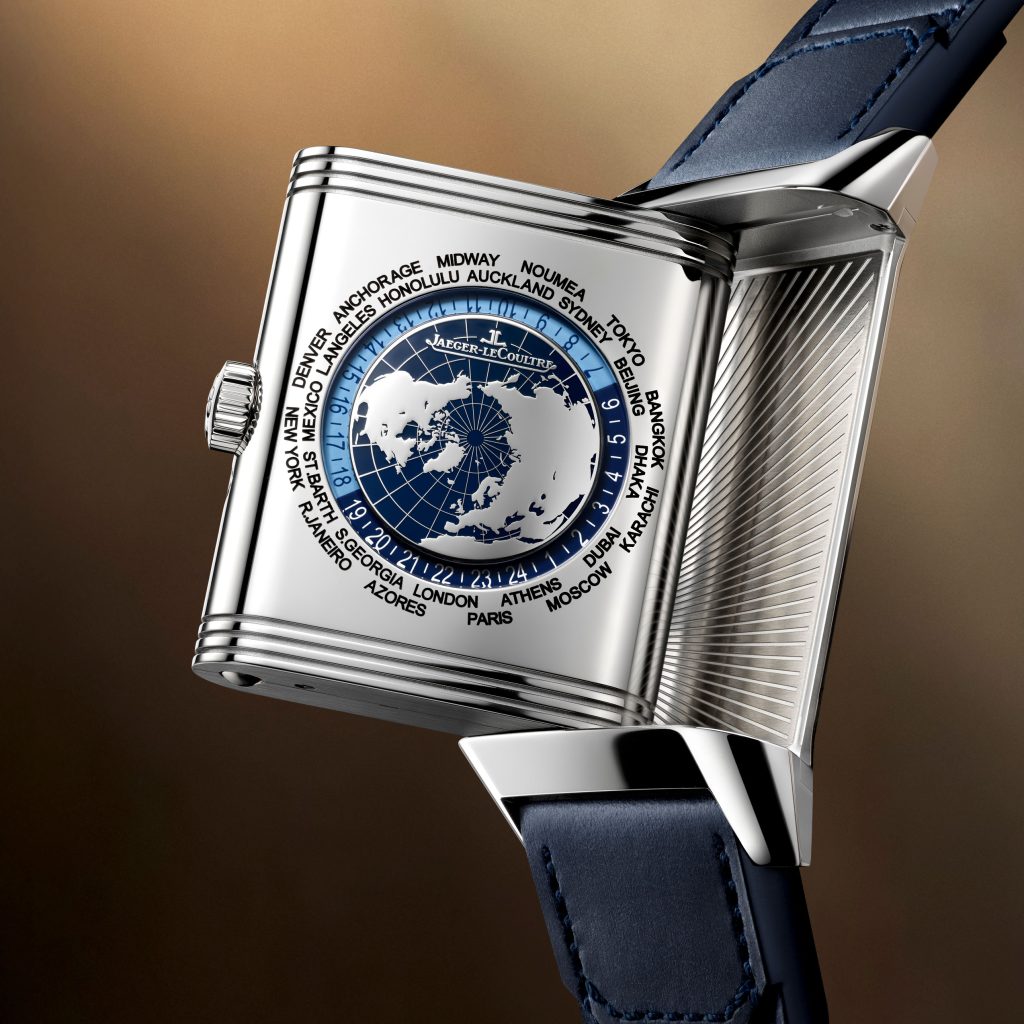
Making a lacquered dial is a test of patience. The process begins with a perfectly prepared base because lacquer shows everything. Any dust scratch or unevenness will be magnified once the gloss builds. Each lacquer layer is applied by hand or precision spraying and then left to dry or cure. This can take hours or days depending on the formulation. Once dry the surface is lightly polished before the next layer is applied.
This cycle repeats again and again sometimes dozens of times until the desired depth and gloss are achieved. One mistake at any stage means starting over. Dust trapped between layers uneven drying or micro bubbles can ruin the dial. There is no fixing it later. This high rejection rate is one of the reasons lacquered dials are associated with high end watchmaking.
Also Read: Sébastien Billières Interview: How India’s Curiosity and Cultural Richness Shape Its Market
Why Lacquer Equals Luxury
Lacquered dials are expensive not because the materials are rare but because time is. The number of hours invested in a single dial makes it impractical for mass production. Brands that choose lacquer are making a statement that speed efficiency and shortcuts are not the priority. There is also an emotional aspect. Lacquered dials feel refined formal and deliberate. They suit dress watches and elegant complications where visual purity matters. A glossy dial paired with slim hands and minimal markers creates a timeless aesthetic that feels just as relevant decades later.
Colour That Feels Alive
One of the greatest strengths of lacquer is color. Bold shades like red blue or green become richer and more saturated under lacquer. Neutral colors gain warmth and softness. This is why lacquered dials often look different in changing light sometimes dark and serious sometimes vibrant and expressive. Collectors often describe lacquered dials as having a living quality. The dial shifts personality depending on the angle the light and even the time of day.
Where Lacquered Dials Are Used Best
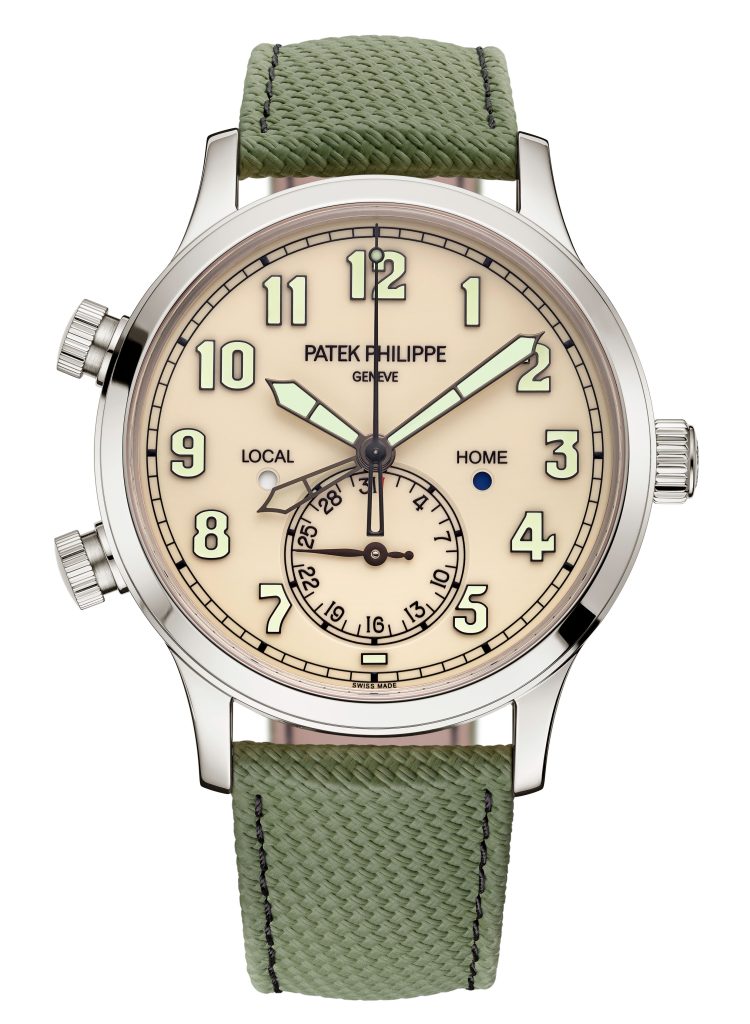
Lacquered dials are most commonly found in dress watches but they also appear in modern minimalist designs where a clean glossy surface becomes the main attraction. Independent brands often use lacquer to showcase purity of form while established maisons use it to demonstrate finishing mastery. You will also see lacquer paired with precious metals enamel or subtle textures to add contrast without overwhelming the dial. When balanced correctly the result is elegance without excess.
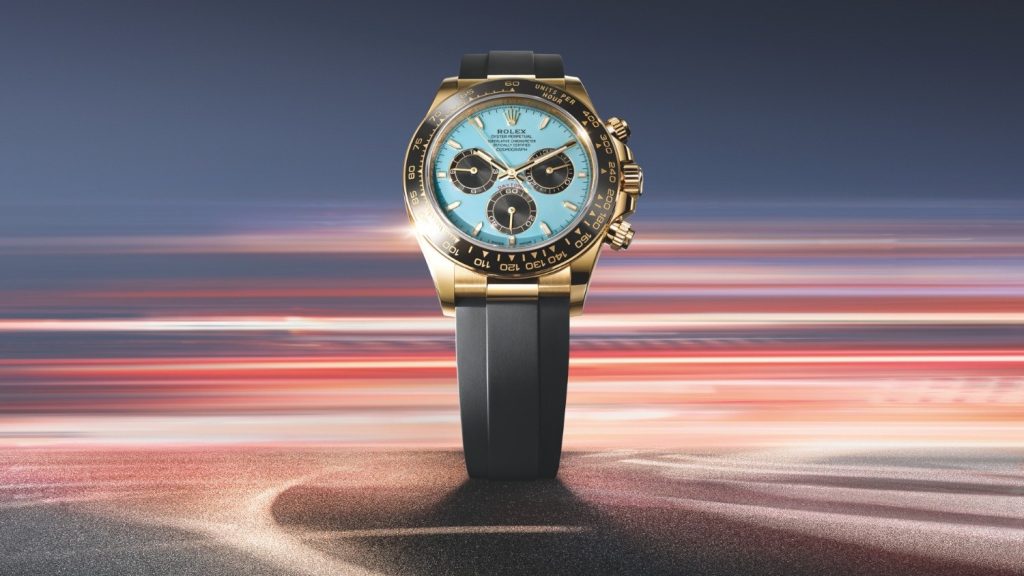
The Flip Side Of Perfection
Lacquered dials are not practical for everyone. They show fingerprints scratches and dust more easily than matte or textured finishes. They demand careful handling and thoughtful design to avoid looking flashy or overdone. But that is part of their charm. Lacquered dials are not meant to be tools. They are meant to be appreciated.
Why They Endure
Lacquered dials remain the ultimate luxury touch because they represent something rare in modern manufacturing patience. They reward stillness and attention. They do not chase trends or rely on gimmicks.
In a world moving faster every day a perfectly executed lacquered dial is proof that slowing down still produces the most beautiful results.