

Some buildings are completed in years. Others take centuries to become what their creators imagined. The world’s greatest cathedrals belong to the second category, standing as extraordinary examples of patience, craftsmanship and ambition. These are not merely places of worship, but living monuments where generations of architects, sculptors, craftsmen and artists contributed to a single vision that often extended far beyond their own lifetimes. Built with stone, glass and an almost impossible level of detail, these structures reveal a fascinating truth about humanity: some creations are not designed for the present moment. They are built for future generations to inherit.
Across Europe, cathedrals rose as symbols of faith, power and artistic excellence. Their towers transformed skylines, their stained glass captured stories in colour and their architecture pushed the boundaries of what was possible. From medieval Gothic giants to modern masterpieces still under construction, these cathedrals continue to represent the highest expression of human creativity.
Cologne Cathedral, Germany
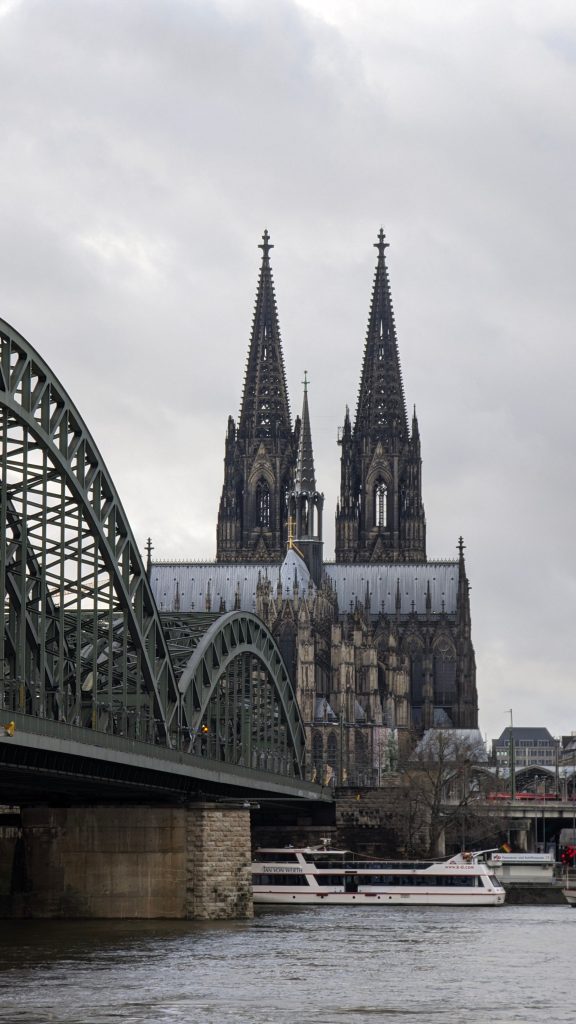
The Cologne Cathedral stands as one of the greatest achievements of Gothic architecture and one of the most impressive examples of a vision carried across generations. Construction began in 1248, inspired by the ambition to create a cathedral worthy of housing the relics of the Three Kings. Yet the project proved far more demanding than anyone imagined. The cathedral’s soaring towers, intricate stone carvings and enormous stained glass windows required extraordinary skill and dedication. Work continued for centuries before construction eventually stopped in the 16th century due to financial and architectural challenges. For hundreds of years, the unfinished cathedral dominated Cologne’s skyline as a reminder of an incomplete dream.
The 19th century brought renewed enthusiasm, and construction resumed using the original medieval plans. The cathedral was finally completed in 1880, more than 600 years after its foundation stone was laid. What makes Cologne Cathedral remarkable is not just its size, but its continuity. Generations of craftsmen worked on the same vision, creating a structure that feels almost timeless. Even today, restoration work continues, proving that some masterpieces are never truly finished.
Also Read: Patrik Schumacher Unveils New Identity For Zaha Hadid Architects
Basílica De La Sagrada Família, Spain
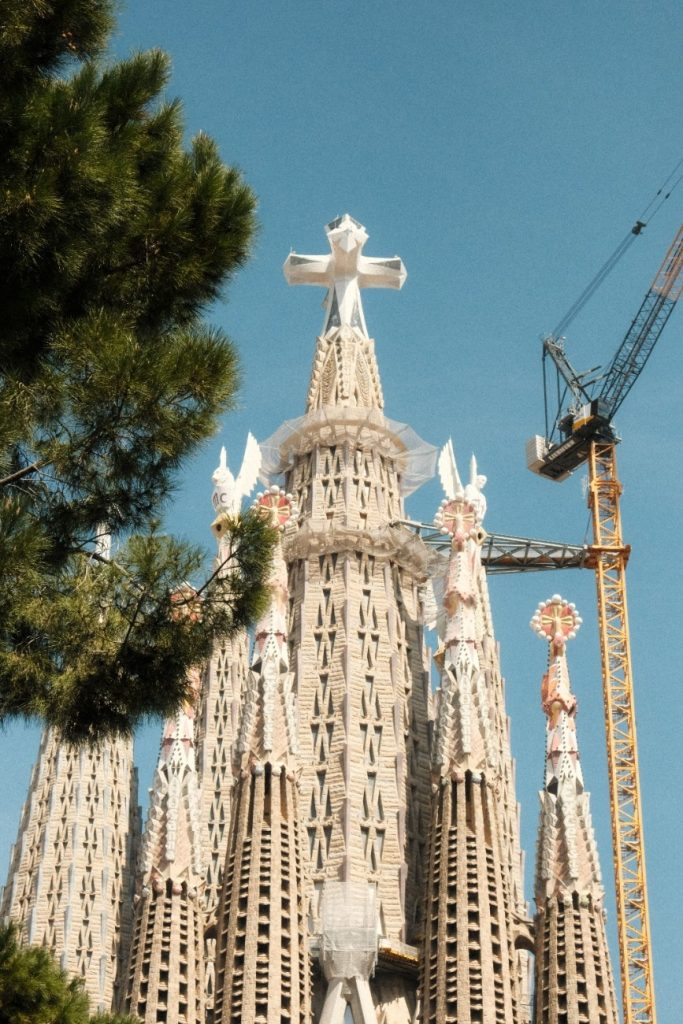
The Basílica de la Sagrada Família is perhaps the most famous example of a cathedral that became larger than the lifetime of its creator. Designed by Antoni Gaudí, construction began in 1882, and Gaudí dedicated much of his life to transforming it into a monumental expression of nature, faith and architecture. Unlike traditional cathedrals, Sagrada Família does not follow conventional Gothic principles alone. Its twisting towers, organic forms and detailed sculptures reflect Gaudí’s belief that architecture should imitate the beauty and complexity of the natural world.
The project was still unfinished when Gaudí died in 1926, leaving behind drawings, models and ideas for future generations to continue. Over the decades, architects and craftsmen have carefully interpreted his vision, working through wars, challenges and technological changes. Sagrada Família remains one of the world’s most fascinating architectural stories because it is both a historical monument and a living project. Every generation adds another chapter to Gaudí’s extraordinary imagination.
St. Peter’s Basilica, Vatican City
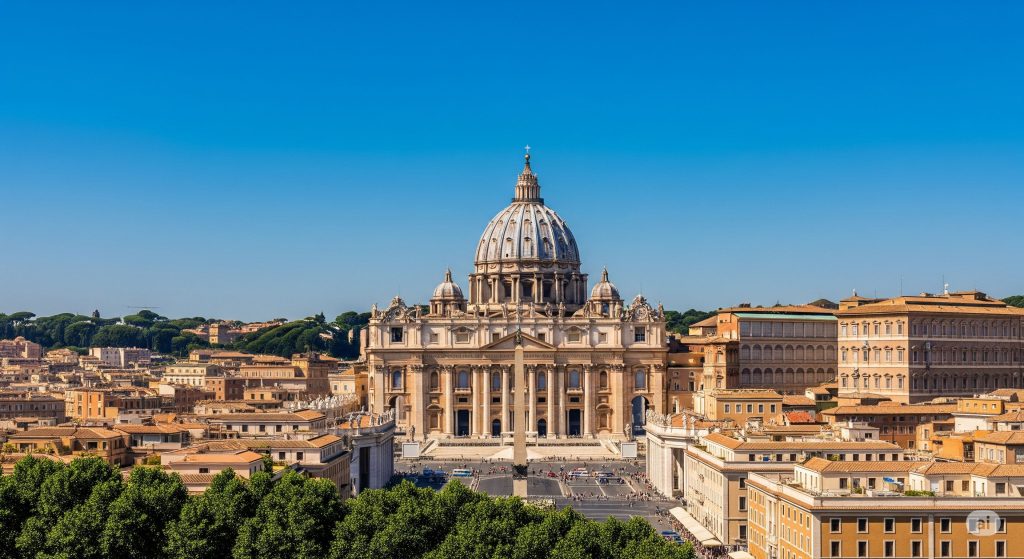
The St. Peter’s Basilica is one of the most important religious buildings in the world and a symbol of Renaissance architectural achievement. Built on the traditional site believed to be the burial place of Saint Peter, the basilica’s construction involved some of history’s greatest artistic minds. The project began in the early 16th century and continued for more than a century, involving architects including Michelangelo, who played a crucial role in designing the famous dome.
The scale of St. Peter’s Basilica is almost overwhelming. Its vast interior, monumental columns and artistic treasures reflect an era when architecture was used to demonstrate both spiritual devotion and human achievement. More than a building, it became a symbol of Renaissance ambition, where painting, sculpture and engineering came together on an extraordinary scale.
Also Read: Who Is Marina Tabassum? The Bangladeshi Architect Redefining Human-Centred Design
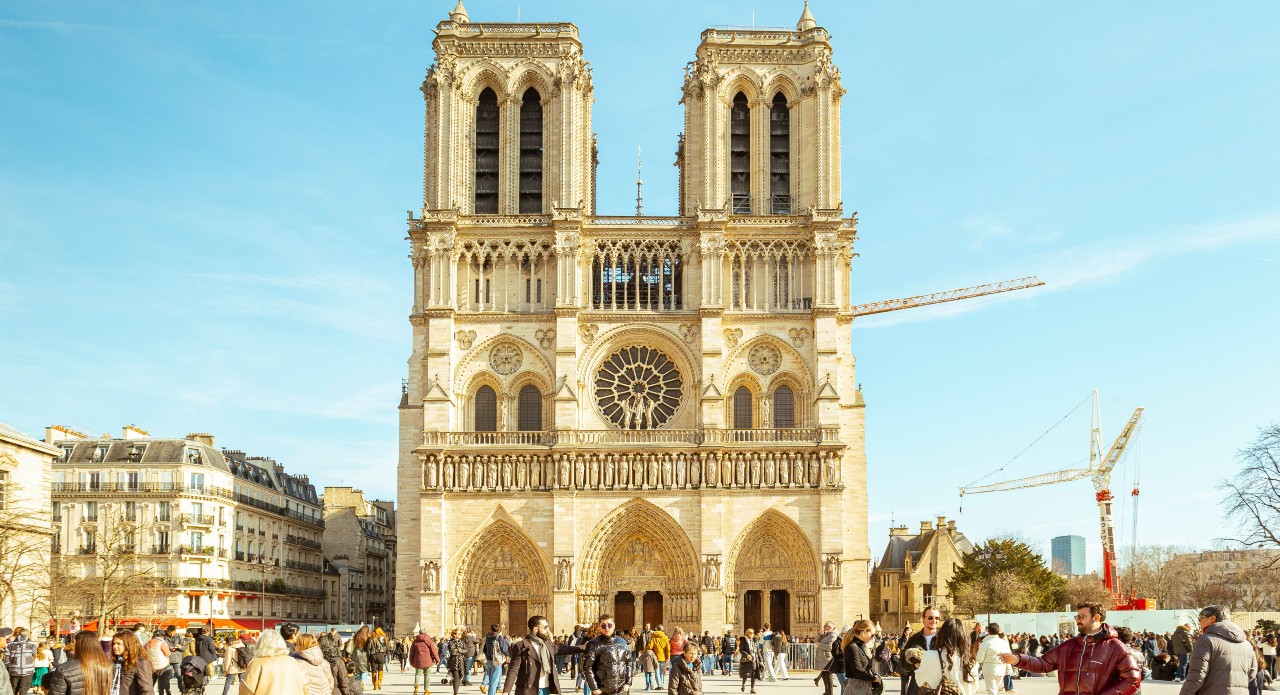
Notre-Dame de Paris, France
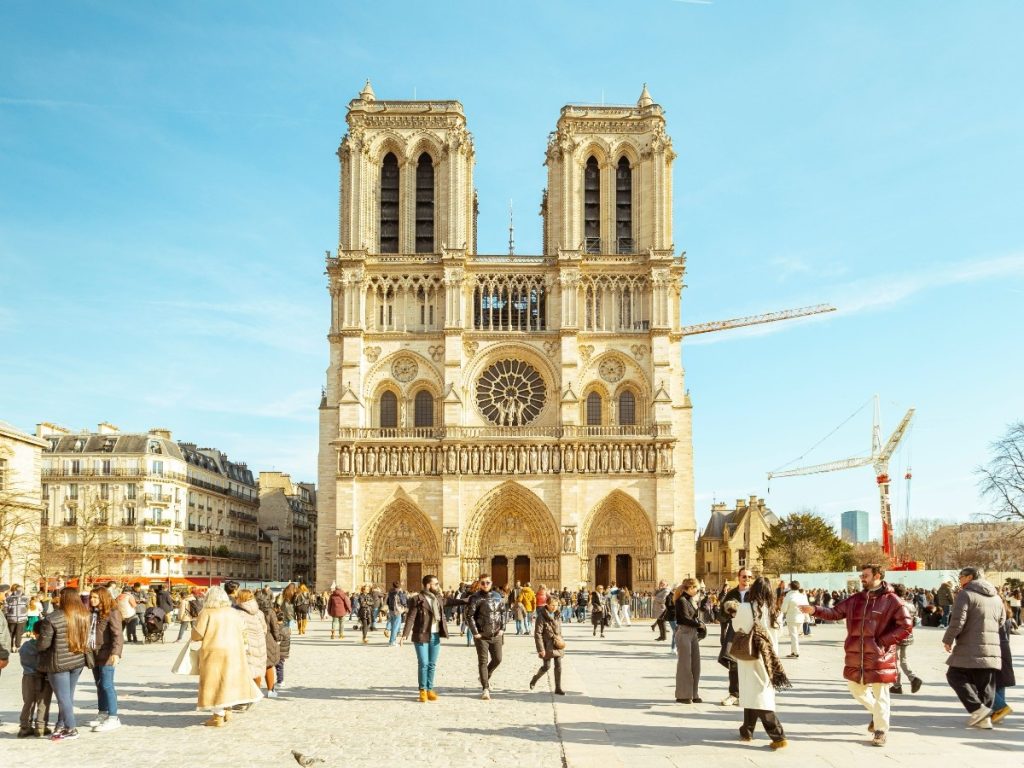
The Notre-Dame de Paris has stood at the centre of French history for centuries. Construction began in 1163, and the cathedral became one of the defining examples of French Gothic architecture. Its flying buttresses, enormous rose windows and detailed stone sculptures influenced cathedral design around the world. Over centuries, Notre-Dame witnessed royal ceremonies, historical events and cultural transformations.
The cathedral suffered significant damage during the 2019 fire, but its restoration became another chapter in its long history. Craftsmen returned to traditional techniques, repairing the structure with the same patience and dedication used by medieval builders. Notre-Dame represents something greater than architecture. It shows how cultural landmarks survive through collective effort and how a building can become part of the identity of an entire nation.
Milan Cathedral, Italy
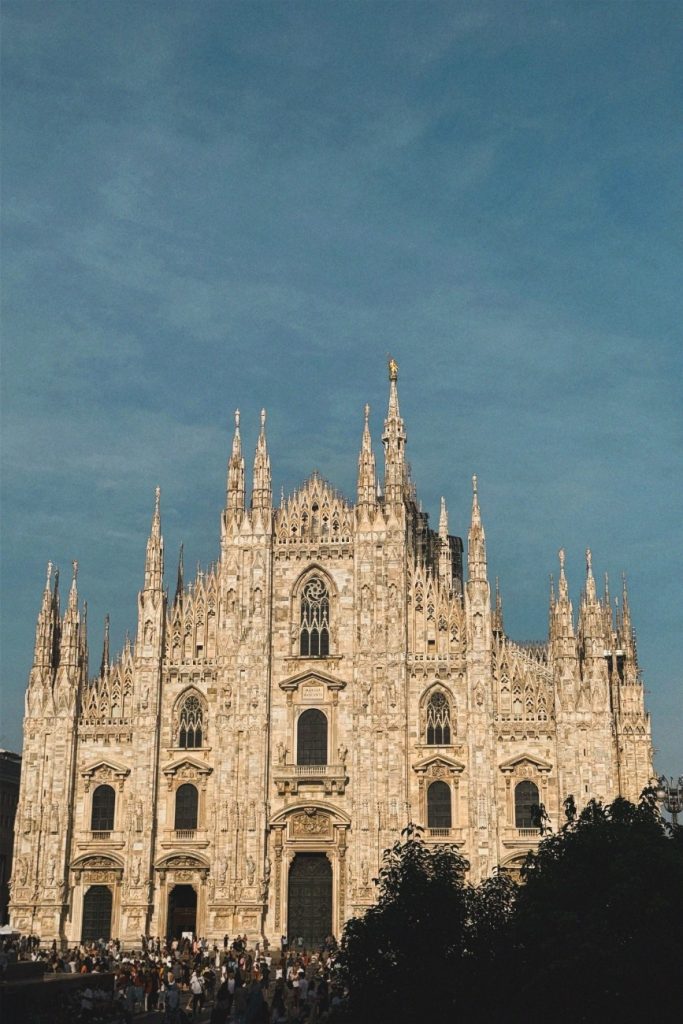
The Milan Cathedral, known as the Duomo di Milano, is one of the largest Gothic cathedrals ever created. Construction began in 1386, and the project continued for nearly six centuries. Unlike many cathedrals built primarily from local stone, Milan Cathedral was constructed using pink hued marble from the Candoglia quarries.
Thousands of statues decorate its exterior, creating a forest of carved figures rising above the city. The cathedral’s famous rooftop offers one of the most extraordinary architectural experiences in Europe, where visitors can walk among hundreds of spires and sculptures. Its creation required generations of engineers, sculptors and craftsmen, each adding their contribution to one of Italy’s greatest landmarks.