

In an age of digital phone cameras, it may be surprising to know that it took eight hours to produce the first photo ever taken. The photograph ‘View From the Window at Le Gras’ taken in Burgundy, France, in 1826, depicting a simple scene showing the wing of a house, a dovecote, and a barn roof, was in reality shot following a time-consuming and meticulous process called heliography. It involved exposing a polished pewter plate coated with bitumen of Judea to light. The man behind the famous click was French inventor and photographer Joseph Nicéphore Niépce. He formed a partnership with the French artist, Louis Jacques Mandé Daguerre, in 1829, to improve heliography.
After his death in 1833, Daguerre built on his work and achieved a significant breakthrough in 1834 in the field of analogue photography, the daguerreotype. It was the world’s first practically successful form of photography that reduced exposure time in clicking a photograph, gave sharp and polished photos, and was relatively affordable. Such inventions marked key developments in the field of analogue photography, which was the only method for capturing images for over a century before digital cameras invaded the markets in the early 2000s with their speed, convenience, and cost-effectiveness, leading to the near-obsolescence of film.
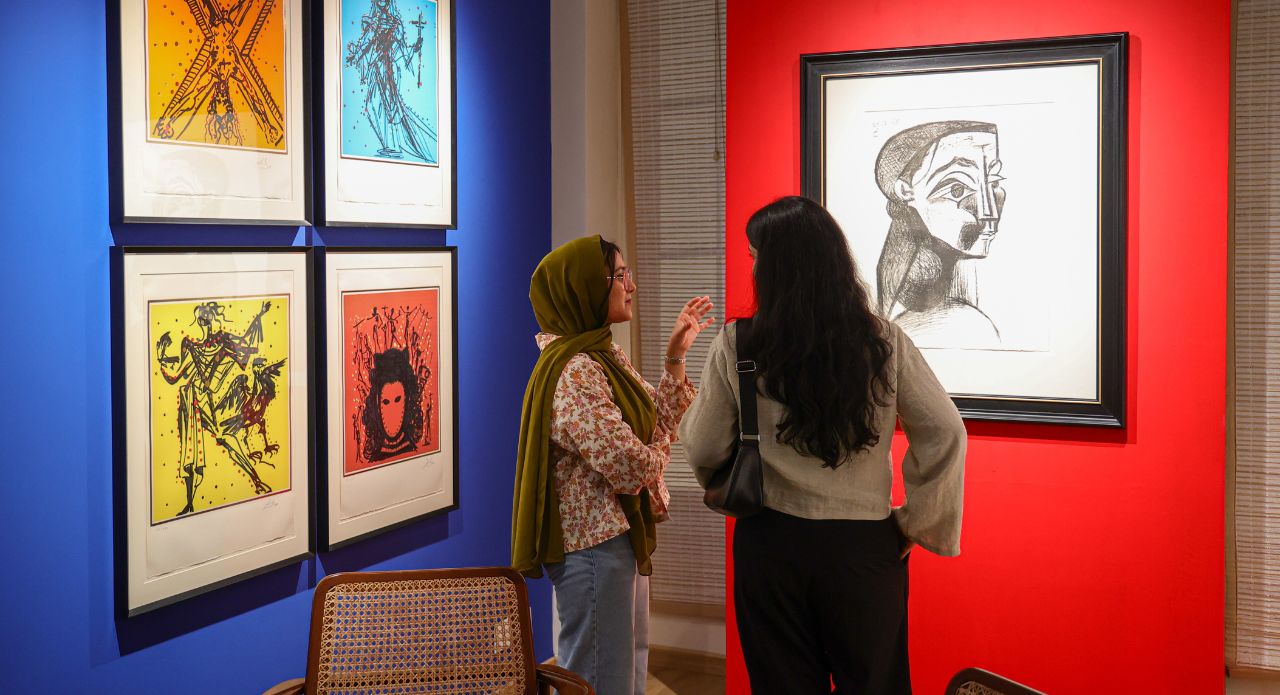
A new photography exhibition, ‘Touching Light: A Prelude to the Bicentennial of Photography (1827–2027),’ by Museo Camera traces the journey of analogue photography across 150+ years, from the earliest archives to contemporary practice. Curated by photographer Aditya Arya, it invites visitors into the history and evolution of analogue photography. Aditya Arya, Founding Director, Museo Camera, says, “The exhibition is an ode to the pioneers and contemporary masters of photography whose vision and craft have shaped India’s visual history. This exhibition is both a celebration and a reminder of analogue photography’s lasting beauty and significance as we approach 200 years of the medium.”
India In Focus
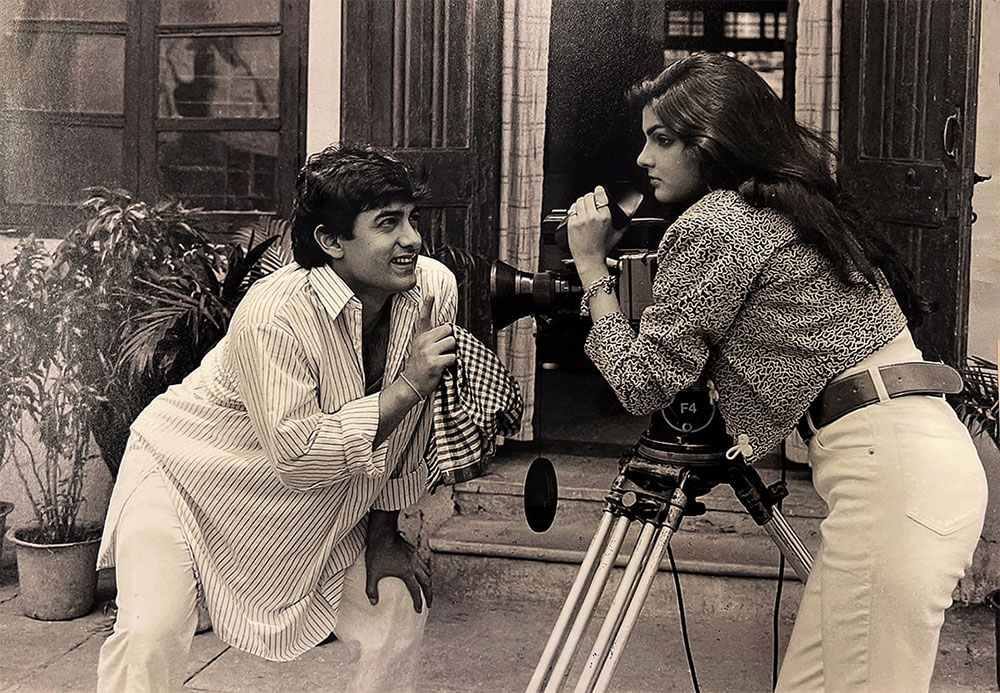
The exhibition brings together rare historical photographs alongside works by 28 contemporary Indian photographers, including Bandeep Singh, Dinesh Khanna, Fawzan Hussain, Mahesh Bhatt, Prashant Panjiar, Ram Rahman, and Serena Chopra, amongst others. Their works, presented in analogue silver prints, chemigrams, and diapositives, capture India’s colonial past, its aristocracy, social transformations as a developing nation, and its modern face as a hub of glamorous film and calendar shoots. “In the analogue era, each frame had a cost, a meditation of scarcity. The limited frames taught me to wait and to truly “See.” It was a ritual of restraint and a singular moment when everything aligned, a testament to the enrichment of deeper seeing,” tells Bandeep Singh.
View this post on Instagram
Analogue photography invites photographers and viewers to engage more intimately with the materiality of memory. Participating photographer Saibal Das elaborates on this, recalling his experience when he got introduced to photography at seventeen. “Analogue was the only medium that existed at that time in the practice of photography. My entry to the darkroom began with my father. The dark room is a mystery room, the dim amber safe light, the smell of developer, the strong acetic acid stop bath, and the hypo fixer make it very magical. At the end of the day, a good print is produced and the kind of satisfaction from the core of the heart can’t be replaced by a print produced by an Inkjet printer”.
Rare archives
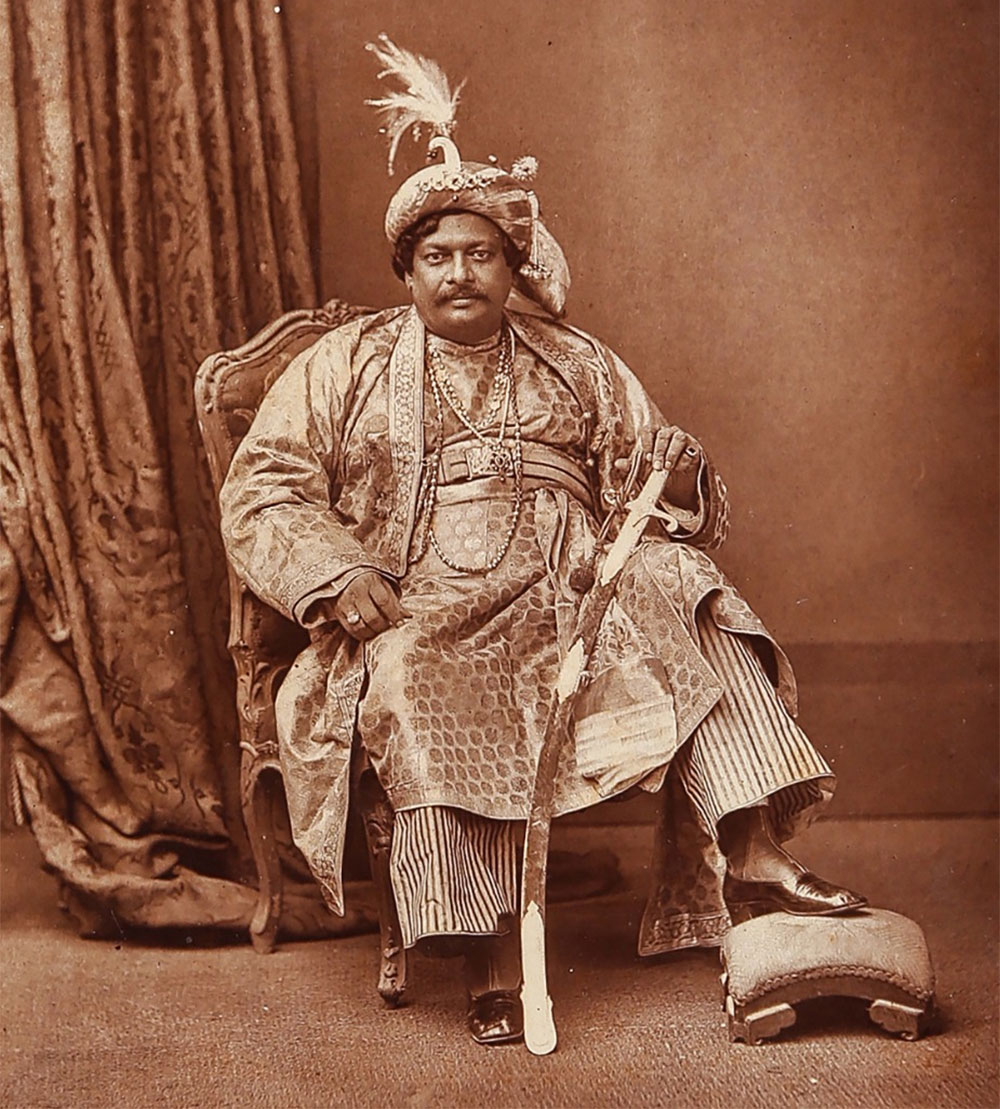
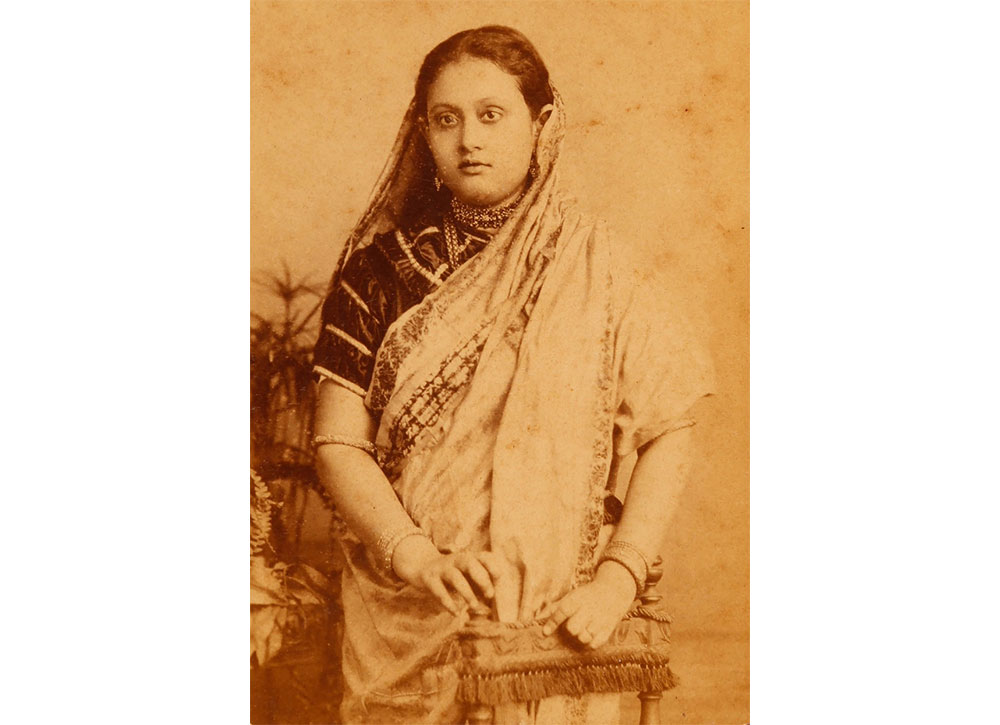
Analogue photography involves tactile processes such as loading film and being in the darkroom. It creates an intimacy between the photographer, subject, and image. Further, each resulting print carries imperfections — grain, leaks, shifts in tone. It adds to the authenticity, fragility, and allure of the photographs. It’s visible in the rare archival photographs from legacy studios that are on display — Carte de Visite from Bourne & Shepherd Studio (1860s) photographed Indian aristocracy from Shimla, Calcutta, and Bombay, the Albumen prints from the ‘People of India’ series (1850s–1860s) and ‘Beauties of Lucknow’ series attributed to Darogah Abbas Ali (1874). Their photographs stand as precious fragments of memory of the bygone era.
Participating photographer Akash Das says on what adds uniqueness to analogue photography, “In this world of instant everything, I believe analogue photography is a gentle reminder of the beauty of slowness. It teaches you to wait, rewarding your patience with the sublime pleasure of delayed gratification and unanticipated surprise. This chemical process shines in its ability to recover details in highlights”.
Details:
Title: ‘Touching Light’
Dates: 23 August – 29 September 2025
Venue: Museo Camera, Centre for the Photographic Arts, Gurugram
Timings: 11 am – 7 pm, Tuesday through Sunday