

Italianate architecture is what happens when architects look at Italy go on a long holiday drink too much wine admire too many villas and return home determined to recreate the whole experience in brick. It is architecture with drama confidence and just a hint of theatrical flair. Forget restraint this style loves brackets cornices towers and windows that seem to say look at me. In the nineteenth century when industrial cities were growing fast and looking increasingly grim Italianate architecture arrived like a well dressed European aristocrat bringing romance proportion and a bit of sunshine to otherwise gloomy streets. It is elegant without being fragile expressive without being chaotic and unapologetically decorative. In short it is architecture that enjoys itself.
What Is Italianate Architecture
Italianate architecture is a nineteenth century architectural style inspired by the rural villas palaces and farmhouses of Italy particularly those from the Renaissance period. Rather than copying classical temples it focused on picturesque forms asymmetry and a relaxed elegance. The style emerged as part of the Romantic movement which valued emotion landscape and historical imagination over strict classical rules. Italianate buildings were designed to feel lived in charming and visually rich rather than monumental or austere.

The Historical Origins Of The Italianate Style
The Italianate movement began in early nineteenth century Britain where architects sought an alternative to rigid classical and Gothic revival styles. John Nash was among the first to popularise the Italianate villa aesthetic through country houses and suburban developments. From Britain the style spread rapidly to Europe and the United States where it became one of the most popular architectural forms between the 1840s and 1880s. Its adaptability made it ideal for urban townhouses rural estates and even commercial buildings.
Defining Features Of Italianate Architecture
Italianate buildings are instantly recognisable by their emphasis on vertical proportions decorative detailing and rooflines. Common features include low pitched or flat roofs wide overhanging eaves supported by ornate brackets tall narrow windows often with arched tops and elaborate cornices. Towers or cupolas are frequently used to add visual interest and height. Facades are typically symmetrical but the overall massing remains relaxed and picturesque. Materials range from stucco and brick to stone depending on region and budget.
Iconic Italianate Buildings Around The World
Osborne House Isle of Wight, England
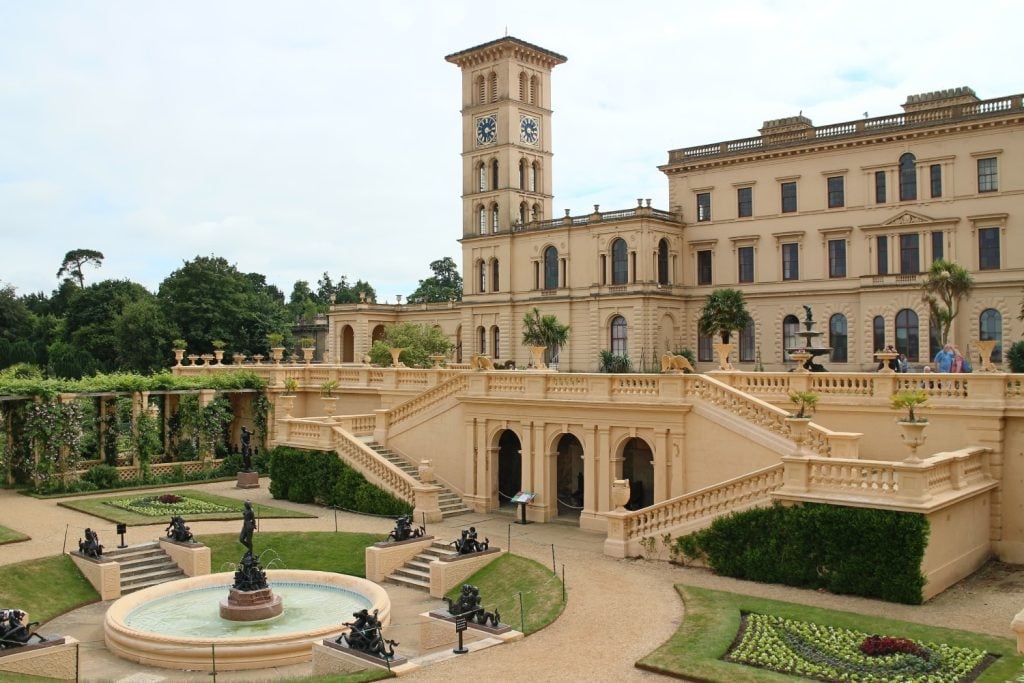
Osborne House stands as the most iconic expression of Italianate architecture in Britain and arguably the building that cemented the style’s popularity across Europe. Designed by Prince Albert with architect Thomas Cubitt this former royal residence was conceived as a Renaissance inspired Italian villa overlooking the sea. Its cream coloured stucco walls tall belvedere towers and layered terraces evoke the grandeur of Tuscan palazzi while remaining relaxed and domestic. Osborne House demonstrated how Italianate architecture could be both stately and personal influencing countless villas and estates across the British Empire.
Eisenhower Executive Office Building, Washington D.C, United States of America
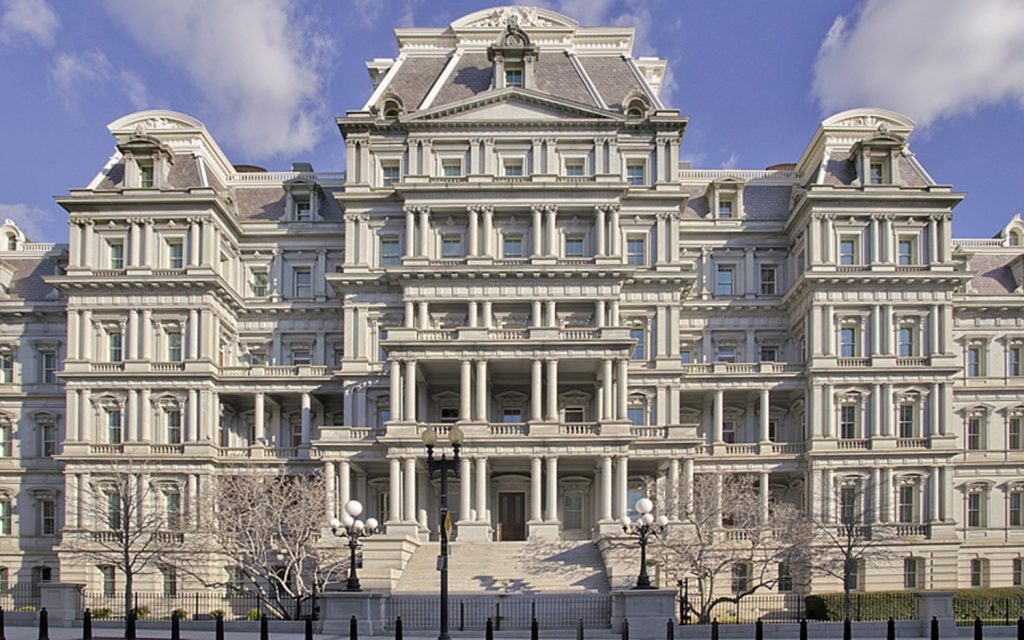
One of the grandest Italianate civic buildings in the world the Eisenhower Executive Office Building reinterprets the villa inspired style on a monumental scale. Completed in the late nineteenth century this vast structure features elaborate cornices arched windows deep mouldings and a rhythmic facade that reflects Italian Renaissance palaces. While its scale is imposing the building maintains the elegance and proportional discipline that define Italianate architecture proving the style’s versatility beyond domestic design.
The Cincinnati Music Hall Ohio, United States of America
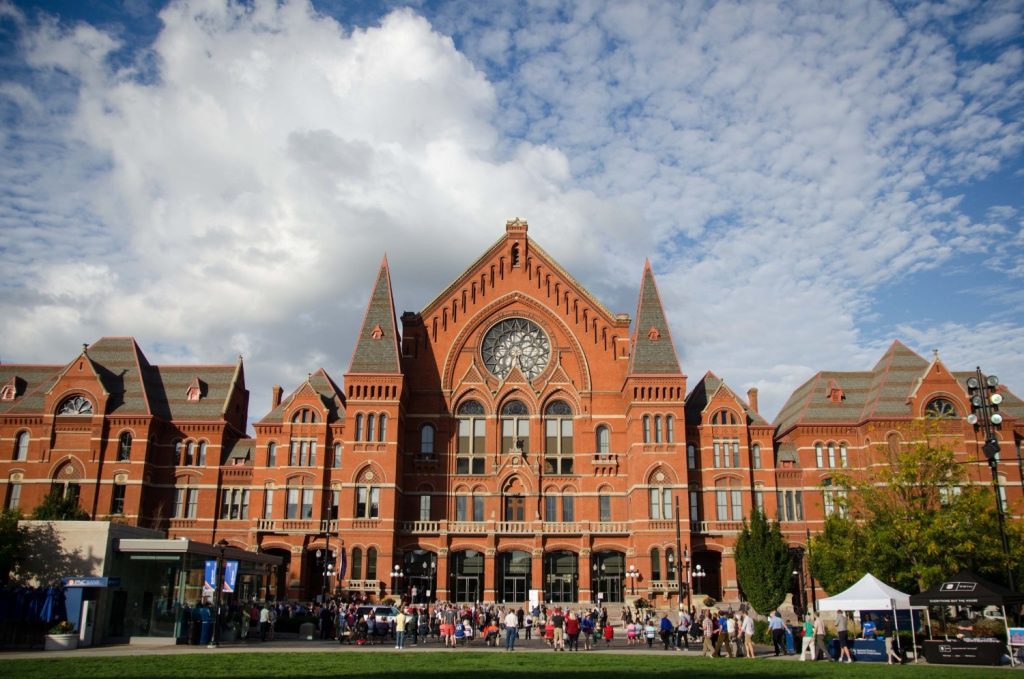
The Cincinnati Music Hall represents the Italianate style’s transition into cultural and public architecture. Designed in the late nineteenth century it blends Italianate proportions with grand civic ambition. The building’s tall windows decorative brackets and ornate detailing give it a theatrical presence suited to its role as a performance venue. Its commanding yet refined appearance illustrates how Italianate design could adapt to the cultural aspirations of rapidly growing American cities.
Lombard Street Row Houses, San Francisco, United States of America
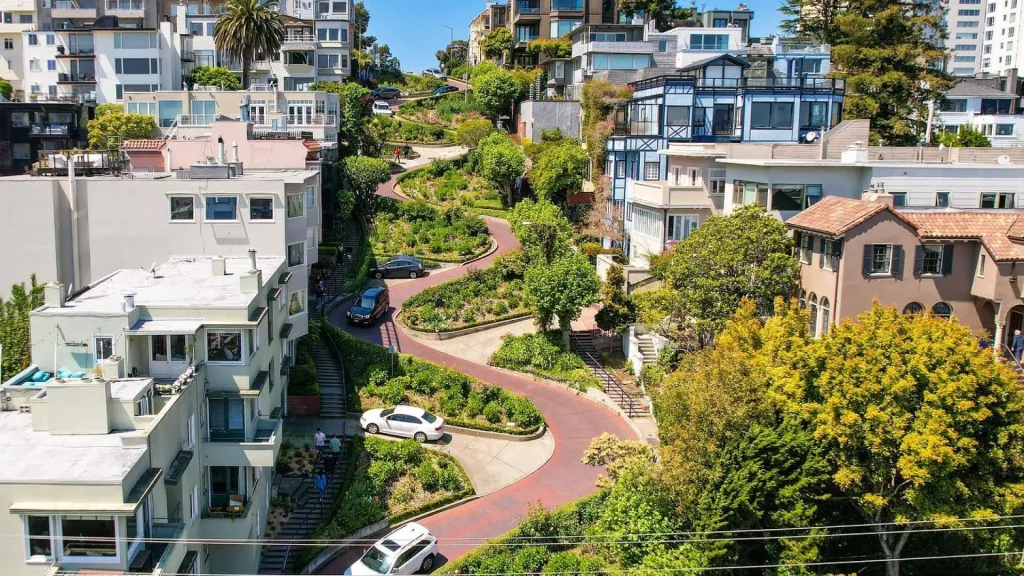
The Italianate row houses lining parts of San Francisco including Lombard Street are among the most photographed examples of the style in residential form. Built during the city’s nineteenth century expansion these narrow multistorey homes feature tall arched windows projecting bay fronts heavy cornices and decorative brackets. Despite their dense urban setting they retain a sense of European elegance and individuality showcasing Italianate architecture’s success in adapting Renaissance romance to city living.
Villa Pignatelli Naples, Italy
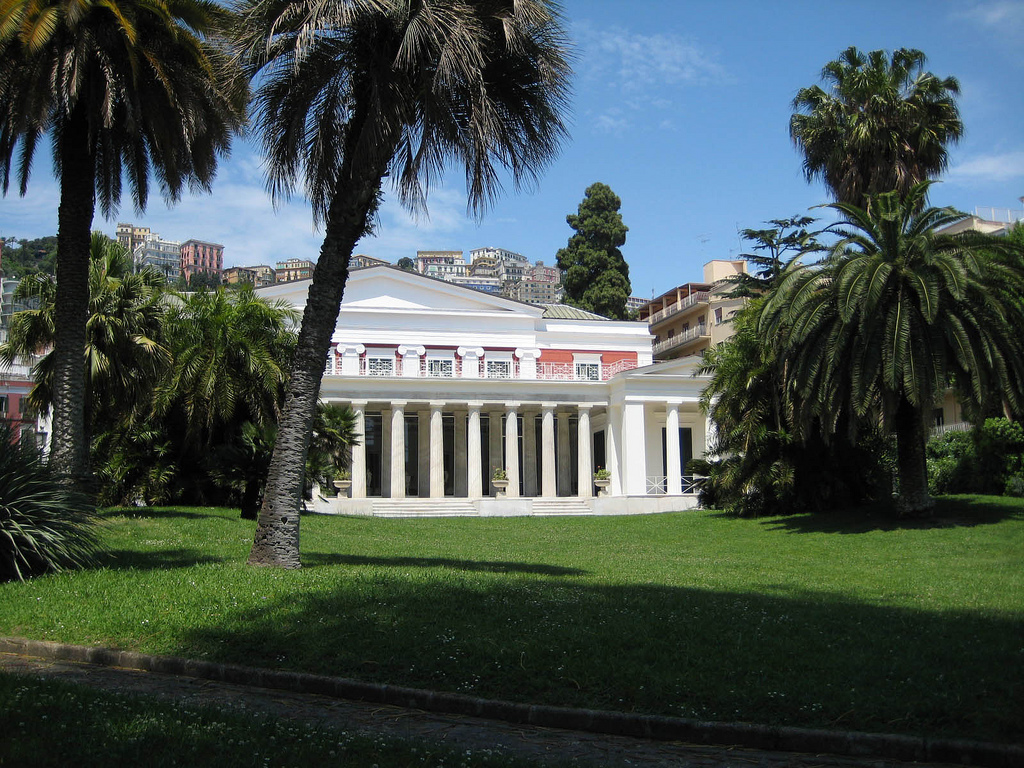
Villa Pignatelli offers an authentic reference point for Italianate inspiration drawing directly from Italian villa traditions. Located in Naples this nineteenth century residence combines neoclassical restraint with Italianate warmth through symmetrical facades deep loggias and refined ornamentation. Surrounded by gardens the villa exemplifies the harmonious relationship between architecture and landscape that Italianate designers across Europe sought to replicate. It remains a vital link between Italian Renaissance heritage and the global Italianate movement.
Architects Who Defined The Italianate Movement
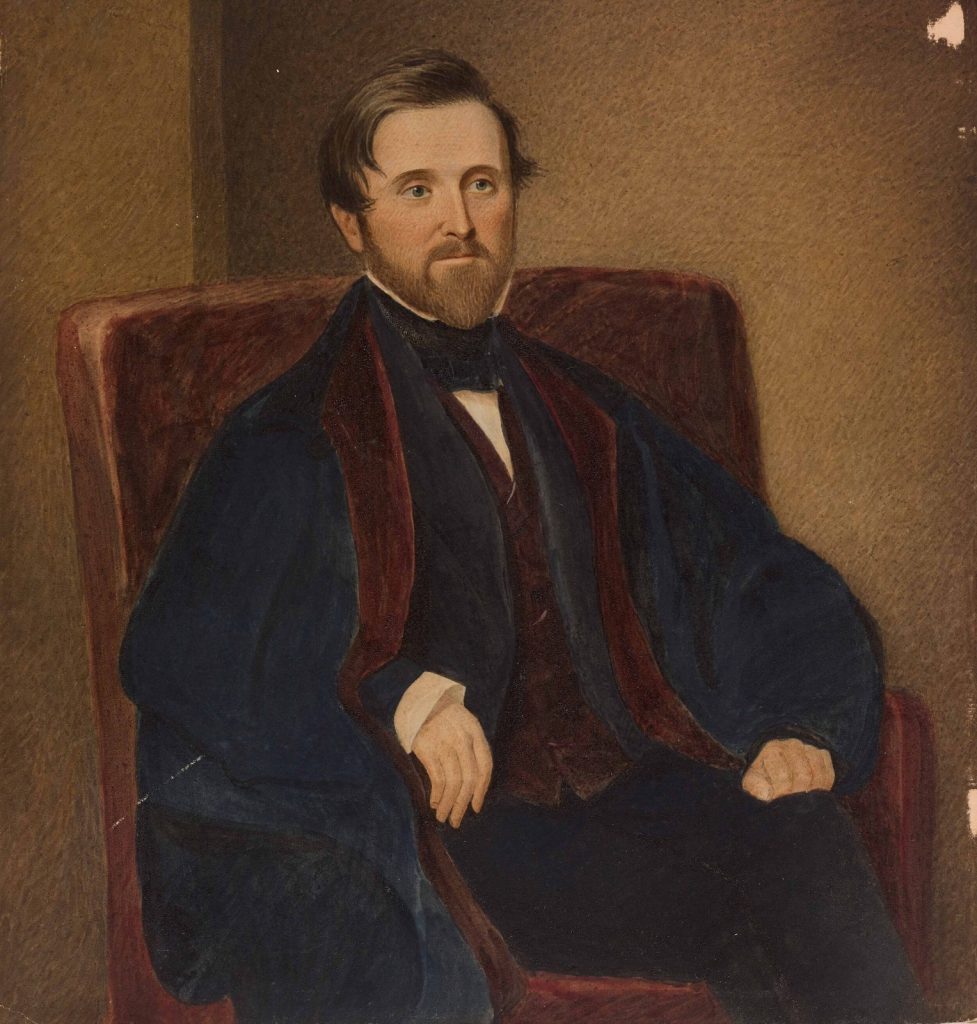
John Nash played a foundational role in shaping the Italianate style in Britain particularly through his suburban villa designs. Sir Charles Barry later refined the style adding greater classical discipline and scale. In the United States architects like Alexander Jackson Davis and Calvert Vaux helped popularise Italianate architecture through pattern books and urban projects. Their work allowed the style to spread widely and remain consistent while adapting to local needs.