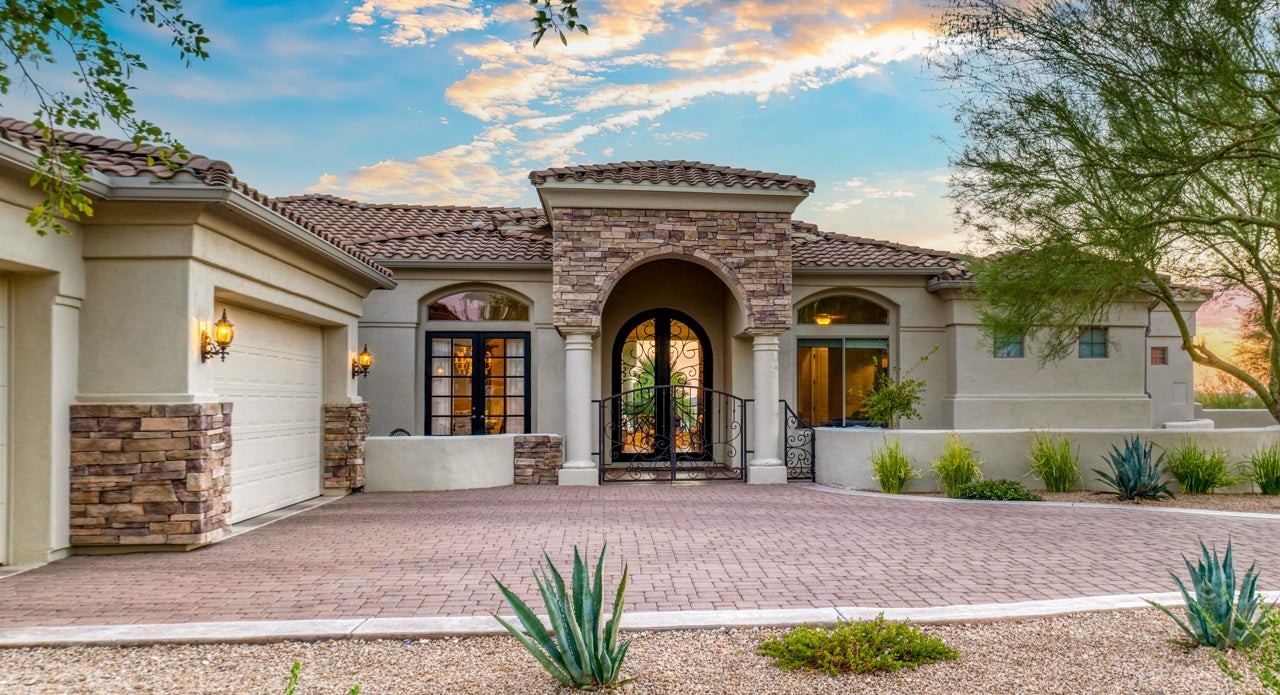


Mediterranean style architecture is not defined by one country or one era but by a shared climate and way of life. Found across Spain Italy Greece southern France North Africa and parts of the Middle East this architectural language evolved as a practical response to heat light and coastal winds. Long before sustainability became a talking point Mediterranean architecture relied on thick walls shaded courtyards water features and natural ventilation to create comfort. The result is a style that feels relaxed timeless and deeply connected to its environment.
Greek architecture contributed proportional harmony and columned loggias that framed outdoor living. Roman builders introduced courtyards arches and aqueduct inspired water systems that shaped urban planning. Moorish influence added intricate tilework horseshoe arches and a poetic use of water and gardens. These layers blended over centuries creating architecture that balanced function with beauty while respecting climate and cultural rituals.
Key Design Principles
Mediterranean architecture is instantly recognisable through its material honesty and climate driven design. Buildings are constructed using stone clay brick and stucco which absorb heat slowly and keep interiors cool. Walls are thick openings are carefully proportioned and roofs are often tiled with terracotta. Courtyards act as the heart of the home allowing air to circulate and light to enter while remaining protected from harsh sun. Arches loggias balconies and pergolas provide shade and create fluid transitions between interior and exterior space.
Water And Gardens
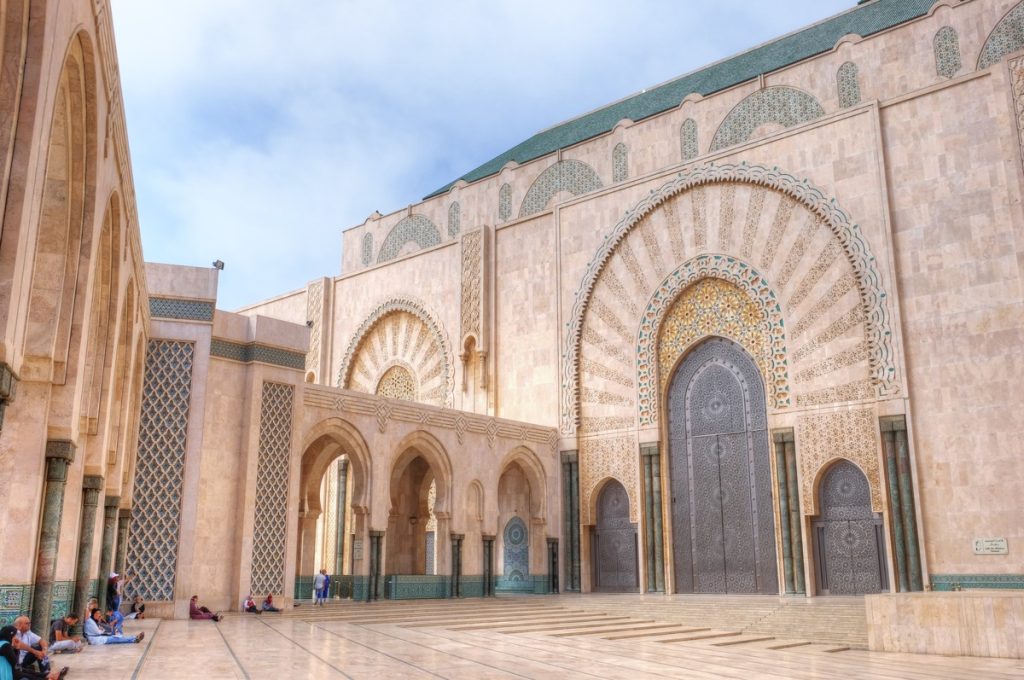
One of the most distinctive features of Mediterranean architecture is its relationship with water. Fountains pools and channels cool the air reflect light and create sensory calm. Gardens are designed not for spectacle but for intimacy using citrus trees herbs and shaded seating. Whether in the Alhambra or a Moroccan riad water and greenery work together to create microclimates that feel restorative. These elements transform architecture into an experience rather than a static form.
Top 5 Icons That Define the Look
Alhambra Granada, Spain
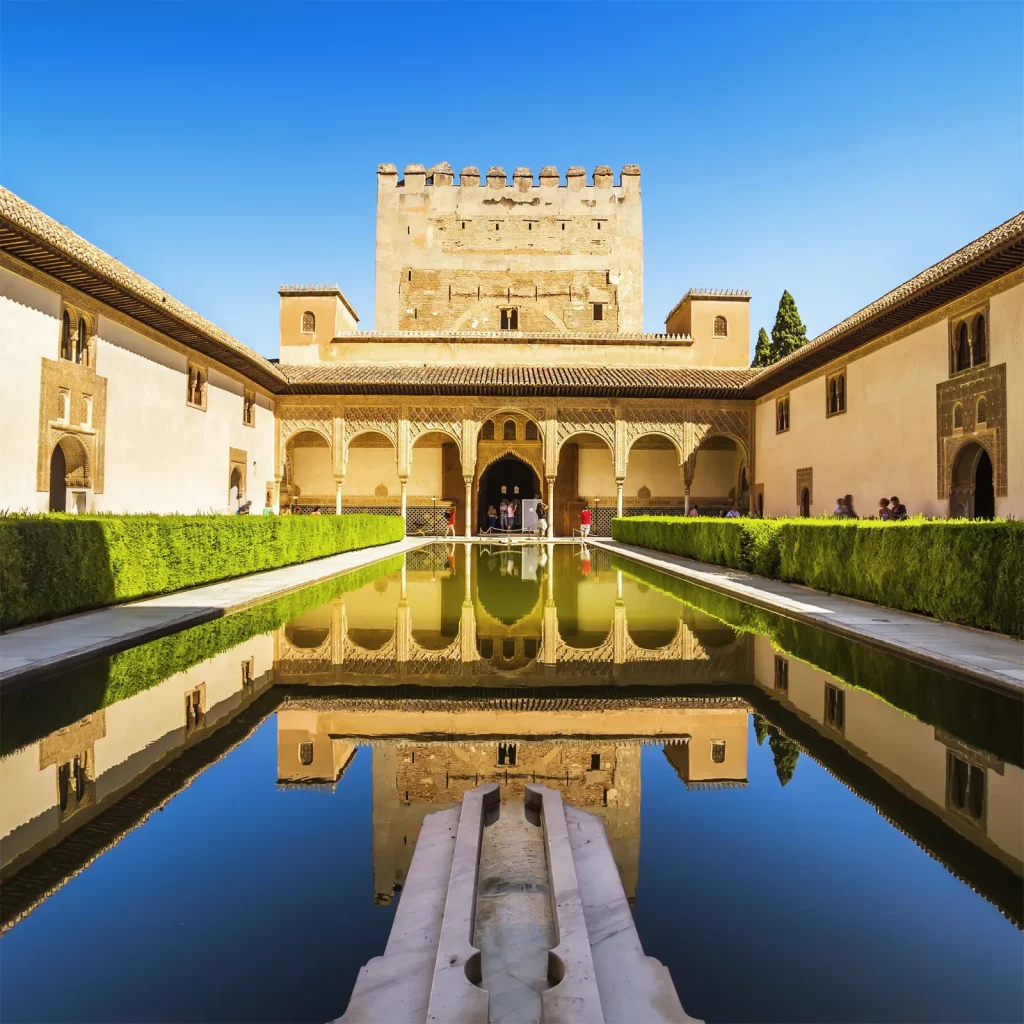
The Alhambra is one of the purest expressions of Mediterranean architecture shaped by climate culture and craft. Its courtyards fountains and shaded arcades are designed to cool the body and calm the mind. Water flows gently through channels reflecting light onto carved stone and tile. Thick walls keep interiors cool while open courtyards allow air and sunlight to circulate naturally. The Alhambra demonstrates how Mediterranean architecture balances beauty and survival turning architecture into an oasis rather than a monument.
Villa Rotonda Vicenza, Italy
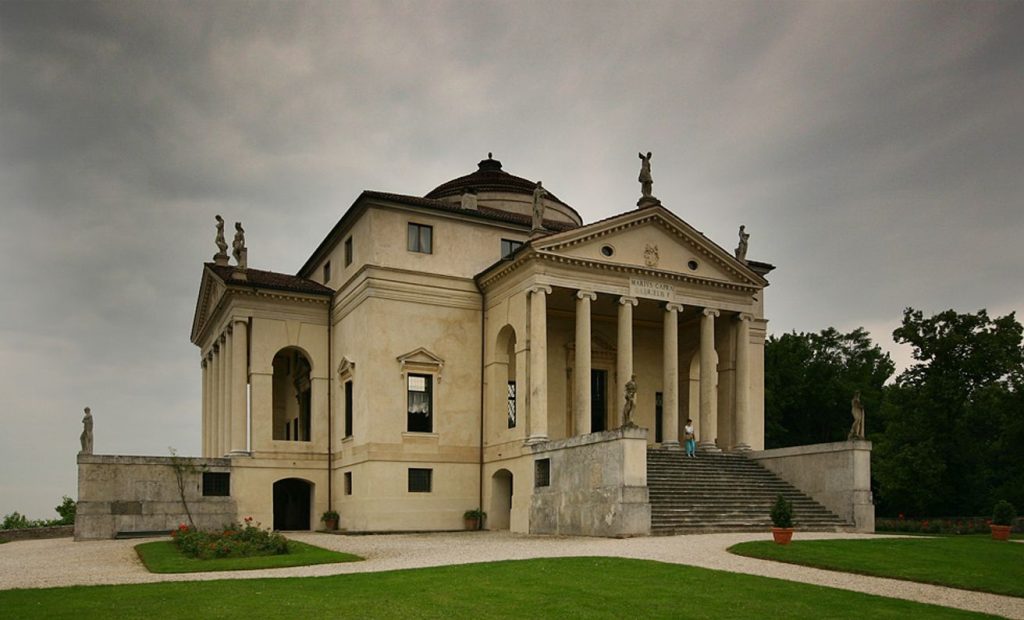
Andrea Palladio’s Villa Rotonda represents the classical Mediterranean ideal filtered through Renaissance order. Set within a gentle landscape the villa is perfectly symmetrical with open loggias that invite light and air from every direction. The relationship between interior and exterior is seamless allowing the climate to shape daily life. Mediterranean architecture here is about proportion balance and harmony with nature rather than excess. The villa became a template for centuries of warm climate architecture across Europe and beyond.
Santorini Cliffside Houses, Greece
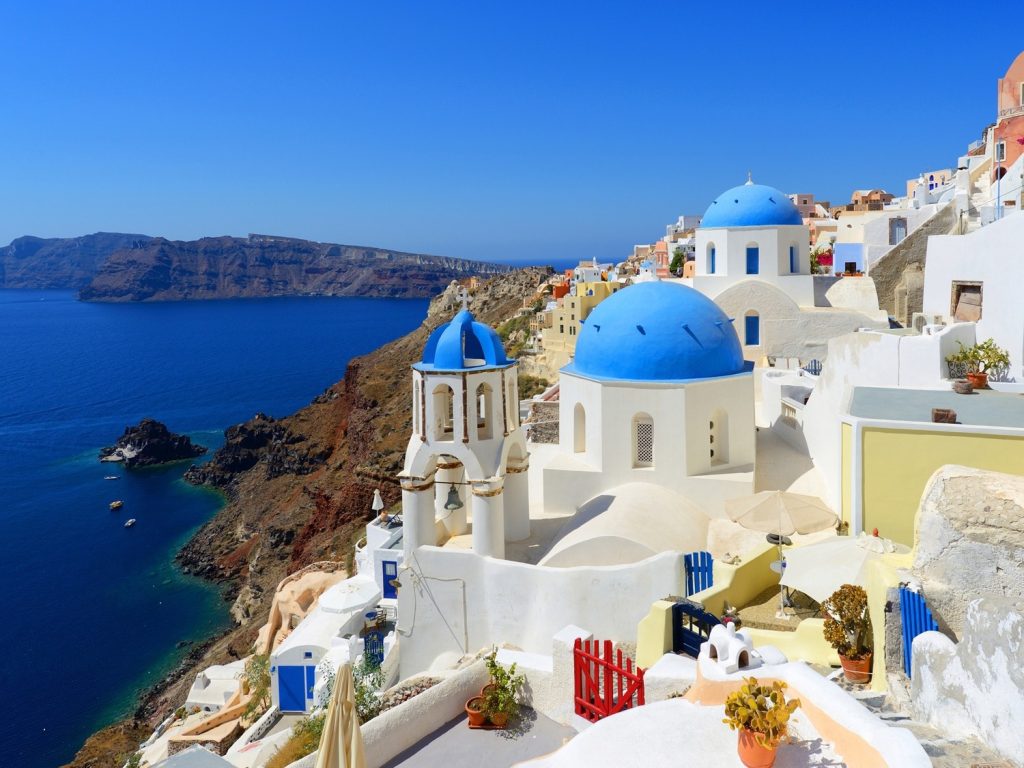
The whitewashed homes of Santorini are a masterclass in Mediterranean design shaped by sun wind and sea. Built into volcanic rock these homes use thick walls small openings and reflective surfaces to manage heat naturally. Blue domes echo the sky and sea while terraces frame endless horizons. The architecture feels organic as if carved rather than constructed. Santorini proves that Mediterranean style is not decorative but deeply environmental responding directly to place and climate.
Casa Batllo Barcelona, Spain
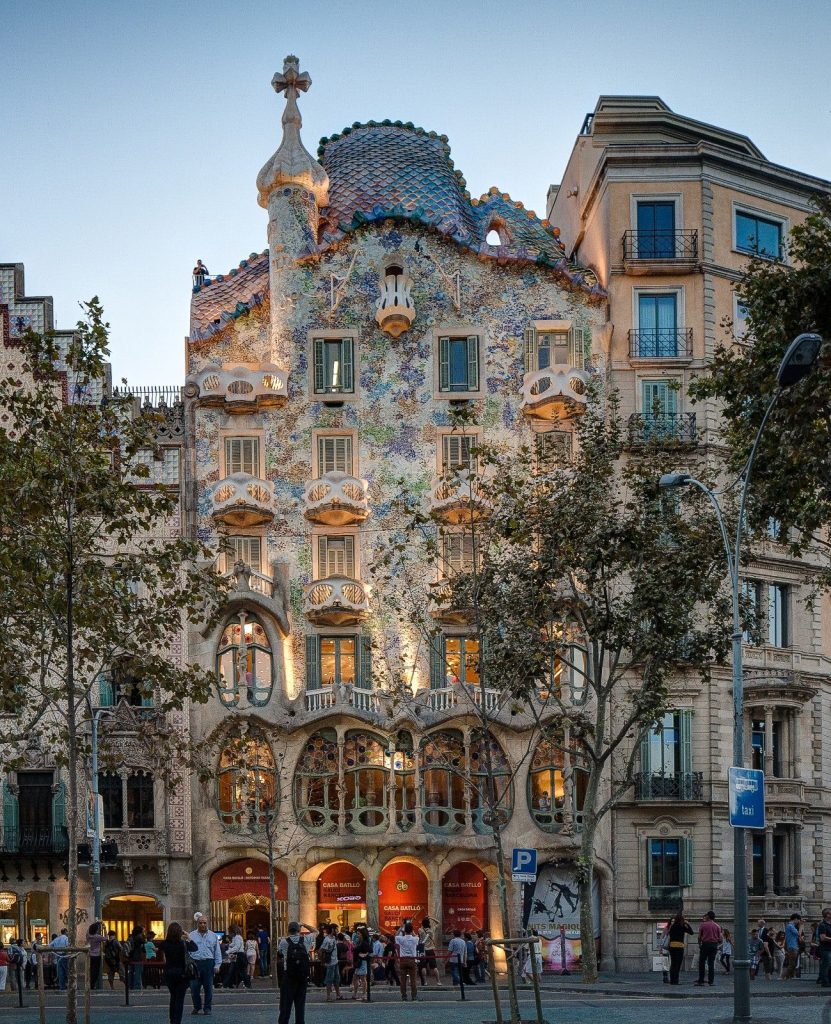
Antoni Gaudi’s Casa Batllo reimagines Mediterranean architecture through movement colour and craft. Light wells tiled in gradient blues draw sunlight deep into the building while balconies curve like waves along the facade. Ventilation is carefully designed to encourage airflow without mechanical systems. The building celebrates the Mediterranean spirit of creativity openness and connection to nature. Gaudi transforms traditional climate responsive principles into an expressive architectural language rooted firmly in its coastal context.
Moroccan Riads, Marrakech
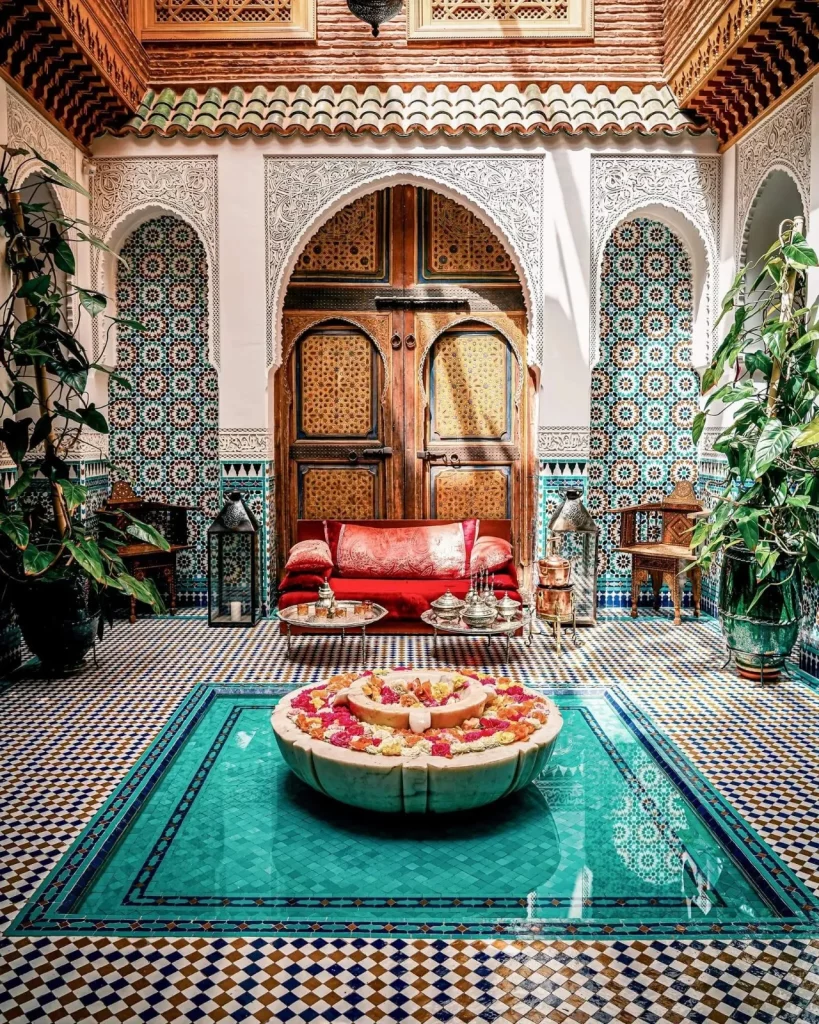
Traditional Moroccan riads represent the inward facing soul of Mediterranean architecture. From the street they appear modest yet inside they open into lush courtyards with fountains citrus trees and intricate tilework. Thick walls block heat while water and vegetation cool the air. Life unfolds around the courtyard protected from noise and sun. Riads show how Mediterranean architecture values privacy comfort and sensory richness creating spaces designed for living rather than display.
Mediterranean architecture survives because it works. It responds intelligently to heat light and landscape while celebrating craftsmanship texture and human scale. Whether expressed through ancient palaces seaside villages or modern villas the principles remain the same. Natural materials shaded spaces flowing air and a strong connection between indoors and outdoors. In a world rediscovering sustainable living Mediterranean architecture feels not nostalgic but necessary.