


Meghan Trainor has spoken openly about using Mounjaro to support her weight loss after her second pregnancy. Oprah Winfrey, too, has acknowledged turning to medications like Ozempic as part of her journey. Since then, dramatic celebrity transformations have been viewed through a sharper lens. When someone appears noticeably slimmer, the assumption is often less about guesswork and more about these drugs playing a role.

What was once largely limited to celebrity circles has now made its way into the Indian mainstream, more specifically, into the big, high-stakes world of weddings. Clinics are seeing a rise in brides, and even some grooms, signing up for “Mounjaro packages” in the three to four months leading up to their big day, hoping for a faster, more controlled transformation. And if early signs are anything to go by, this shift is only just getting started.
What Is Mounjaro?
Mounjaro has quickly become one of the most talked-about drugs in the weight-loss conversation, but what actually is it, and why is it so effective?
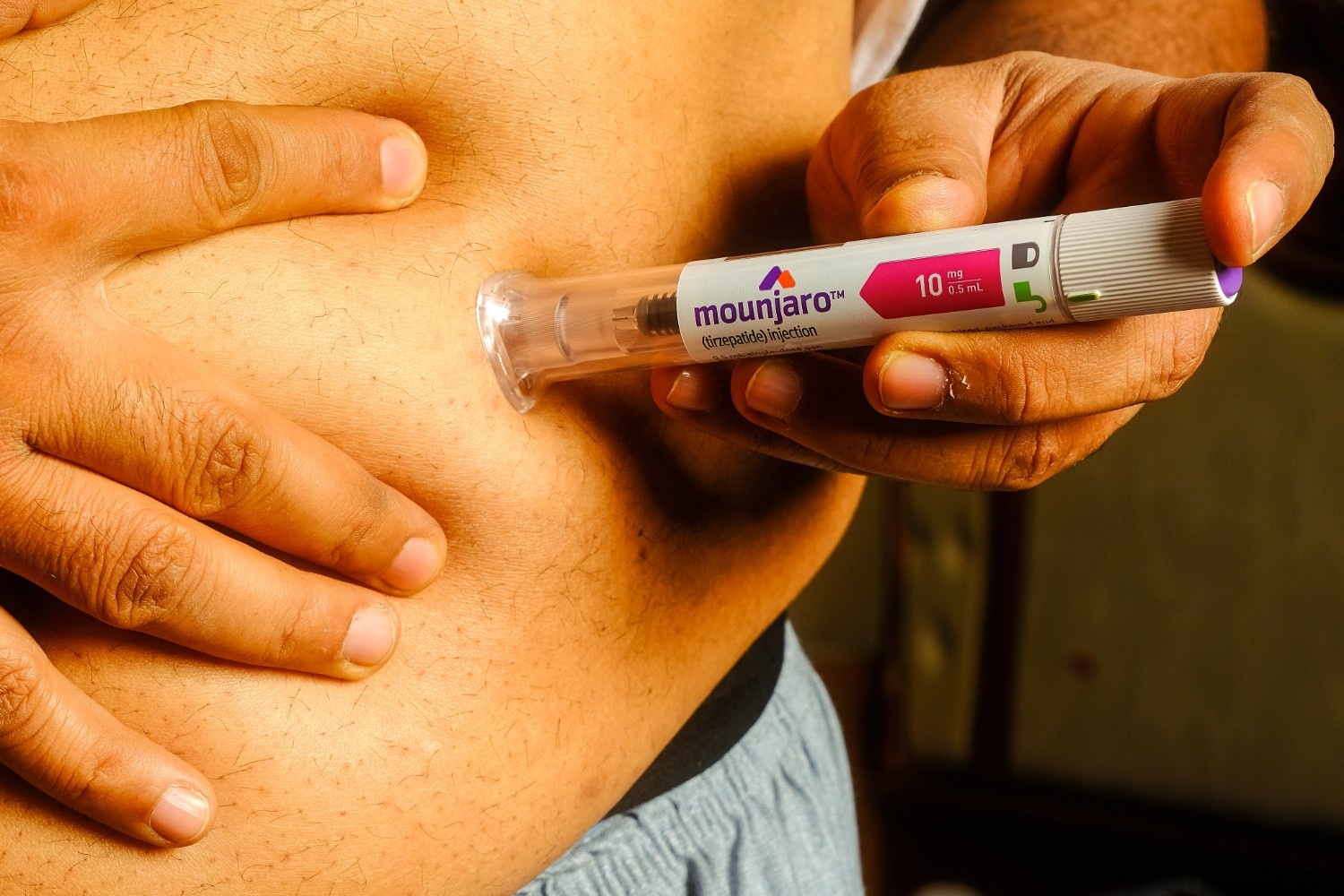
Originally developed as a treatment for Type 2 Diabetes, Mounjaro contains a compound called tirzepatide. What makes it different from older medications is the way it works with your body’s natural hormone system. It mimics two key gut hormones – GLP-1 and GIP – which are involved in regulating blood sugar, appetite, and digestion.

In simple terms, it changes how your body responds to food.
First, it helps control blood sugar levels by improving how insulin is released after you eat. That’s its primary role in diabetes care. But alongside that, it has a noticeable effect on appetite. People taking Mounjaro often feel full sooner and stay full for longer, which naturally leads to eating less without the constant struggle of hunger.
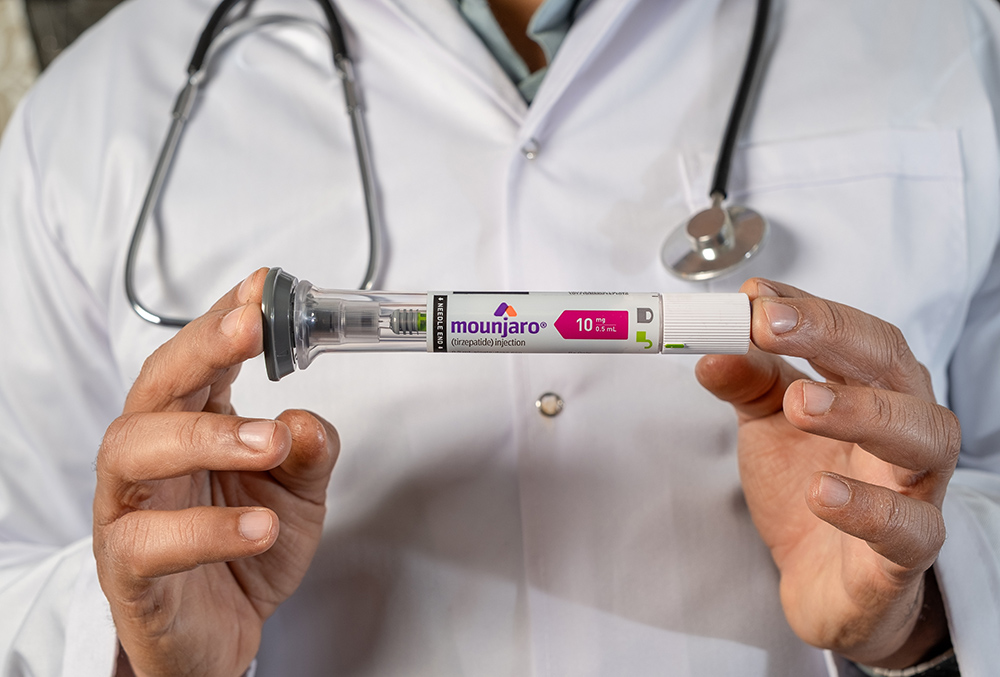
It also slows down how quickly food leaves the stomach, a process linked to gastric emptying. This delay contributes to that prolonged feeling of fullness, reducing the urge to snack or overeat. Over time, this consistent reduction in calorie intake can lead to significant weight loss.
As Dr Gaurang Krishna, Dermatologist & Hair Transplant Expert, Medlink, explains, the drug essentially mimics natural hormones that regulate hunger and blood sugar, helping people feel full faster and eat less. He tells us, ‘Fullness emerges more quickly once treatment begins… Weight declines become noticeable across several weeks.’ He adds that results are not just about the medication. ‘Lasting change requires consistent daily habits…Without adjustments beyond medication, benefits may fade later.’
Also Read: Botox Without Needles: Ayurveda Skincare Rituals For Anti-Ageing
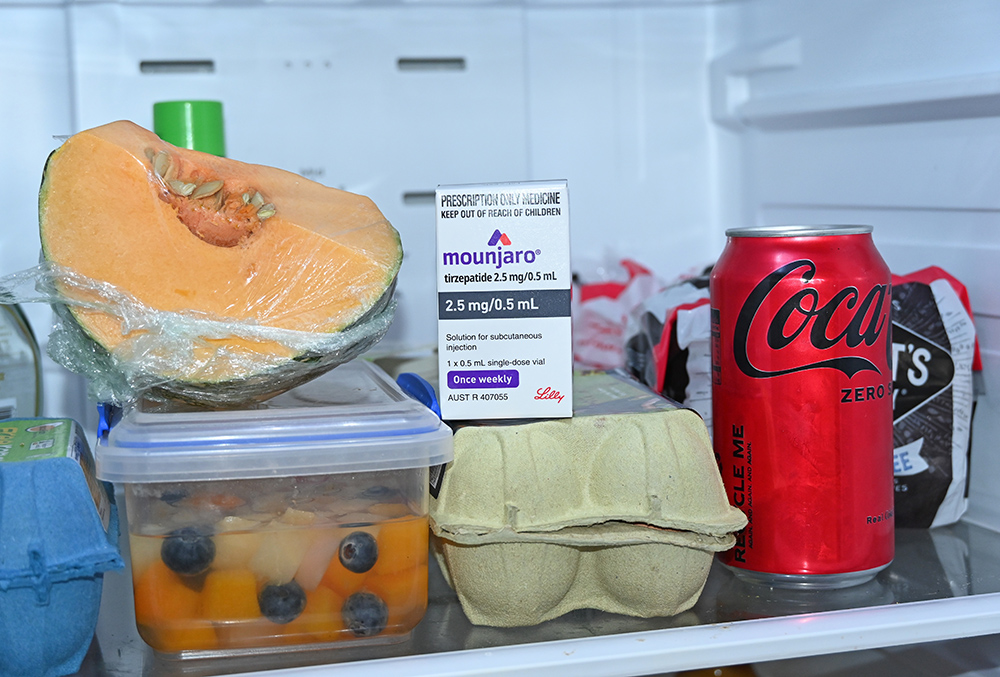
There’s also a subtle shift in how the brain processes hunger cues. Cravings, especially for high-calorie, sugary foods, tend to decrease for many users. It’s not just about willpower anymore. The biological signals themselves are being dialled down.
Is Mounjaro safe?
That said, in clinical settings, Mounjaro is generally considered safe when prescribed appropriately. Patients are typically started on low doses and monitored over time, allowing the body to adjust. But even under supervision, side effects are common. Most are mild to moderate, nausea, digestive discomfort, a noticeable drop in appetite. These are largely tied to the drug’s effect on slowing digestion and altering hunger signals, and they often ease as the body adapts.

Dr Ajara Sayyad, Regenerative Medicine Specialist, Medical Director & Business Head, The Éterne Clinic, Mumbai, is clear that it should not be treated casually. She says, ‘Mounjaro injections can be safe for women, but only when prescribed after proper medical evaluation and under ongoing supervision. It is not a casual weight-loss shortcut or a beauty drug.’ She stresses the importance of screening before starting, including checks for insulin resistance, thyroid issues, PCOS, nutrition levels, and reproductive plans.

She also highlights the physical trade-offs that can come with rapid weight loss: ‘…and in some cases excessive muscle loss or facial volume loss if nutrition is not carefully supported.’
Her point is that the medication cannot be separated from the body it’s acting on. ‘Adequate protein intake, micronutrient correction, resistance training, and regular follow-up with an endocrinologist are very important,’ she says, adding that dermatological support may be needed to manage changes like facial volume loss, hair shedding, or skin laxity.
Cost Of Mounjaro In India
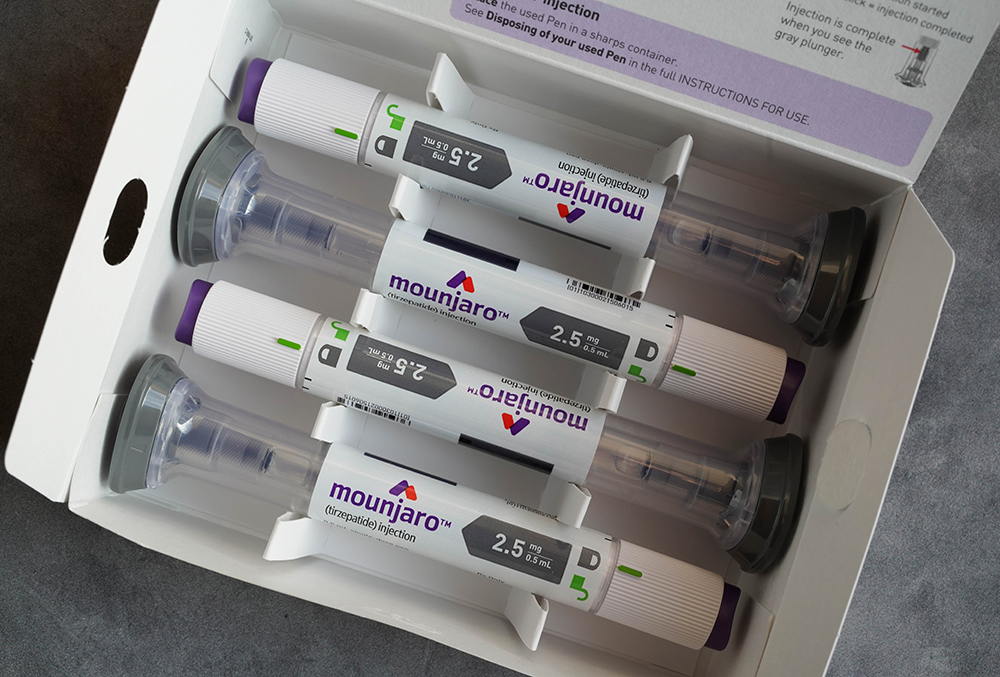
According to an India Today report, India is already witnessing the arrival of more affordable versions of these drugs, which has begun to push prices down in some cases. The report states that weekly injections can cost anywhere between Rs 1,500 and Rs 2,000, depending on the dosage and the clinic offering the treatment. Over the span of a few months, however, the total expense can add up quickly, often reaching Rs 50,000 or more for a complete course.
However, in India, the final cost still varies widely depending on dosage, city, and whether the treatment is part of a structured medical programme under proper supervision. Doctors emphasise that it is not meant to be a standalone or self-directed solution, but something that should be carefully managed within a clinical setting.
The other concern is how quickly access has expanded outside formal medical systems. Aesthetic clinics, online sellers, and informal supply chains have made availability easier, but not always safer. Without medical screening or follow-up, the risks become harder to control and easier to overlook.

Dr Gaurang Krishna advises caution, saying, ‘These days, you will not spot Mounjaro on shelves across regular drugstores in India. Instead, access shows up mostly through niche clinics or orders brought in from abroad, but only if a doctor has written approval. Since permissions and delivery paths keep shifting without warning, buying it online or off unverified sellers can lead to trouble.’