

There was a time when a wedding dress meant one thing, and one thing only: something sacred, worn once, preserved forever, and remembered only in the past tense.
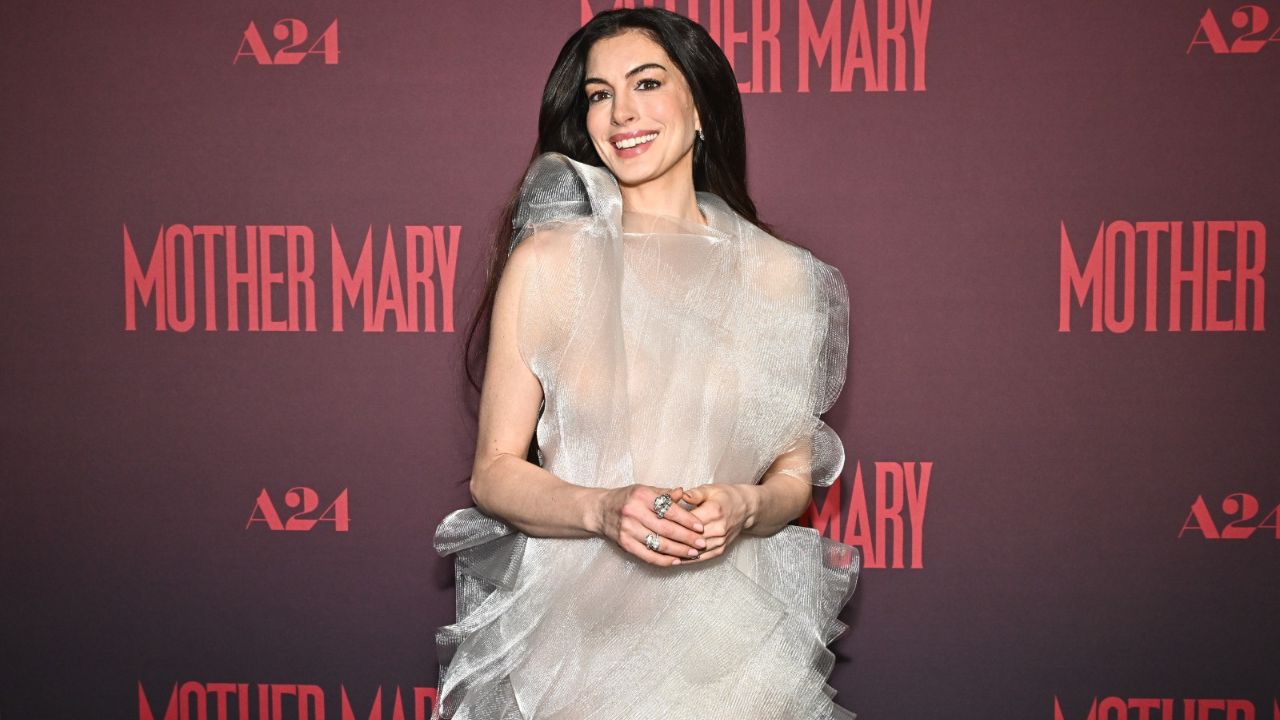
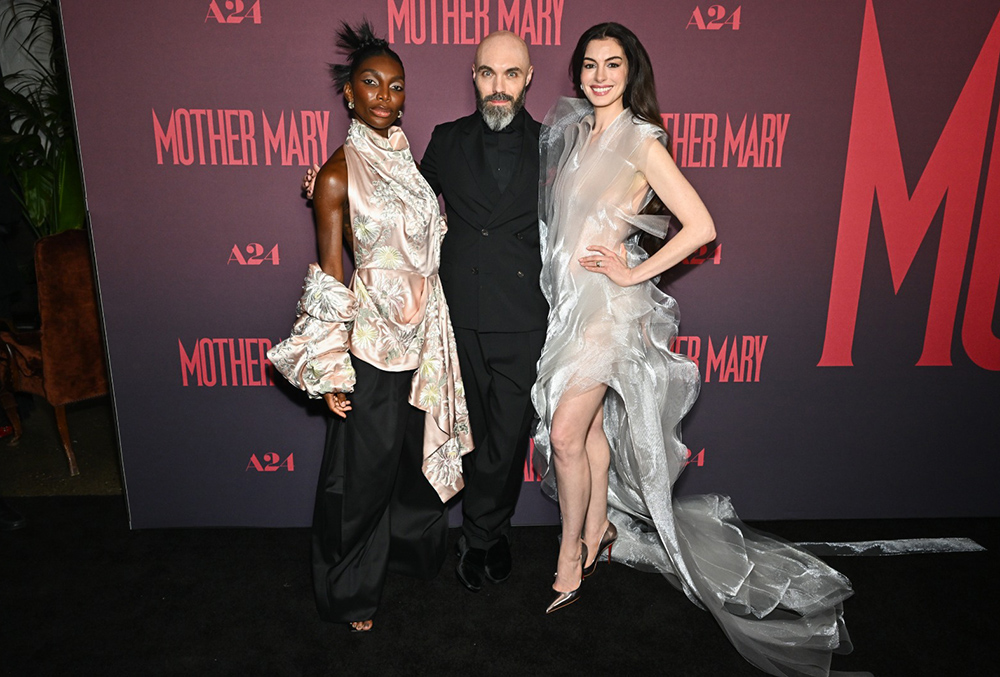
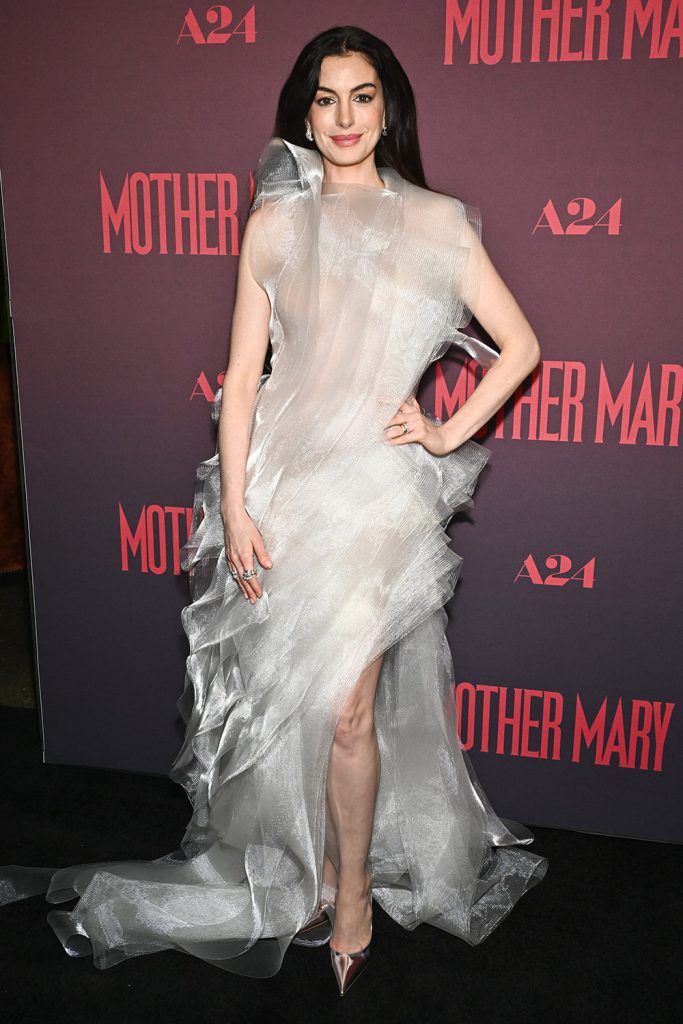
Then Anne Hathaway arrived at the Mother Mary premiere in something that borrowed the language of bridalwear but refused its script. Her sheer, ribboned Lever Couture gown had all the familiar cues – white, fragile, ceremonial in mood, yet it wasn’t interested in belonging to a ceremony. It belonged to the moment, and to nothing beyond it.
That’s what makes the look feel like a quiet turning point for the wedding season ahead.
A White Gown Without A Ceremony
For brides-to-be considering something similar for their wedding day, Hathaway’s look subtly dismantles the conventions that have long governed the white gown. And in doing so, it explains its own appeal.
Wedding dresses have always been built around function as much as fantasy. They signify a threshold, a formal crossing. Every detail – cut, fabric, structure, style, has historically served that one narrative. This dress interrupts it. It exposes where tradition once concealed, moves where convention once held shape, and treats the body as presence rather than symbol.
This gown doesn’t need to graduate into heirloom status or remain bound to a single day. It can just as easily reappear at a dinner, a party, another life entirely.
The Evolution Of The White Wedding Gown
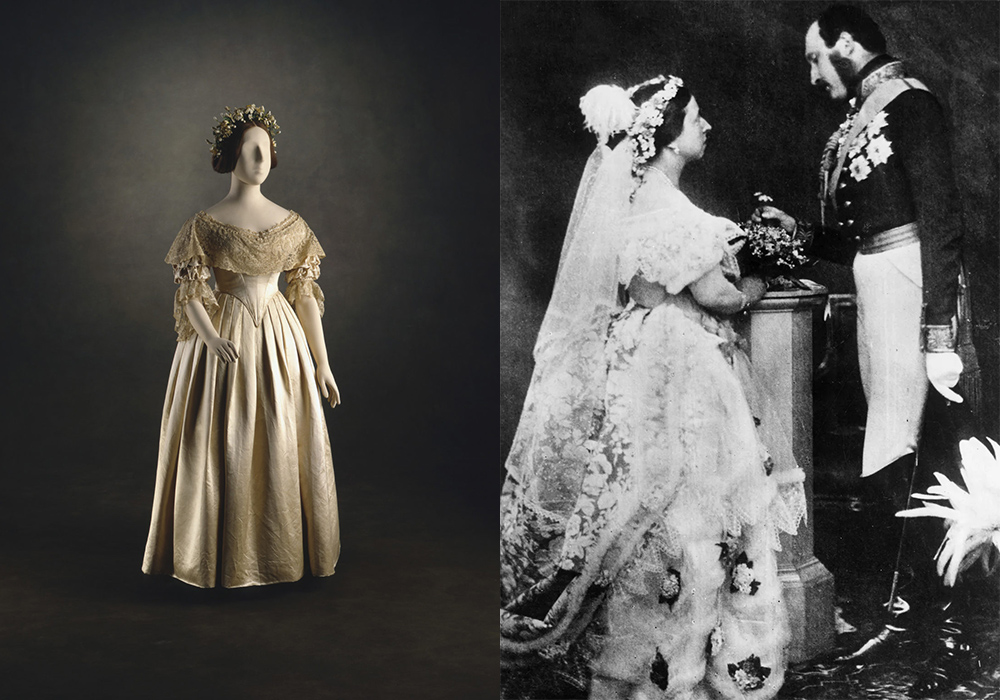
The wedding dress has always evolved alongside the women who wear it. When Queen Victoria chose white for her 1840 wedding, she was signalling not purity so much as privilege. The choice quickly shifted from personal preference to cultural expectation.
Also Read: The Rise, Ruin, Redemption Of Coco Chanel
The 1920s cut it loose – hemlines rose, silhouettes loosened, and clothing began to mirror new social freedoms. The 1950s pulled it back into structure, with designers like Christian Dior restoring volume and form as post-war society leaned again toward ceremony and tradition.
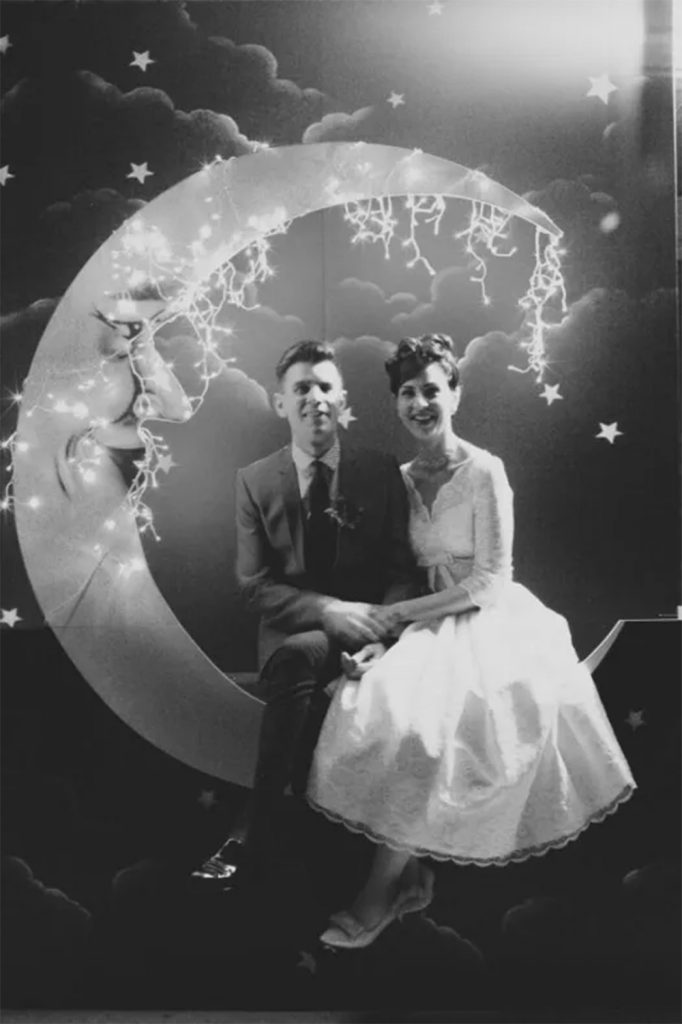
By the 1990s, restraint became its own statement. Slip dresses and minimal silhouettes, most memorably worn by Carolyn Bessette-Kennedy, shifted the focus from spectacle to self.
The early 2020s dissolved the category further – suits, colour, transparency, and dresses that barely acknowledged bridal codes at all.
Now in 2026, the shift feels sharper still. The wedding dress is no longer required to look like a wedding dress at all. It can arrive as something nearly undone, something that exists outside the ceremony it once defined.
Anne Hathaway’s Lever Couture Gown
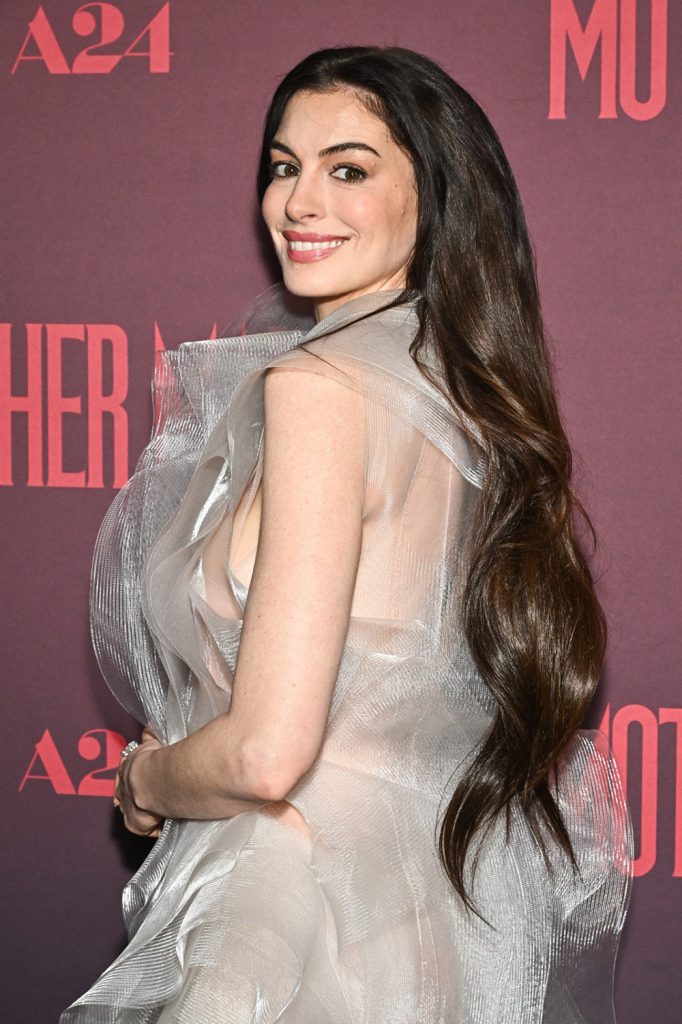
Anne Hathaway’s Lever Couture gown played with volume and transparency in equal measure. Layers of ruffled tulle built a sculptural effect across the body, softening and structuring at once, while the sleeveless cut kept the silhouette clean through the shoulders. A thigh-high slit cut through the fluidity, adding a sharp break to all that softness.
The styling stayed in step with the gown’s delicate drama. Christian Louboutin pumps and statement earrings brought in a focused hit of colour and contrast.
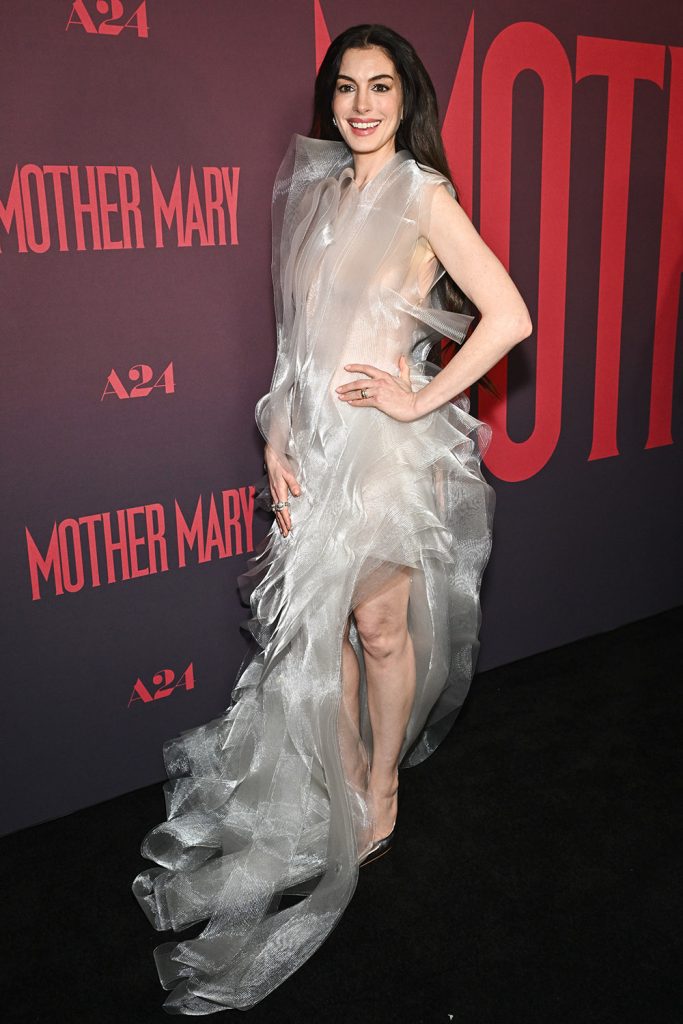
Her hair was worn loose in soft, glossy waves, falling naturally without over-styling. The makeup leaned into minimalist glamour, with a softly smoked eye and a glossy lip that kept the finish fresh.