

As Paris Haute Couture Week approaches, attention will once again turn to spectacular gowns, celebrity front rows and headline-making collections. Yet behind every couture creation lies a world that remains largely invisible: the specialised artisans whose skills have been passed down through generations.
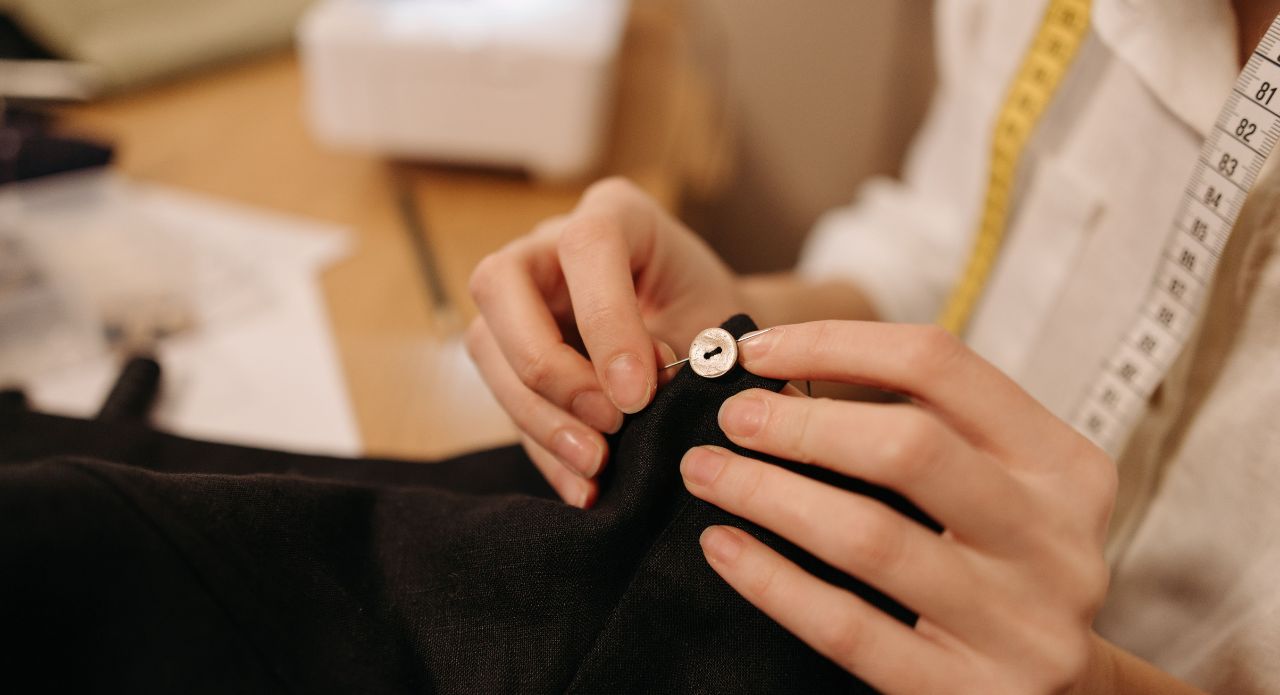
Embroiderers, feather workers, pleaters, flower makers and milliners continue to produce the painstaking handwork that defines haute couture. Their craft is one of the reasons couture remains the pinnacle of luxury fashion.
These professions face growing challenges. Younger workers are increasingly drawn to careers in technology, finance and digital industries, while many traditional workshops require years of apprenticeship before artisans can master their techniques.
Also Read: Paris Couture Week 2026: How Indian Designers Are Emerging As Global Luxury Fashion Power Players
At the same time, luxury conglomerates have stepped in to safeguard these endangered skills. Groups such as Chanel and LVMH have invested heavily in preserving historic ateliers, recognising that craftsmanship is not merely heritage but a competitive advantage. In an era increasingly shaped by artificial intelligence and automation, the value of handcraft has become even more pronounced. For luxury consumers, rarity is no longer defined solely by price but by the time, expertise and human touch embedded in an object.
Preserving Human Expertise
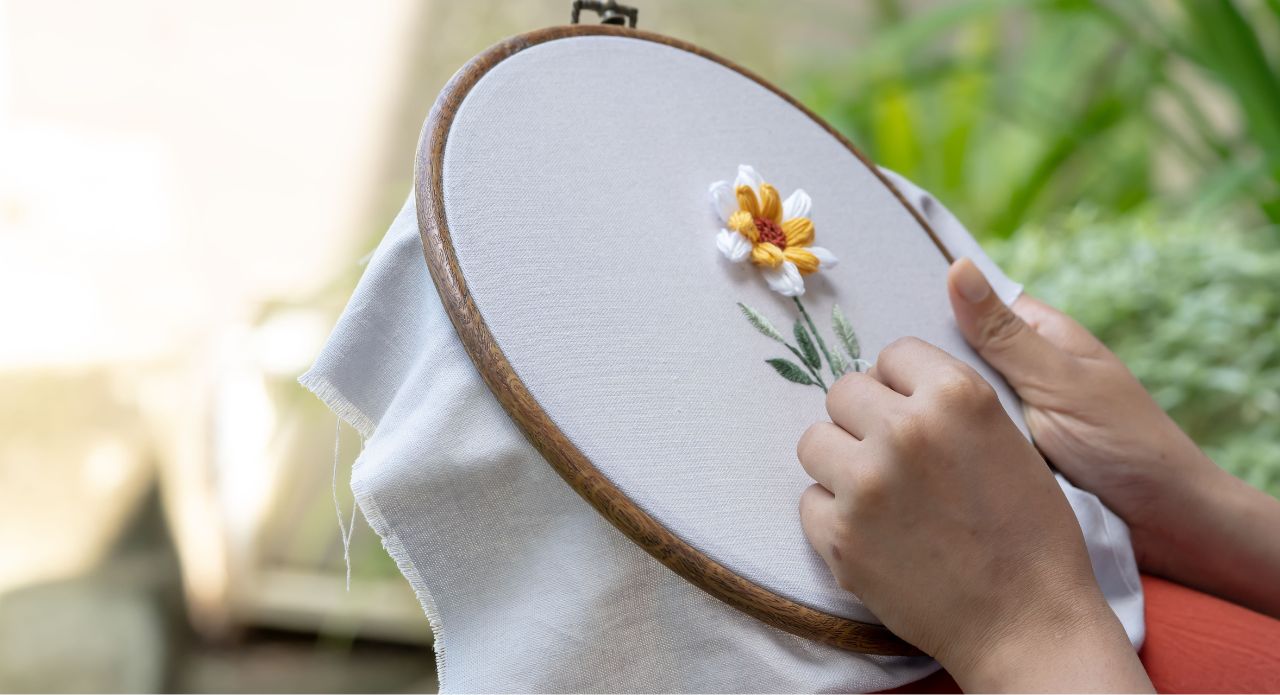
What makes haute couture exceptional is that many of its defining techniques cannot be replicated by machines. As technology advances, the contrast between automated production and hand craftsmanship becomes sharper. Preserving these rare métiers ensures the survival of cultural heritage while reinforcing the exclusivity that continues to distinguish luxury fashion from mass production.
Chanel Métiers d’Art (2002–Present)
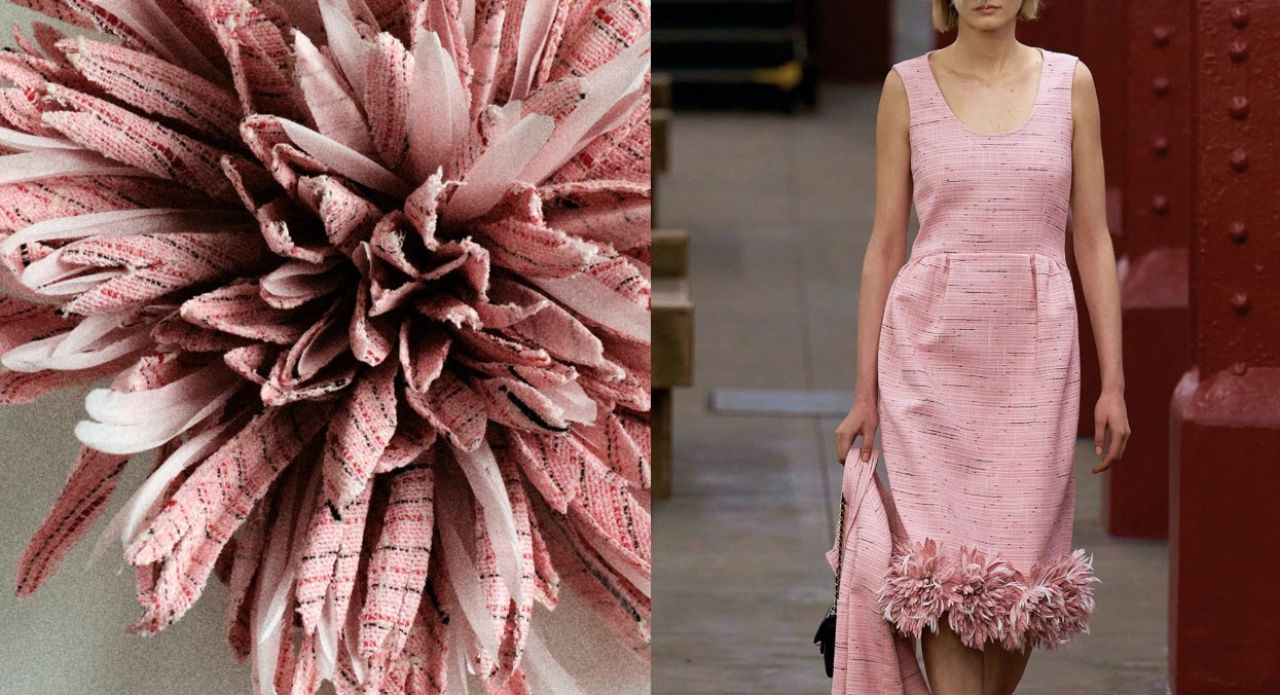
Chanel’s Métiers d’Art collections, launched in 2002, celebrate the expertise of specialist ateliers including Lesage, Lemarié and Lognon, all of which contribute intricate handmade details to the house’s couture and ready-to-wear collections.
Dior Haute Couture Embroidery (1947–Present)
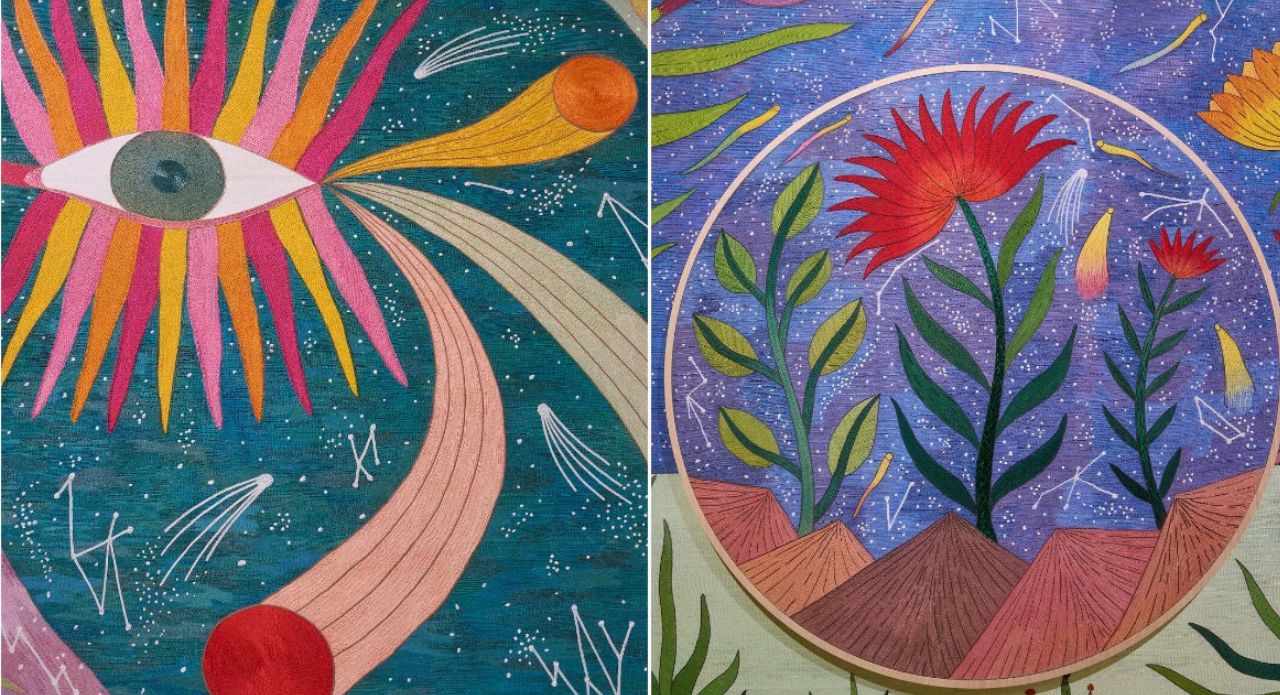
The House of Dior continues to rely on exceptional embroidery techniques for its haute couture collections. Hand-sewn embellishments, delicate beadwork and intricate threadwork often require months of development and collaboration with specialist ateliers. These painstaking details underscore the enduring importance of artisanal craftsmanship within Parisian couture.
Valentino Haute Couture (1960–Present)
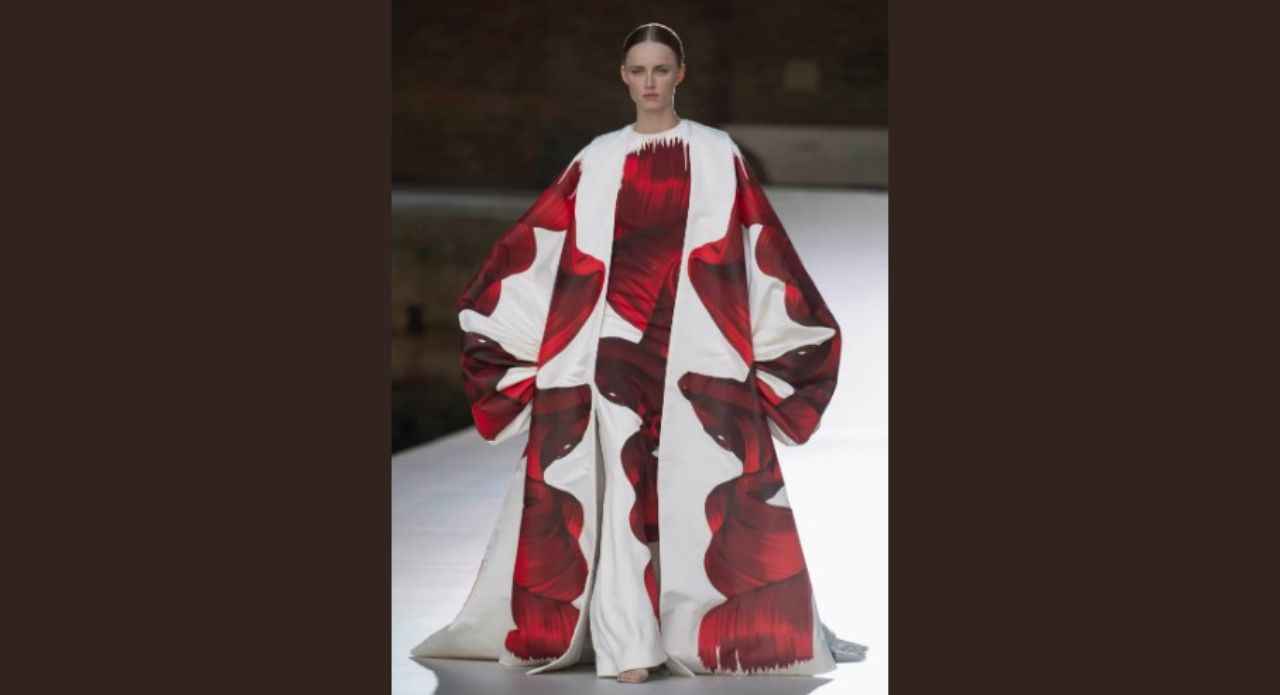
Valentino’s couture ateliers are renowned for handcrafted embellishments, intricate embroidery and sophisticated textile techniques. Artisans execute complex appliqué, beadwork and fabric manipulation by hand, creating garments that cannot be replicated through industrial manufacturing. Many couture pieces require hundreds of hours of work by specialist craftspeople, underscoring the enduring value of artisanal expertise in contemporary luxury fashion.
Schiaparelli Haute Couture (1927–Present; Revived 2013)
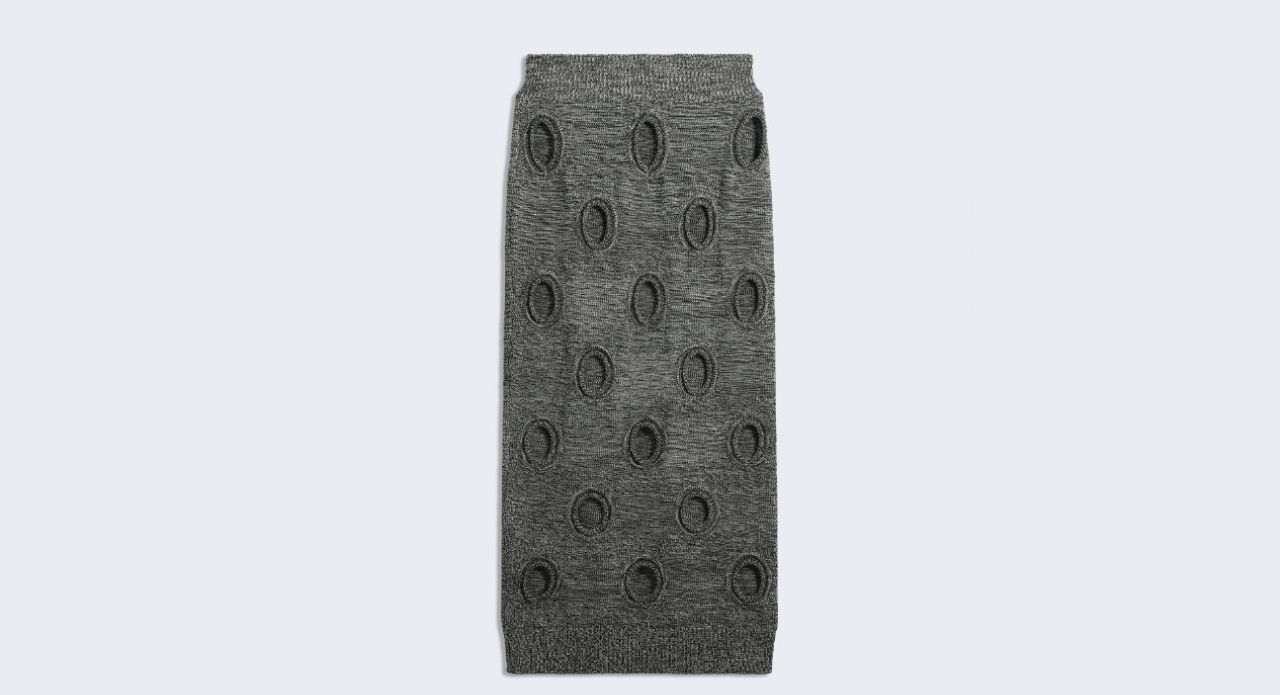
Schiaparelli’s modern couture collections blend the house’s Surrealist heritage with exceptional artisanal craftsmanship. Gold-thread embroidery, sculptural detailing and hand-finished embellishments are executed by specialist ateliers, transforming imaginative concepts into wearable works of art. These creations demonstrate how heritage techniques continue to inspire innovation and exclusivity within contemporary luxury fashion.
Maison Margiela Artisanal (2006–Present)
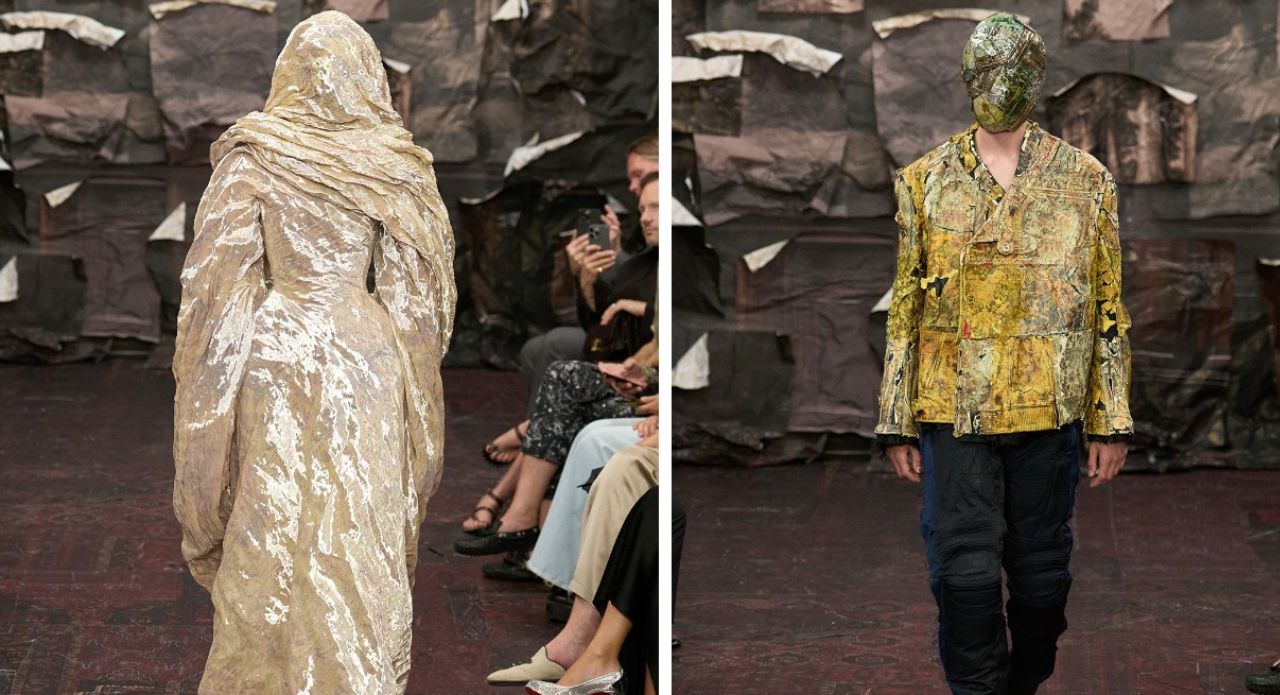
Maison Margiela’s Artisanal collections celebrate couture through reconstruction, embroidery, upcycling and meticulous hand-finishing techniques. Each piece reflects extensive manual craftsmanship and creative experimentation, transforming found and unconventional materials into one-of-a-kind garments. The collections demonstrate how craftsmanship continues to drive innovation, exclusivity and artistic expression within the modern luxury landscape.
Also Read: Dior’s Couture Shines With Indian Mukaish Priced Over A Whopping Crore, Sparks Outrage
These workshops serve as a reminder that luxury’s future may depend on preserving its past. While artificial intelligence can generate designs and automate processes, it cannot replicate decades of accumulated expertise or the subtle imperfections that reveal a human hand. The survival of couture’s rare crafts is therefore about more than fashion. It is about safeguarding cultural knowledge, supporting skilled artisans and ensuring that craftsmanship remains central to the definition of luxury in the twenty-first century.