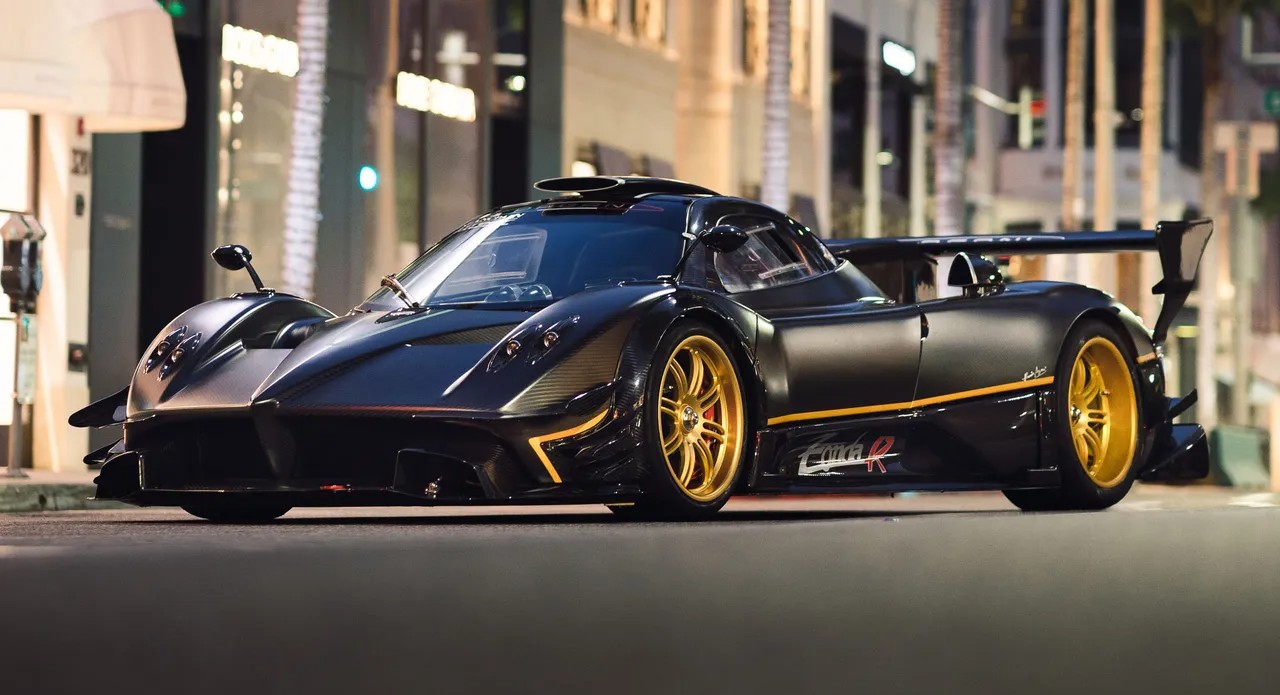


There was a time when stepping into a luxury car felt like entering a gentleman’s club on wheels, all leather, wood, and a faint sense that you ought to whisper. Not anymore. Now it feels like you have wandered into a very expensive science experiment, where every surface has been ruthlessly interrogated for weight, grip, and purpose. And that is where things get properly interesting. Because the shiny, woven carbon fibre, and that suede like Alcantara you keep brushing your fingers across, are not there just to impress your passengers. They are there to make the car faster, sharper, and far more alive. One is cold, hard, and obsessed with shaving grams, like a racing driver on a diet. The other is tactile, grippy, and quietly making sure you do not slide about like a startled penguin when the road gets twisty. Together, they turn the cabin into something far more than a place to sit. They turn it into part of the machine. You will find both used extensively in cars from brands like Ferrari, Lamborghini, and Porsche. But while they often sit side by side inside a cabin, they do very different jobs. One is all about strength and structure. The other is about grip, feel, and just a touch of theatre.
Carbon Fibre The Lightweight Warrior
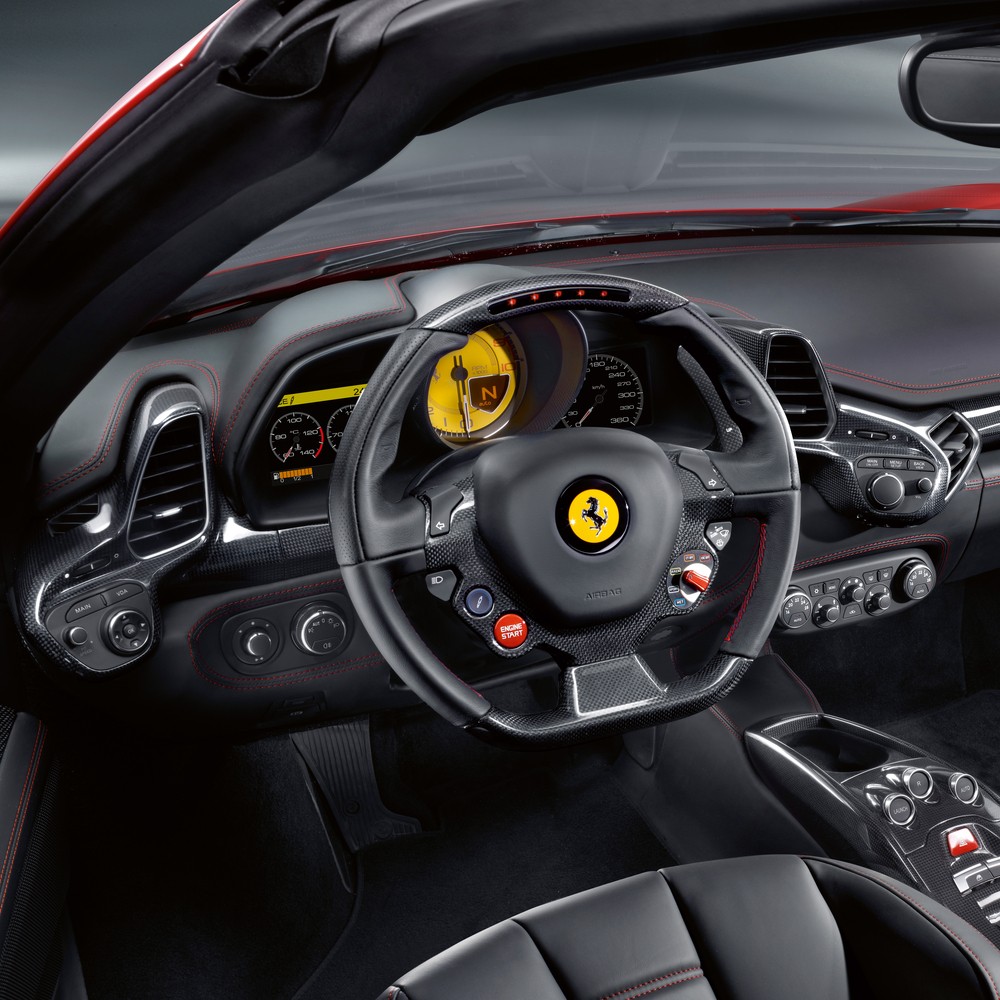
Carbon fibre is, quite simply, the superhero of modern automotive materials. It is ridiculously strong, astonishingly light, and looks like it means business even when the car is standing still. Made from tightly woven carbon strands set in resin, it delivers strength comparable to steel at a fraction of the weight. Now here is why that matters. Replace traditional materials like steel or even aluminium with carbon fibre, and suddenly the car sheds kilos. Proper kilos. This reduction improves acceleration, braking, and cornering. It is not just about going faster in a straight line. It is about making the entire car feel sharper, more responsive, and frankly, more fun.
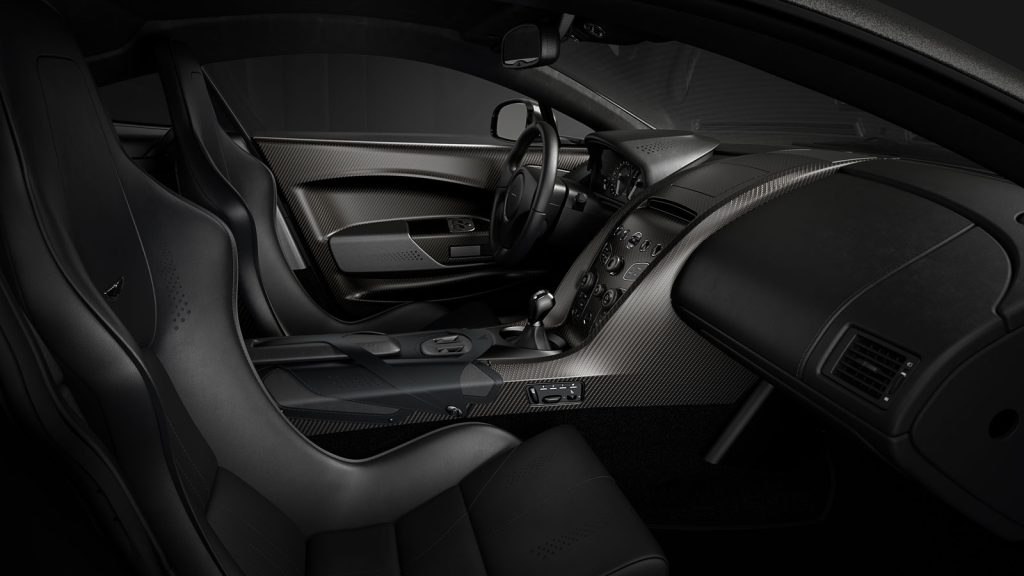
Inside the cabin, carbon fibre is often used for trim panels, centre consoles, seat structures, and even steering components. And yes, it looks fantastic. That glossy woven pattern screams performance. But more importantly, it reduces overall mass without compromising rigidity. Which means the car feels tighter, more focused, like it has had one too many espressos. There is also a psychological element. Sit inside a cabin lined with carbon fibre, and you immediately feel like you are in something serious. Something engineered, not just assembled. It is the material equivalent of a racing driver in full gear.
Alcantara The Grippy Companion
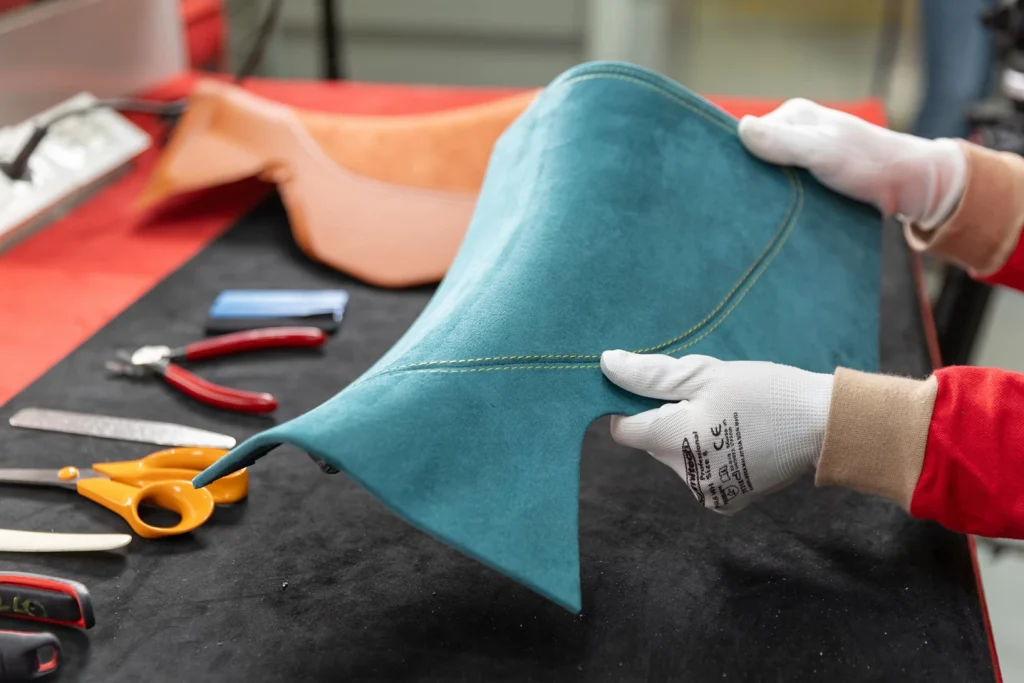
Now, Alcantara is a completely different story. It does not look like it belongs on a spaceship. It looks soft. Subtle. Almost understated. But do not be fooled. This stuff is clever. Alcantara is a synthetic microfiber material that is significantly lighter than traditional leather. That alone helps shave off weight, especially when used across seats, headliners, and door panels. But its real magic lies in how it feels and behaves.
Also Read: Top Green Sports Cars of All Time: Iconic Models That Defined Performance And Style
Grip. That is the key word here. When you are driving quickly, especially through corners, the last thing you want is to slide around in your seat like a bag of groceries. Alcantara holds you in place. It adds friction between you and the car, making you feel more connected, more in control. It is also far more breathable than leather, which means it stays comfortable even when things get a bit heated, both literally and figuratively. And because it is lighter, replacing full leather interiors with Alcantara can trim additional weight without sacrificing that sense of luxury. Carmakers love it because it delivers performance benefits while still feeling premium. Drivers love it because it makes them feel like they are part of the machine rather than just sitting in it.
The Real Difference And Why It Matters
So what is the difference. Carbon fibre is about structure and strength. It reduces weight while increasing rigidity. Alcantara is about interaction and comfort. It reduces weight while improving grip and usability. Together, they create a perfect balance. One makes the car faster and sharper. The other makes the driver better connected and more comfortable. It is not a competition. It is a partnership.
And that, ultimately, is what modern luxury performance cars are all about. Not just speed. Not just comfort. But the clever blending of both, using materials that work as hard as the engine under the bonnet. Because in the end, the real luxury is not just how a car looks. It is how it makes you feel when you drive it.