

There are cars, and then there are declarations of intent, and Rolls-Royce Motor Cars has just delivered one that feels as though it should arrive with a handwritten invitation sealed in wax. Project Nightingale, the first creation from its Coachbuild Collection, is not merely a motor car. It is an event, a philosophy, and quite possibly the most gloriously indulgent way to travel from one place to another without ever actually wanting to arrive.
Named after Le Rossignol, the house of designers and engineers at Henry Royce’s French Riviera retreat, Project Nightingale carries with it a sense of old world romance, the sort that involves linen suits, long lunches, and conversations that stretch into the evening. But do not be fooled by the poetry of its name. Beneath that lyrical surface lies something altogether more serious, a machine that channels the audacity of the experimental ‘EX’ motor cars of the 1920s, those glorious, slightly mad contraptions that dared to go faster, further, and with more flair than anyone thought entirely sensible. And this, in essence, is what Nightingale is about. It takes three ideas that, until now, had no business sharing the same sentence, coachbuilt freedom, a near silent all electric powertrain, and open top motoring, and fuses them into something that feels both inevitable and utterly outrageous.
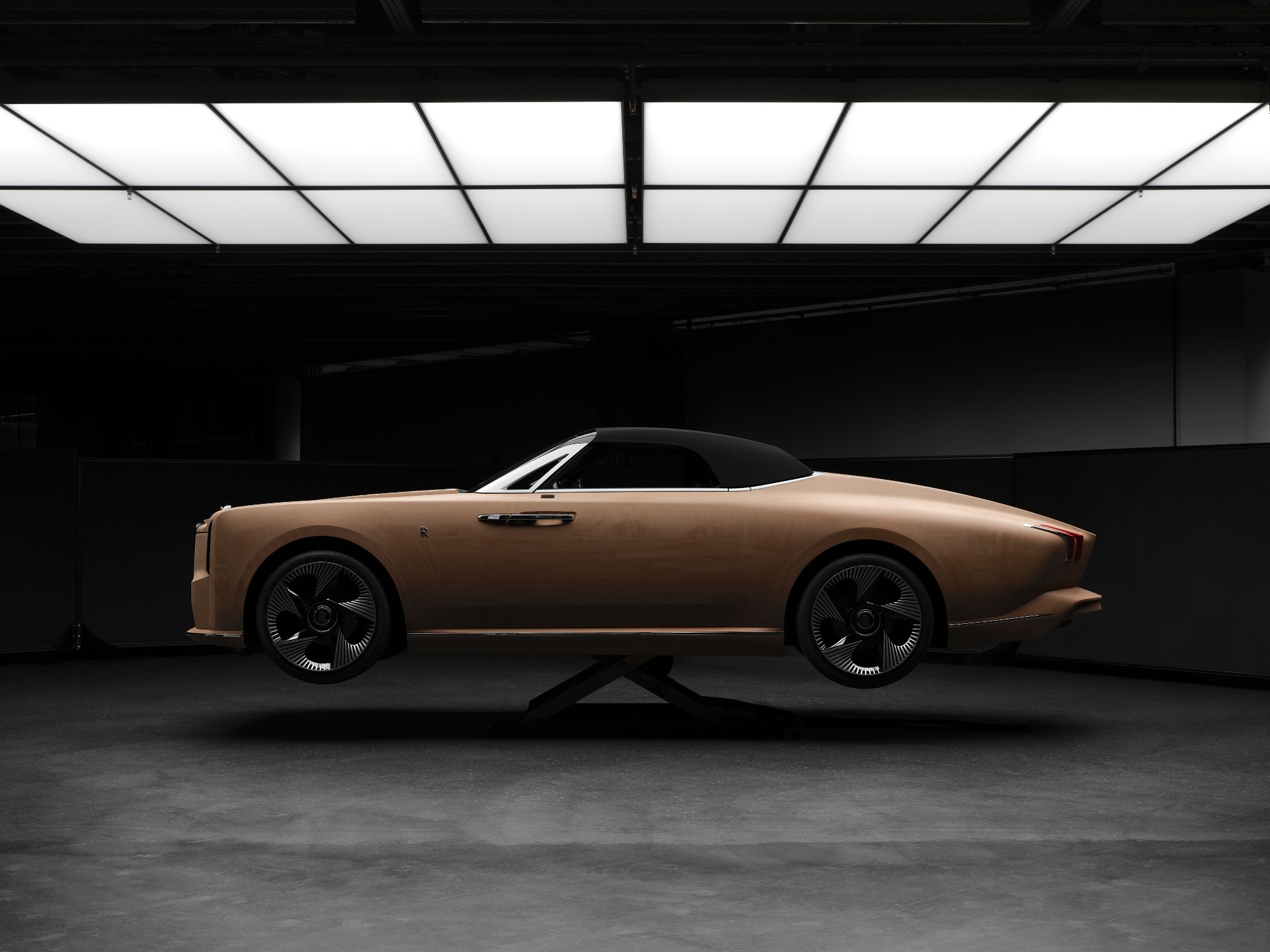
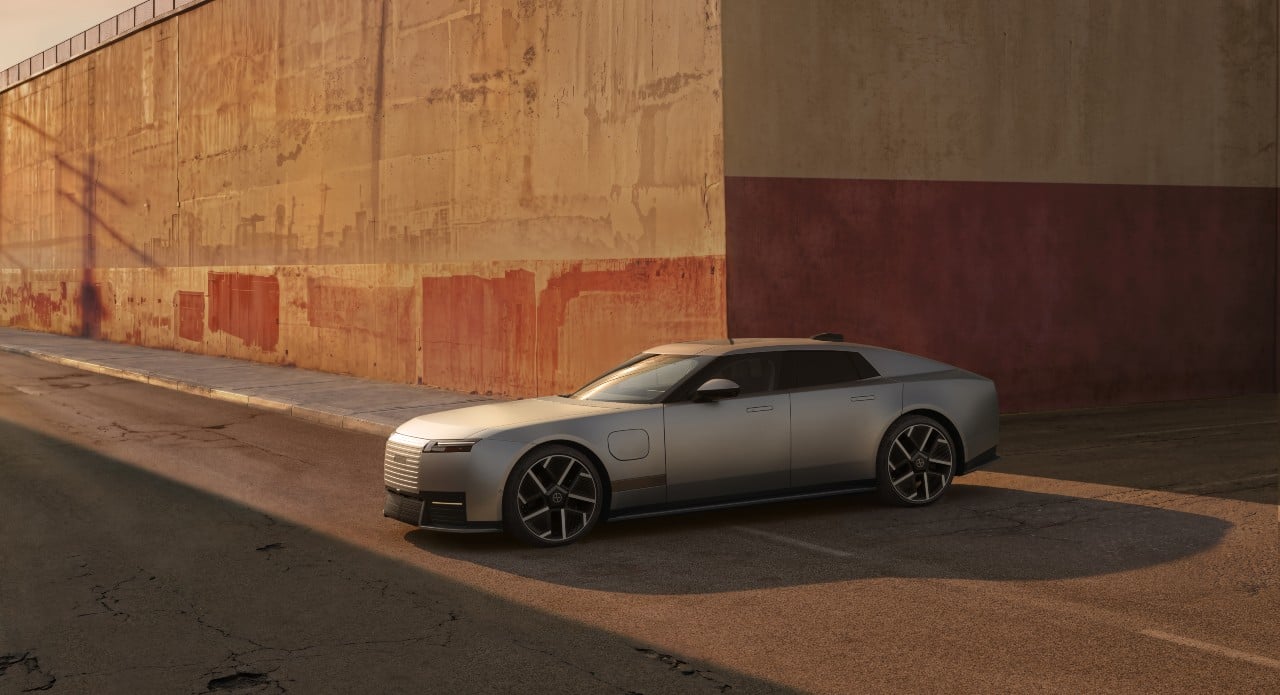
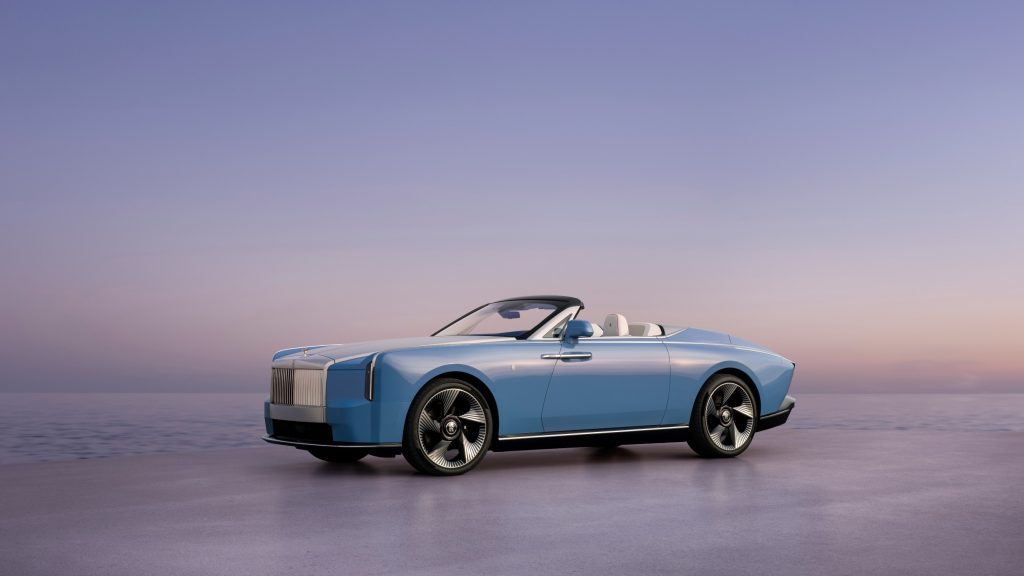
Stretching to 5.76 metres, roughly the length of a Phantom, but devoted entirely to two occupants, Nightingale is less a car and more a sculpture in motion. Its design language borrows heavily from Streamline Moderne, that glorious late Art Deco obsession with speed, flow, and uninterrupted surfaces. The result is a form that appears carved from a single, enormous billet of metal, all sheer planes and flowing lines, as though the wind itself had a hand in shaping it.
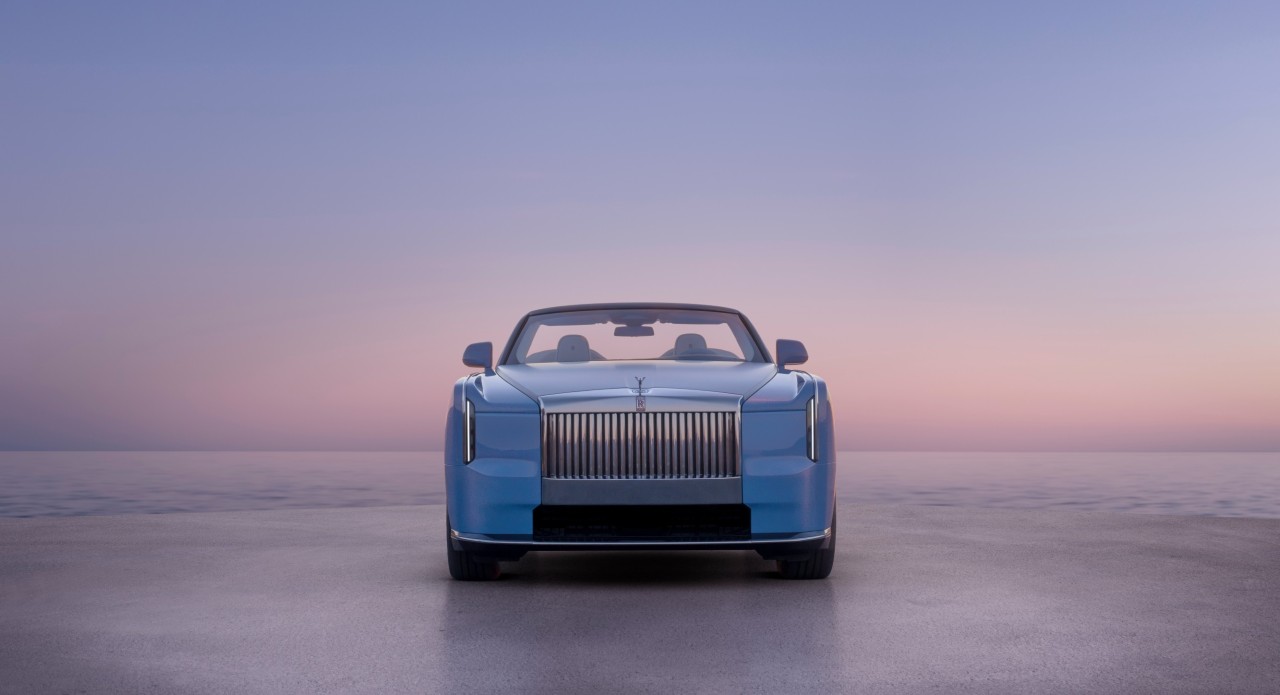
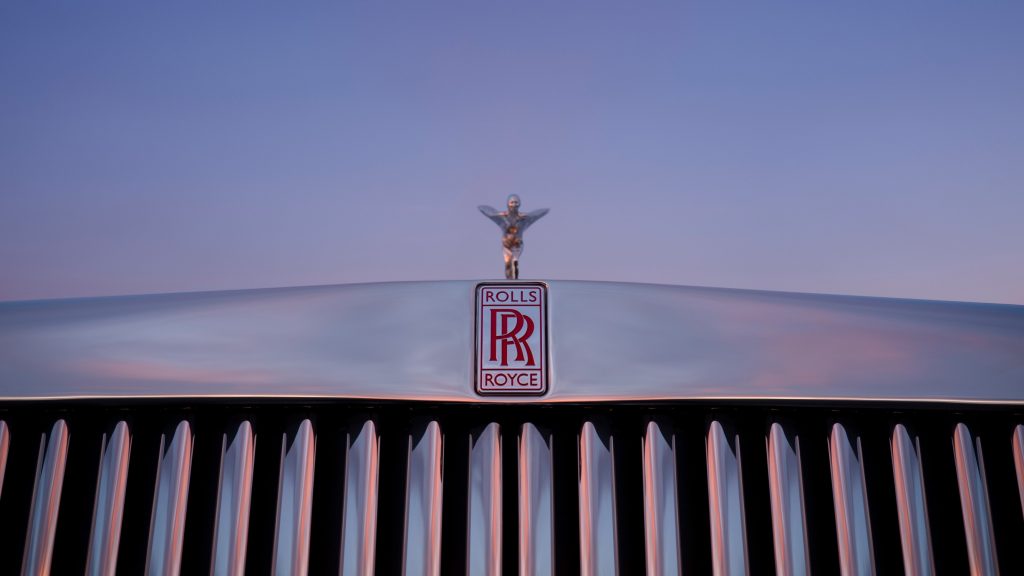
At the front sits the Pantheon grille, not so much fitted as installed, like a monument. Nearly a metre wide, framed in stainless steel, and filled with 24 deeply set vanes, it carries the sort of presence that would make lesser machines quietly reverse out of its way. Atop it, the Spirit of Ecstasy does not simply stand, she glides, her form subtly recessed, as though slicing through air that has politely chosen to part for her.
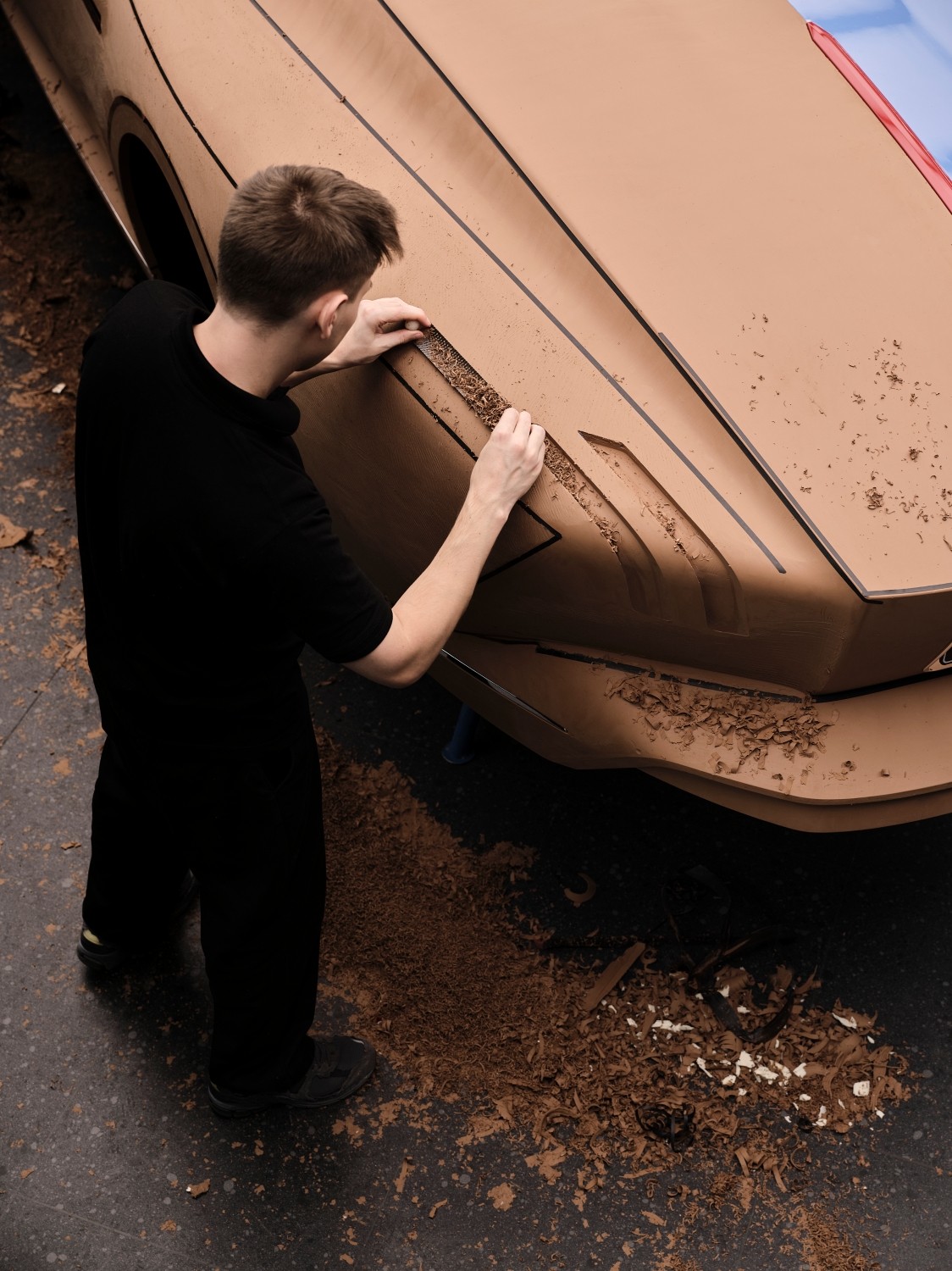
There are no unnecessary openings, no clutter, no visual noise. The absence of a traditional combustion engine allows vast, uninterrupted expanses of bodywork, turning the front elevation into a study of restraint and authority. And then, at the outer edges, slender vertical headlamps slice downward, accentuated by polished steel bands that run the entire length of the car like lines drawn with absolute conviction.
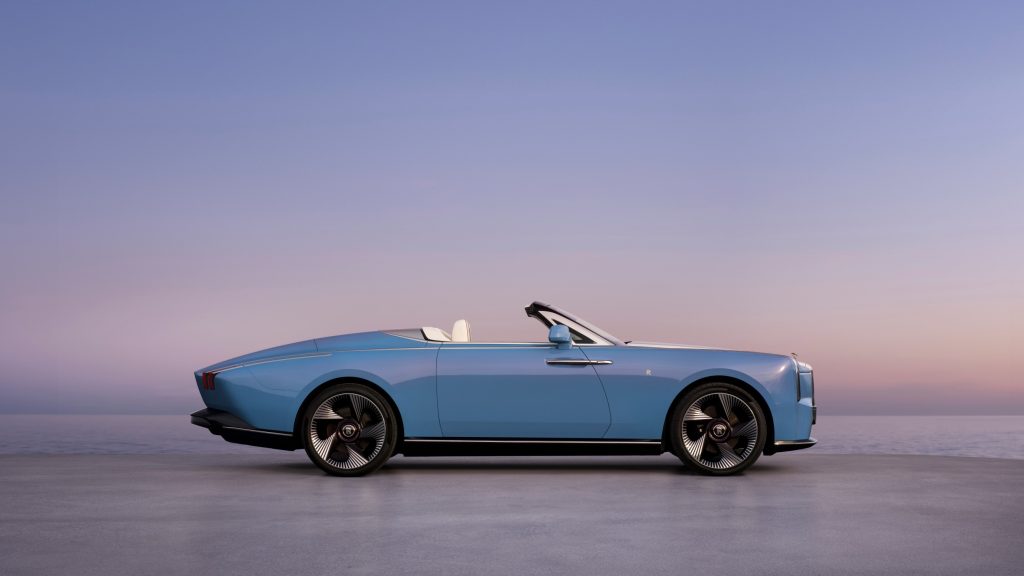
From the side, the story becomes even more dramatic. A vast bonnet stretches forward like the prow of a yacht, giving way to a sharply raked windscreen and a cabin that sits low and deep within the body, cocooned, intimate, almost secretive. A single, unbroken hull line runs from front to rear, reinforcing the sensation that this is not assembled, but sculpted.
Behind the seats, the body rises gently, like a turned collar, shielding occupants from the elements, while beneath, subtle sculpting and carbon fibre elements add depth without ever shouting about it. Even the door handles have been engineered into near invisibility, because, quite frankly, anything less would have been vulgar. The wheels, all 24 inches of them, are the largest ever fitted to a Rolls-Royce. Inspired by yacht propellers, they appear to move even when standing still, their surfaces catching light in a way that feels almost theatrical.
At the rear, things become muscular. The body swells around the arches, the stance wide and planted, before tapering into a tail that is both elegant and purposeful. Slim rear lamps drop vertically with surgical precision, while the Piano Boot opens sideways in a gesture that transforms luggage access into something approaching ceremony.
And then there is the silence. Because this is electric. Entirely. And in a Rolls-Royce, that does not mean simply quiet, it means the absence of intrusion. With the roof lowered, the experience has been likened to sailing, not driving. There is no engine note, no mechanical interruption, just the world itself. Wind through trees, distant waves, birdsong carried on the air.
Inside, this obsession with serenity reaches its zenith. Inspired by the song of the nightingale itself, the interior features what can only be described as a constellation, 10,500 individual points of light forming the Starlight Breeze. It wraps around the occupants, translating sound into illumination, turning the cabin into something that feels less like a car interior and more like a private universe.
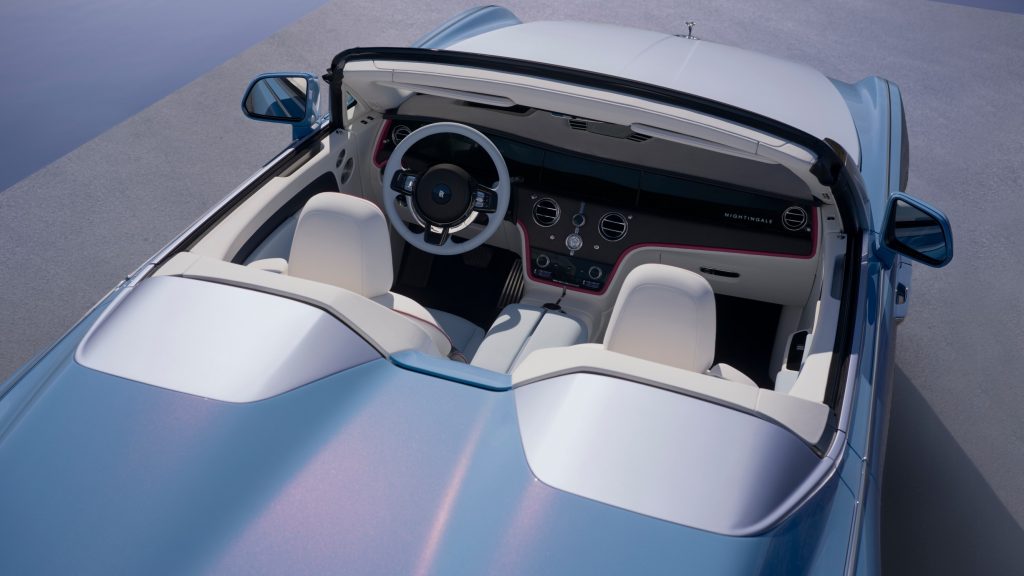
The craftsmanship is, as expected, extraordinary. Leather surfaces echo the form of a finely made saddle, the centre console glides open with theatrical precision, revealing controls that feel more like jewellery than instrumentation. There are no excess buttons, only five rotary controls, each machined and finished with obsessive care. Even the cupholders, should one feel the need, are carved from solid aluminium, because of course they are. Each of the 100 examples will be entirely bespoke, curated alongside its owner, ensuring no two Nightingales will ever be quite the same. Entry, naturally, is by invitation only. One does not simply walk into a showroom and request one. That would be far too ordinary.
The example presented, finished in Côte d’Azur Blue with subtle red flecks, pays homage to the experimental 17EX of 1928, while its interior, awash with soft blues, whites, and delicate pink accents, evokes the Riviera itself, sunlit, effortless, and quietly opulent. And underpinning all of this is Rolls-Royce’s Architecture of Luxury, an aluminium spaceframe that ensures this vast, sculptural object moves with the same grace with which it stands still.
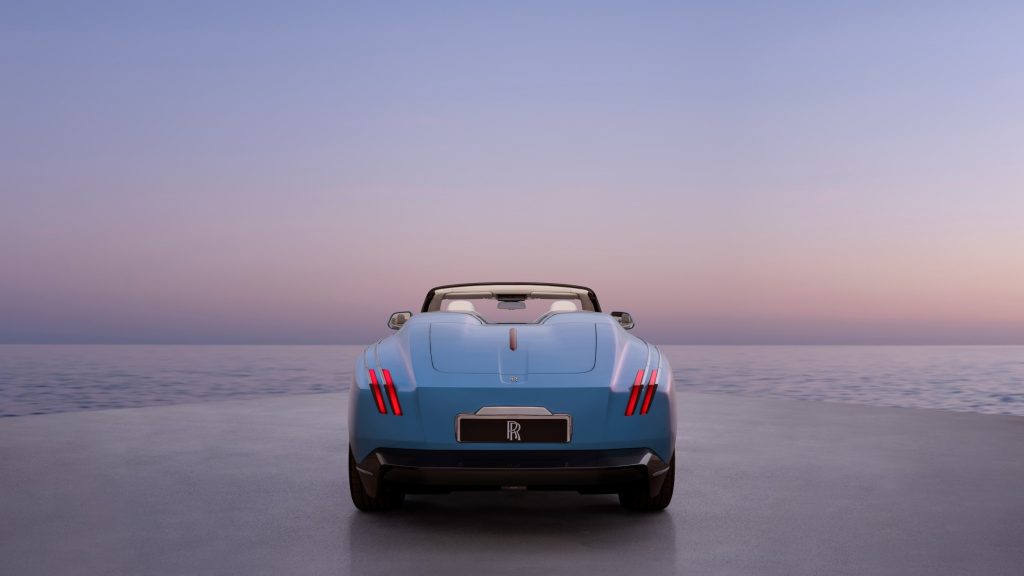
Project Nightingale is not yet on the road. It will undergo a global testing and validation programme, with deliveries beginning in 2028. But make no mistake, its intent is already clear. This is not a car designed to compete. It is a car designed to exist above competition. A rolling declaration that in a world obsessed with speed, numbers, and noise, true luxury lies in silence, in presence, and in the quiet confidence of knowing that nothing else quite comes close.
Before the world had even laid eyes on it, every example had already found its owner. Priced at an estimated $9.5 million (INR 82 crore approx), Rolls-Royce’s Project Nightingale became one of the marque’s most exclusive creations long before its official debut, with all 100 examples spoken for through private invitation alone. There was no public configurator, no waiting list, and no dealership allocation. Instead, Rolls-Royce personally selected each client, offering access to a commission reserved for its most discerning patrons. Every car was handcrafted as a unique expression of its owner’s vision, featuring bespoke materials, exclusive colour palettes and one off design details that will never be replicated. More than an ultra luxury electric grand tourer, Project Nightingale embodies the evolving definition of exclusivity, where the privilege of being invited has become far more valuable than the price of admission itself.