


There is a wonderfully stubborn belief that making a sports car faster is simply a matter of adding more horsepower. Bigger engine. Larger turbochargers. Louder exhaust. Job done. It is the sort of logic that sounds perfectly sensible until you arrive at the first corner travelling at speeds normally associated with low-flying aircraft. Because here’s the inconvenient truth. Horsepower gets you into trouble. Engineering gets you back out again. And among the countless engineering decisions that define a great sports car, one remains absolutely imperative: keeping its centre of gravity as low as possible. It is why Ferraris, Lamborghinis, McLarens and Porsches all sit so close to the ground. Lowering the centre of gravity transforms the way a car corners, brakes, accelerates and communicates with its driver, proving that true performance has never been about brute force alone.

What Exactly Is A Centre Of Gravity?
Imagine balancing a cricket bat on your fingertip. Find the exact point where it balances perfectly, and you’ve located its centre of gravity. A car works in precisely the same way. Every component, from the engine and gearbox to the fuel tank and passengers, contributes to one invisible point where the vehicle’s entire weight is concentrated. The lower that point sits within the chassis, the more stable the car becomes. Raise it higher and the vehicle starts behaving like a wardrobe balanced on roller skates. Lower it and suddenly everything feels planted, controlled and reassuring, even when physics begins asking difficult questions.

Cornering Suddenly Becomes Physics Rather Than Luck
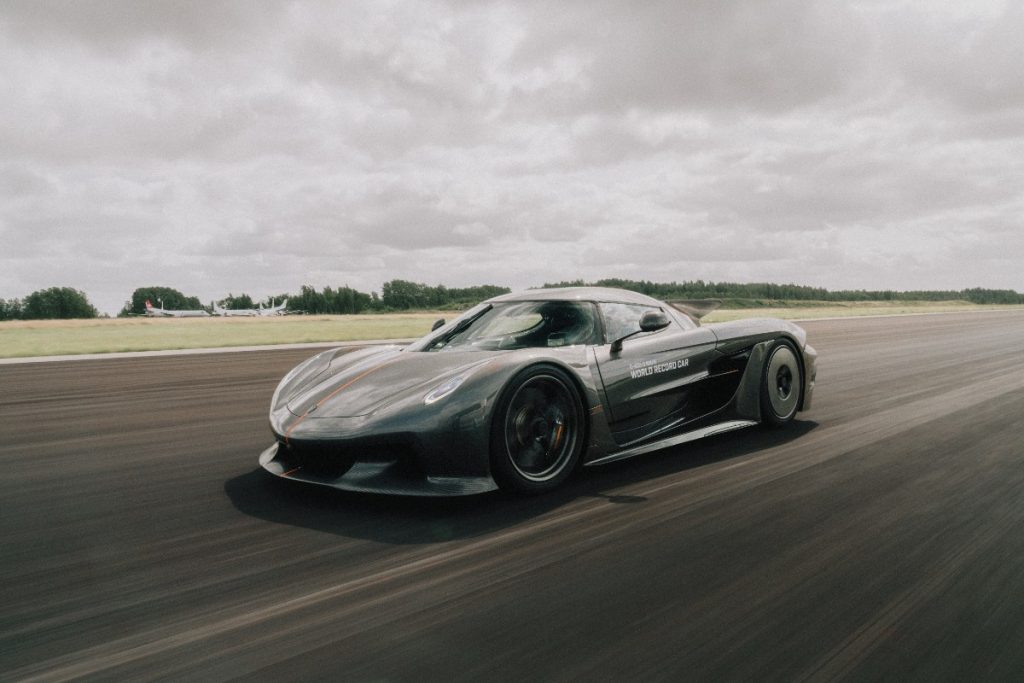
Corners are where a sports car earns its reputation. As you turn, the vehicle’s weight naturally shifts toward the outside wheels. If the centre of gravity sits high, that weight transfer becomes dramatic. The body leans heavily, the tyres work harder, grip begins disappearing and confidence evaporates almost immediately. Lower the centre of gravity, however, and something rather magical happens.
The car remains flatter through the bend, weight transfer becomes smoother, the tyres maintain a larger contact patch with the road and grip increases dramatically. Rather than feeling as though you’re wrestling with several tonnes of metal, the car simply changes direction exactly when you ask it to. It feels less like driving. More like wearing the car.
Braking Stops Becoming A Balancing Act
Hard braking is another moment where physics attempts to embarrass everyone. As speed disappears, weight rushes toward the front axle. In taller vehicles this causes noticeable nose dive, unsettling the suspension and making the rear tyres carry significantly less load. A low centre of gravity reduces this forward weight transfer. The chassis remains more level, braking distances improve, tyre grip stays consistent and the entire car feels calmer under heavy deceleration. Which is particularly useful when you’ve entered a corner carrying considerably more enthusiasm than common sense.
Also Read: Rolls-Royce Unveils One-Off Phantom Regatta Inspired By The Sea
Acceleration Feels More Controlled
The same principle works in reverse. Stamp on the accelerator and weight shifts toward the rear wheels. If that movement becomes excessive, the front lifts, steering precision suffers and power struggles to reach the road efficiently. A low centre of gravity keeps the chassis settled, allowing the tyres to apply power with greater confidence. Modern sports cars can deploy astonishing horsepower not simply because they have clever electronics, but because their fundamental weight distribution allows the suspension and tyres to do their jobs properly. It is controlled violence. The very best kind.

Why Mid Engine Supercars Feel So Different
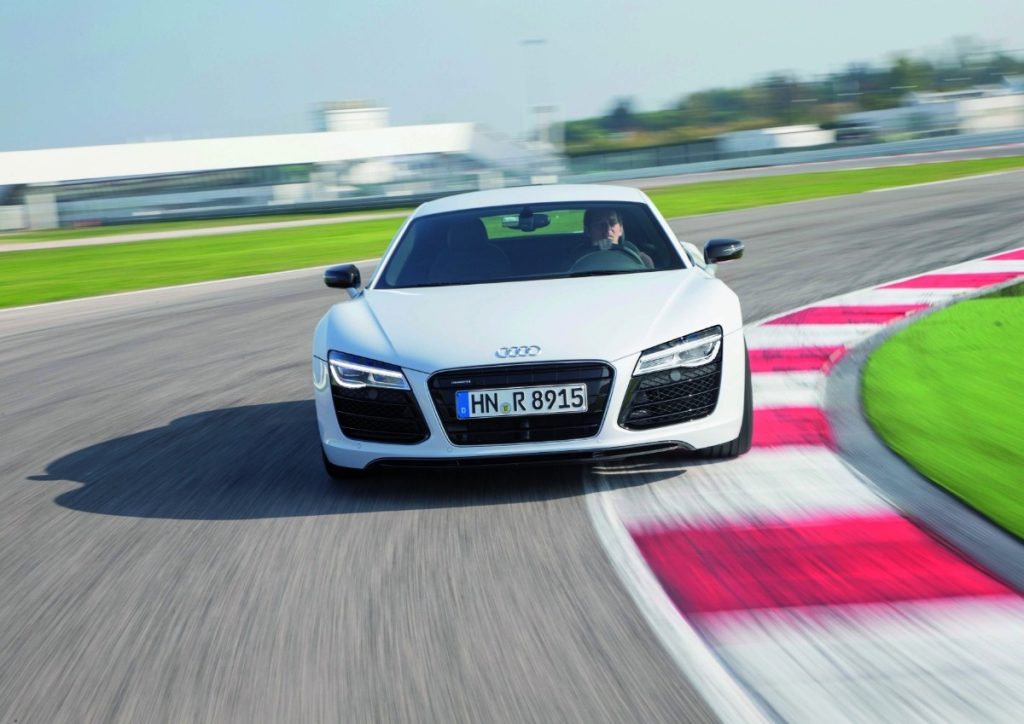
There is a reason Ferrari, Lamborghini and McLaren prefer placing their engines behind the driver. Positioning the heaviest component close to the middle of the chassis and as low as possible dramatically improves the car’s balance. Weight becomes evenly distributed between the front and rear axles while the centre of gravity moves closer to the road. The result is quicker direction changes, greater agility and a sensation that the entire car pivots neatly around the driver’s hips. It is one of the reasons mid engine supercars feel almost telepathic compared with ordinary road cars.
Electric Sports Cars Have Accidentally Perfected The Formula
Perhaps the greatest beneficiary of this engineering principle is the electric vehicle. Rather than carrying a heavy engine high above the front axle, EVs place hundreds of kilograms of battery cells beneath the cabin floor. This creates one of the lowest centres of gravity ever achieved in production cars. Despite weighing considerably more than petrol sports cars, many modern electric performance cars corner with astonishing composure because the weight sits exactly where engineers have always wanted it.
Also Read: Lamborghini’s New Urus SE Blends Hybrid Power With Italian Craftsmanship
The Best Sports Cars Don’t Rely On Horsepower Alone
Ask almost anyone what makes a sports car exciting and they’ll usually begin with horsepower, top speed or acceleration. Those figures certainly make impressive headlines, but they tell only half the story. The confidence you feel through a fast corner, the stability under heavy braking and the precision that encourages you to push a little harder all come from something you cannot see. A low centre of gravity is one of the oldest principles in automotive engineering, yet it remains one of the most important. It is the invisible ingredient that allows extraordinary machines to feel effortless at extraordinary speeds. Because in the end, the fastest sports car isn’t necessarily the one with the biggest engine. It’s the one that makes gravity work in its favour rather than against it.