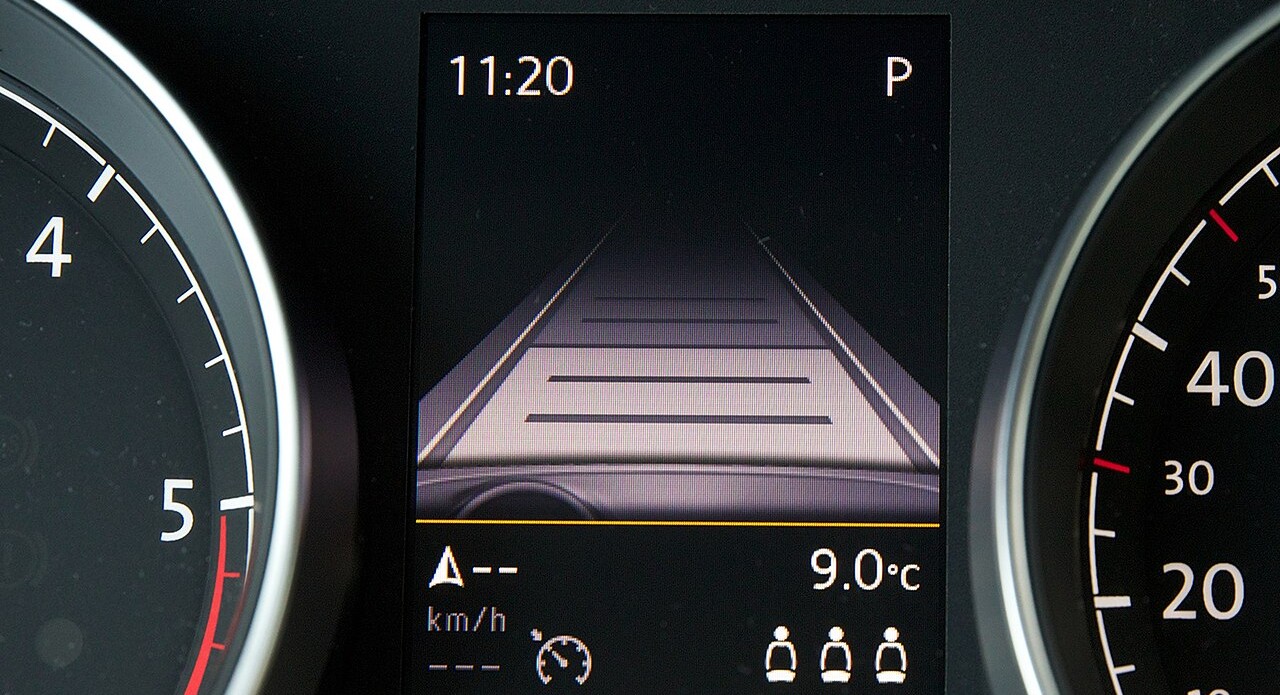


There is a widely held belief that cruise control exists purely so that drivers can relax, stretch their legs, and pretend they are captaining something far more important than a car. And while that may be true to an extent, it misses the point rather spectacularly. Because cruise control is not just a convenience. It is, rather cleverly, a tool that can save fuel, reduce wear, and make the entire act of driving feel a great deal more efficient than most people realise.
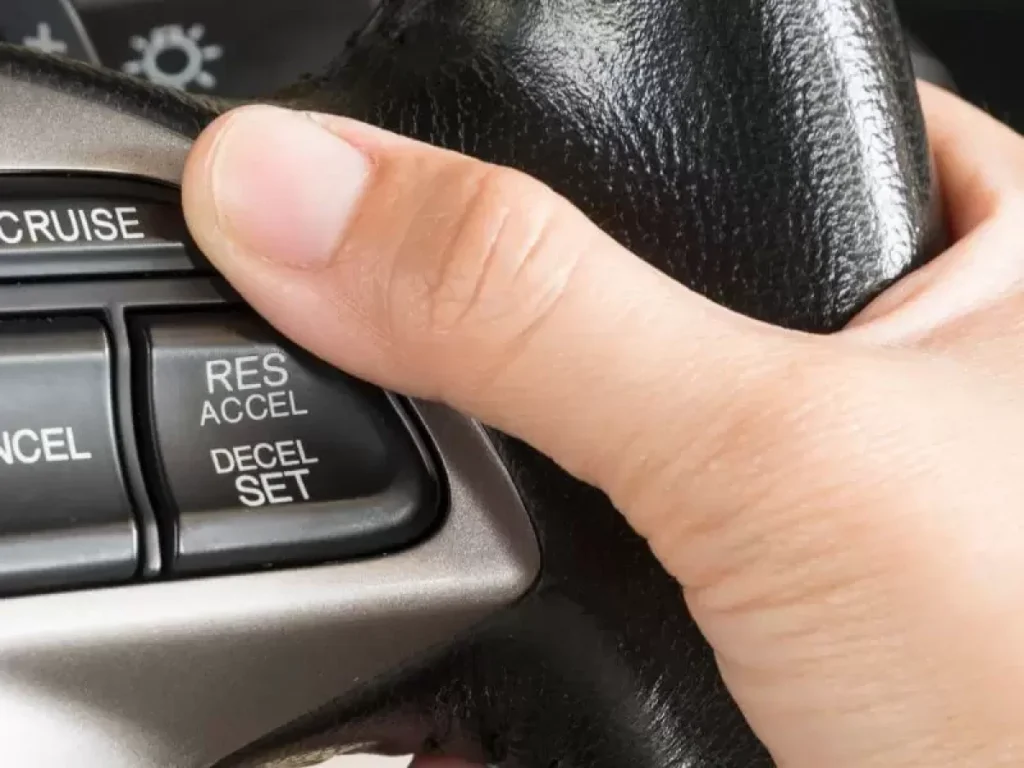
At its core, the idea is beautifully simple. Cruise control maintains a constant speed. That is it. No drama, no theatrics, just a steady, unwavering pace. But in that simplicity lies something rather brilliant, because the moment a human being is removed from the delicate task of throttle control, things begin to improve.
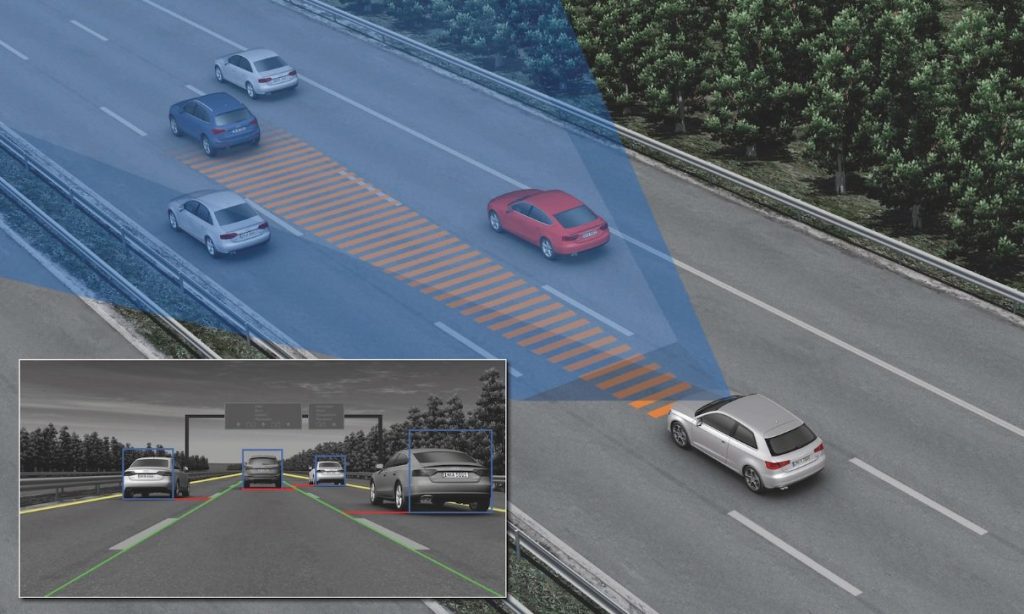
To understand why, one must first look at how cruise control actually works. In modern cars, it relies on a combination of sensors, electronic control units, and actuators connected to the throttle system. The driver sets a desired speed, and the system takes over, adjusting throttle input automatically to maintain that speed regardless of minor changes in road conditions. It constantly monitors variables like speed and engine load, making tiny, precise adjustments far quicker and more accurately than any human foot ever could. And that is where the magic begins.
Because human driving, for all its charm, is wildly inconsistent. Even on a straight, empty road, the average driver will make constant micro adjustments. A slight press here, a gentle lift there, tiny fluctuations that seem insignificant but, over time, add up to a surprising amount of wasted fuel. These are not dramatic accelerations. They are subtle, almost invisible inputs that nudge the engine out of its ideal operating range again and again. Cruise control eliminates this entirely.
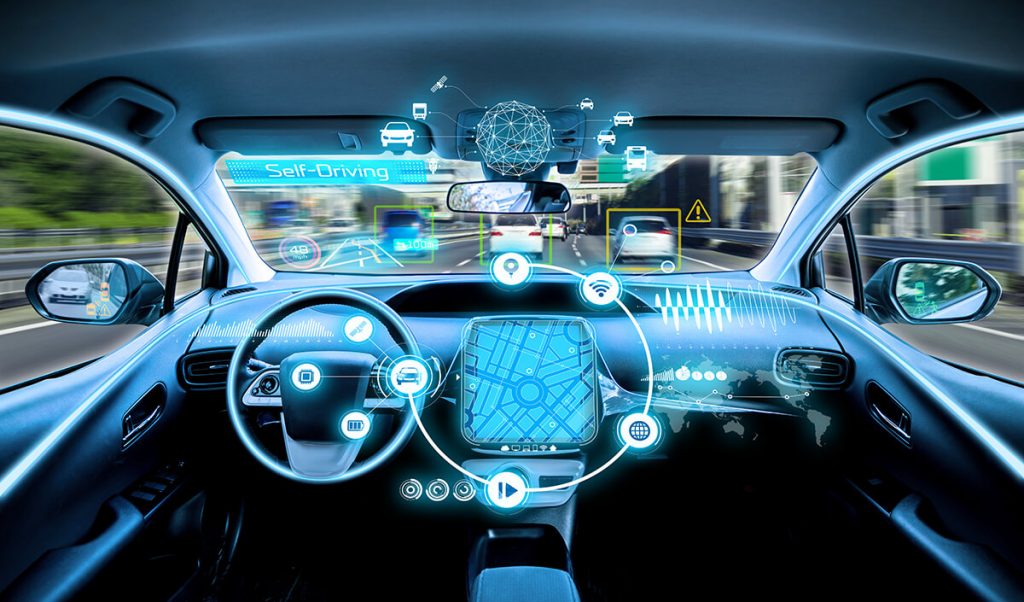
Once engaged, it removes those micro accelerations, holding the car at a steady speed with almost obsessive precision. The result is smoother fuel usage, less wasted energy, and an engine that is no longer being asked to constantly adjust to erratic inputs. It simply settles into a rhythm. And engines, as it turns out, quite like rhythm.
When a car is travelling at a constant speed, the engine operates within a stable RPM range. This is often referred to, rather poetically, as the sweet spot. It is the point at which combustion is most efficient, where fuel is burned cleanly and power is delivered without unnecessary strain. Cruise control keeps the engine in this zone far more effectively than a human driver can, particularly over long distances.
The benefits do not stop at fuel efficiency either. Smooth, consistent driving reduces wear on various components. Brakes are used less frequently because there are fewer unnecessary speed changes. Tyres experience less stress from sudden acceleration or deceleration. Even the drivetrain benefits from the absence of constant fluctuations in load. Over time, this translates into lower maintenance costs and a car that simply feels less tired.
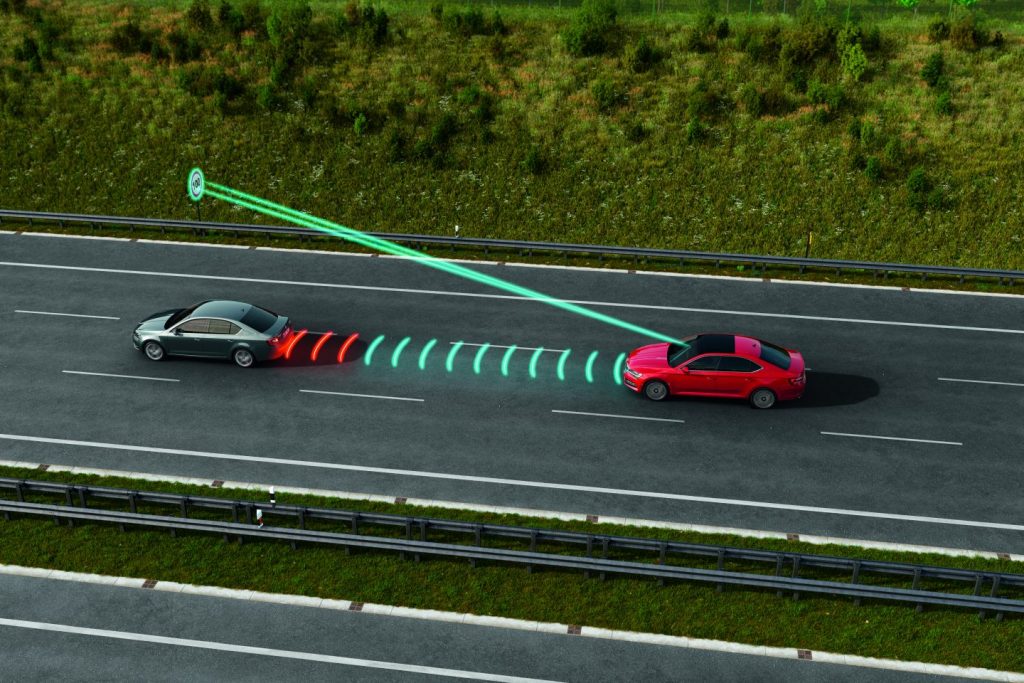
Of course, the real advantage becomes apparent on long journeys. Highways, with their steady flow and minimal interruptions, are where cruise control truly shines. Maintaining a consistent speed over extended distances allows all of these small efficiencies to compound, turning what might seem like marginal gains into something far more meaningful. It is not the sort of saving that announces itself immediately, but give it time and it becomes impossible to ignore. That said, it is not a miracle solution for every situation.
Also Read: HOF Capital Consortium Joins Bugatti Rimac As Porsche Sells Stake
Cruise control, for all its cleverness, has its limits. In heavy traffic, where speeds fluctuate constantly, it becomes more of a hindrance than a help. On hilly terrain, it can struggle to maintain efficiency, often resulting in unnecessary gear changes and increased fuel consumption. And in wet or slippery conditions, relying on a system that maintains speed without accounting for reduced traction is, quite frankly, not the best idea. In these scenarios, human judgement remains superior.
But on an open road, with clear visibility and steady conditions, cruise control comes into its own. It transforms driving from a series of small, inefficient decisions into a controlled, consistent process. It removes the noise, the variability, the unnecessary inputs, and replaces them with something far more precise. The reality is that the savings are not dramatic in the short term. There is no instant revelation, no sudden drop in fuel consumption that leaves one astonished. Instead, the benefits accumulate quietly, almost invisibly, over time. A little less fuel used here, a little less wear there, until eventually, the difference becomes undeniable.
And that brings us to the simple truth. Efficiency does not come from speed. It comes from consistency. Cruise control embodies this principle perfectly. It is not about going faster or slower. It is about maintaining a steady, controlled pace that allows the engine, and indeed the entire car, to operate at its best. It is, in essence, a lesson in restraint, delivered through a piece of technology that most people still think is just there for comfort.
Use it wisely, on the right roads, in the right conditions, and it becomes something far more interesting than a convenience feature. It becomes a quietly effective way to save fuel, reduce wear, and drive with a level of precision that is, quite frankly, beyond most human capabilities. Which is rather impressive for something that, at first glance, seems designed simply to give your right foot a break.