

There was a time when sustainability in technology felt like an afterthought, something politely mentioned at the end of a product launch before everyone returned to talking about processors and pixels. Apple, however, seems to have taken that script, torn it into neat little pieces, and recycled it into something far more serious.
In 2025, the company reached a rather striking milestone. Thirty percent of all materials used across its products came from recycled sources. Not ten, not fifteen, but thirty. That is not a marginal improvement, that is a structural shift in how products are conceived. It suggests that the idea of mining endlessly for fresh resources is slowly being replaced by something far more circular, and far more intelligent.
Look closer and the numbers become even more interesting. Every battery designed by Apple now uses one hundred percent recycled cobalt. Magnets across its devices rely entirely on recycled rare earth elements. Even the printed circuit boards, those intricate nervous systems of modern electronics, now feature recycled gold plating and tin soldering. These are not cosmetic changes. These are deep, technical decisions that reshape the very foundation of manufacturing.
And then there is packaging, which for years has been the silent villain of consumer goods. Plastic trays, wraps, films, and layers that serve a purpose for a few minutes before living on for centuries. Apple has now eliminated plastic from its packaging entirely, replacing it with fibre based alternatives that can be recycled at home. Over five years, this shift alone has prevented more than 15,000 metric tons of plastic waste. That is the equivalent of half a billion plastic bottles simply never existing in the first place.
Also Read: Apple Leadership Shake-Up: Tim Cook as Executive Chairman, John Ternus as CEO
What makes this particularly compelling is that it has not come at the cost of practicality. Packaging has been redesigned to collapse more efficiently, to fit into standard recycling systems, and to maintain the premium experience Apple is known for. It is sustainability without compromise, which is a far more difficult trick than it sounds.
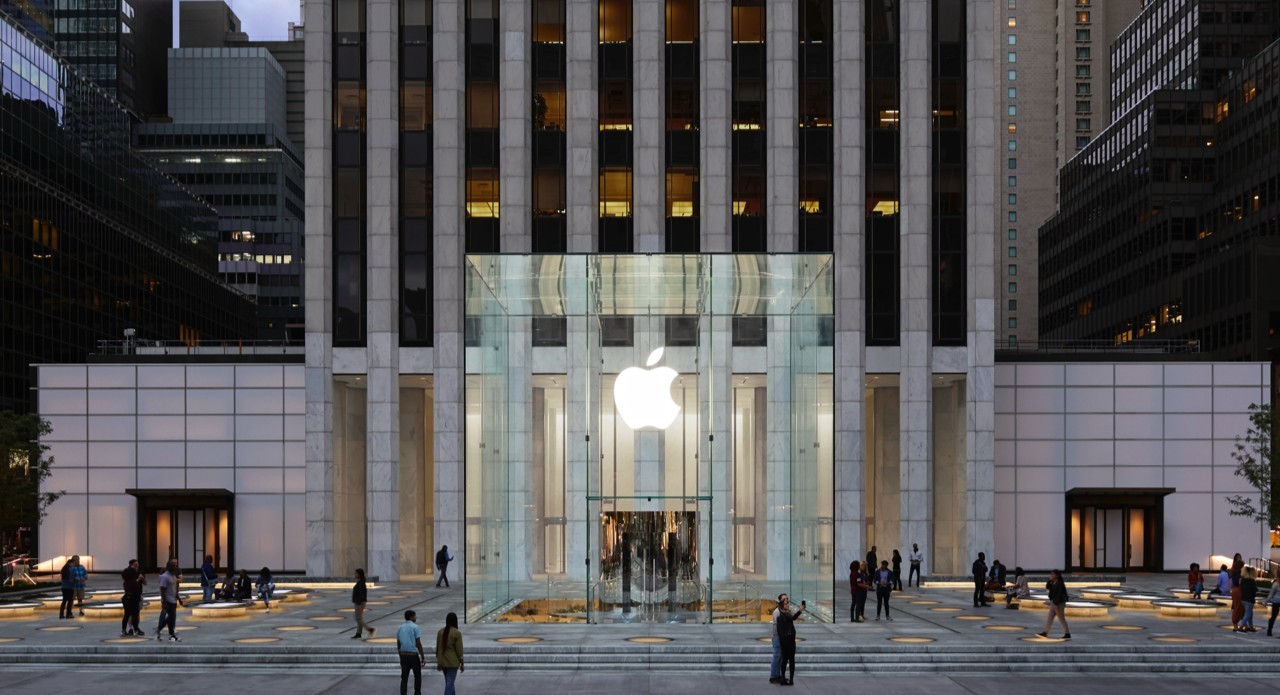
Of course, materials and packaging are only part of the story. Energy, that invisible force powering everything from manufacturing plants to data centres, is where the real battle for carbon neutrality is fought. Apple’s suppliers procured over 20 gigawatts of renewable energy in the past year, generating enough electricity to power millions of homes. At the same time, Apple itself continues to operate on one hundred percent renewable electricity across its offices, retail spaces, and data centres.
This is all part of a larger ambition known as Apple 2030, a plan to make the entire business carbon neutral by the end of the decade. And unlike many corporate promises, this one appears to be backed by measurable progress. Emissions are down more than sixty percent compared to 2015 levels, even as the company continues to grow. That is not easy. Growth typically means more factories, more logistics, more energy consumption. Apple has managed to expand while holding emissions steady, which is a rare and notable achievement.

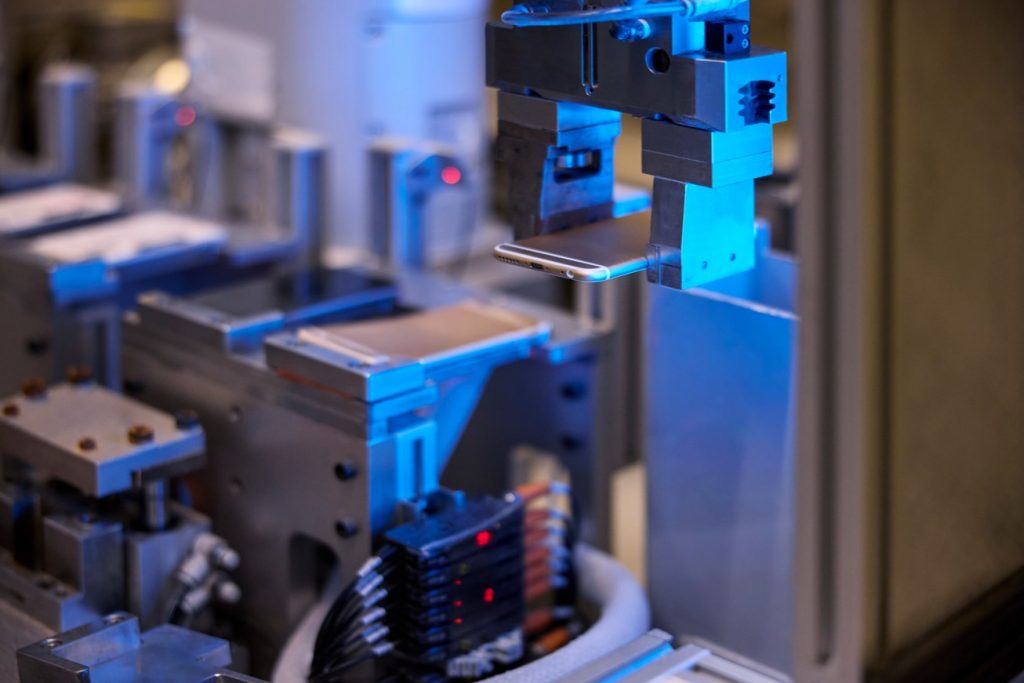
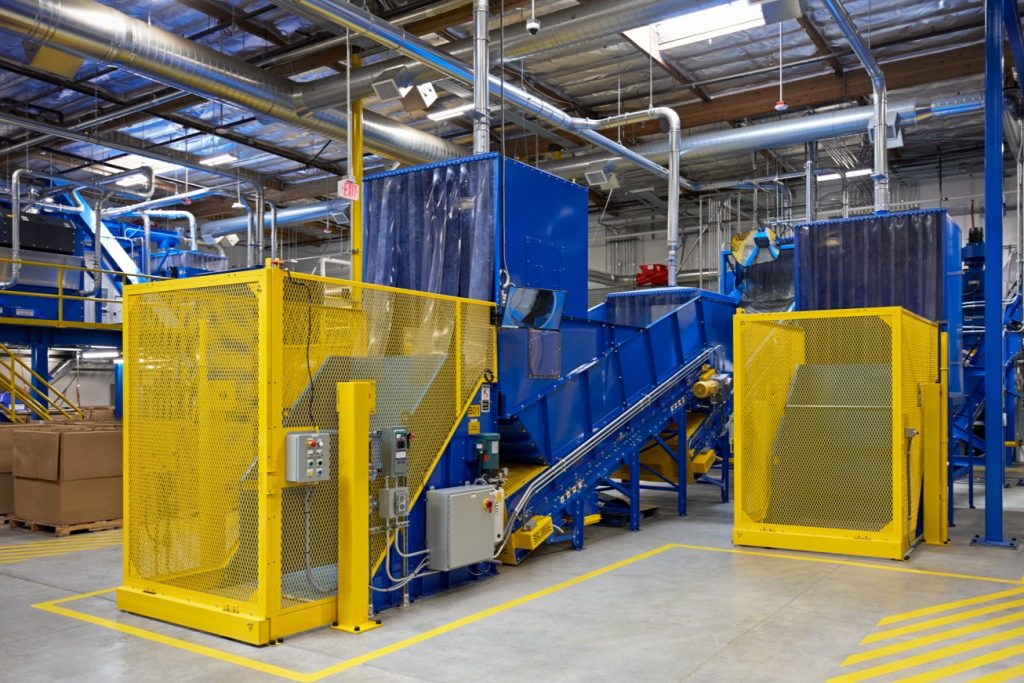
Then there is the question of what happens when a product reaches the end of its life. This is where things usually fall apart, quite literally. Devices are discarded, materials are lost, and the cycle begins again. Apple is attempting to close that loop with new recycling technologies like Cora, a system designed to recover materials from electronic waste with far greater efficiency than traditional methods.
Also Read: Apple iOS 26.4 New Features: What’s Changed In This Update
Alongside it sits A.R.I.S., a machine learning powered detection system that helps sort and classify electronic scrap with remarkable precision. It runs on something as unassuming as a Mac mini, yet it represents a significant leap in how recycling can be scaled and standardised across the industry. These are not just internal tools. They are being tested with partners, hinting at a future where such systems could become widespread.
All of this paints a picture of a company that is not merely reacting to environmental concerns but actively redesigning its ecosystem around them. It is a complex, expensive, and often inconvenient process. Yet it is also necessary. Because the simple truth is this. Sustainability is no longer a feature. It is not an optional extra tucked neatly into a specification sheet. It is the foundation upon which the next generation of technology will be built. And Apple, for all its scale and influence, seems determined to prove that progress, when done properly, can be both ambitious and real.