

There was a time when wired earphones were treated like an embarrassing ex. The moment sleek wireless earbuds arrived, everyone declared cables dead. Headphone jacks vanished, tiny white stems became status symbols, and tangled wires were dismissed as relics of a less sophisticated age. And yet, in 2026, something rather amusing is happening. Wired earphones are back; not in a desperate clearance-sale sort of way, but as a genuine cultural return. Celebrities are wearing them, luxury consumers are styling them, and suddenly that unmistakable white cable hanging from a pocket feels less outdated and more like a deliberate statement, rather like wearing a mechanical watch in a room full of smartwatches.
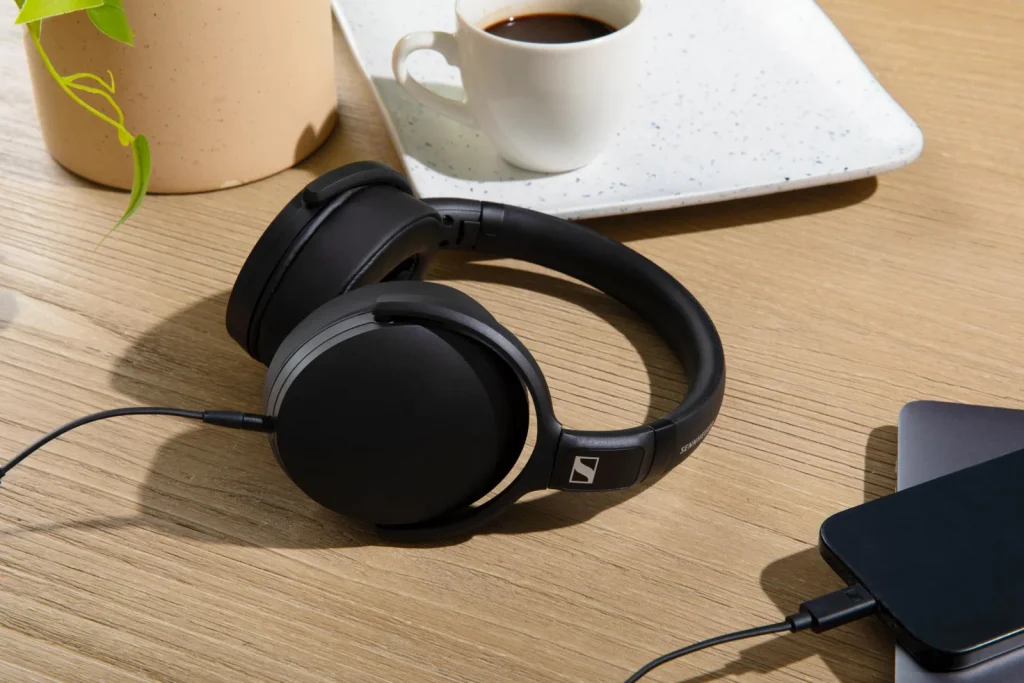
The reason is wonderfully simple: wired earphones actually work. You plug them in, and sound happens. No Bluetooth pairing drama. No charging case dying before a flight. No software updates ambushing your morning commute. No standing in your kitchen negotiating with the left earbud because it has suddenly decided retirement sounds appealing. Wireless earbuds are brilliant until they are not, and when they fail, they fail spectacularly. Wired earphones, by contrast, are gloriously boring—reliable, predictable, and functional. Like an old sports car with a manual gearbox, they may not be the trendiest option, but they remind you that good engineering never really goes out of fashion.
Also Read: XPeng AeroHT Targets 2027 for Flying Car Launch: What It Means for Urban Transport
Sound quality also plays a major role in this comeback. Audiophiles have been repeating this for years while the rest of the world ignored them and bought noise-cancelling fashion accessories: wired still sounds better. There is less compression, lower latency, and far greater consistency. For people who actually care about music rather than simply using it as background noise for emails, cables still win. Gamers know it, editors know it, and musicians definitely know it. If precision matters, wired remains king, because physics, unlike marketing departments, does not care about trends.

Then there is cost, and this is where things get beautifully absurd. Premium wireless earbuds now cost enough to make you reconsider your financial decisions. You spend a small fortune, only to watch battery health decline like a tragic stock market graph. Eventually one side dies, the charging case joins it in retirement, and your luxury gadget becomes an expensive paperweight. Wired earphones are refreshingly honest. They are cheaper, often last longer, and replacing them does not feel like filing an insurance claim. In a world where everything demands another charger, another update, and another subscription, there is something deeply satisfying about a product that simply does its job without emotional manipulation.
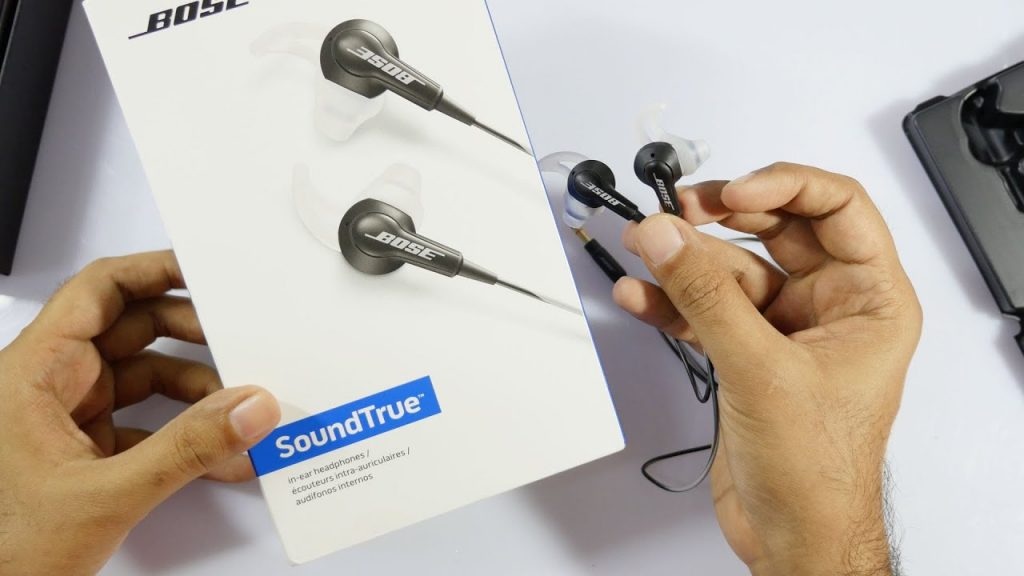
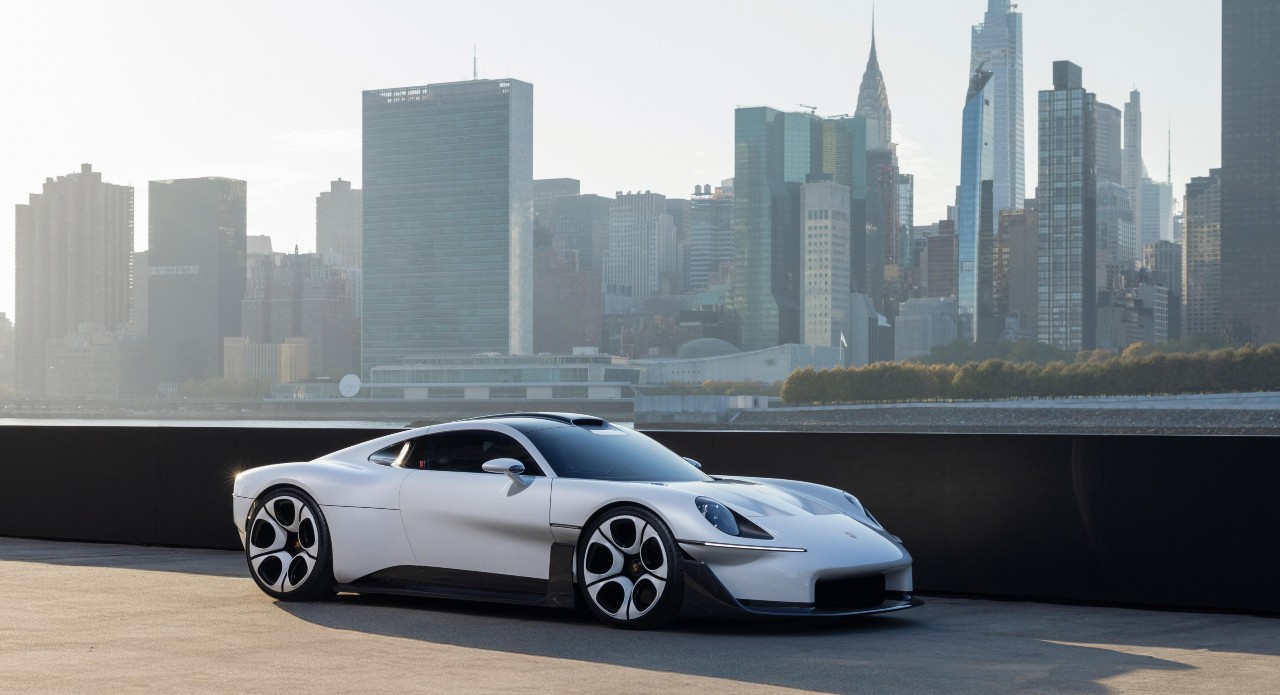
And yes, there is fashion. That visible white cable has become a kind of anti-luxury flex. It signals Y2K nostalgia, digital minimalism, and a refusal to participate in the endless upgrade cycle. Like film cameras, vinyl records, and analog watches, wired earphones now represent intention rather than convenience. Ironically, they feel more premium because they are less convenient. Luxury has always loved inconvenience. A mechanical watch is less practical than quartz. A supercar is less sensible than an SUV. Yet people still choose them because emotion matters more than efficiency.
Wired earphones belong to that same philosophy. They force you to pause, plug in, and listen properly. Not scroll, not swipe, not let an algorithm choose your mood. Just music. It feels deliberate, almost rebellious. Of course, wireless earbuds are not disappearing—they remain brilliant for workouts, flights, and modern life’s general chaos. But the return of wired audio proves something important: convenience is not always the final answer. So yes, wired earphones are making a comeback in 2026. Not because we are moving backwards, but because people are rediscovering the quiet luxury of things that simply work.