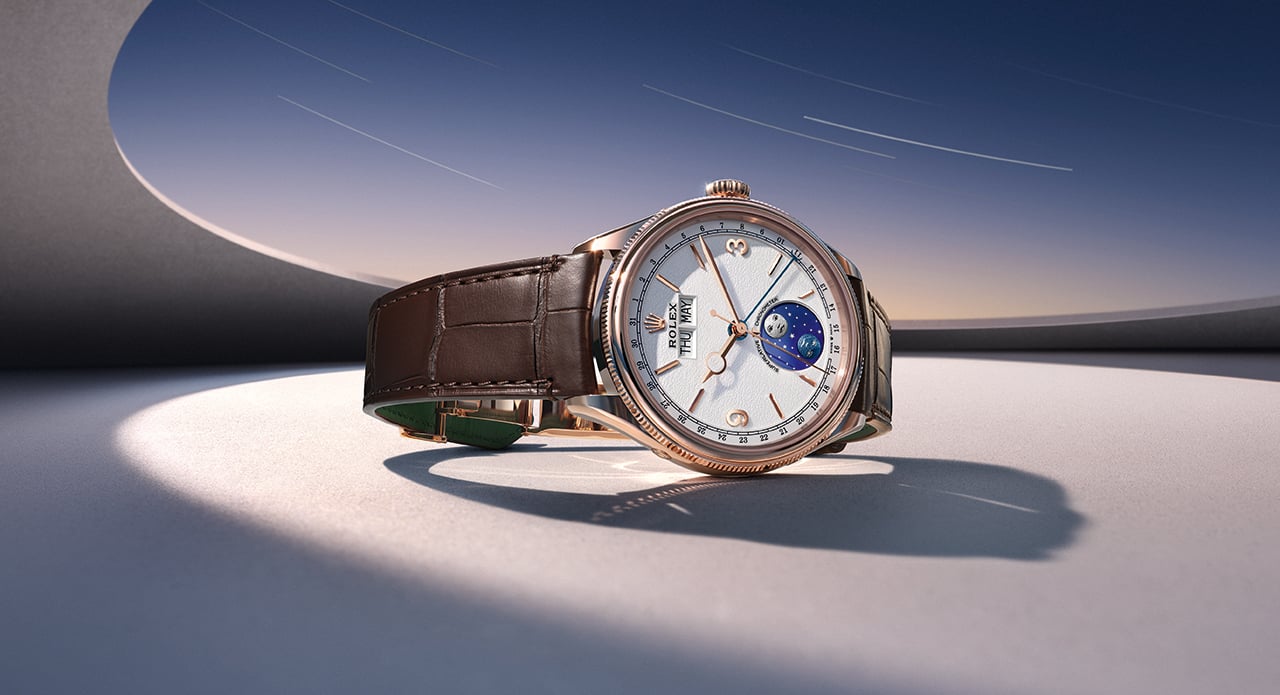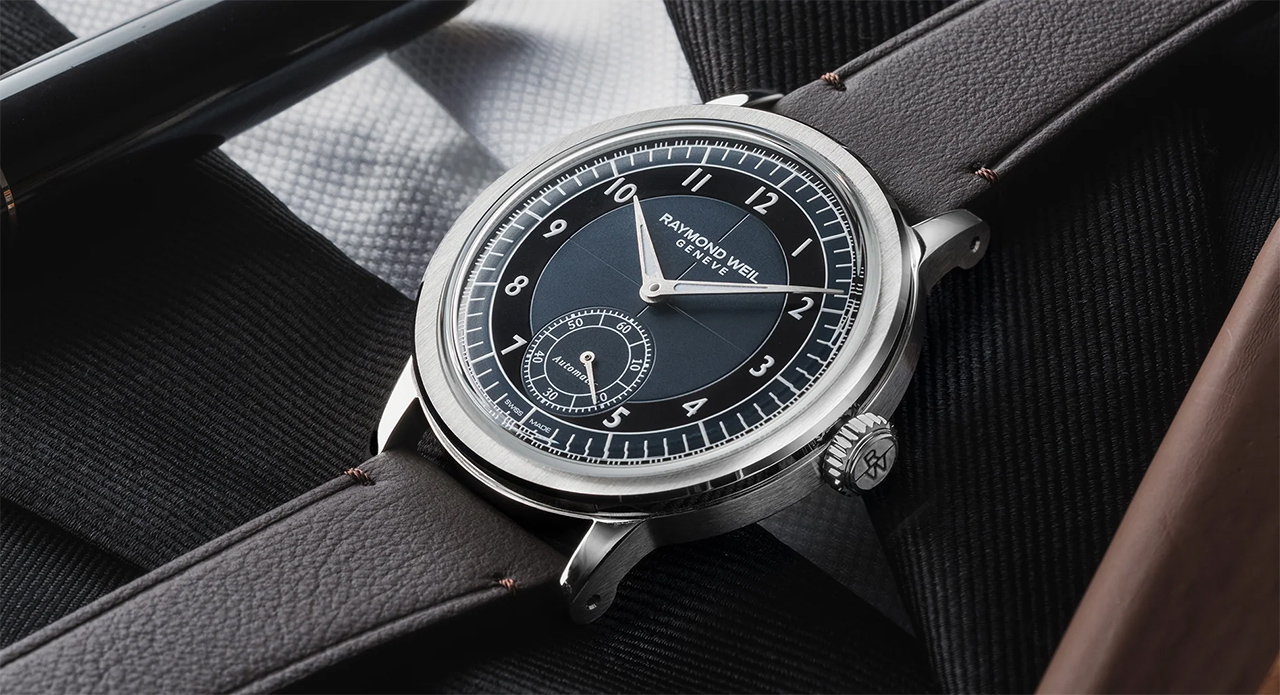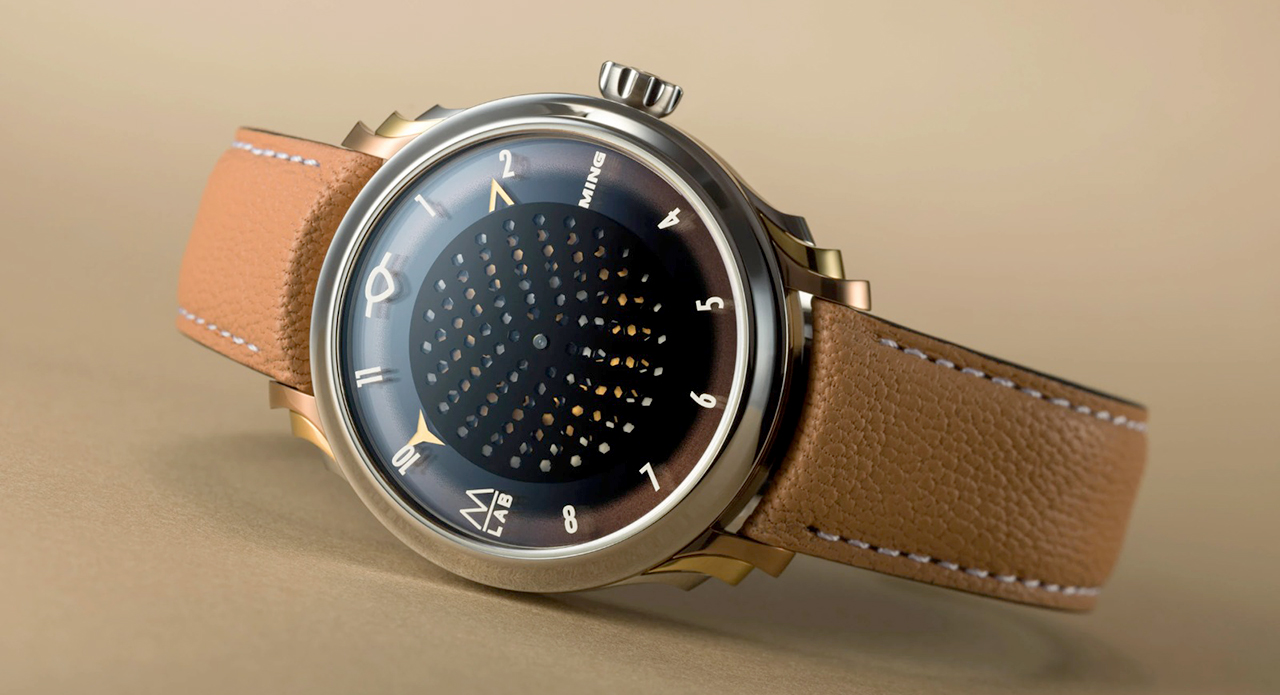


A watch may appear simple from the outside, but beneath the dial lies a world of engineering decisions that determine how a timepiece feels, functions and performs. One of the greatest challenges in watchmaking is not just creating a movement, but ensuring that the movement and the case exist in perfect balance. A watch case is not merely a protective shell. Its diameter, thickness and proportions are carefully calculated around the mechanical heart inside. Whether it is a slim dress watch designed to disappear beneath a cuff or a powerful sports watch built for durability, every millimetre matters.
The relationship between movement and case is a delicate conversation between engineering and design. A movement that is too small can leave empty space inside the case, while one that is too large can affect reliability, finishing and comfort. Behind every perfectly proportioned watch is a careful process of matching mechanical architecture with physical form.
In traditional watchmaking, the movement is often considered the soul of the watch. A mechanical calibre contains hundreds of tiny components, including gears, springs, bridges and regulating systems that work together to measure time. Before a case can be created, watchmakers must understand the size, shape and requirements of the movement.

Some movements are designed specifically for a particular watch model, while others are created as versatile calibres that can be adapted across different collections. The goal is always the same: creating a movement that performs perfectly while fitting naturally within the intended case. The diameter of a watch movement must correspond with the diameter of the case. A smaller movement inside a large case can create challenges. It may require additional structural elements or a spacer ring to secure it properly. While this does not affect functionality, watchmakers must ensure that the visual balance remains correct.
A larger movement inside a smaller case presents an even greater challenge. The movement may need to be redesigned, components repositioned or the architecture adjusted to fit comfortably without affecting performance. This is why two watches with similar functions can have completely different internal designs.

Creating an ultra thin watch is one of the most difficult tasks in horology. A slimmer case requires a thinner movement, but reducing thickness cannot come at the expense of reliability. Watchmakers must carefully reduce the size of components while maintaining strength and accuracy. Wheels, bridges and barrels need to be redesigned to save space while still operating smoothly.
The finest thin watches are often among the most technically demanding because they require extreme precision in every component. The smaller the movement becomes, the less room there is for error.
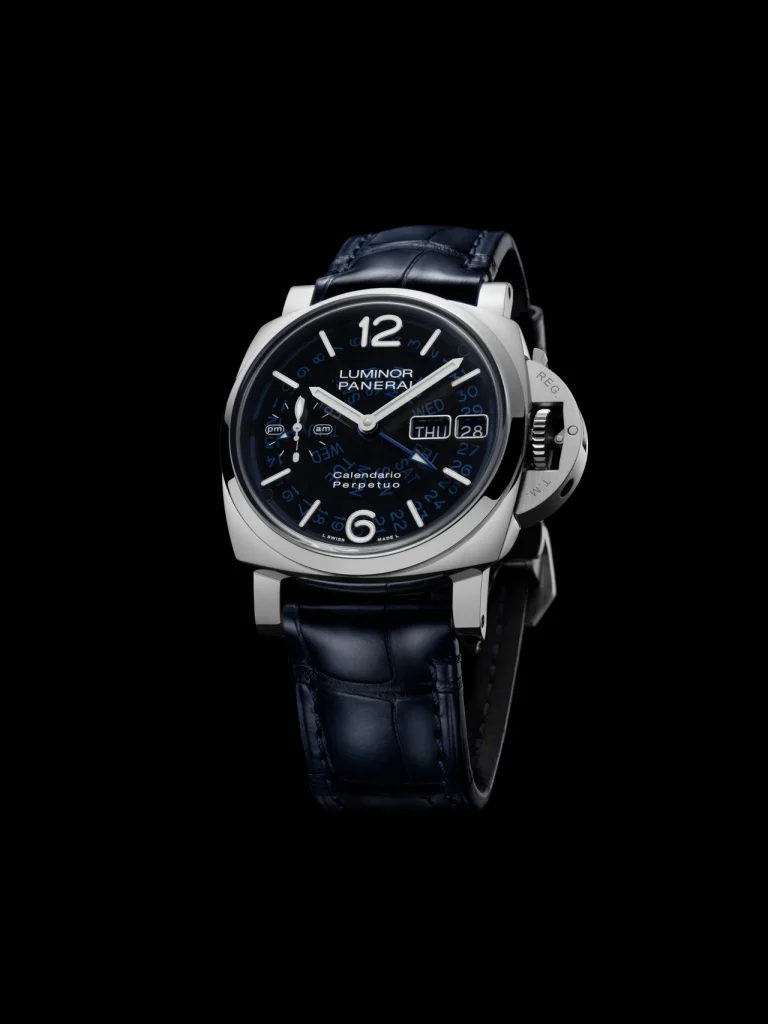
Oversized watches often feature larger cases because they require additional features and durability. Water resistance systems, shock protection, reinforced cases and additional complications all require space. A larger case allows watchmakers to incorporate bigger movements with stronger components and longer power reserves.
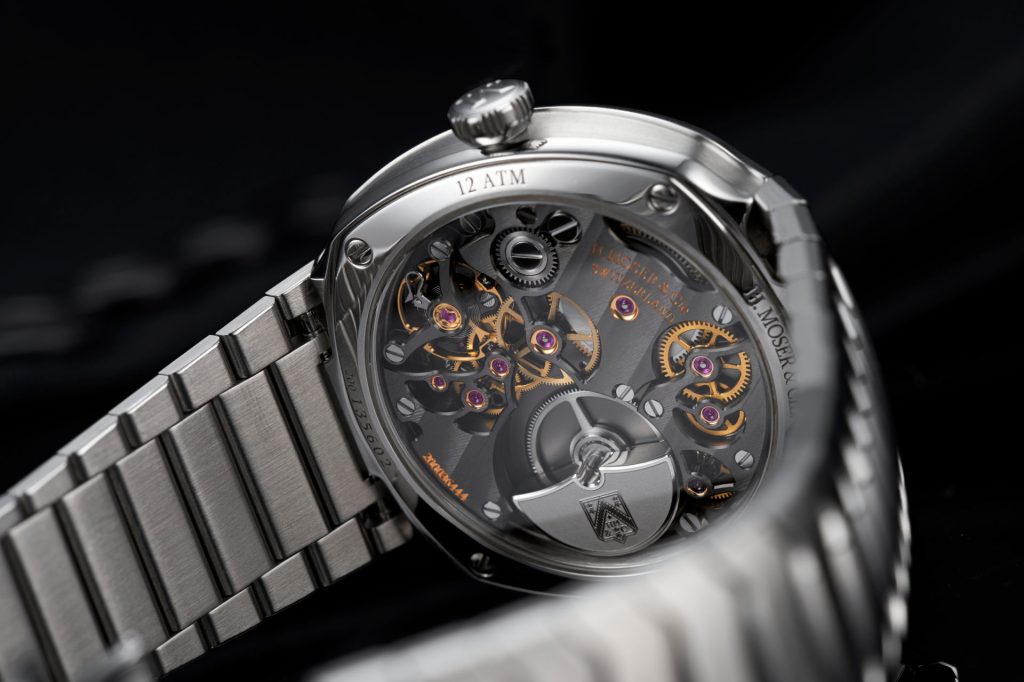
However, size alone does not guarantee quality. A well designed large watch must still maintain balance, ensuring that the movement does not feel lost inside the case and that the watch remains comfortable on the wrist. Automatic movements bring another layer of complexity because of the rotor system. The rotor, which winds the watch using wrist movement, requires space to rotate freely.
Also Read: What Is a Micro Rotor? Inside the Mechanics of Luxury Watches
Watchmakers must consider its size, weight and position when designing the case. In larger watches, a bigger rotor can provide more efficient winding. In smaller watches, engineers often need to create thinner or more compact rotor designs to preserve functionality. Every decision affects the final performance. A simple three hand watch requires far less space than a complicated mechanical masterpiece. Adding features such as chronographs, perpetual calendars, minute repeaters or tourbillons dramatically changes movement architecture. Each complication introduces additional components and requires more room inside the case. This is why complicated watches often have larger cases. The extra space allows watchmakers to create intricate mechanisms while ensuring durability and reliability. The case becomes a home for mechanical creativity.