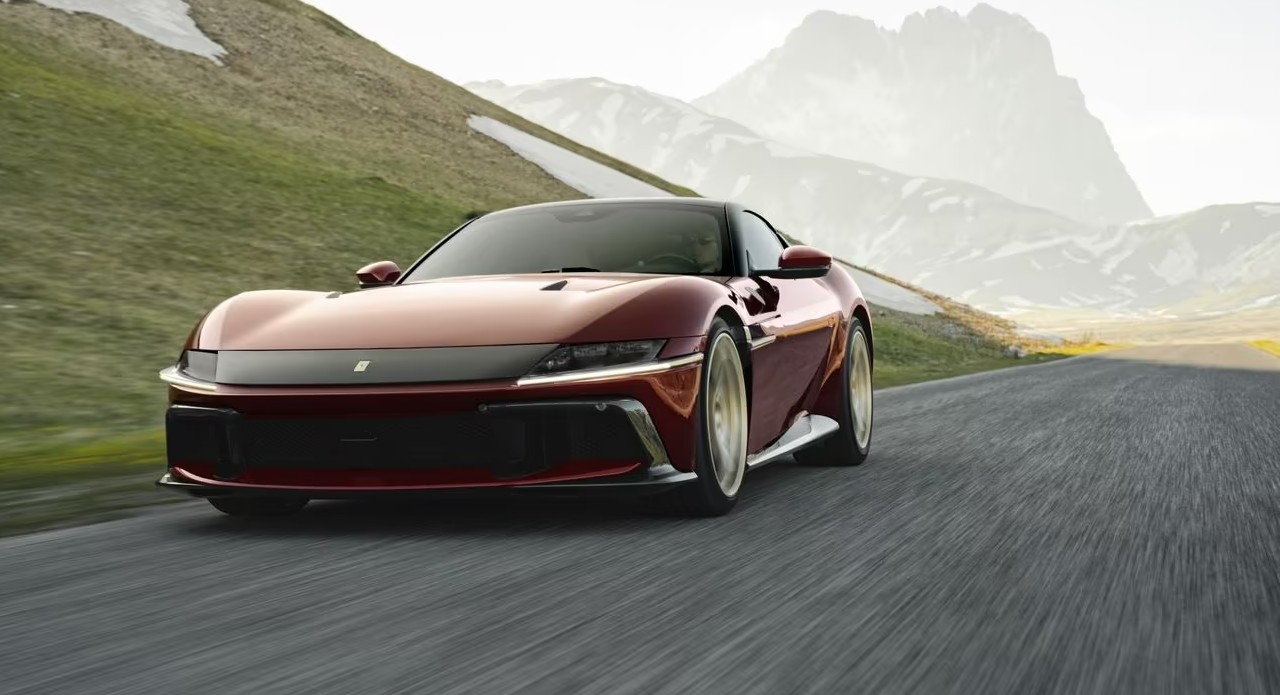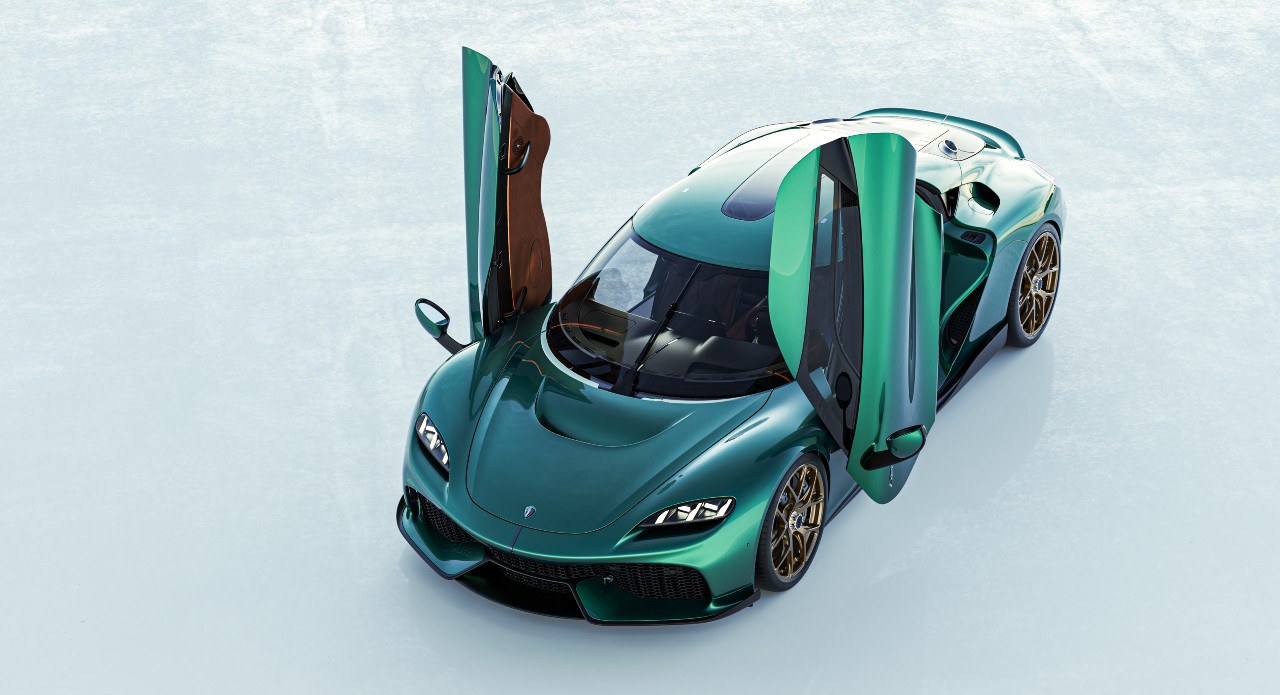


There are sensible engines. They sip fuel politely, hum along without complaint and spend decades carrying children to school and groceries home. Then there are the engines on this list. These are mechanical acts of madness built by engineers who were clearly asked to “push the boundaries” and instead interpreted it as “ignore every boundary that has ever existed.” Some rev beyond 11,000 rpm. Some borrow technology straight from Formula 1. One has sixteen cylinders, another sounds like a symphony orchestra trapped inside a volcano, and another produces enough power to embarrass racing cars while still wearing number plates. They aren’t simply engines. They’re declarations of engineering arrogance wrapped in aluminium, titanium and carbon fibre. Here are five of the greatest mechanical masterpieces ever installed beneath the bonnet of a production car.
Bugatti Tourbillon

Just when the automotive world assumed downsized turbocharged V8s were the inevitable future, Bugatti did something gloriously irrational. It unveiled the Tourbillon with a naturally aspirated 8.3 litre V16, developed alongside Cosworth. The engine alone produces 1,000 horsepower, spinning to 9,000 rpm without the aid of turbochargers. Three electric motors contribute another 800 horsepower, bringing total output to an astonishing 1,800 horsepower. The absence of turbochargers delivers razor-sharp throttle response and a soundtrack that feels less like an engine and more like aviation history brought back to life. It is mechanical theatre on an almost unimaginable scale.
Also Read: Spoilers Vs Wings: What’s the Difference And How They Work
Aston Martin Valkyrie
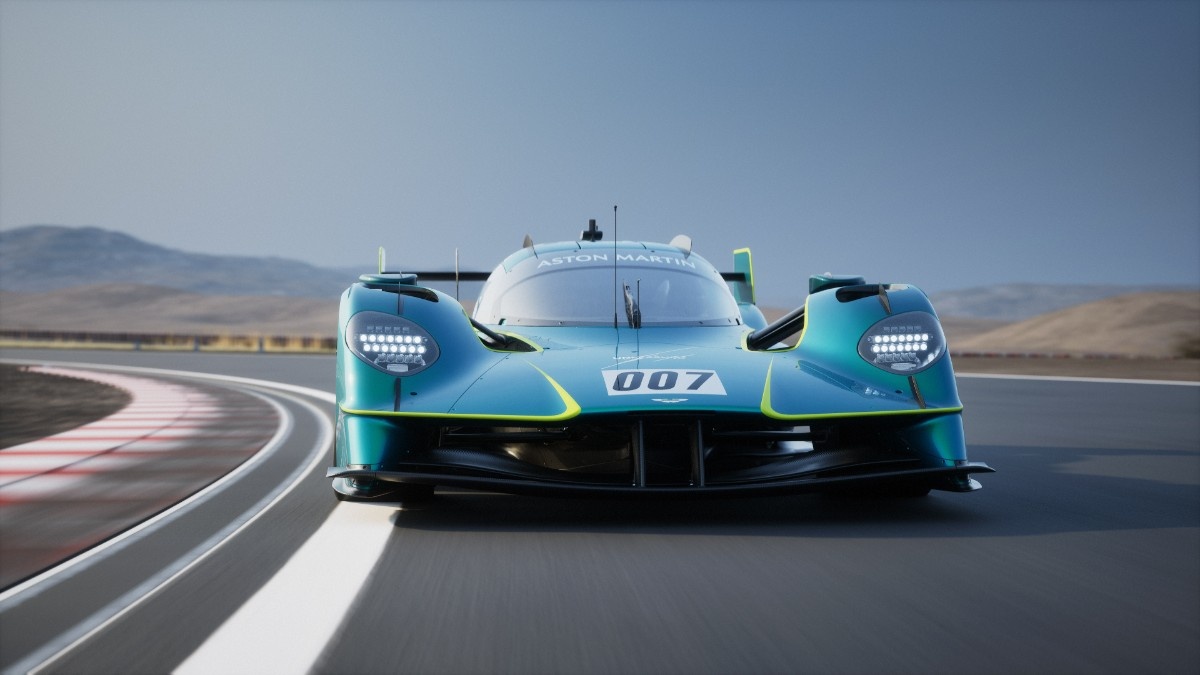
If Adrian Newey designed your road car, you already know normality has left the building. At the heart of the Aston Martin Valkyrie sits a naturally aspirated 6.5 litre Cosworth V12, widely regarded as one of the finest internal combustion engines ever created. Producing 1,000 horsepower on its own while revving to an extraordinary 11,100 rpm, it is assisted by a hybrid system that raises combined output to 1,160 horsepower. Every component was engineered with obsessive attention to weight, allowing the V12 to become one of the lightest and highest-revving production engines ever built. It doesn’t merely scream. It detonates the atmosphere.
Koenigsegg Gemera
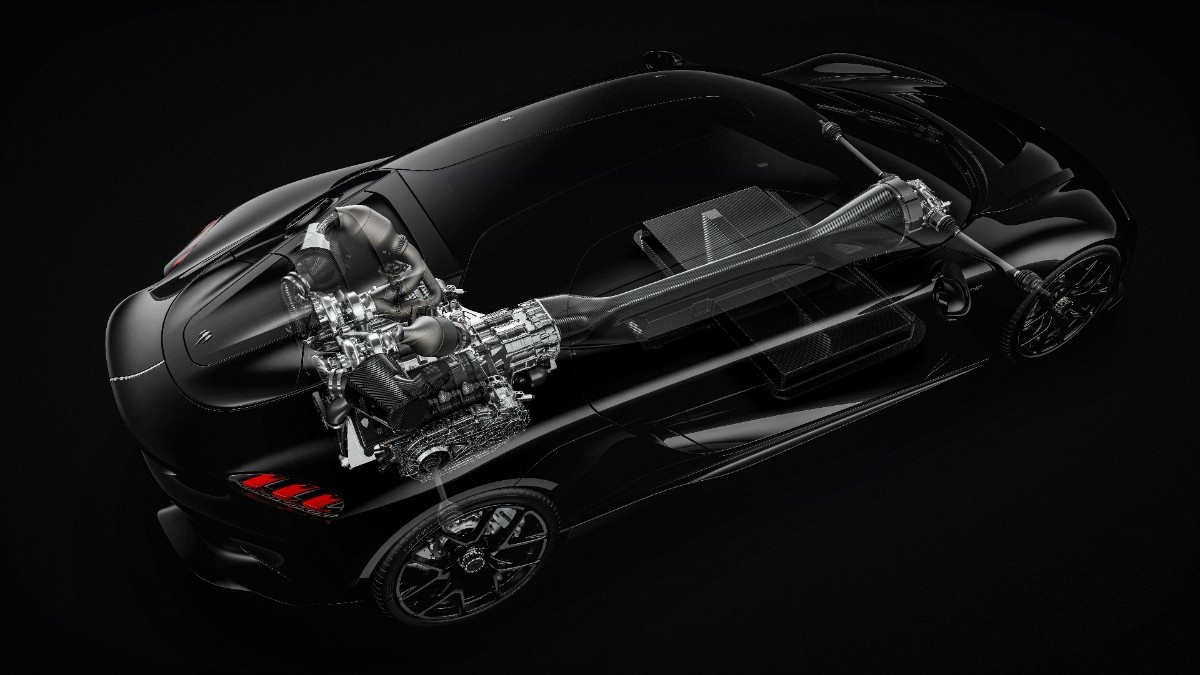
Only Christian von Koenigsegg could convince the world that three cylinders were enough to terrify Ferraris. The Gemera originally introduced the remarkable 2.0 litre twin turbo Tiny Friendly Giant, or TFG engine. Despite having only three cylinders, it produced 600 horsepower thanks to twin turbochargers, Freevalve camless technology and astonishing engineering efficiency. Later versions also gained Koenigsegg’s twin turbo V8, but the original TFG remains one of the most technically fascinating engines ever conceived. It proved that cylinder count alone means absolutely nothing when genius is involved.
Also Read: How Carbon Fibre Became The Material That Changed Supercars
Mercedes AMG One
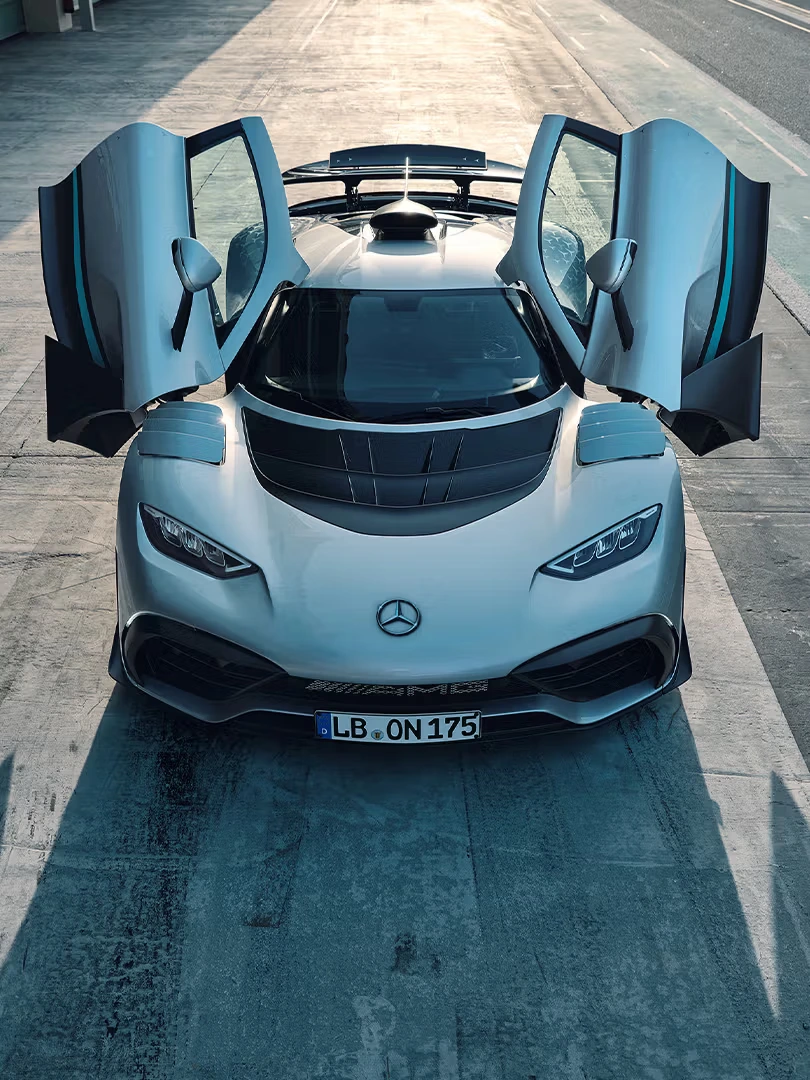
For decades manufacturers promised Formula One technology for the road. Mercedes actually delivered it. The AMG One uses a genuine 1.6 litre turbocharged V6 derived directly from Lewis Hamilton’s championship-winning Formula One car, paired with four electric motors. Combined output exceeds 1,060 horsepower, while the engine revs to an astonishing 11,000 rpm. Making an F1 engine idle in traffic, survive speed bumps and comply with emissions regulations was arguably harder than winning a Grand Prix. Which is exactly why nobody else has managed it.
Lexus LFA

Power figures alone never tell the whole story. The Lexus LFA’s 4.8 litre naturally aspirated V10 produced a relatively modest 552 horsepower, but what made it legendary was the way it delivered every single one of them. Developed with Yamaha’s expertise in acoustics, the engine revved from idle to its 9,000 rpm redline so quickly that analogue gauges simply couldn’t keep up, forcing Lexus to fit a digital tachometer instead. The exhaust note remains one of the greatest sounds ever produced by a road-going automobile, a spine-tingling mechanical symphony that enthusiasts still regard as virtually unmatched.
When Engineering Ignores Common Sense
The industry may be marching steadily toward electrification, but these engines remind us why internal combustion became an obsession rather than merely a method of transport. They were never built because they made financial sense. They were built because a handful of brilliant, slightly unhinged engineers wanted to see just how far pistons, valves, crankshafts and combustion could be pushed. Whether it’s Bugatti’s outrageous V16, Aston Martin’s screaming V12, Koenigsegg’s impossible three-cylinder, Mercedes’ Formula One masterpiece or Lexus’ unforgettable V10, each represents a moment when engineering stopped being practical and became art. And that’s precisely why we’ll still be talking about them decades from now.