

When people talk about mechanical timepieces, they tend to bang on endlessly about the dial, the finishing, the movement architecture, and all the bits you can actually see. They wax lyrical about polish, bevels, and screws so small you could lose them in a sneeze. But all of that, every last shimmering, meticulously crafted detail, is utterly pointless without one brutally simple thing; Power. Not metaphorical power, not design flair, but actual, physical energy. And that, my dear reader, lives inside the barrel. This unassuming little drum, tucked away from the spotlight, is doing all the heavy lifting while everything else takes the credit. It stores energy, rations it out with obsessive discipline, and ensures the entire mechanical orchestra does not descend into chaos. Because without it, your beautifully engineered timepiece would not just lose accuracy, it would stop altogether, like a supercar with no fuel, all promise and absolutely no go. It does not sparkle, it does not show off.
What Exactly Is a Barrel
Think of the barrel as a tightly wound reservoir of energy. Inside it sits the mainspring, a coiled strip of metal that stores energy when wound and releases it in a slow, controlled manner. As it unwinds, it feeds that energy through the gear train, which in turn drives the hands and any complications your timepiece might boast about at dinner parties. The clever bit, however, is not just storing energy, but releasing it consistently, because accuracy depends on it.
The Mechanics Behind the Magic

The barrel is not just a hollow drum with a spring stuffed inside. It is a carefully constructed assembly of a barrel drum, a cap, an arbor, and that all important mainspring. Wind the crown, and the mainspring coils tighter around the arbor, storing potential energy. Let it unwind, and that energy is released with measured discipline. Get this wrong, and your timepiece either runs erratically or stops altogether, neither of which is particularly desirable.
Power Reserve: How Long It Keeps Going
Now, here is where things get interesting. The size of the barrel and the nature of the mainspring determine how long your timepiece can run without intervention. A larger barrel or a more efficient spring means a longer power reserve. But, and this is crucial, you cannot simply make everything bigger and call it a day. Increase the size too much, and your watch becomes thick enough to double as a paperweight. The real trick lies in balancing size, efficiency, and consistency, which is where proper watchmaking separates itself from mere tinkering.
Design, Materials, and Craftsmanship
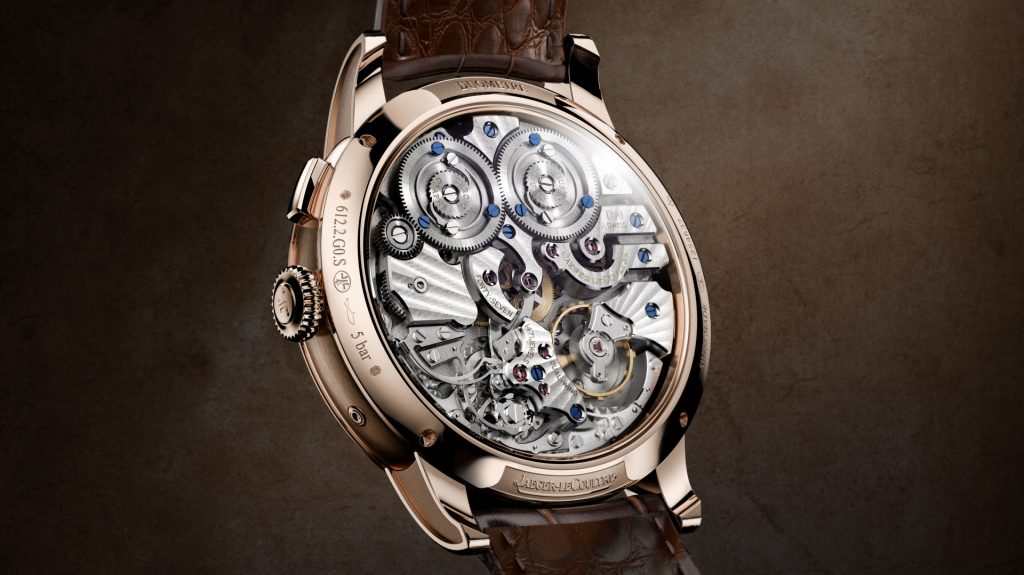
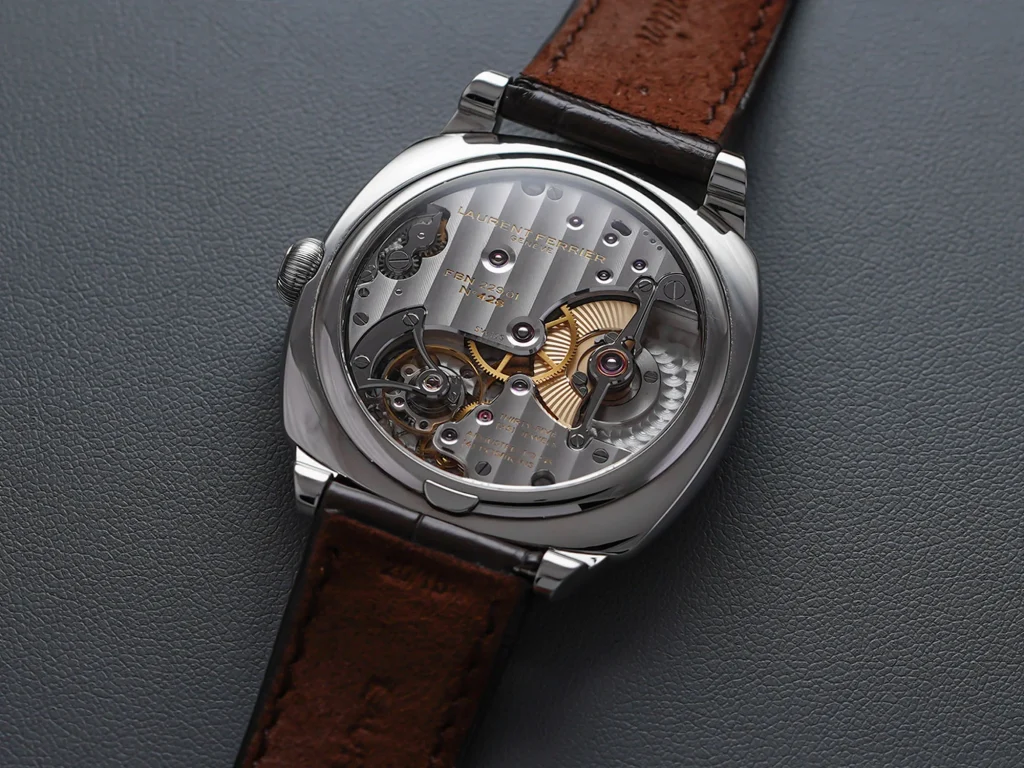
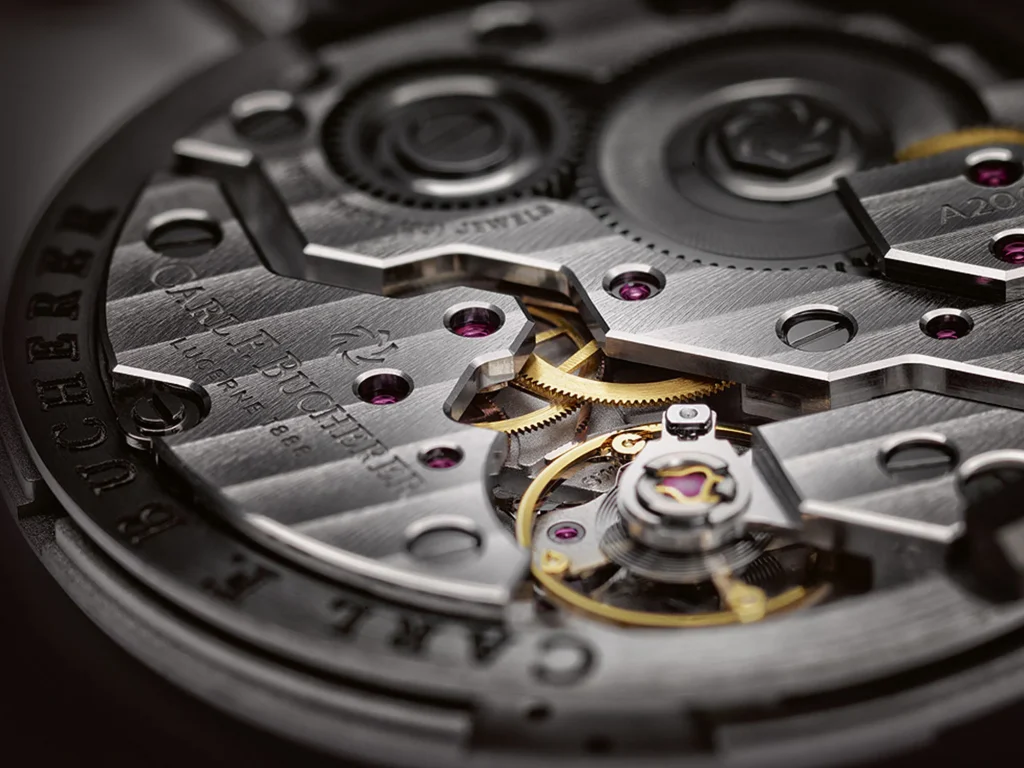
Barrels are typically made of brass, because it is strong, reliable, and does not corrode when it feels like it. The mainspring, meanwhile, is crafted from specialised alloys designed to endure constant winding and unwinding without giving up halfway through its life. And because this is haute horlogerie, even the barrel is often decorated with finishes like Geneva stripes or perlage, because apparently, even hidden components must look splendid.
Also Read: Power Reserve in Mechanical Watches: Why It’s More Important Than You Think
Manual vs Automatic: Same Job, Different Approach
In a manual wind timepiece, you are directly responsible for winding the mainspring, which means you get that oddly satisfying tactile connection with the mechanism. In an automatic, the rotor does the work for you, spinning with the motion of your wrist and keeping the barrel topped up with energy. Either way, the barrel’s job remains unchanged. Store energy, release it steadily, and keep everything running like clockwork, quite literally.
Maintenance: Because Nothing Lasts Forever
Of course, even something this well engineered requires care. Over time, lubricants dry up, springs fatigue, and performance suffers. During servicing, the barrel is dismantled, cleaned, inspected, and reassembled with fresh lubrication. Ignore this, and your timepiece will eventually remind you, usually at the most inconvenient moment possible.