Prada Makes Amends With “Made In India” Chappals After Kolhapuri Controversy
So Prada is making amends - finally, right? Publicly, graciously, and with considerable fanfare
So Prada got caught. And now, in the grand tradition of brands that get caught, they are being very publicly sorry about it (we are yet to hear an explicit “sorry”, mind you!).
Why Brands Only Respond After Backlash?
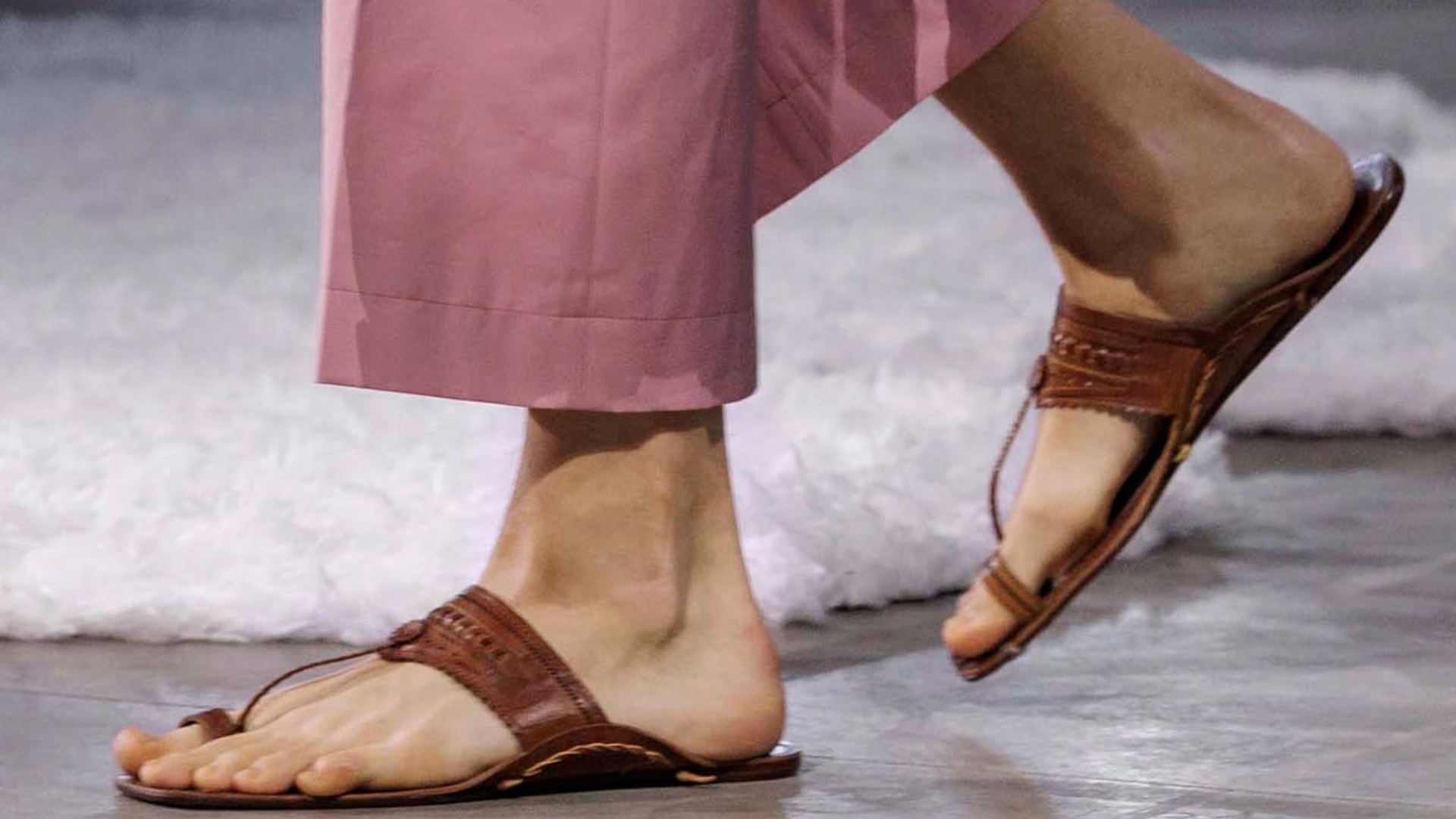
Last June, Prada sent its Spring-Summer 2026 menswear collection down a Milan runway, featuring what it called “leather footwear” – open-toe, braided T-strap sandals that looked, to pretty much anyone who has ever been to India or, frankly, owns a pair of eyes, exactly like Kolhapuri chappals. These sandals, handcrafted since the 12th century by artisans from marginalized communities, carry a design that Prada mirrored down to the braiding pattern, while omitting any acknowledgment of their Indian origins. The brand apparently forgot that the internet exists, and that people in India also have smartphones.
Prada Says Sorry To India?
The backlash was brutal and unforgiving. In India’s local markets, authentic Kolhapuri chappals typically retail for just $5 to $12. Prada’s version was reportedly priced at around $1,400 a pair. That’s close to a 10,000% markup on someone else’s centuries-old cultural legacy, which, if nothing else, you have to admit takes a certain audacity.
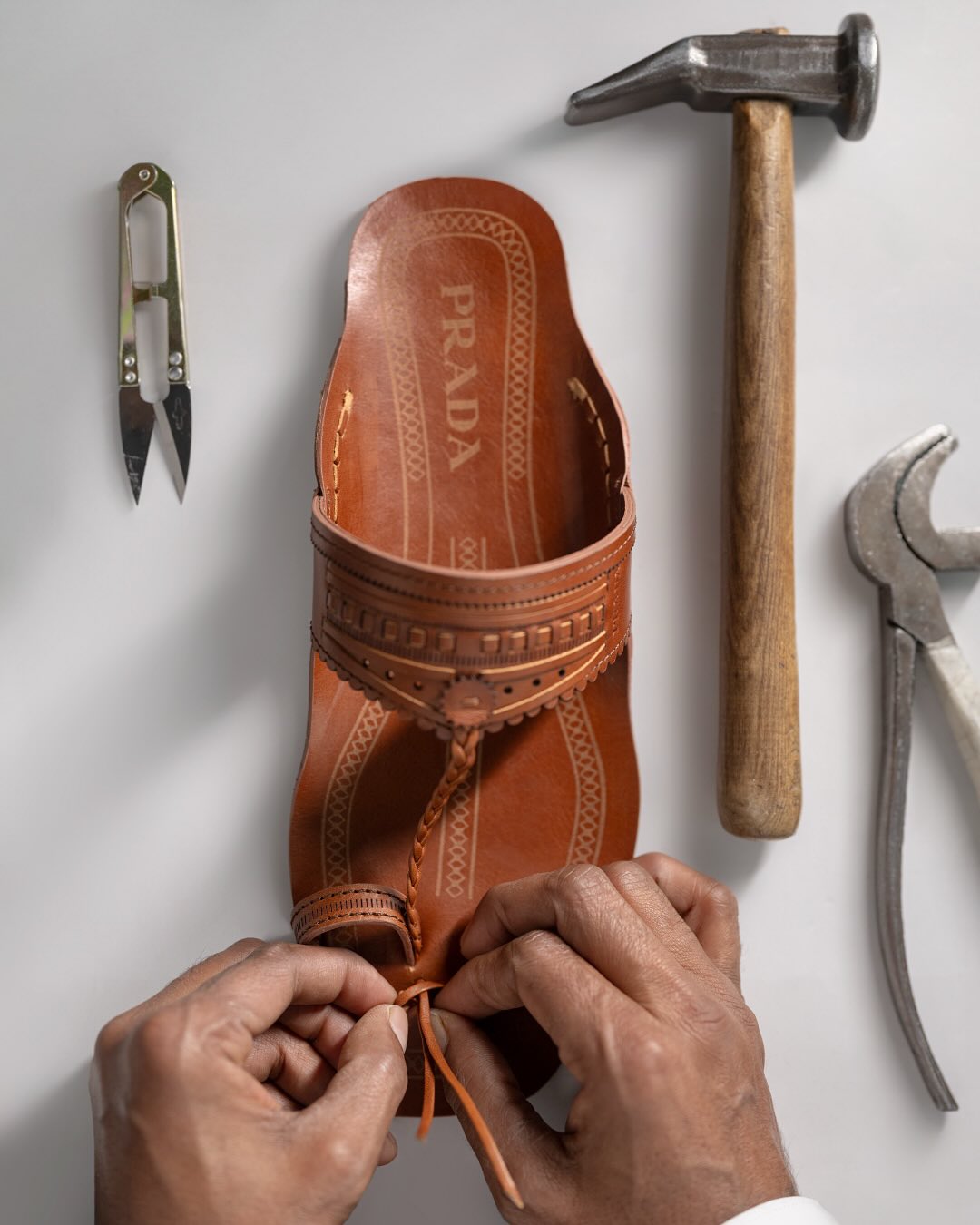
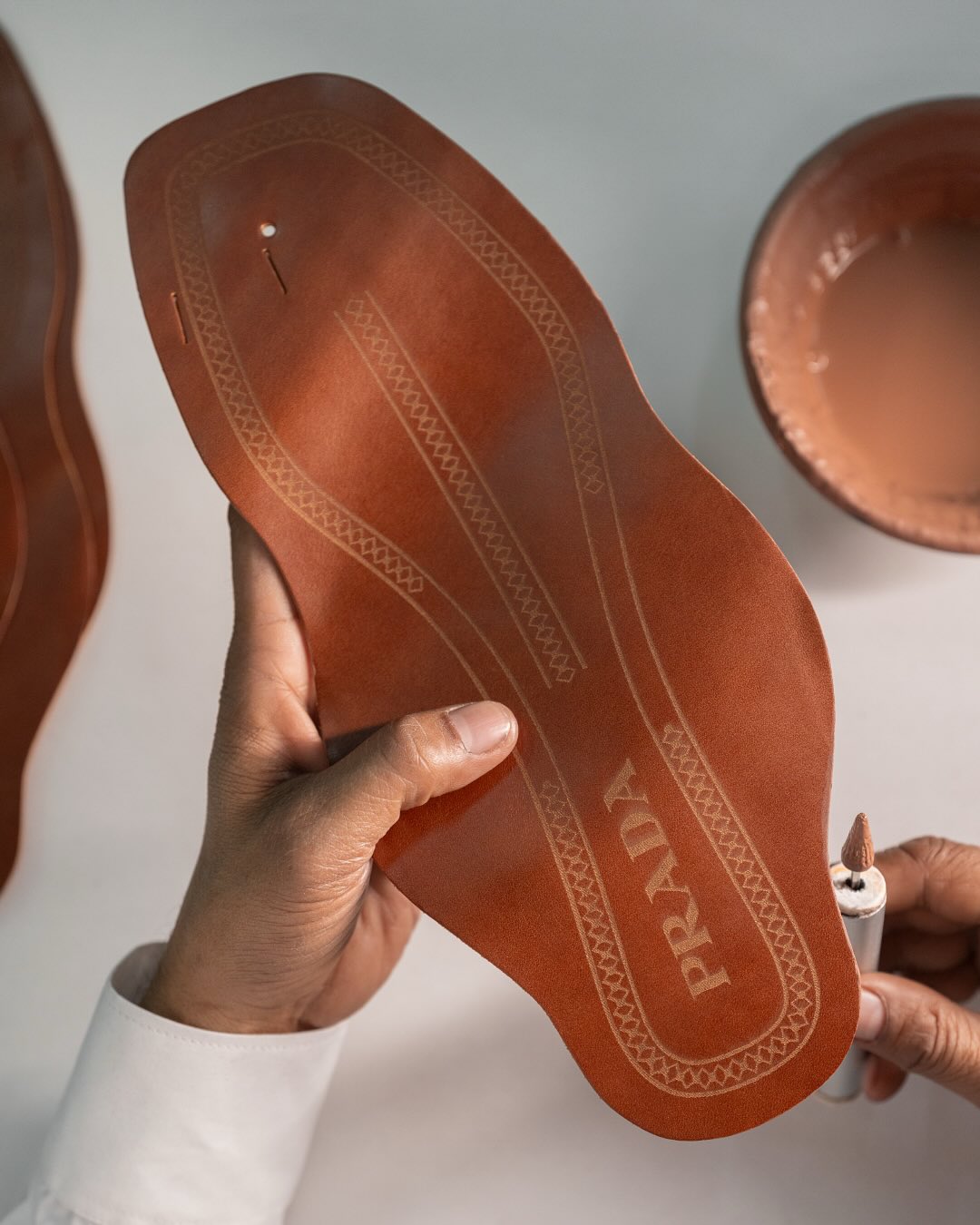
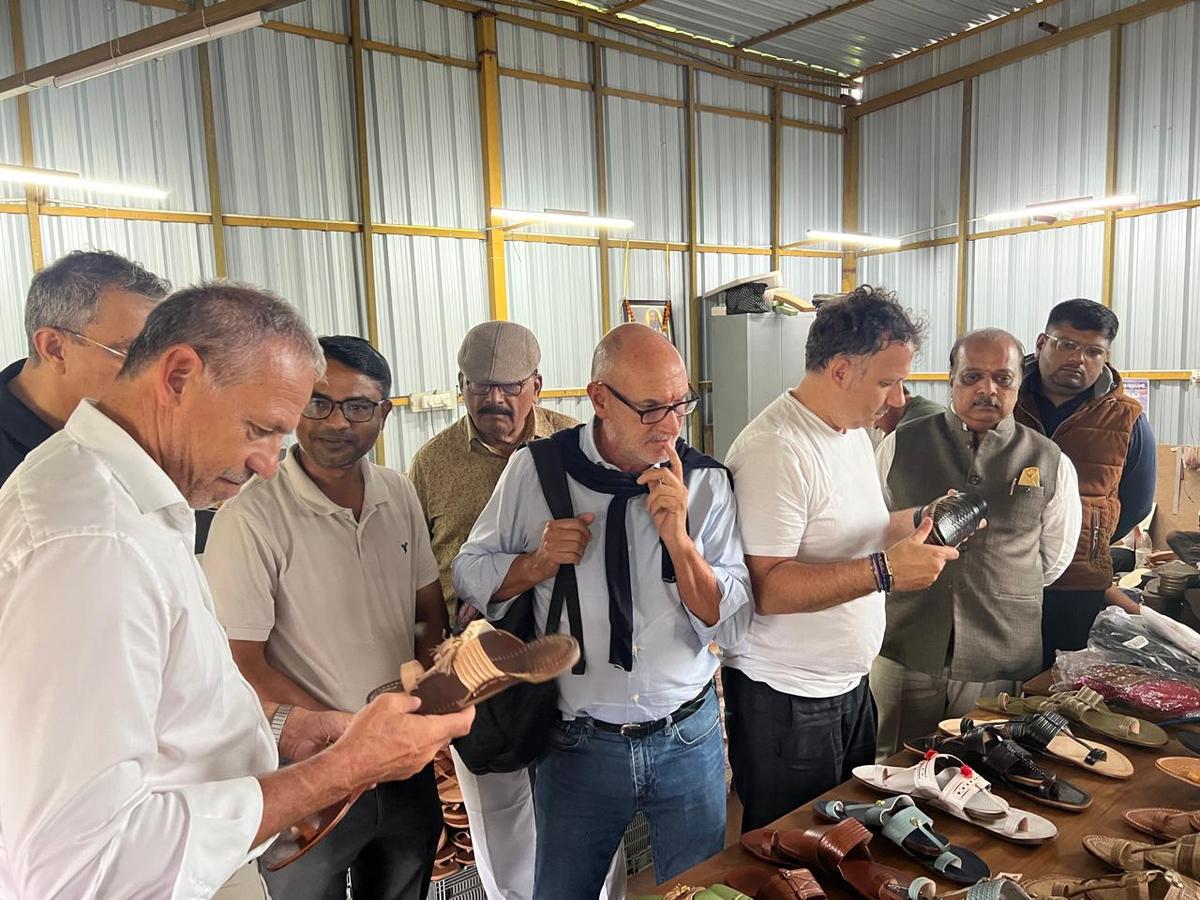
Now, after enough noise was made, Prada has announced a limited-edition “Made in India” Kolhapuri collection, a three-year training programme for artisans across eight districts, and visits to the Prada Group Academy in Italy for craftspeople. About 180 artisans are expected to benefit from the programme, delivered over six months through institutions including NIFT. The sandals will be sold through 40 selected stores worldwide and online, priced at approximately Rs 83,000 a pair.
Inspiration Or Cultural Appropriation?
Good. But here’s a question worth sitting with: why does it take a global pile-on for a brand to do the obvious thing?
And while we’re asking questions, it’s worth considering what other brands drawing “inspiration” from Indian designs and textiles are actually doing. Dior stunned Paris Fashion Week in July 2025 with a coat featuring Mukaish embroidery from Lucknow, a gold wire tradition with artisan versions priced between Rs 10,000 and Rs 50,000. The house put no mention of India on it, despite Indian hands crafting it, right in the middle of the Prada controversy. Apparently the lesson did not travel across the border in time. Twelve artisans spent 34 days making that coat. Dior’s show notes, press materials, and listings mentioned none of this.
Also Read: Ralph Lauren’s Rs 44,800 Bandhani Skirt Sparks Row: Is the Brand Ignoring India’s Craft Legacy?
Then there’s Ralph Lauren, who recently listed a cotton wrap skirt described as “inspired by traditional Bandhani tie-dye techniques,” priced at Rs 44,800. The listing made no clear mention of India, no context about the craft, and no credit to the communities that have kept it alive for generations.
Bandhani is not a motif to be printed and mass-produced. It is a painstaking handcraft, tied knot by knot, with deep roots in Gujarat and Rajasthan and a lineage that stretches back to the Indus Valley Civilisation.
When Outrage Becomes The Only Accountability Mechanism
This is the pattern. Take the craft, drop the origin, attach a four-digit price tag, and call it “inspiration.” When someone calls it out, go quiet. When the internet does not go quiet, issue a statement. When the statement is not enough, announce a new programme.
The Prada initiative could be seen as a genuine step in the right direction – training, co-creation, artisan visibility. But does a brand deserve applause for eventually doing what it should have done before the runway show? And what happens to the Mukaish embroiders of Lucknow, the Bandhani artisans of India, and the jhumka makers of every city whose work quietly appears on Paris runways under the label “vintage accessories”? Who is making the noise for them?
The real question is not whether Prada’s about-turn is a win for India. It is whether outrage should be the only mechanism that produces accountability in the first place.