What You Need To Know About Skin Flooding, The Viral Hydration Trend Dermatologists Are Talking About
Skin flooding has quickly risen as one of the most popular skincare trends online, with countless videos claiming dramatic results. In this guide, an expert explains what it really involves, its potential benefits, and how to follow the method correctly - without risking clogged pores
A growing number of skincare enthusiasts are turning to “skin flooding,” a trend that’s rapidly gaining traction for its hydration-focused approach. By applying moisture-rich products in a deliberate sequence, it aims to leave skin looking fresh, dewy, and well-nourished. Yet, it raises an important question – does this method truly deliver, and will it work on all skin types?
What Exactly Is Skin Flooding?
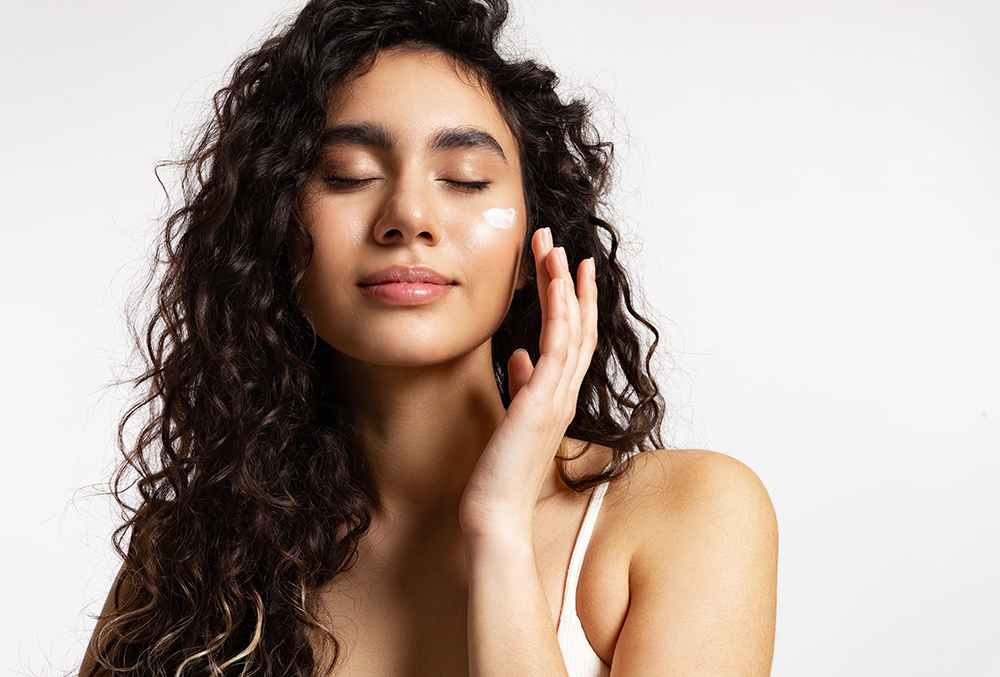
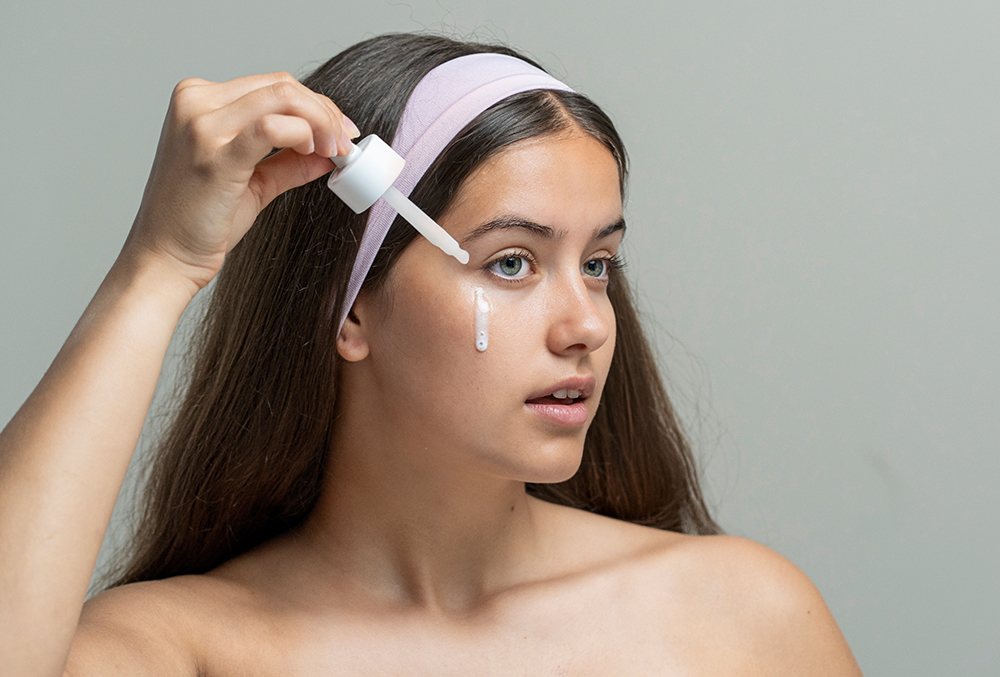
Skin flooding is a layering technique that involves applying multiple hydrating products in quick succession on damp skin. The protocol typically begins with a hydrating toner or facial mist, followed immediately by a humectant-rich serum, most commonly one containing hyaluronic acid, and then sealed with a moisturiser or facial oil. Each layer is applied while the skin is still slightly damp, creating a moisture-saturated environment that is thought to maximise absorption and retention.
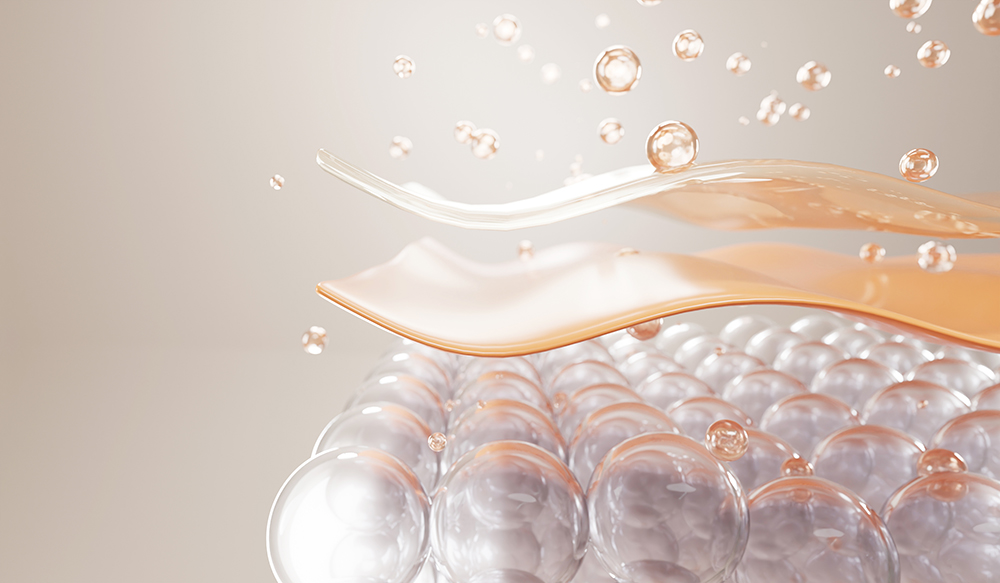
The technique draws on established dermatological understanding of how humectants function. Ingredients like hyaluronic acid attract water molecules toward the skin. In low-humidity environments or on insufficiently hydrated skin, these humectants can draw moisture from the deeper dermis rather than the atmosphere, paradoxically leading to dryness. Applying them onto already-damp skin helps redirect this process effectively.
When Skin Flooding Works
For dry, dehydrated, or sensitised skin types, skin flooding can deliver meaningful results. Layering lightweight hydrators helps reinforce the skin barrier, reduce transepidermal water loss, and temporarily plump fine lines caused by dehydration. Those living in dry or heavily air-conditioned environments, or experiencing hormonal shifts that affect skin moisture, often see a visible difference within days of consistent practice.
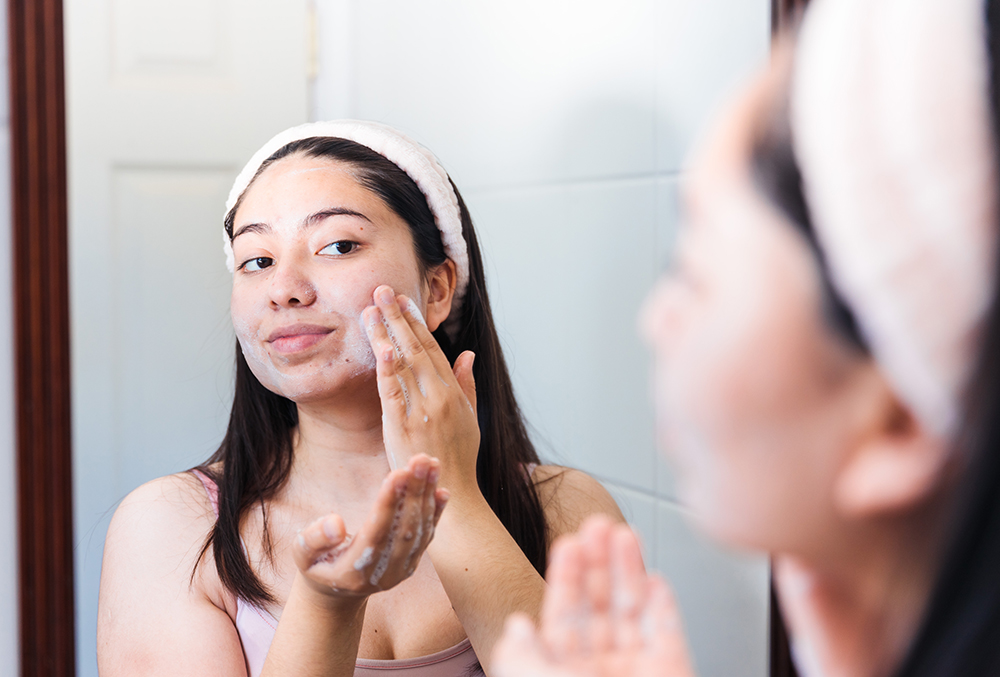
The technique is also worth considering for skin that has been compromised by over-exfoliation, aggressive actives, or environmental damage. A hydration-focused routine gives the barrier an opportunity to recover without the added stress of potentially irritating ingredients.
Also Read: The Right Way To Use Glutathione For Skin Whitening: A Safe-Use Guide By Expert
When It Can Backfire
Skin flooding does carry risks when applied without a proper understanding of one’s skin type. On oily or acne-prone skin, layering multiple occlusive and humectant-heavy products can clog pores and trigger breakouts, especially when formulations contain comedogenic ingredients such as heavy silicones or certain plant-derived oils. Inadequate cleansing before flooding can also create conditions where bacteria proliferate, worsening fungal acne or closed comedones.
Product interaction is another consideration. Layering without knowledge of ingredient compatibility can reduce efficacy or cause irritation. Niacinamide and certain Vitamin C derivatives, for example, may interact when applied in high concentrations. Understanding what each product contains and why it is being used matters more than simply following a trending routine.
How to Do It Right
Start with a gentle, pH-balanced cleanser and leave the face slightly damp rather than fully drying it. Apply a hydrating essence or toner immediately, followed by a low-molecular-weight hyaluronic acid serum within 30 to 60 seconds. Seal with a fragrance-free moisturiser suited to the skin type. In drier climates, a facial oil can be added as the final occlusive step.
Skin Flooding On Oily Or Combination Skin
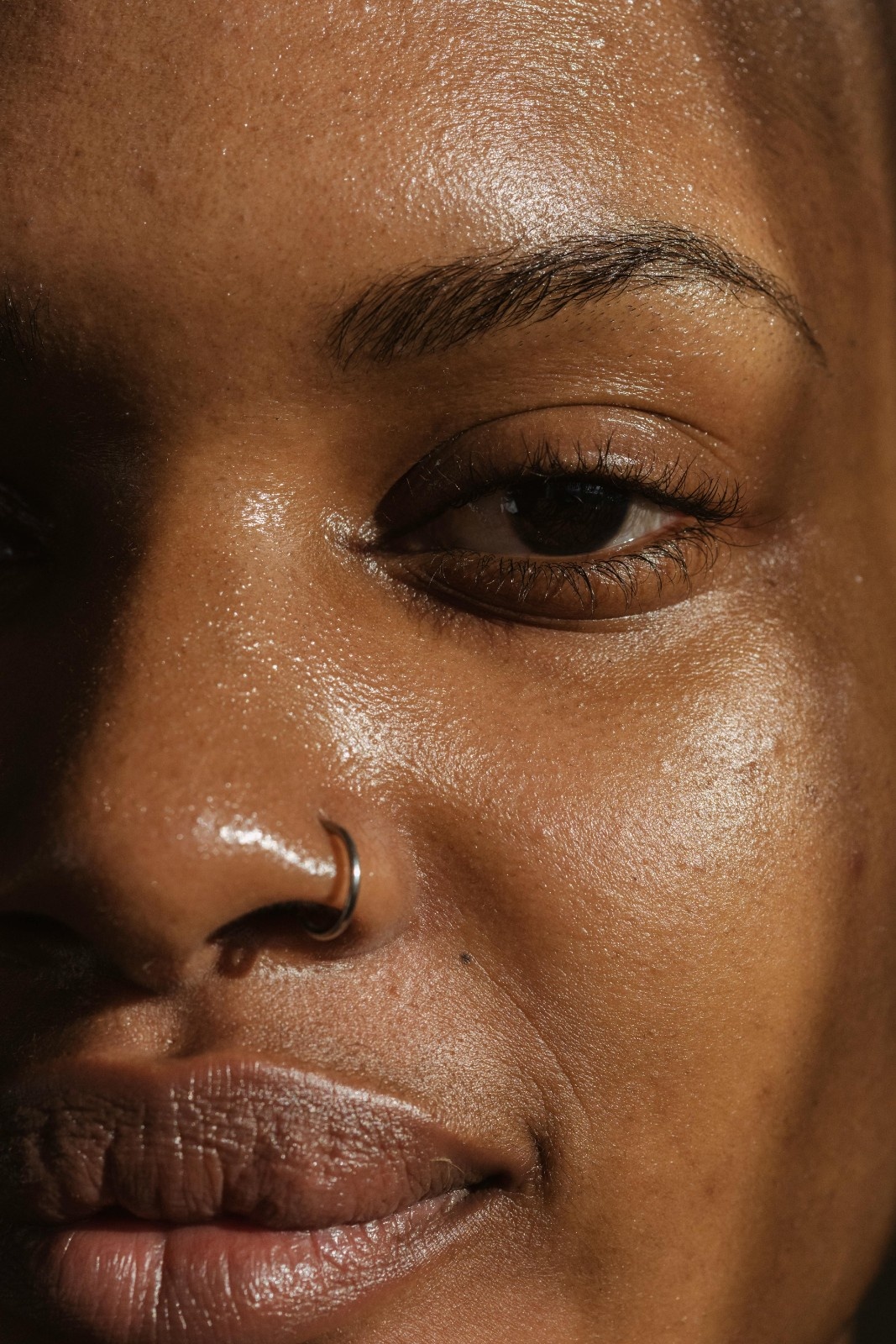
Those with oily or combination skin should opt for non-comedogenic formulations throughout. Skin experiencing active breakouts or rosacea flares should not be flooded without professional guidance. Keeping the routine to three or four products is advisable; excessive layering yields diminishing returns and increases the risk of congestion or sensitivity.
Skin flooding reflects a broader and welcome shift toward barrier-supportive skincare. When approached thoughtfully and matched to the individual’s skin profile, it is a well-grounded technique with real hydration benefits. Personalised guidance from a dermatologist ensures the best outcome for each skin type.
Dr. Rinky Kapoor is the Co-Founder and Director of The Esthetic Clinics® (TEC®).