Why Indian Skin Needs Its Own Sunscreen Language
A dermatologist breaks down why SPF alone fails Indian skin, and why PA ratings, HEVL protection and photostable filters matter more
The language of sunscreen — the vocabulary we have inherited to understand, choose, and talk about sun protection — was not built for us. It was built for populations in the northern hemisphere, where the dominant concern is ultraviolet B radiation, erythema, and most critically, skin cancer. SPF, the Sun Protection Factor, is a measure of how well a sunscreen blocks UVB. It is calibrated against redness. It was designed with fair skin in mind.
We are not that skin. And it is time our sunscreen conversation reflected that.
The Sun Threat Indian Skin Actually Faces
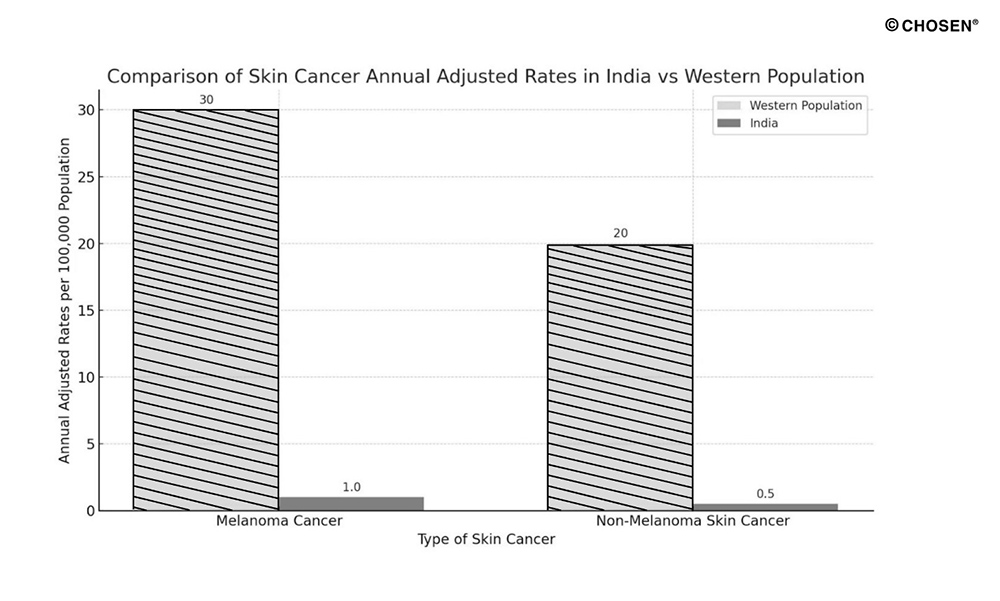
As I described in detail in my book Sunscreens for Skin of Color, and based on my personal observation as a seasoned dermatologist, Indian skin and Western skin age very differently, are damaged very differently, and respond to sun exposure very differently. We do not get skin cancers at the rates seen in Australia or Scandinavia. Skin cancer is rare in India, and the types that do occur here are often associated with non-solar factors — arsenic exposure, chronic heat contact, and notably, some variants occur on the palms and soles, areas that never see the sun.
What we do get, in enormous numbers, is pigmentation. Melasma, post-inflammatory hyperpigmentation, photo dermatoses — these form a large part of the dermatological practice in South Asia. The global melasma map places South East Asia and India at the very top. Pregnant Indian women face a particularly high burden, with melasma affecting up to one in two. This is the skin threat that matters most to us, and it demands a different framework.

Why Do Indians Need A Different Sunscreen?
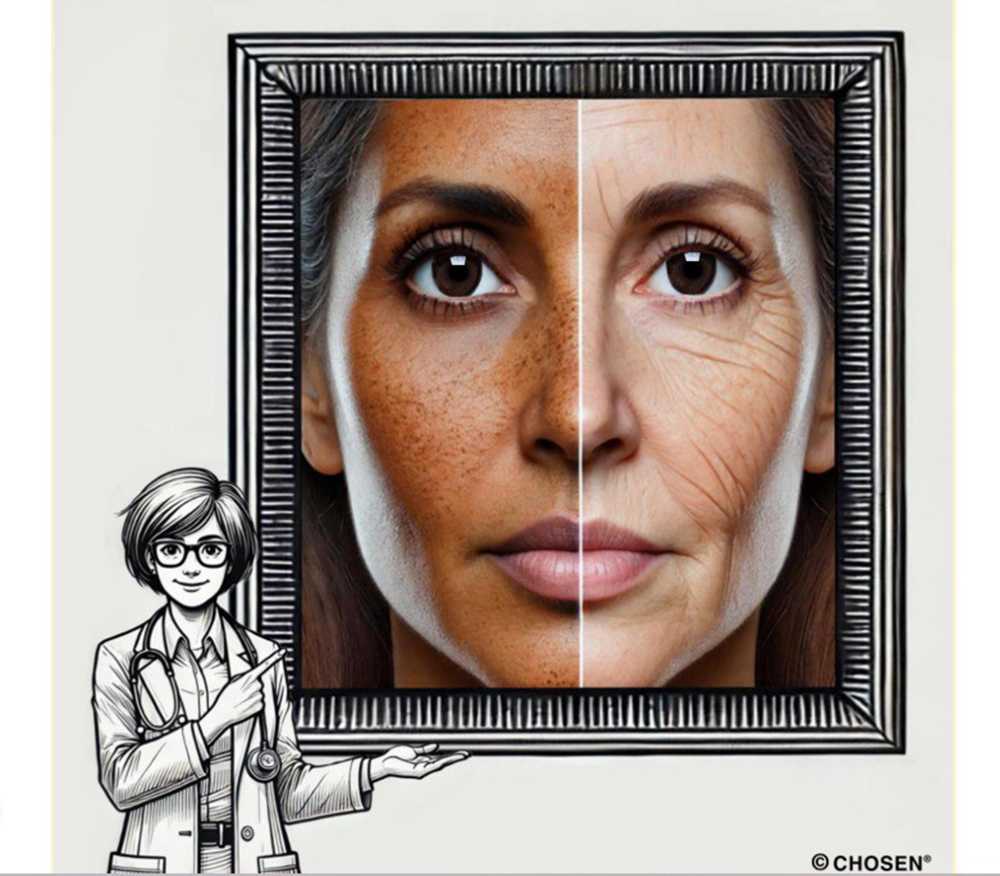
And then there is photoaging. Western skin ages with fine lines, wrinkles, and dehydration. Ours ages with pigmentation, enlarged pores, and skin laxity — a very different clinical picture, with a very different set of solutions. Sunscreen for us is primarily an anti-pigmentation and anti-photoaging tool. It is not a cancer prevention device in the same way it is for Caucasian populations.
The sun protection conversation for Indian skin is not just about blocking sunburn. It is about defending against pigmentation — and the language we use must reflect that.
Why SPF Alone Is Not Enough For Indian Skin?
UVB is responsible for sunburn, and SPF tells us how much of that we are blocking. But UVB is only one part of the radiation spectrum that reaches our skin. UVA radiation — present all year round, penetrating glass and cloud — is a primary driver of the pigmentation and photoaging that Indian skin is most prone to. For Indian skin in particular, UVA protection is arguably more clinically important than UVB protection. The PA rating — which appears on sunscreen labels as PA+, PA++, PA+++, or PA++++ — measures UVA protection. It is the metric that matters most for our skin, and most Indian consumers have no idea it exists.
Also Read: Skincare Trends That Stayed, Fads That Faded In 2025
But even UVA and UVB together do not cover the full spectrum we need to worry about. High Energy Visible Light, or HEVL, the blue-violet portion of the spectrum between roughly 380 and 450 nanometres, has been shown to trigger immediate and persistent pigmentation in darker skin types through pathways entirely separate from UV radiation. This is not a theoretical concern. My patients who work indoors under LED lights or in front of screens all day are not exempt from pigmentation. They need protection from their environment — an environment that conventional SPF-labelled sunscreens were not designed to address.
A New Vocabulary For Our Skin
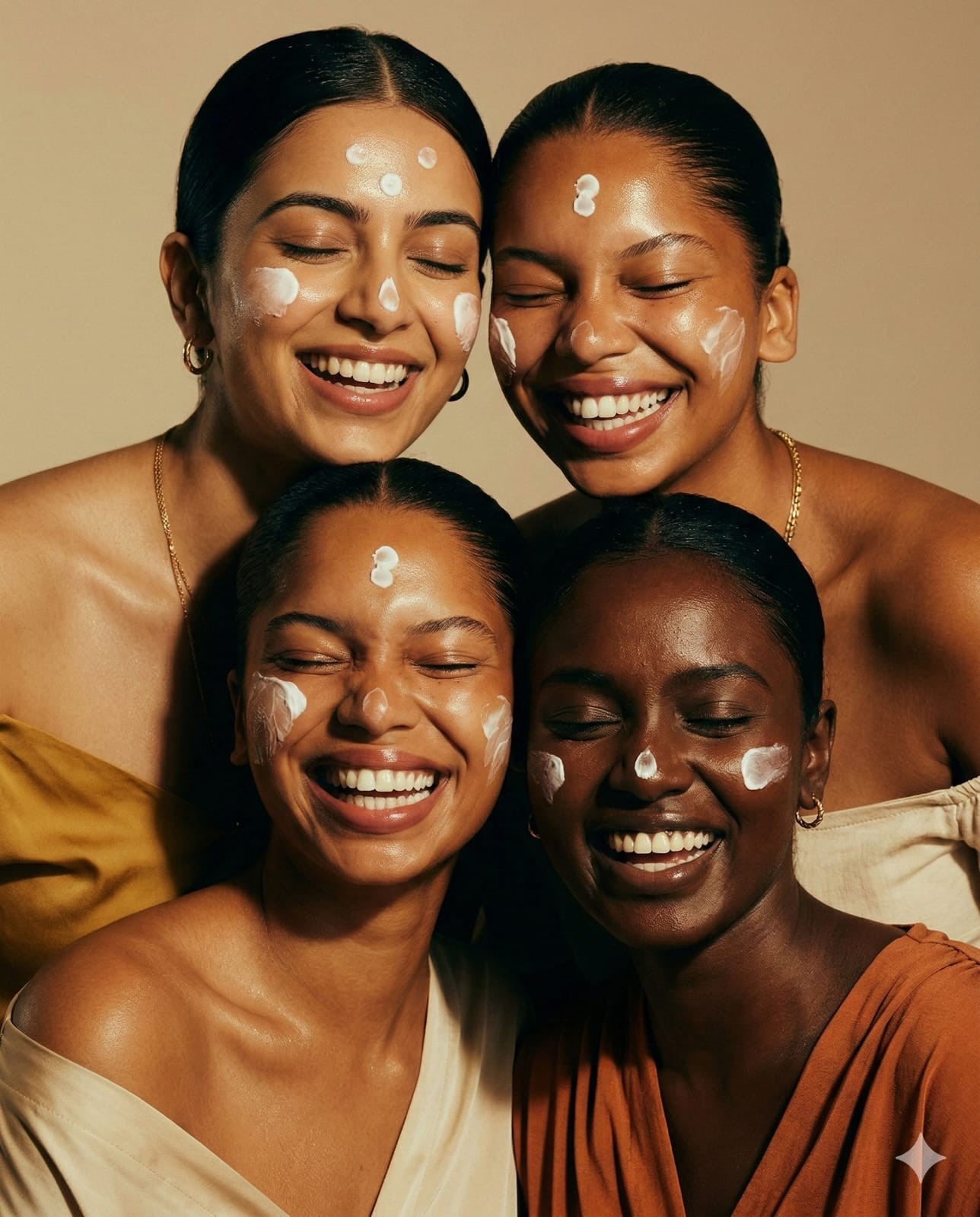
What does sunscreen language that actually works for Indian skin look like? It starts with reframing what we are protecting against. Not sunburn. Not skin cancer, at least not primarily. We are protecting against pigment — its formation, its accumulation, and the oxidative cascade that drives both. That means the questions we ask before buying a sunscreen need to change.
What Questions Should You Ask Yourself Before Buying A Sunscreen?
Instead of ‘What is the SPF?’, we should be asking: Does this sunscreen offer broad spectrum protection — UVA included? Does it carry a PA++++ rating? Does it address visible light, specifically HEVL? Is the UV filter photostable, so that it does not degrade into reactive by-products when exposed to Indian summer sunlight? Is it formulated for our climate — one that is hot, humid, and does not accommodate the two-hourly reapplication rhythms designed for temperate settings?
These are not minor additions to the conversation. They are the entire conversation, recentred for our skin type.
Formulation And Filter Safety: The Full Circle
There is another dimension to this new language, and it is one that has become increasingly relevant as sunscreen science has evolved. We are now, quite literally, coming full circle — from protecting with sunscreens to protecting ourselves from certain sunscreen ingredients. Some older generation UV filters, such as oxybenzone and octocrylene, have been detected in human blood, breast milk, and amniotic fluid after topical application. The European Union has been progressively restricting their permissible concentrations. For Indian consumers who apply sunscreen daily, this matters.
The answer is not to abandon sunscreens — it is to choose more carefully. Newer generation filters, particularly bemotrizinol, have larger molecular structures, lower skin penetration, and significantly better photostability. Bemotrizinol is in fact the only chemical UV filter to meet FDA safety standards in the past twenty-six years. It stays 98% intact under extended UV exposure, which is not a small detail in a country with over 3,000 hours of annual sunshine. Formulations built on this kind of filter — offering SPF 60+ protection with PA++++ UVA coverage, HEVL shielding through plant-derived melanin, and immersion-tested durability — represent the kind of science our skin has been waiting for.
Beyond topical protection, there is a growing case for sunscreen from within. Pycnogenol, the standardised extract from French maritime pine bark, has been shown to act as an internal photoprotector. For Indian skin specifically, its ability to reduce pigmentation, inhibit the enzymes that break down collagen, and boost hyaluronic acid synthesis makes it a compelling complement to topical sun protection — particularly for those dealing with melasma, where a multi-pronged approach is often the most effective.
What This Means In Practice
I always tell my patients: even if you were to never see a dermatologist for your skin concerns, you will still need to make good friends with a sunscreen. But I also now add: make sure it speaks your language.
The right sunscreen for Indian skin is not the one with the biggest SPF number on the shelf. It is the one that addresses UVA as seriously as UVB, that accounts for HEVL and blue light, that uses photostable and safety-conscious filters, and that comes in a formulation comfortable enough for daily compliance in our climate. Because the best sunscreen is always the one you will actually use — and use correctly, every single day.
We are the world’s largest population of people with skin of color. We deserve a sunscreen conversation built for us — one that begins not with sunburn, but with the pigmentation, the photoaging, and the lifelong relationship our melanin rich skin has with the sun.
That conversation begins with the right language. And it is long overdue.
Also Read: Why Oxygen Dome Facial Is The Best Way To Beat Pollution Woes