Avni Biyani on Building Foodstories: Why Conscious Consumption Is Shaping India’s New Gourmet Culture
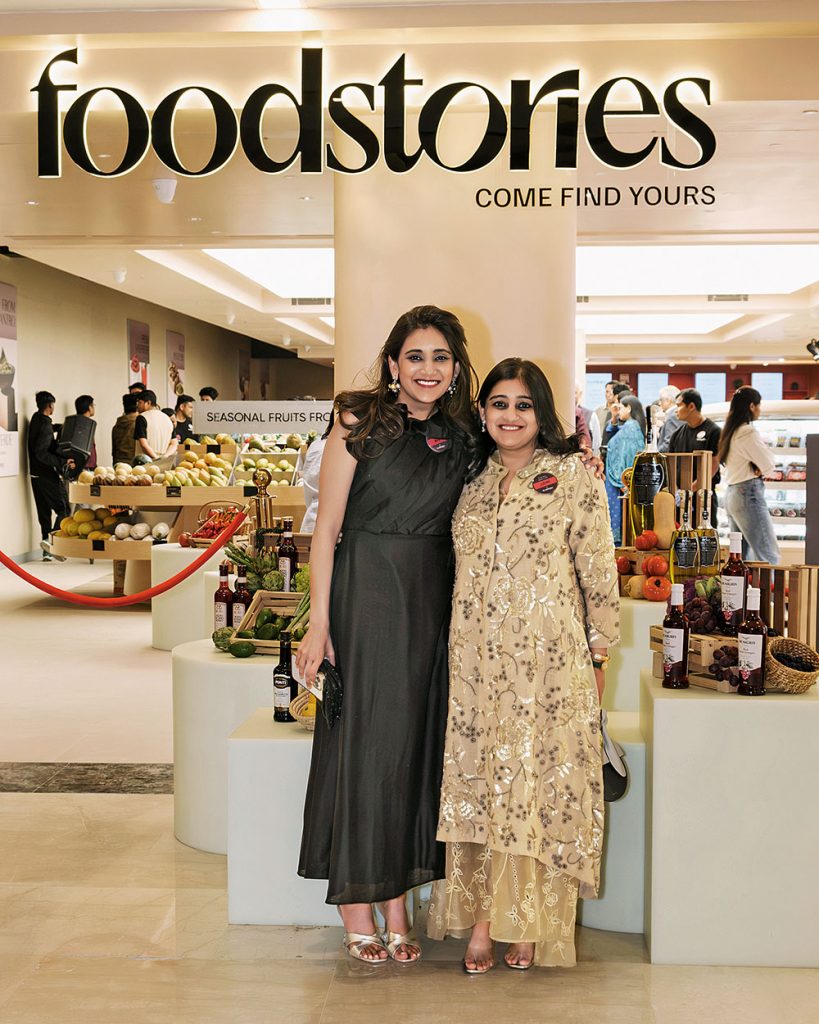
Avni and Ashni Biyani, daughters of retail mogul Kishore Biyani, recently launched the third store of Foodstories, a gourmet food and experiential retail store in New Delhi. More than a store, the space is a sensory and cultural immersion into the world of mindful indulgence, conscious consumption and ingredient-led storytelling. In an exclusive with Outlook […]
Avni and Ashni Biyani, daughters of retail mogul Kishore Biyani, recently launched the third store of Foodstories, a gourmet food and experiential retail store in New Delhi. More than a store, the space is a sensory and cultural immersion into the world of mindful indulgence, conscious consumption and ingredient-led storytelling.
In an exclusive with Outlook Luxe, Avni Biyani speaks unfiltered on building beyond inheritance
“For me, Foodstories was never meant to be a business of scale alone. It began as a thought. Almost a quiet rebellion against the idea that retail success must always be measured in numbers, footfalls, and volume. I have always believed that there is another way to build; one that is slower, more deliberate, and far more intimate.
You can either touch many lives briefly, or meaningfully shape a few. We chose the latter. What we are building is not about selling more. It is about making what we sell matter.
In India today, there is a consumer who has come of age not just economically, but culturally. This is a consumer who has travelled, tasted, experimented, and evolved.
We often describe them as the “Singapore of India”—not in geography, but in sensibility. They have seen the world and returned with a different lens. They are no longer impressed by abundance. They are drawn to nuance. They ask questions. They pause before they consume. What they are seeking is not just food. It is clarity, credibility and a deeper relationship with what they are putting into their body.
This shift is subtle, but it is profound. Earlier, food was about occasion. Today, it is about consciousness. Conversations have moved from “what tastes good” to “what is good for me.”
There is a growing awareness of air, soil, water, and increasingly, of ingredients. Where does it come from? How was it grown? What does it do to my body? These are no longer niche questions. They are becoming everyday considerations for a certain kind of Indian consumer.
Foodstories exists in response to that shift. I have never been particularly comfortable with the word “gourmet.” It feels limiting, almost exclusionary. For me, the real distinction is not between gourmet and non-gourmet. It is between thoughtful and thoughtless consumption. Between knowing and not knowing. Between intention and indifference. What we are trying to do is bring back intention into food.
That intention begins at the source. Our farms are spread across the country, and each one tells a different story. A Devgad Alphonso tastes the way it does because of the coastal air and the soil it grows in. A Kesar from Gujarat carries a different sweetness, a different texture. We don’t just source, we curate. We choose farms, we engage with farmers, we discuss practices, we nudge them towards methods that are cleaner, more sustainable and mindful. It is not a transactional relationship. It is a collaborative one.
There is something deeply reassuring about knowing where your food comes from. In a world that feels increasingly anonymous, that connection matters.
And yet, we are equally open to the world. If something is not in season in India, it does not mean it is not in season somewhere else. Our role is not to take sides between local and global. Our role is to bring the best, wherever it may come from, while being transparent about it. For us, geography is secondary. Quality is not.
Consumers are discerning now. Conversations are moving from what tastes good to what is good for me
What has surprised me most over the years is how deeply our customers engage with this idea of quality. They are incredibly specific. They don’t just want blueberries—they want a certain size, a certain firmness, a certain sweetness. They don’t just want sourdough—they want to know how long it has rested, what grains have been used, how it has been fermented. These are not casual consumers. These are informed, involved, almost obsessive participants in their own consumption. And that changes everything.
It means that what we do cannot be generic. It cannot be rushed or compromised. Every product, whether it is an avocado or a loaf of bread, goes through layers of thought before it reaches our shelves. It is not just about selling—it is about standing by what we sell.
In many ways, food today is becoming one of the most significant expressions of lifestyle. In urban India, a meaningful portion of household spending is now directed towards food—not just essentials, but experiences. The matcha you sip in the morning, the protein you add to your routine, the olive oil you choose for your kitchen—these are no longer peripheral decisions. They are central to how people define wellness, identity, even aspiration.
Food has moved from the background to the foreground of life. And yet, in a world where everything is available instantly, the role of a physical store becomes even more interesting. If you can order anything online and have it delivered within hours, why step out at all? The answer lies in experience. Convenience can be digitised. Discovery cannot.
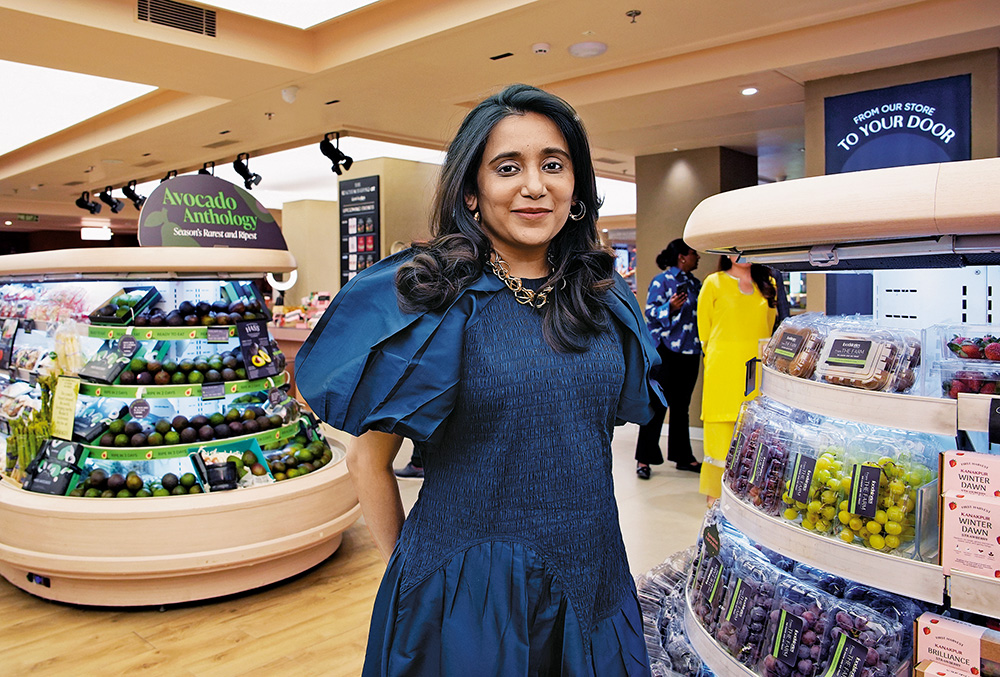
When someone walks into Foodstories, we want them to feel something. We want there to be movement, energy, conversation. We want them to taste, to learn, to linger. Retail, for us, is not just about transaction. It is about engagement.
Globally, some of the most loved gourmet spaces are not just stores, they are cultural hubs. They are places where people gather, where ideas are exchanged, where food becomes a shared language. In India, we are only beginning to explore that possibility. There is a gap when it comes to spaces that are experiential yet accessible, especially indoors. We see our stores slowly evolving into that role.
It is not unusual now to see someone walk in for a quick purchase and end up spending an hour—tasting, talking, discovering. Children learning how to frost cupcakes. Someone attending a book launch. Friends catching up over coffee. Food, in these moments, becomes a connector.
Of course, as categories grow, products become more visible, more accessible. What was once niche becomes mainstream. Sourdough, avocados, artisanal ingredients—these are no longer unfamiliar. But mainstreaming does not dilute meaning. If anything, it sharpens it.
Availability is not the same as depth. A product may exist everywhere, but the story behind it, the craft within it, the precision with which it is made—that still matters. And for a certain kind of consumer, that will always matter.
On a personal note, building Foodstories with my sister Ashni has been an unexpected joy. We had never worked together before this, and perhaps that is what makes it interesting. We come from different worlds, bring different strengths, and often see things differently. But we are anchored by a shared belief in what we are creating. There is a certain honesty in working with family—you cannot hide behind structure or hierarchy. You can only align on purpose.
And our purpose has always been the same: the customer.
As we grow, that will not change. Expansion, for us, is not about how many stores we open. It is about how deeply we can stay true to what we stand for. Better sourcing, stronger relationships, richer experiences—these are the metrics that matter to us. Because what we are witnessing today is not just the rise of a category. It is the rise of a mindset.