Summer Story: Why Is Malda Called The Mango City Of India?
From the Mahabharata mention, to a fertile land growing Mango orchards and GI-tag recognition, here’s how Malda has shaped India’s most iconic fruit legacy
In India, the mango is not just a fruit; it is a nostalgia for good times. The King of Fruits aptly announces the summer season with sweetness and indulgence. The Indian subcontinent’s connection with this juicy, pulpy fruit dates back to 4,000 years. From finding a place in the poetry of Mirza Ghalib and Amir Khusrao to Akbar planting a massive orchard of 1,00,000 mango trees, called the Laakhibagh in present-day Bihar, the fruit was loved and remembered in history as much as it is loved by all today.
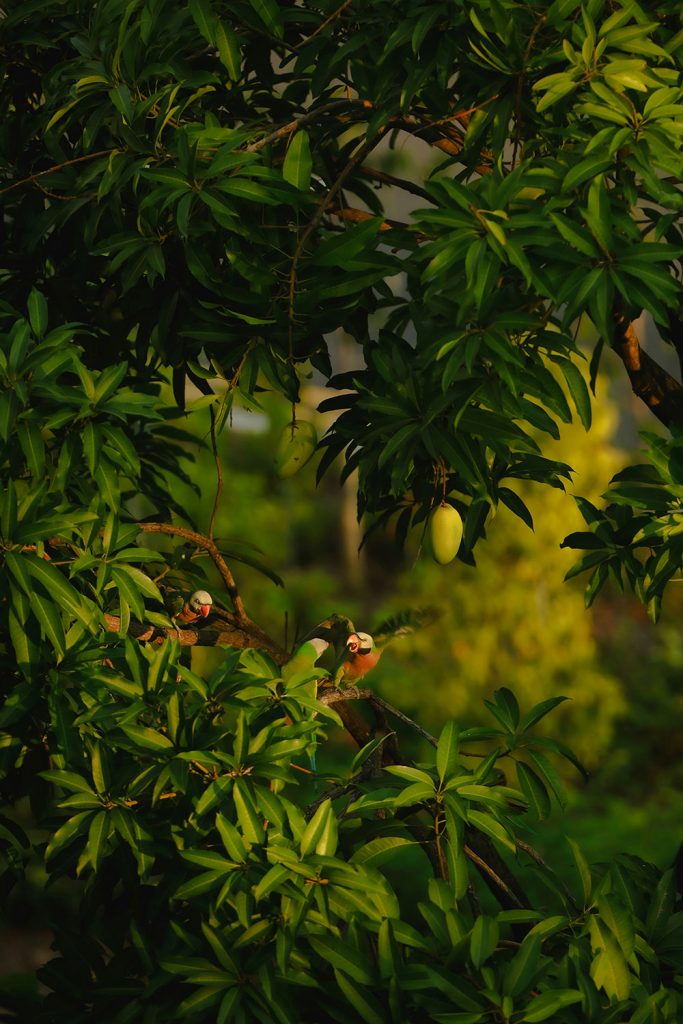
But if there is one place where the mango feels less like produce and more like legacy, it is Malda. Often called India’s “mango city,” Malda sits in the northern stretch of West Bengal, where orchards ripple across the landscape like a quiet inheritance.
Why Malda Is The Mango City Of India?
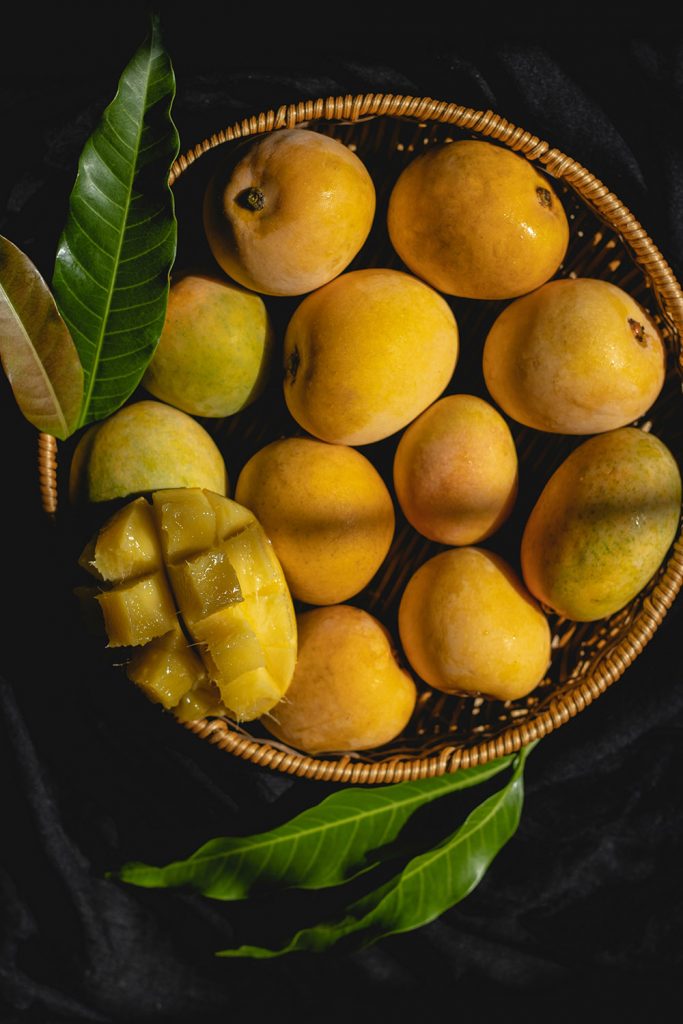
Dubbed the ‘Mango City of India’, Malda produces around 3.5 lakh metric tonnes of the fruit annually on 31,000 hectares with wide superior varieties like Himsagar, Langra, Fazli, and Lakshmanbhog.
But in Malda, the story of mangoes isn’t just about produce and agriculture. In mythology, ancient references trace Malda’s mango lineage back to the Mahabharata, where the fruit was a symbol of fertility and abundance. In Hindu lore, even Kamadeva, the god of love, is said to wield a bow crafted from mango wood, strung with blossoms—an image that ties the fruit to desire, life, and renewal.
As per history, Malda was once part of the Pala kingdom. Its fertile lands blossomed with orchards that fed both local consumption and trade. Under the Bengal Sultanate and later the Mughals, the region evolved into a thriving commercial hub. Eventually, mangoes became its prized offerings. Today, that legacy has been formally recognised with the mangoes of Malda receiving a Geographical Indication (GI) tag, a distinction that protects their identity and elevates their value in national and global markets.
Why are Malda mangoes of Good Quality?
What gives Malda mangoes their edge is the environment it’s gown. Malda, cradled between the Ganga and Mahananda rivers, boasts rich alluvial soil. Further, warm summers, followed by timely monsoon showers, create the perfect rhythm for orchards to cultivate rich, quality of mangoes.
Premium Varieties of Malda’s Mangoes
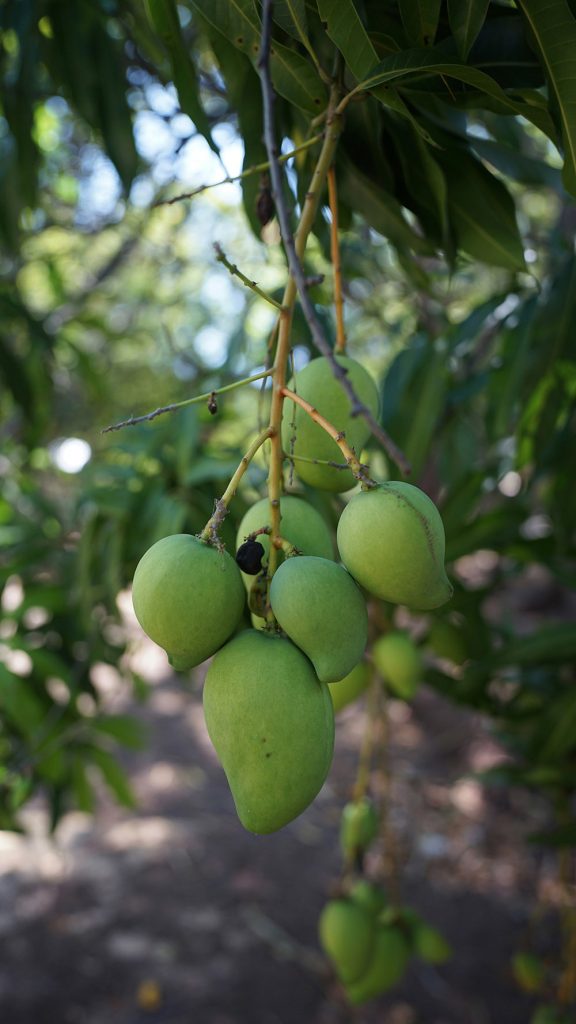
Malda’s mangoes are delightful bites. For instance, the giant Fazli is known for its juicy and indulgent sweet taste. Then comes Himsagar, which glows with a deep golden hue, and is completely fibreless, melting effortlessly on the tongue. Langra, with its greenish-yellow skin, offers a delicate balance of sweet and tangy notes. Laxmanbhog, with its golden-yellow skin blushed with red, feels almost poetic, lightly sweet and smooth in texture. Varieties like Amrapali and Mallika, hybrids born from Dashehari and Neelum, are newer varieties that are gaining global admirers.
So, the next time you bite into a Malda mango, you taste history, geography, and myth—all at once, dripping in golden sweetness.