The Hidden Costs Of Hypercar Ownership: Why Maintenance Is As Expensive As The Purchase
Buying a hypercar is the glamorous part, keeping it alive is where the real financial violence begins because when an oil change costs more than a family sedan, you realise speed has a very expensive aftertaste
You think buying a hypercar is the expensive bit. You save, invest, sell your neighbour if necessary, and finally park something with 1,500 horsepower and doors that open like a spaceship in your garage. You stand there admiring it, believing you’ve conquered the summit of automotive extravagance. Wrong. That was merely the entry fee. The real drama begins after the engine has cooled down and the service invoice arrives looking like a ransom note. Hypercars are not cars in the traditional sense. They are engineering statements, rolling laboratories built to test the limits of physics and, quite often, your bank account. Machines from brands like Bugatti, Koenigsegg, Pagani and Ferrari are designed with extraordinary precision, rare materials, and tolerances so fine they make surgeons look casual. Which means maintaining them is less like servicing a car and more like funding a small aerospace programme.
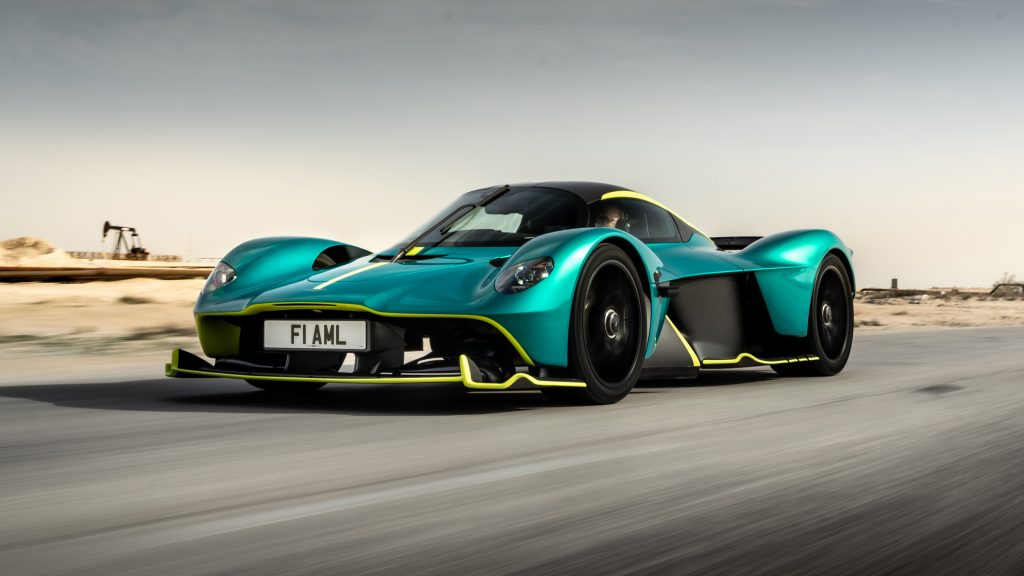
Take the humble oil change. On a normal car, this involves a mechanic, a filter, and an amount of money that does not cause emotional trauma. On a Bugatti, however, an oil change can cost around $30,000. Yes, thirty thousand dollars to replace lubricant. That is not because the oil is blessed by monks in the Alps. It is because the process requires extensive labour, removal of multiple underbody panels, specialised fluids, and technicians trained specifically for that machine. In some cases, the rear wheels and body components need partial disassembly just to access the relevant parts. Your local garage with a cheerful man named Rajesh is not invited.
Then there are the tyres. Hypercars do not simply wear tyres, they consume highly specialised performance compounds engineered to handle absurd speed and heat. A complete set of four wheels and tyres for a Bugatti can cost anywhere between $100,000 and over $160,000. That is not a typo. That is the price of replacing rubber and rims. And no, you cannot simply wait until they look worn. Many manufacturers recommend replacement based on age, not mileage, because rubber at 400 km/h is not a matter of optimism.
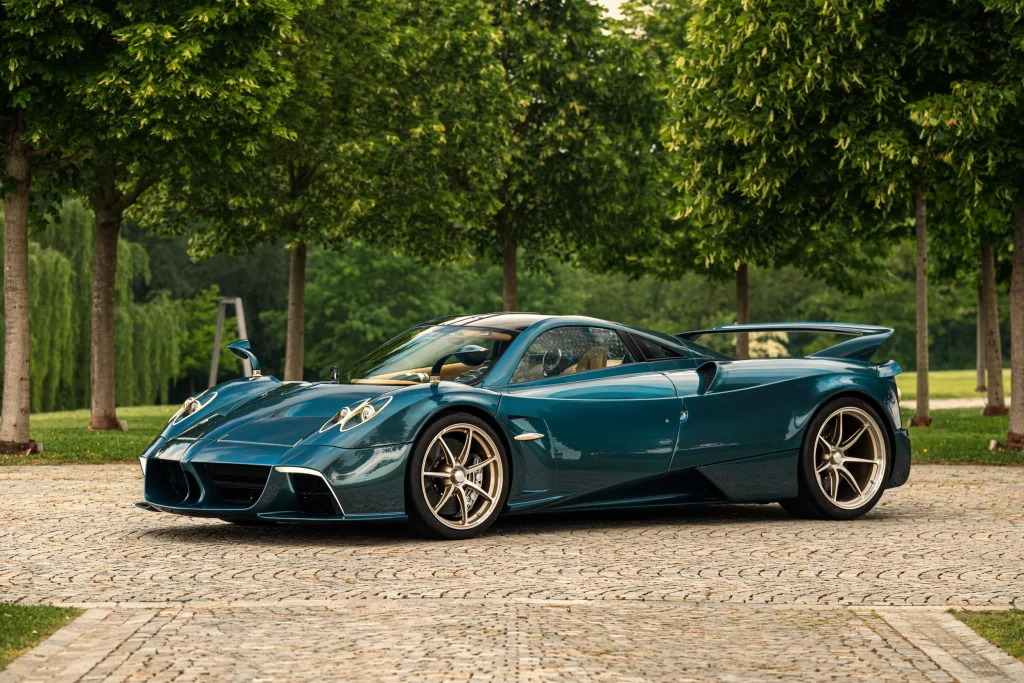
Brakes? Also catastrophic. Carbon ceramic discs and pads are miracles of stopping power, but replacing them can cost tens of thousands more. Suspension components, especially in active aerodynamic systems, are precision devices with price tags that could fund a university degree. Even batteries can become headline material because the electrical systems are often custom-built and tied to proprietary diagnostics. Insurance, of course, is its own comedy. Insurers look at a hypercar the way a parent looks at a teenager borrowing the family keys: with fear. Premiums are high, storage requirements are strict, and mileage limitations are often written with the joy of a tax form. Many owners also need climate-controlled garages, battery tenders, specialist detailing, and transport by enclosed trailer for service appointments because even driving it to maintenance feels like unnecessary risk.
And then comes depreciation, or sometimes the opposite. Some hypercars appreciate, particularly limited-run models from brands like McLaren Automotive or Ferrari. But that appreciation often depends on immaculate condition and perfect service history, which means skipping maintenance is like setting fire to your investment portfolio in slow motion. The truly maddening thing is that most hypercars are barely driven. Some spend more time under silk covers than on asphalt. Yet they still demand attention like aristocrats with trust funds. Fluids age, seals dry, electronics sulk, and tyres expire while standing still. Neglect is expensive. Use is expensive. Existing, apparently, is expensive.

But perhaps that is the point. Hypercars are not rational purchases. Nobody buys one because it makes financial sense. They buy one because the sound of a V12 at full throttle feels like religion, because a carbon fibre monocoque makes the heart beat faster, because owning the impossible is intoxicating. So yes, the purchase price is eye-watering. But the hidden truth of hypercar ownership is this: the cheque you write at the dealership is merely your introduction. The real relationship begins later, in service bays, tyre invoices, and maintenance schedules written with the seriousness of a surgical plan. A hypercar does not ask if you can afford to buy it. It asks if you can afford to keep deserving it.