

Glass was once the polite guest in architecture. Useful for windows, happy to stay quiet and never daring to take over the room. Then modern architects decided that walls were overrated and secrecy was unnecessary. Suddenly glass stopped behaving and started taking control. Buildings became lighter, brighter and occasionally so transparent that you could see exactly who forgot to clean their office desk. Glass turned architecture into theatre, letting cities reflect themselves while flooding interiors with light. It was no longer about enclosure. It was about openness, confidence and a very deliberate refusal to hide.
The rise of glass marked a fundamental shift in architecture. It allowed buildings to breathe visually, connecting occupants to their surroundings while redefining how light shaped space. Advances in structural glazing and engineering made it possible for glass to act as both enclosure and expression. Architects began treating transparency as a concept rather than a feature. Glass became a way to communicate openness, progress and modernity, altering how cities related to their buildings.
Toyo Ito
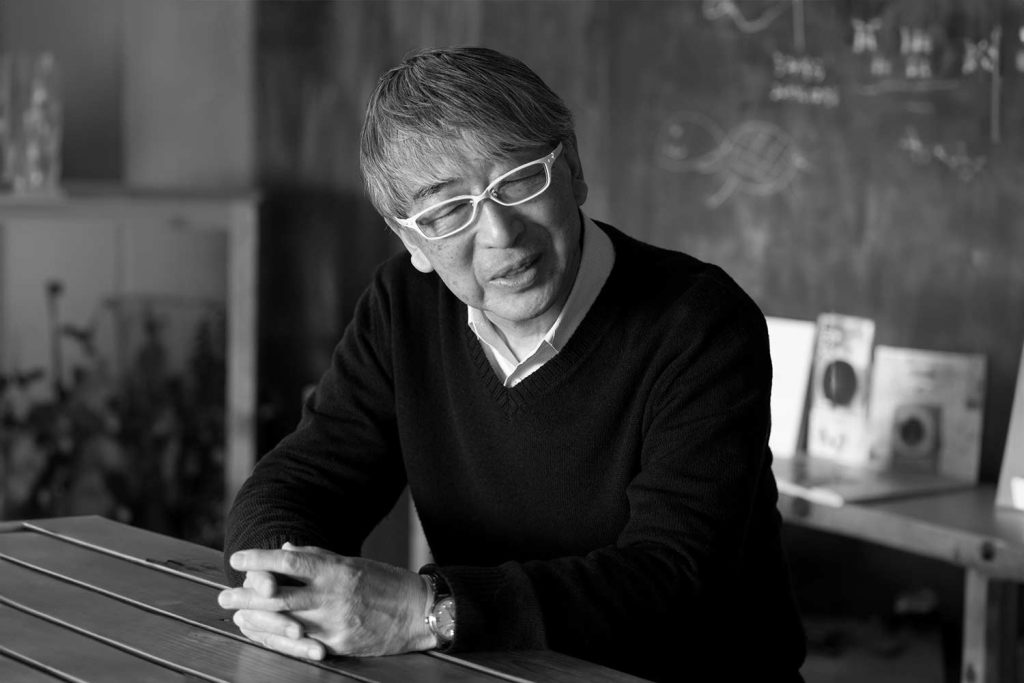
Toyo Ito approaches glass as something almost immaterial. His buildings dissolve into their environments, using transparency to blur the line between structure and atmosphere. Glass in his work behaves like air or water, creating fluid spatial experiences rather than rigid forms. Through layered facades and delicate structural logic, Ito uses glass to reflect movement, light and urban life, turning architecture into a constantly shifting experience.
Dominique Perrault
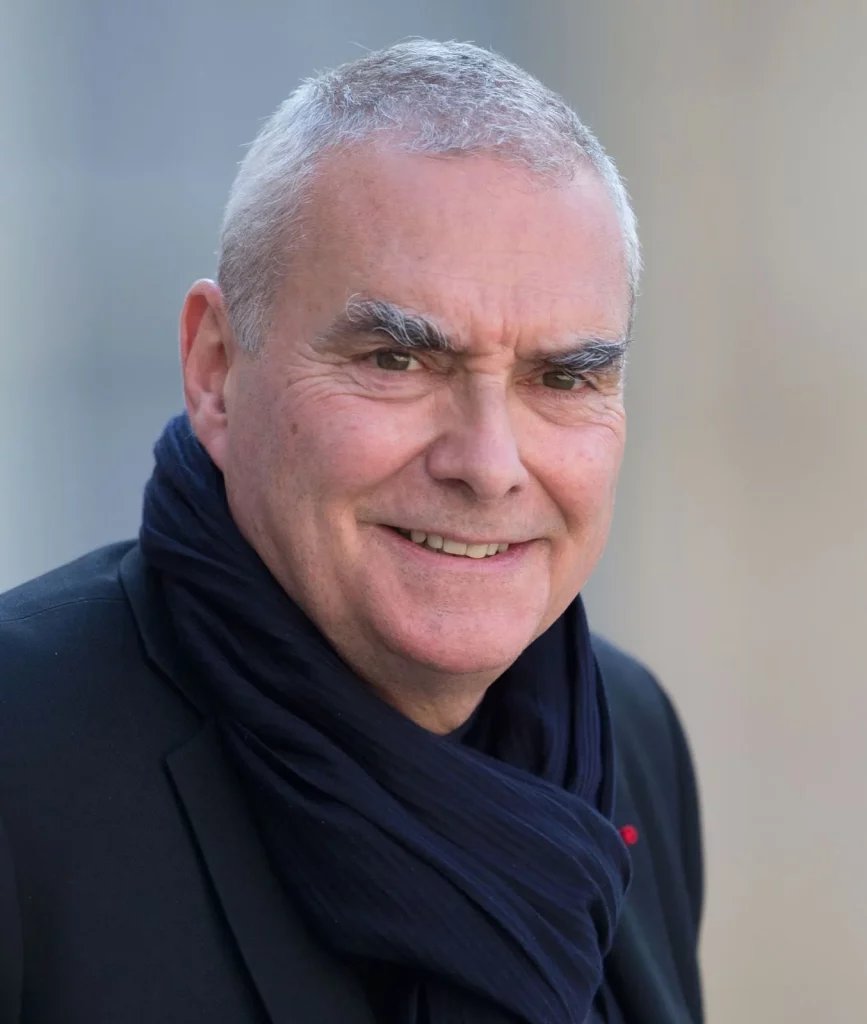
Dominique Perrault uses glass with restraint and authority. His architecture often pairs transparency with monumentality, allowing buildings to feel both light and grounded. Glass facades in his work act as controlled skins that reflect context while maintaining precision. Rather than spectacle, Perrault focuses on clarity, using glass to emphasise proportion, rhythm and architectural calm. Transparency becomes disciplined rather than decorative.
Helmut Jahn
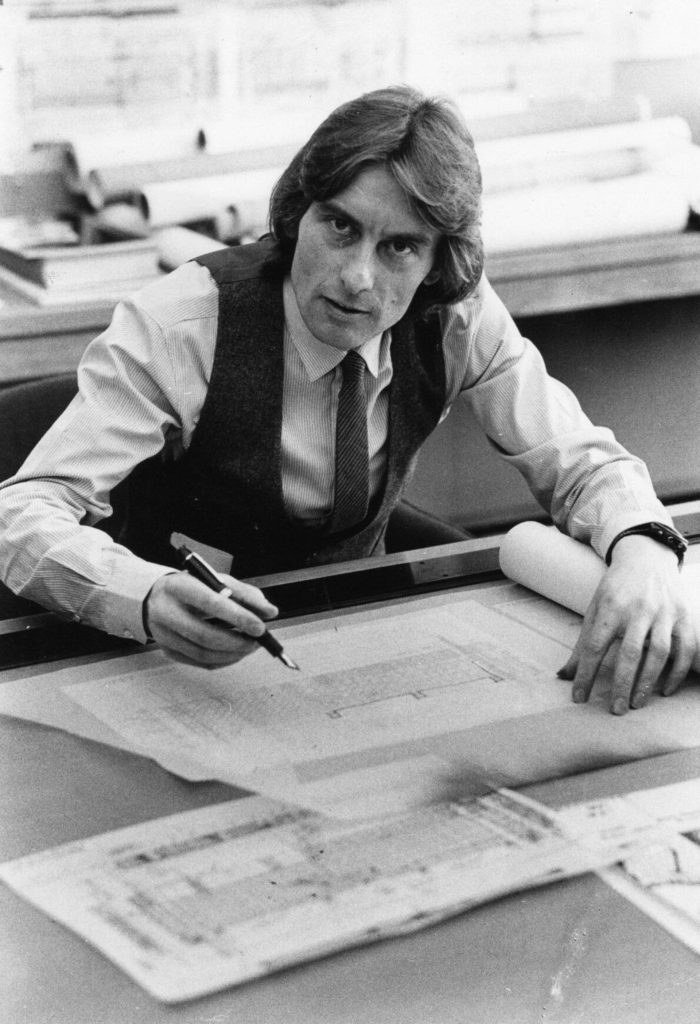
Helmut Jahn embraced glass as a symbol of ambition and technological strength. His buildings often feature expansive glass facades that project openness, speed and modern identity. For Jahn, glass was not subtle. It was bold, reflective and unapologetically urban. His work helped define the visual language of late twentieth century commercial architecture, where transparency signalled progress and global relevance.
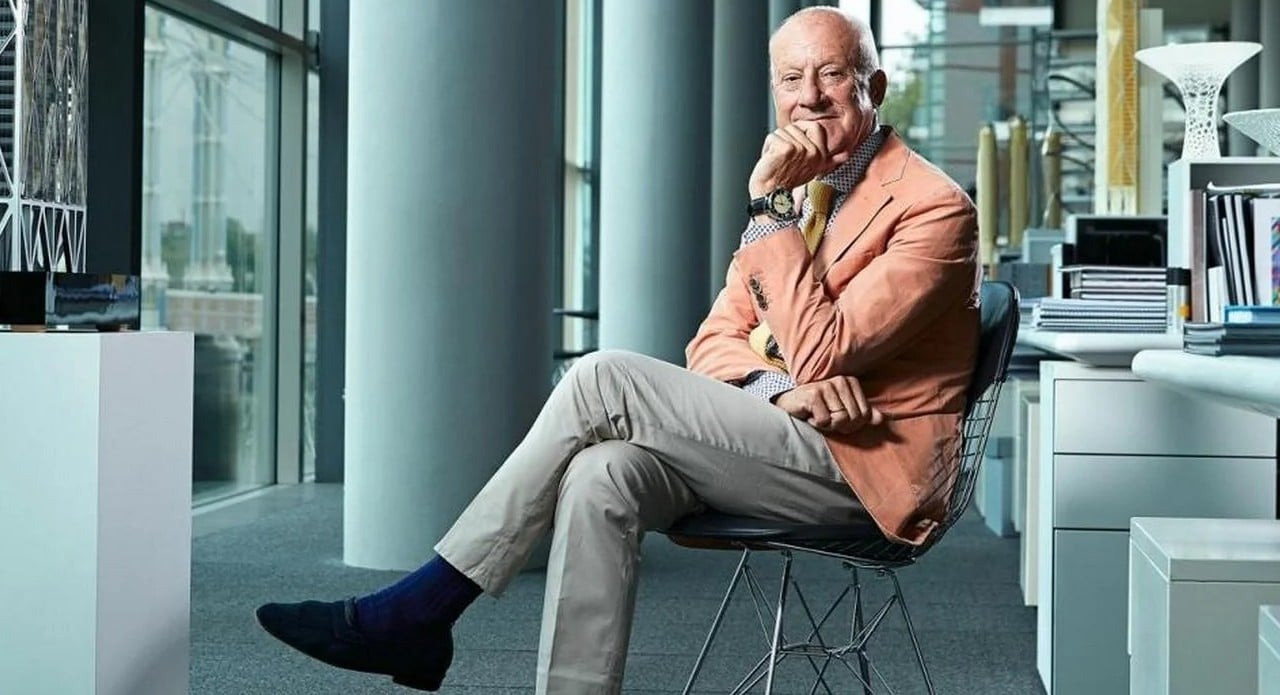
Norman Foster
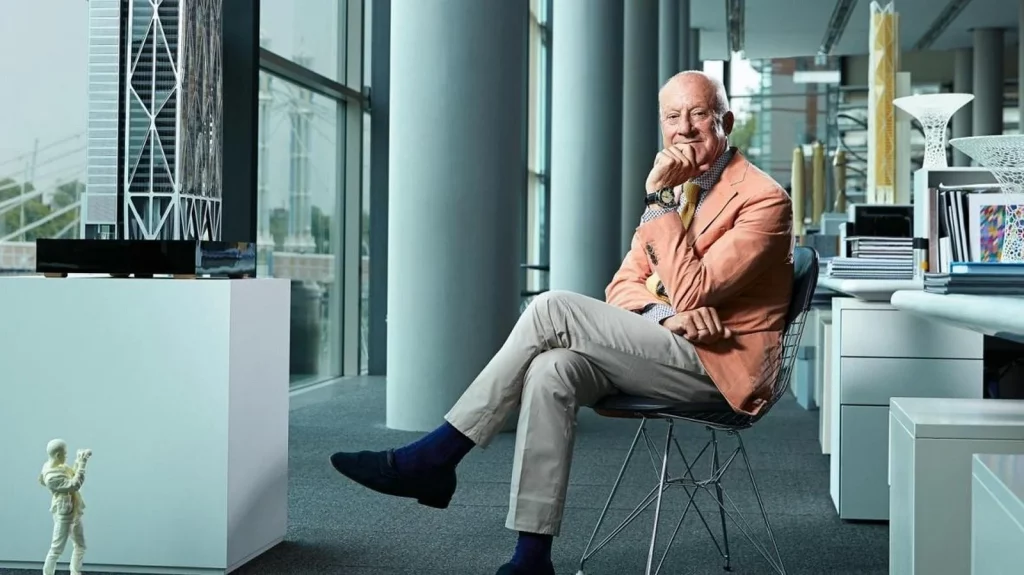
Norman Foster mastered glass by combining elegance with engineering intelligence. His buildings use advanced glazing systems to control light, heat and energy while maintaining visual clarity. Glass becomes part of an integrated environmental strategy rather than a surface treatment. Through transparency and precision, Foster demonstrated that glass could be both beautiful and responsible, shaping skylines while improving performance.
The Lasting Legacy Of Glass In Contemporary Design
Today, glass remains one of the most influential materials in architecture. Innovations in sustainability, smart glazing and structural systems continue to expand its possibilities. Yet its core impact remains unchanged. Glass gave modern architecture lightness, visibility and emotional openness. It turned buildings into participants in their cities rather than isolated objects. In mastering glass, these architects reshaped the modern world into something brighter, clearer and unmistakably transparent.