

Colonial architecture is what happens when Europeans decided to take their buildings on holiday and never quite let them come home. Armed with classical ideals symmetry and a love for order they landed in unfamiliar climates and promptly realised that stone walls and steep roofs were not enough. So the buildings adapted. Verandas appeared ceilings rose windows multiplied and suddenly architecture learned to breathe. What emerged was a style both formal and flexible proud and practical and deeply influential. Colonial architecture may have been born of empire but it survived because it worked.

What Is Colonial Architecture
Colonial architecture refers to building styles developed during the period of European colonial expansion from the sixteenth to the nineteenth centuries. These designs were rooted in European architectural traditions but modified to suit local materials climates and cultural conditions. Rather than a single uniform style colonial architecture is a family of regional adaptations unified by proportion symmetry and functional planning. It became the visual language of governance commerce and domestic life in colonial settlements.
The Historical Context Of Colonial Design
Colonial architecture emerged as European powers established administrative and commercial centres across Asia Africa the Americas and the Caribbean. Buildings were designed to assert authority stability and cultural dominance while responding to environmental challenges. Over time architects blended European forms with indigenous construction techniques resulting in hybrid styles. This cross cultural exchange shaped some of the most enduring urban landscapes in the world.

Key Features Of Colonial Architecture
Colonial buildings are characterised by symmetrical layouts formal facades and simple classical detailing. Common features include large verandas high ceilings shuttered windows and thick walls designed for ventilation and climate control. Roofs vary by region from pitched tile roofs in tropical zones to steep gables in colder climates. Materials were often locally sourced including brick timber stone and lime plaster reinforcing durability and regional identity.
Legacy Of Colonial Architecture
Colonial architecture shaped the identity of many modern cities leaving behind structured streets civic landmarks and residential typologies that endure today. While its historical context remains complex and often controversial the architecture itself reflects innovation adaptability and craftsmanship. Many colonial buildings have been repurposed as museums hotels and cultural centres preserving their architectural value while reinterpreting their meaning.
Famous Examples Of Colonial Architecture Around The World
Rashtrapati Bhavan, New Delhi, India
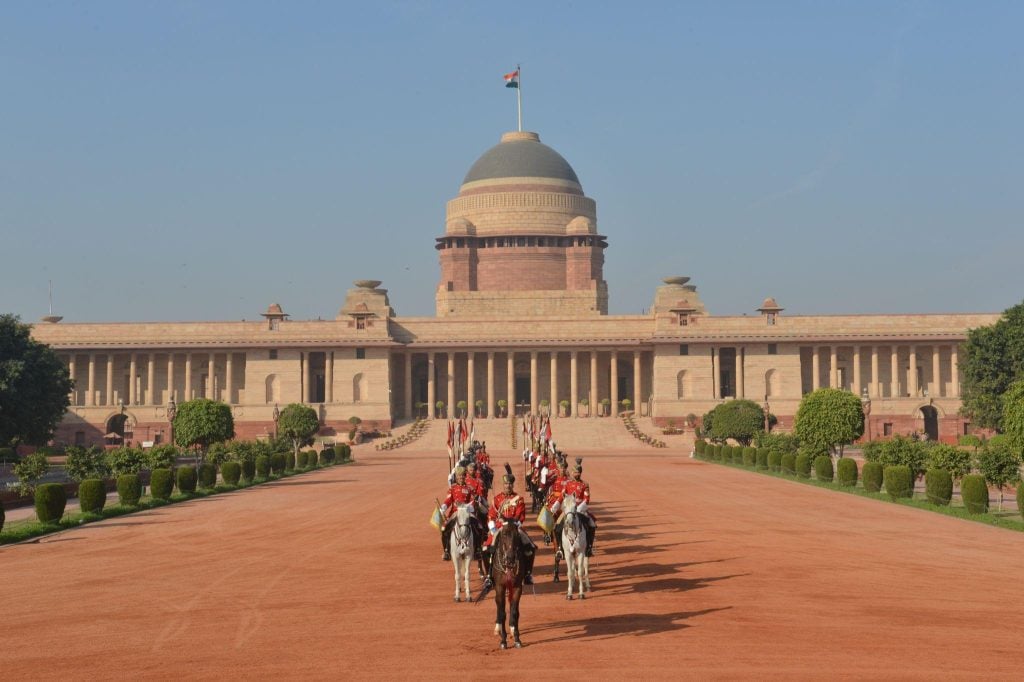
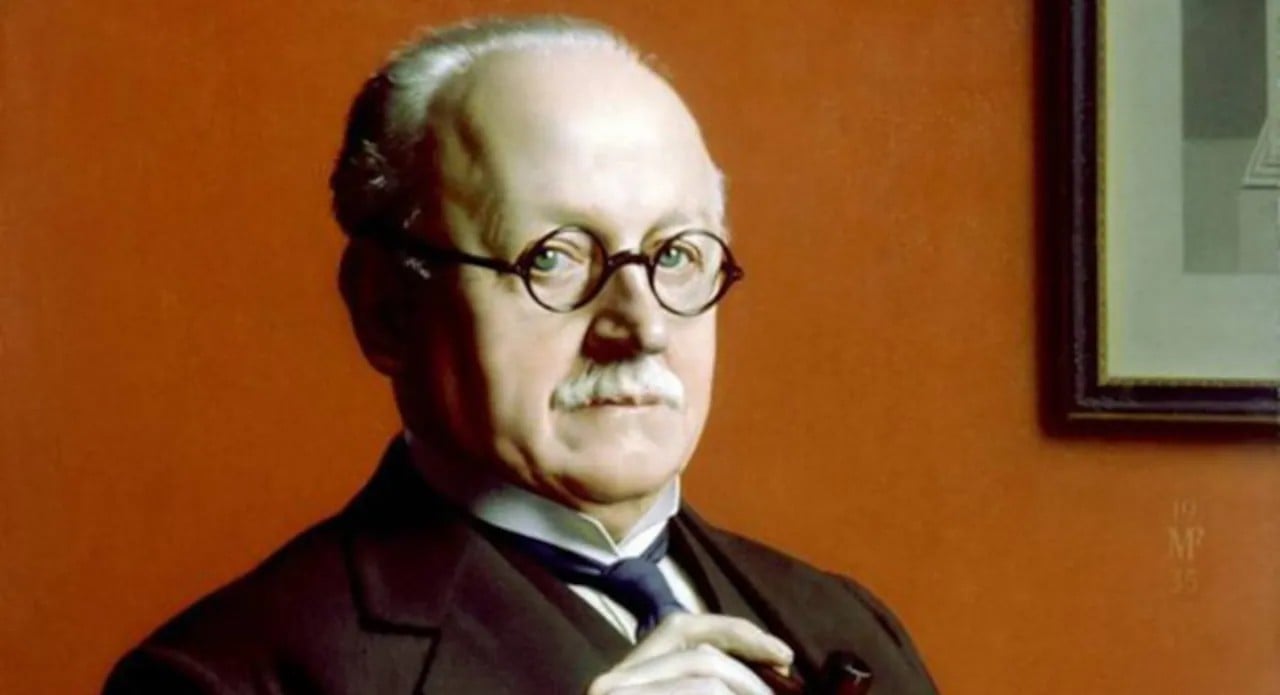
Rashtrapati Bhavan stands as the grandest symbol of British colonial architecture in India. Designed by Edwin Lutyens this vast residence combines European classical planning with Indian motifs and climate responsive design. Wide colonnades shaded courtyards high ceilings and careful orientation allowed the building to function in Delhi’s intense heat while projecting imperial authority. Today it remains one of the most significant colonial structures in Asia representing both architectural mastery and layered historical meaning.
Castillo de San Marcos St Augustine, United States
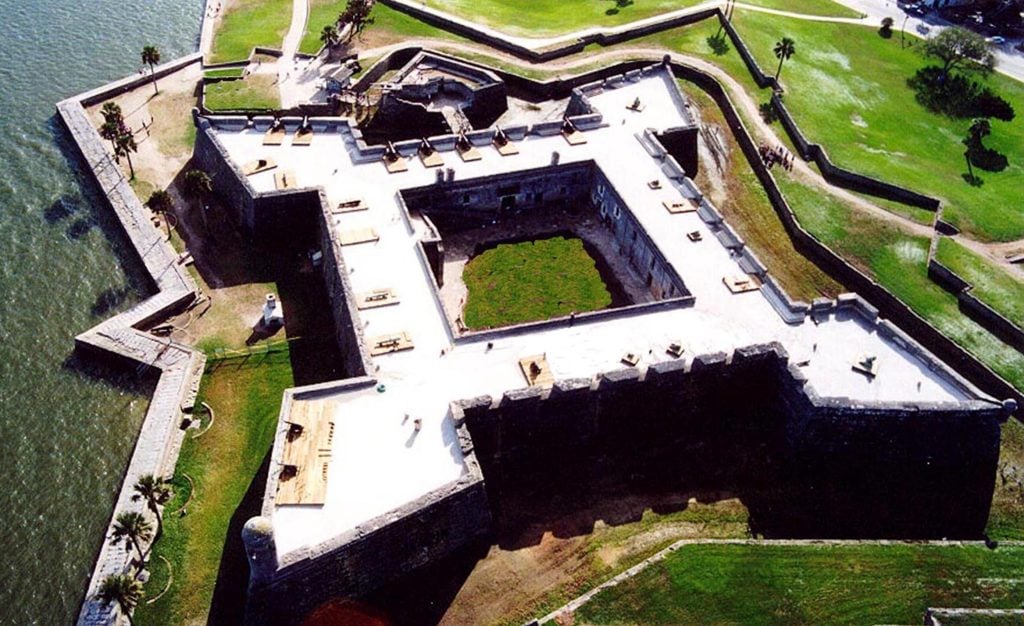
Castillo de San Marcos represents Spanish colonial architecture in its most defensive and pragmatic form. Built in the late seventeenth century this massive stone fortress reflects Spain’s military priorities in the New World. Its thick walls bastions and strategic layout demonstrate how colonial architecture responded to geopolitical threats rather than aesthetics alone. The structure remains the oldest masonry fort in the continental United States and a powerful reminder of colonial military engineering.
Palacio de los Capitanes Generales, Havana, Cuba
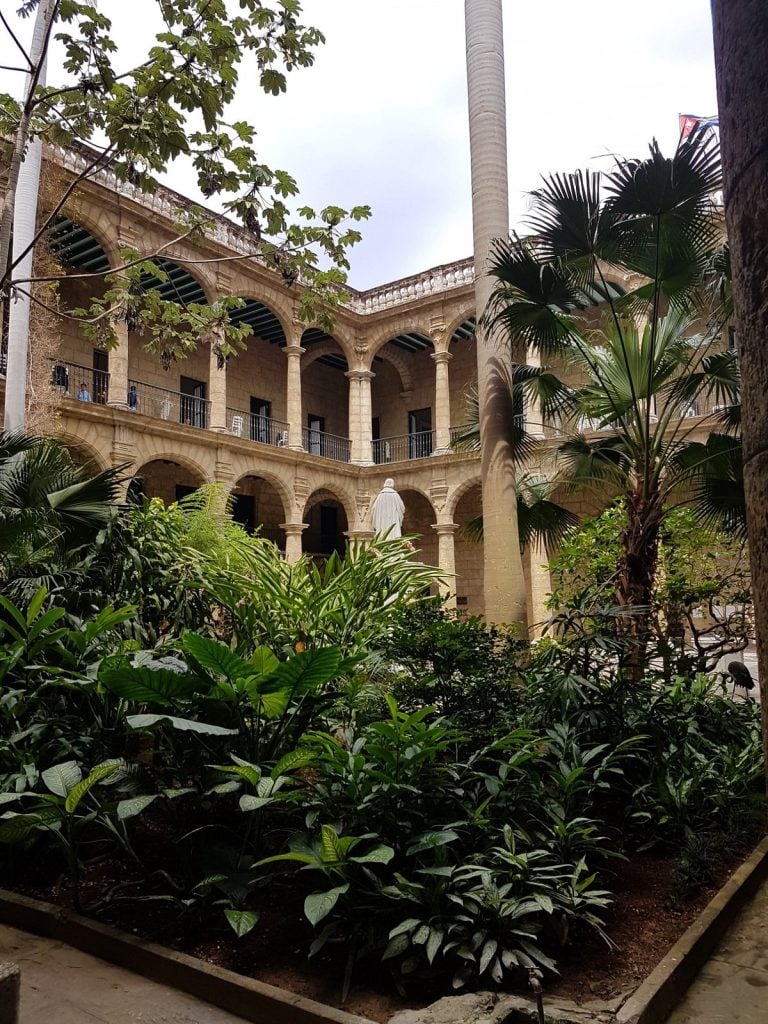
Located in the heart of Old Havana this palace exemplifies Spanish colonial civic architecture in the Caribbean. Designed with arcaded corridors inner courtyards and coral stone walls the building was adapted to tropical conditions while maintaining formal European planning. It served as the seat of colonial power and today functions as a museum preserving Cuba’s layered colonial history. The structure reflects how colonial architecture balanced authority with environmental intelligence.
Church of São Francisco de Assis, Ouro Preto, Brazil

This church stands as one of the finest examples of Portuguese colonial architecture in South America. Combining Baroque influence with colonial construction techniques it showcases intricate stonework wooden interiors and expressive ornamentation. Designed by Aleijadinho the church reflects how colonial architecture absorbed local artistry and craftsmanship. It remains a masterpiece of religious architecture and a testament to cultural fusion under colonial rule.