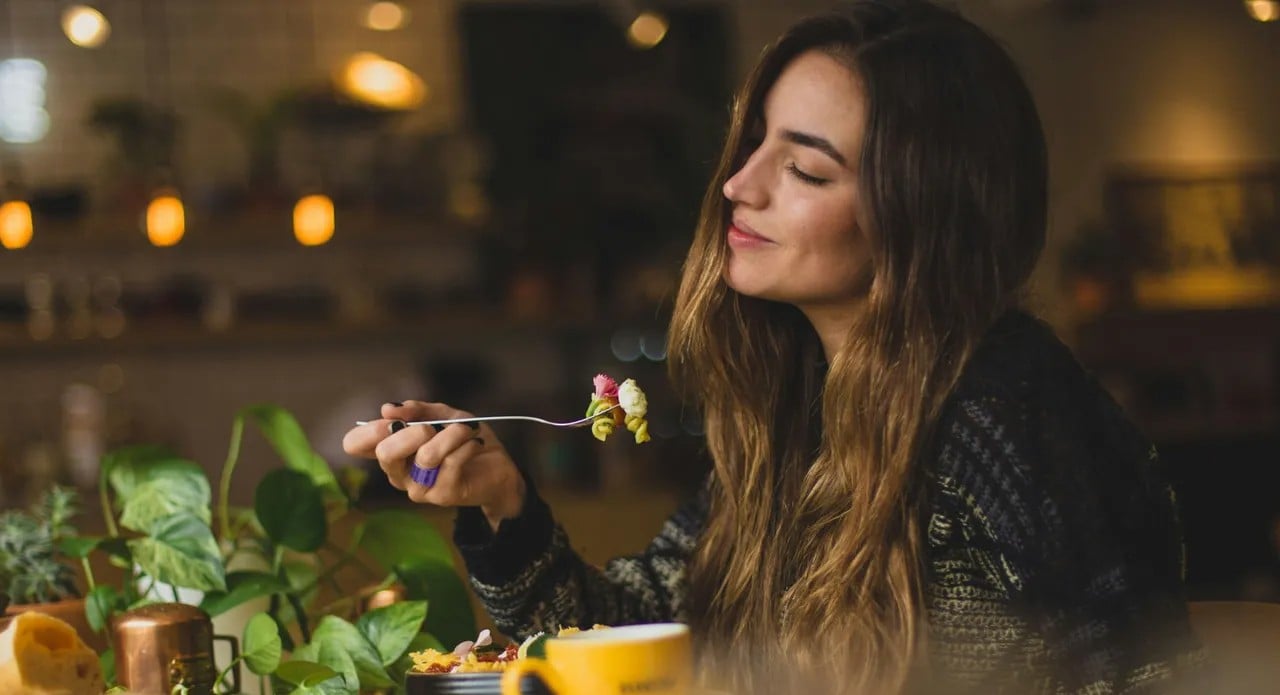


There was a time when sitting alone at a restaurant felt like carrying a neon sign reading: “Forgot to bring friends.” Servers would ask, “Just one?” with sympathetic eyebrows. Couples stared as though you were performing a public emotional experiment. But today, solo dining has moved from awkward to aspirational. The table for one isn’t a pity seat anymore—it’s a power move. It is luxury without witnesses, pleasure without performance, and space to exist without conversation. Socially, emotionally, and gastronomically, the world finally realised that a quiet meal is not loneliness; it is liberation.
Where It All Began
Solo dining culture didn’t suddenly appear—it simmered for years in major cities shaped by changing lifestyles. As urban populations grew and professional schedules stretched into the night, eating alone became practical rather than rebellious. Japanese ramen counters and American diners historically normalised the lone eater, offering bar stools and quick bowls without judgement. In Europe, café culture allowed people to sip coffee with a book, and no one blinked twice. The modern movement borrowed from these traditions and blended them with shifting social psychology: independence became attractive. Today, the idea of a person confidently eating alone doesn’t evoke sadness—it evokes self-worth.
Also Read: Paella Beyond Seafood: The History, Traditions And Variations Of Spain’s Signature Dish
Technology Made Solitude Less Silent
Phones became armour for the early solo diner. Screens offered distraction, confidence, and something to look at besides pitying faces. But ironically, phones also removed the need to hide. Online culture celebrated self-care, mental health, and personal space, encouraging people to reclaim time from crowded schedules. Suddenly, eating alone didn’t mean scrolling to survive—it meant enjoying silence, journaling thoughts, finishing that chapter, or simply being present. Digital culture pushed humans towards real-world individuality.
Restaurants Changed The Rules
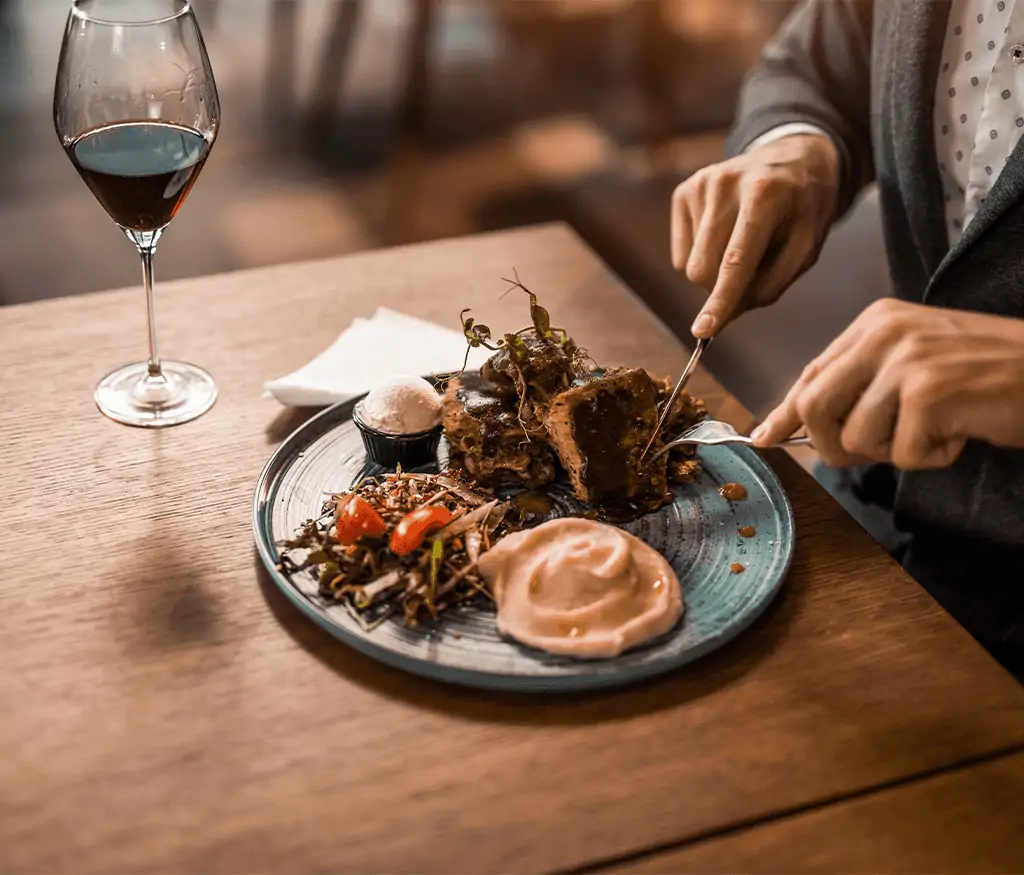
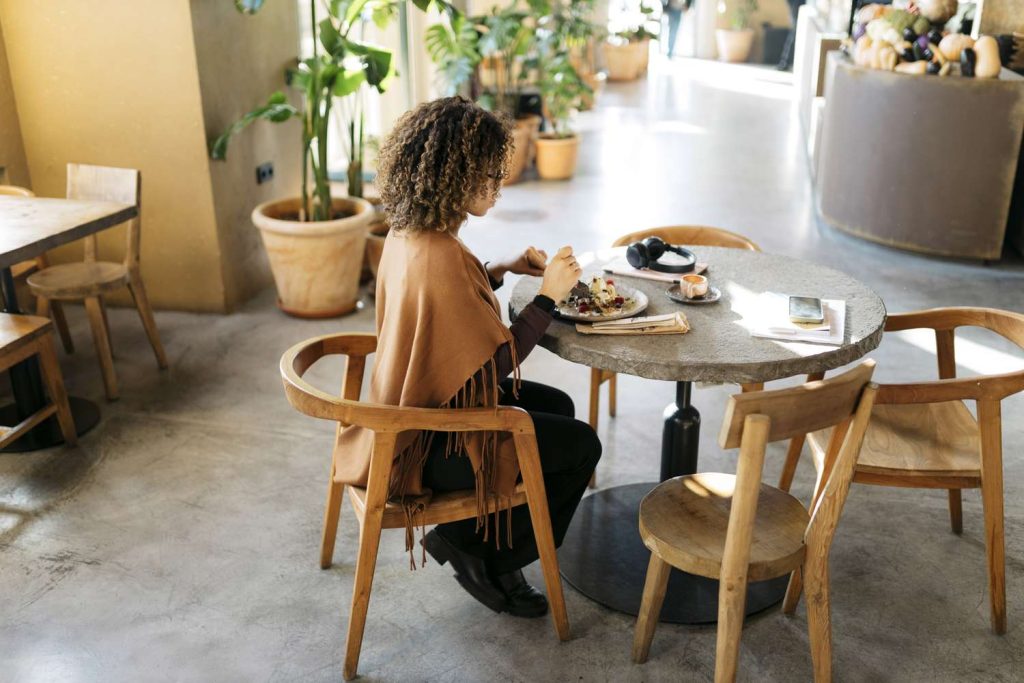
As demand grew, restaurants responded. Bar seating expanded, small tables multiplied, and menus adjusted. Chefs and owners realised that one diner could spend as much as two. Fine dining restaurants introduced tasting menus for single guests, offering half portions or staggered courses. Hosts stopped asking, “Only you?” and started saying, “Welcome.” Some places now actively design spaces for people who want company from ambience, not conversation—dim lighting, warm jazz, an unspoken invitation to linger. A single seat by an open kitchen has become the new theatre box.
From Stigma To Status
The idea that being alone signals absence—of a relationship, of friends, of social life—has flipped on its head. Eating alone now signals presence: of choice, of financial stability, of personal identity. It suggests that you don’t need company to validate pleasure. The solo diner walks into a room and reclaims ownership of time and taste. No compromise on cuisine, no conversation obligation, no negotiating between cocktails or wine, starters or mains—you eat exactly what you want. The stigma has dissolved into aspiration. We have reached a point where people envy the diner who brings a book to a Michelin restaurant, not the couple arguing over appetisers.
Where Solo Dining Thrives
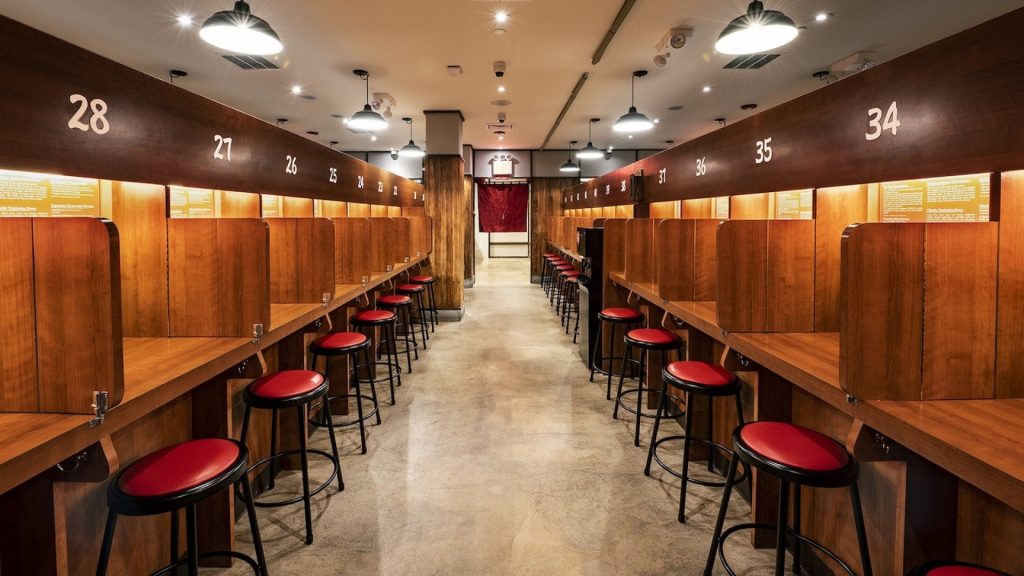
Cities like Tokyo, New York, London, Paris, Delhi, Singapore, and Seoul have become temples of solo dining culture, where restaurants intentionally accommodate individuality. Ramen bars invite private slurping behind wooden panels, wine bars offer personal flights, and tasting menus unfold course by course for one. Even luxury hotels—once devoted to couples and corporate tables—now reshape dining rooms to welcome the independent gourmand.
Also Read: From Fine Dining to Feel-Good Eating: How Comfort Food Became The New Luxury
Why The Movement Matters
Solo dining isn’t about eating alone—it’s about feeling whole. It symbolises a cultural shift towards emotional independence and self-celebration. In a connected world drowning in noise, eating alone offers a rare luxury: the luxury of hearing yourself think. It gives food its own voice, uninterrupted by conversation. It offers self-awareness instead of performance. And perhaps that is why the movement is growing—not because people are alone, but because they are learning to enjoy themselves. The rise of solo dining culture reflects a global redefinition of modern living. It shows the world moving away from the idea that companionship is required for pleasure. Dining alone today is stylish, empowering, expressive—and deeply human. It celebrates solitude without sadness and confidence without spectacle. The table for one is no longer empty. It is full of intention.