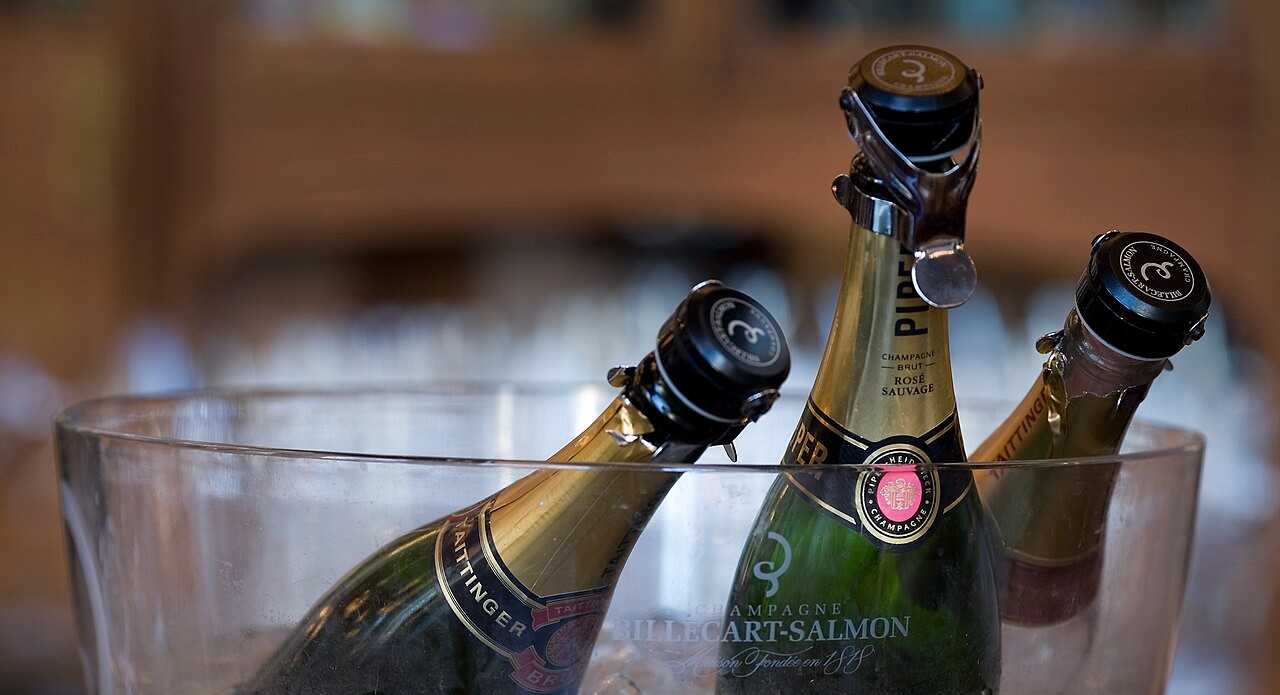


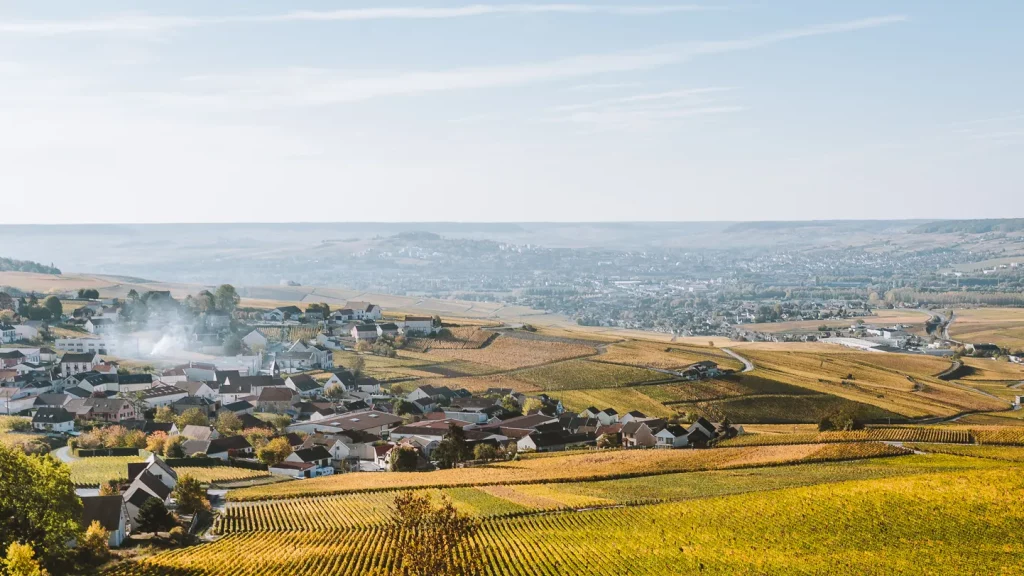
Let us begin with the rule that causes endless confusion at dinner tables around the world. Champagne is not a style. It is a place. For a sparkling wine to be legally called Champagne, it must be produced in the Champagne region of northern France under strict regulations governing grapes, production methods and ageing. The name is protected by law and by tradition, making it one of the most closely guarded labels in the world of wine. So while many wines sparkle beautifully, only those born from the chalky soils around cities like Reims and Épernay earn the right to wear the name Champagne.
What Makes A Wine Sparkling
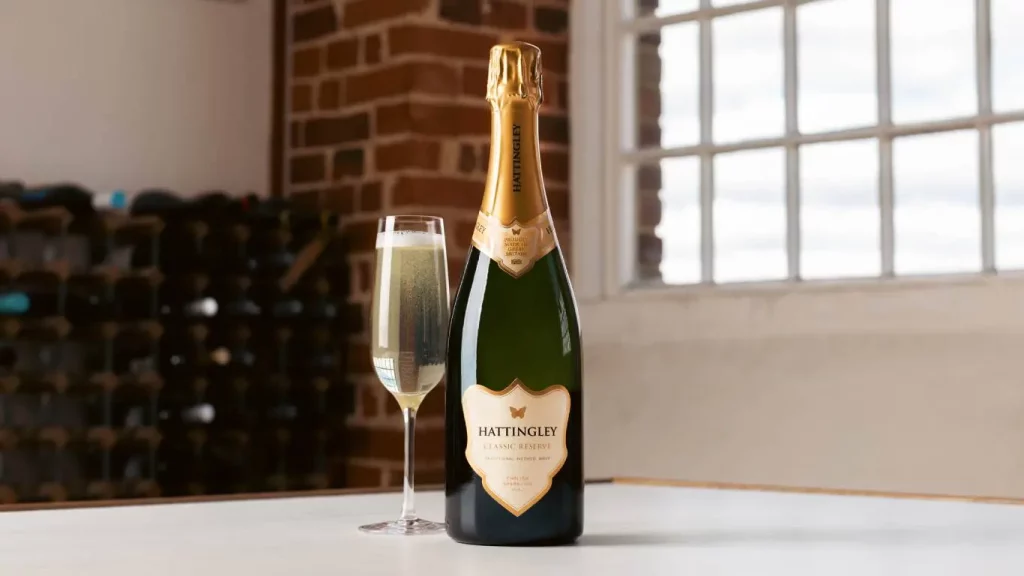
At its core, sparkling wine is simply wine that contains dissolved carbon dioxide, creating bubbles when opened. The magic happens through a second fermentation that traps gas inside the bottle or tank. This process transforms still wine into something lively, vibrant and celebratory. The quality and character of those bubbles depend heavily on how the second fermentation occurs. Fine persistent bubbles usually indicate careful production and extended ageing, while larger bubbles often come from faster, less complex methods.
Also Read: Perfect Travel Destinations That Bleed Silent Luxury For Every Zodiac
The Traditional Method The Champagne Standard’
Champagne is made using what is known as the traditional method, often called méthode champenoise. After the base wine is created, a mixture of yeast and sugar is added, and the wine undergoes a second fermentation inside the bottle itself. The carbon dioxide produced during this stage has nowhere to escape, so it dissolves into the wine. The bottles are then aged on their lees, meaning the dead yeast cells remain in contact with the wine for months or even years. This ageing creates the rich flavours associated with Champagne, including notes of brioche, toast and cream. The bottles are gradually rotated to collect sediment near the neck before being disgorged and sealed for sale. This process is labour intensive, time consuming and expensive, which explains why Champagne often carries a premium price.
The Grapes Behind The Bubbles
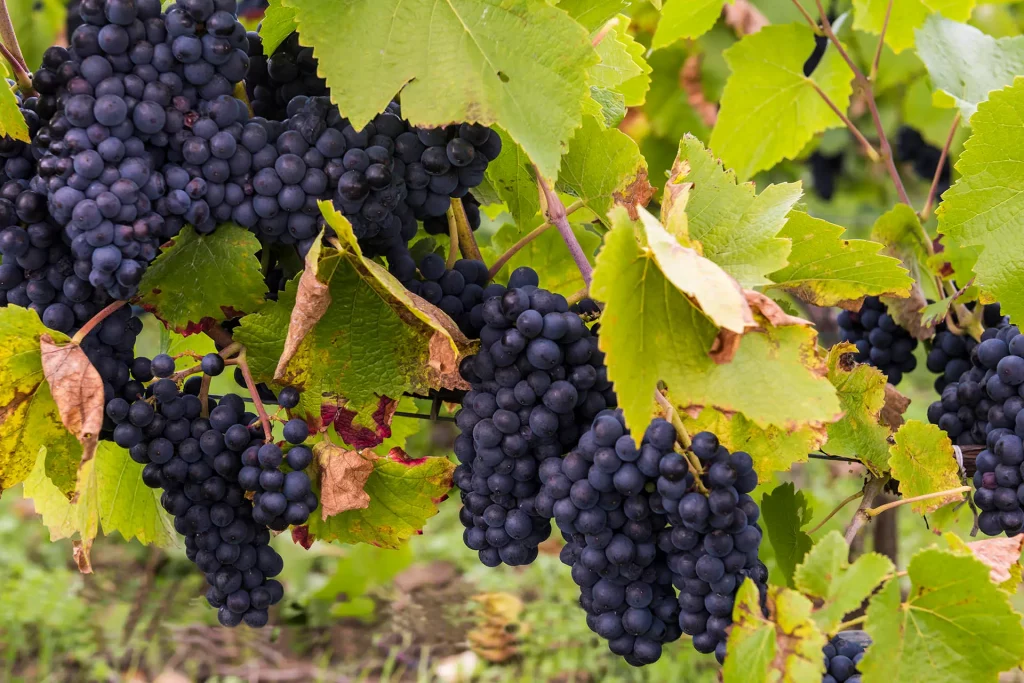
Champagne production is dominated by three grape varieties. Chardonnay brings elegance and freshness. Pinot Noir adds structure and body. Pinot Meunier contributes fruitiness and approachability. Winemakers blend these grapes in different proportions to create distinctive house styles. Climate also plays a significant role. The cool conditions of the Champagne region preserve acidity, giving the wine its signature tension and ability to age gracefully.
Sparkling Wines Beyond Champagne
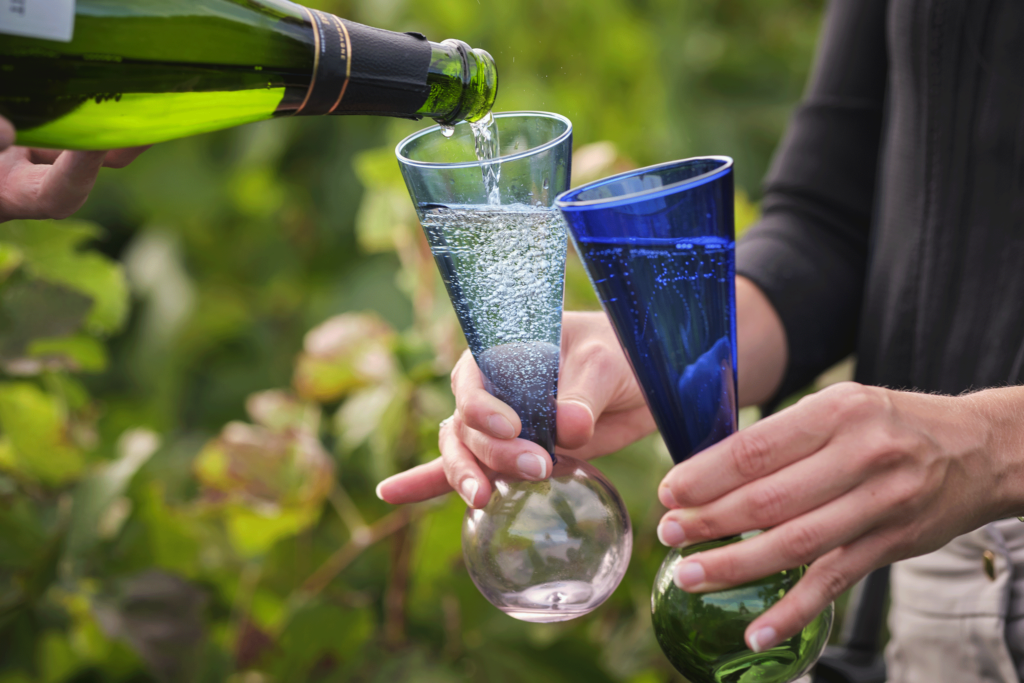
Outside Champagne, the world produces exceptional sparkling wines that follow similar or different methods. Some use the traditional method, while others rely on tank fermentation, which produces fruit driven and approachable styles.
Notable examples include:
• Prosecco from northern Italy, known for light fruit flavours and lively freshness
• Cava from Spain, often made using the traditional method and offering excellent value
• Crémant from various regions of France, delivering elegance at a more accessible price point
These wines may sparkle just as beautifully, but they cannot legally be called Champagne unless they come from the protected region.
Why Geography Matters
The concept of terroir, the interaction of soil, climate and local expertise, is central to Champagne’s identity. The chalky soils retain moisture and reflect sunlight, helping grapes ripen slowly while retaining acidity. Combined with centuries of expertise, these conditions create wines with unmistakable character. This is why the same grapes and methods used elsewhere rarely produce identical results. Champagne is not only about technique but also about place.
The Experience In The Glass
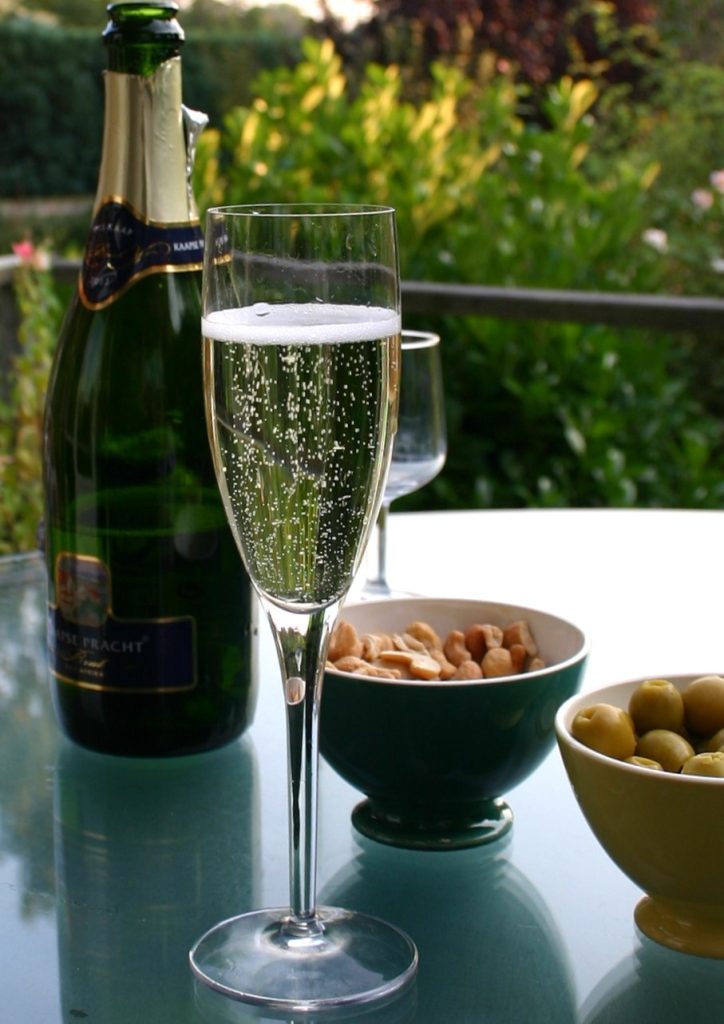
A fine Champagne often shows layers of citrus, orchard fruit and toasted notes, with bubbles that feel creamy rather than aggressive. Sparkling wines made by other methods may be fruitier and more direct, appealing for casual occasions or youthful freshness. Neither approach is inherently superior. The difference lies in intention, tradition and craftsmanship.
The Final Pour
Understanding sparkling wine and Champagne comes down to one simple idea. Sparkling wine describes a category. Champagne describes an origin, a method and a legacy protected by history and law. So the next time a cork pops and bubbles rise in the glass, you will know exactly what makes it special. If it comes from Champagne France using the traditional method, it carries one of the most prestigious names in wine. If it comes from elsewhere, it may still be wonderful, simply telling a different story. Either way, the bubbles exist for one reason. To make moments feel worth celebrating.