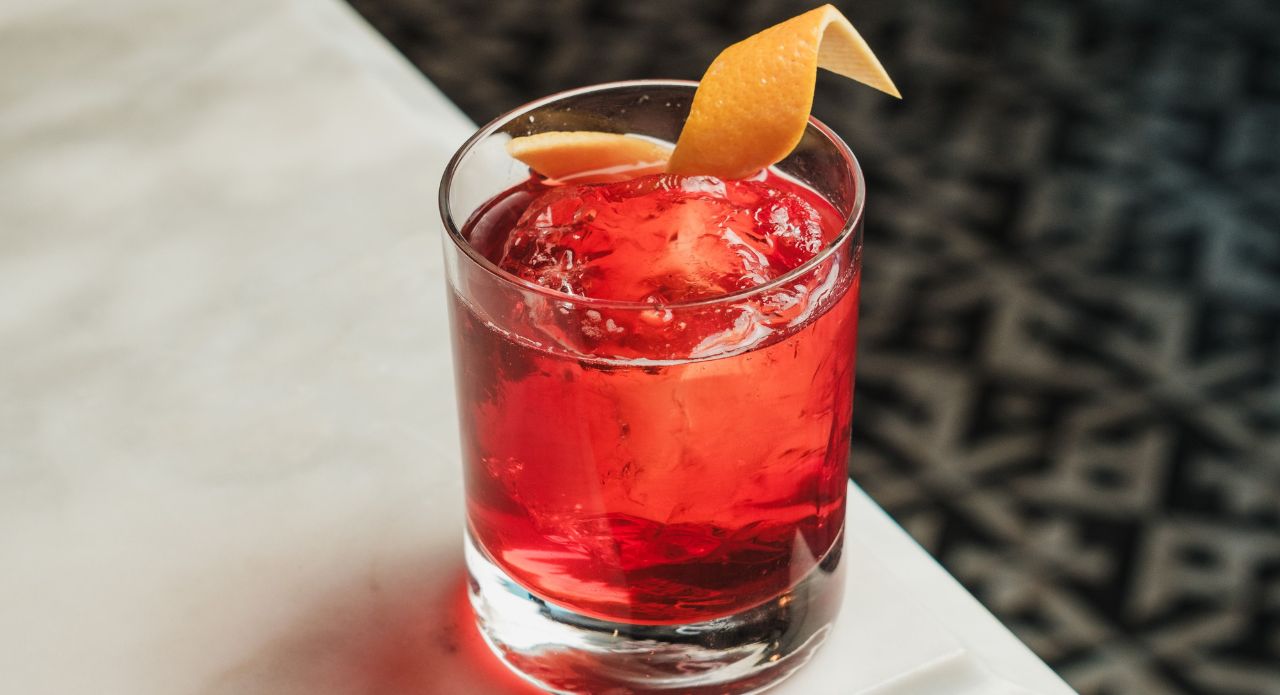


Long before the gin and tonic became a symbol of relaxed sophistication and leisurely evenings, it was born out of necessity on Indian soil. Its origins are deeply rooted in the colonial era, when British officers in India sought a palatable way to consume quinine, a bitter compound derived from the bark of the cinchona tree. Quinine was the most effective remedy against malaria, a constant threat in tropical climates. To make it more drinkable, the officers mixed it with sugar, water, lime and gin. Thus, the humble gin and tonic was born – a cocktail that combined medicinal purpose with unexpected pleasure.
Over time, what began as a practical tonic evolved into a drink of ritual and relaxation. The Indian climate, with its scorching afternoons and languid evenings, provided the perfect backdrop for this refreshing concoction. The clink of ice against glass, the scent of citrus and the crisp bitterness of tonic water became synonymous with colonial life and later seeped into India’s broader cultural fabric. The gin and tonic, or G and T as it is affectionately known, remains one of the most enduring legacies of that era.
The Colonial Connection
The British presence in India shaped not only political and social life but also culinary and drinking habits. During the nineteenth century, the British East India Company imported gin in large quantities, along with ingredients necessary to produce tonic water. The first commercial tonic waters were introduced by companies such as Schweppes, which capitalised on the popularity of quinine-infused beverages among British officers stationed in India.
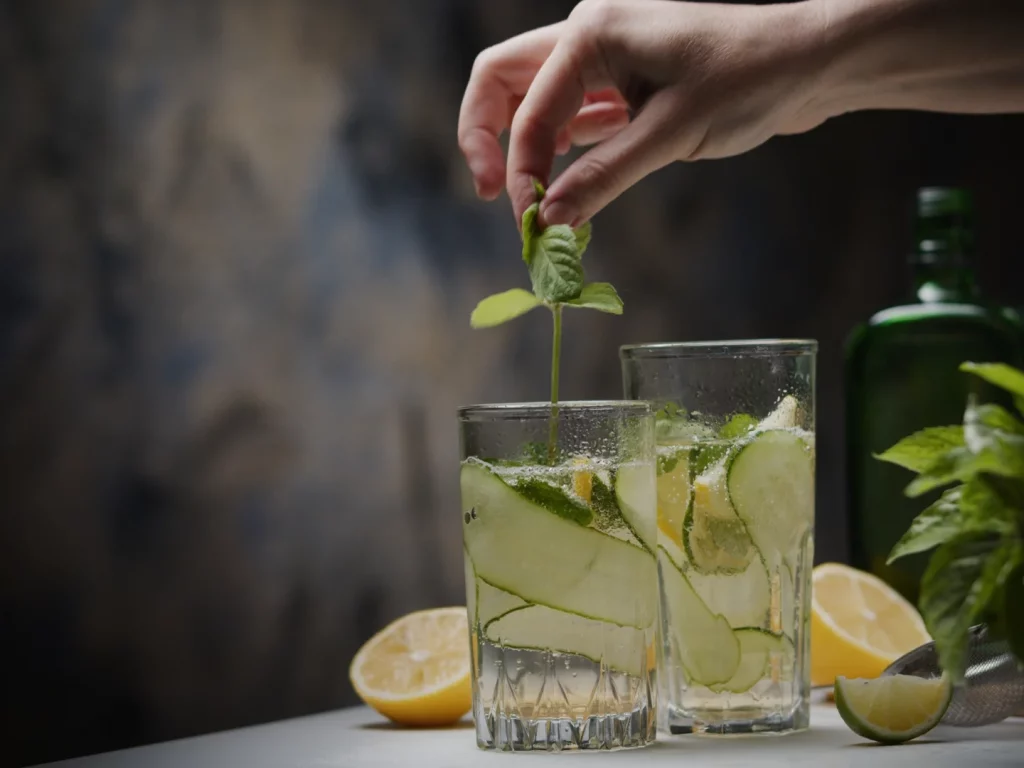
Soon, the gin and tonic became an emblem of colonial sophistication. Clubs, hill stations and officers’ messes across India began serving it as a daily ritual, often accompanied by snacks and conversation as the sun dipped behind the palms. What set the Indian version apart was its local twist – the addition of native botanicals, spices and fruit that infused the drink with a distinctly regional flavour. Lemons from the Deccan, cardamom from Kerala and even a touch of ginger found their way into glasses, creating early hints of what would later become the hallmark of Indian gin culture.
Reinventing a Classic in Modern India
Nearly two centuries later, the gin and tonic has returned to India in spectacular fashion, this time as a symbol of urban sophistication and artisanal craft. The country’s burgeoning craft gin scene has seen the rise of homegrown distilleries such as Stranger and Sons, Hapusa, Terai and Samsara, each redefining the way India experiences gin. These brands celebrate indigenous ingredients – from Himalayan juniper berries to Gondhoraj lime, turmeric and tulsi – blending heritage with innovation.

Modern Indian bars and mixologists have elevated the gin and tonic into an art form. Gone are the days of the simple pour; today’s G and T in India might be served with a handcrafted tonic infused with Himalayan botanicals, garnished with star anise or rose petals, and presented in elegant stemware that celebrates the ritual as much as the flavour. In cities like Mumbai, Delhi, Bengaluru and Goa, the cocktail has become a symbol of contemporary Indian cool – an emblem of taste, creativity and cultural confidence.
A Drink that Mirrors India’s Evolution
What makes India’s relationship with the gin and tonic so compelling is how the drink mirrors the country’s own journey. From its colonial origins to its present-day reinvention, it reflects India’s ability to absorb global influences and reinterpret them through its own lens. The gin and tonic began as a survival necessity for foreigners but has now been fully embraced, reimagined and owned by Indians themselves.
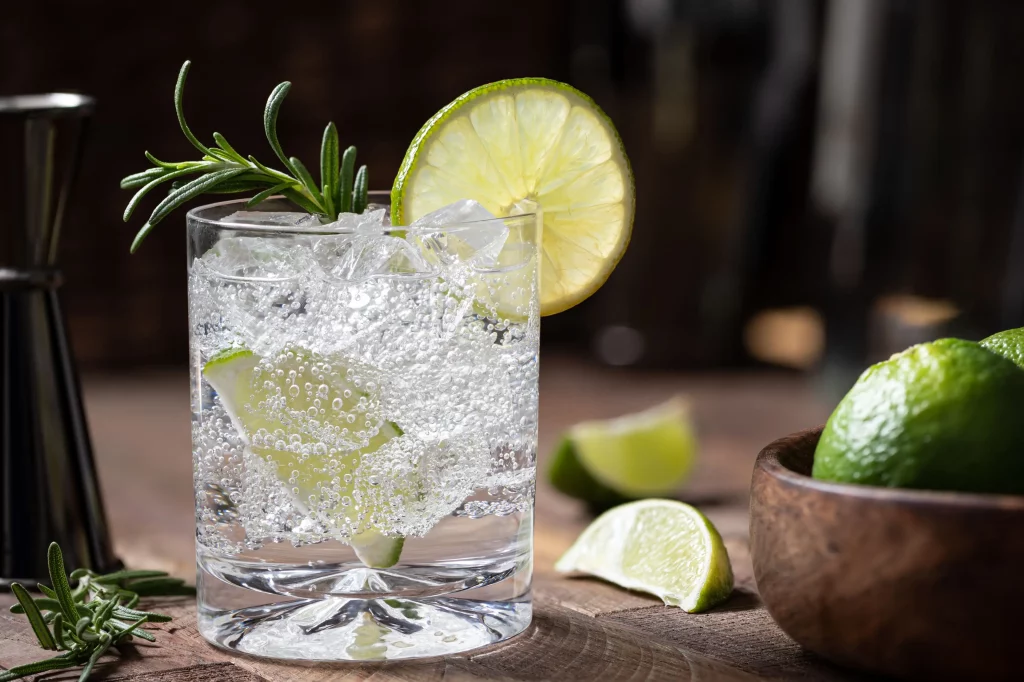
In today’s context, the cocktail represents far more than a refreshing drink; it is a marker of evolving lifestyles, craftsmanship and appreciation for provenance. The new generation of Indian drinkers is increasingly curious about where their gin is made, what botanicals are used and how each bottle tells a story of region and culture. This shift from mere consumption to mindful enjoyment has elevated the gin and tonic from an everyday beverage to a refined experience.
A Toast to the Future
India’s love affair with the gin and tonic shows no sign of fading. With new distilleries experimenting with sustainable practices, innovative botanicals and bespoke tonic pairings, the country stands poised to become one of the world’s most exciting gin destinations. Bartenders continue to pay homage to the drink’s Indian roots while pushing creative boundaries that redefine its flavour and form.
What began centuries ago as a colonial necessity has now evolved into a celebration of Indian creativity and craftsmanship. The gin and tonic has come full circle – from a medicinal remedy to a cultural icon, from a British import to a distinctly Indian expression of taste. Each glass poured today carries with it the aroma of history, the sparkle of innovation and the unmistakable flavour of a country that has made the world’s most famous cocktail entirely its own.