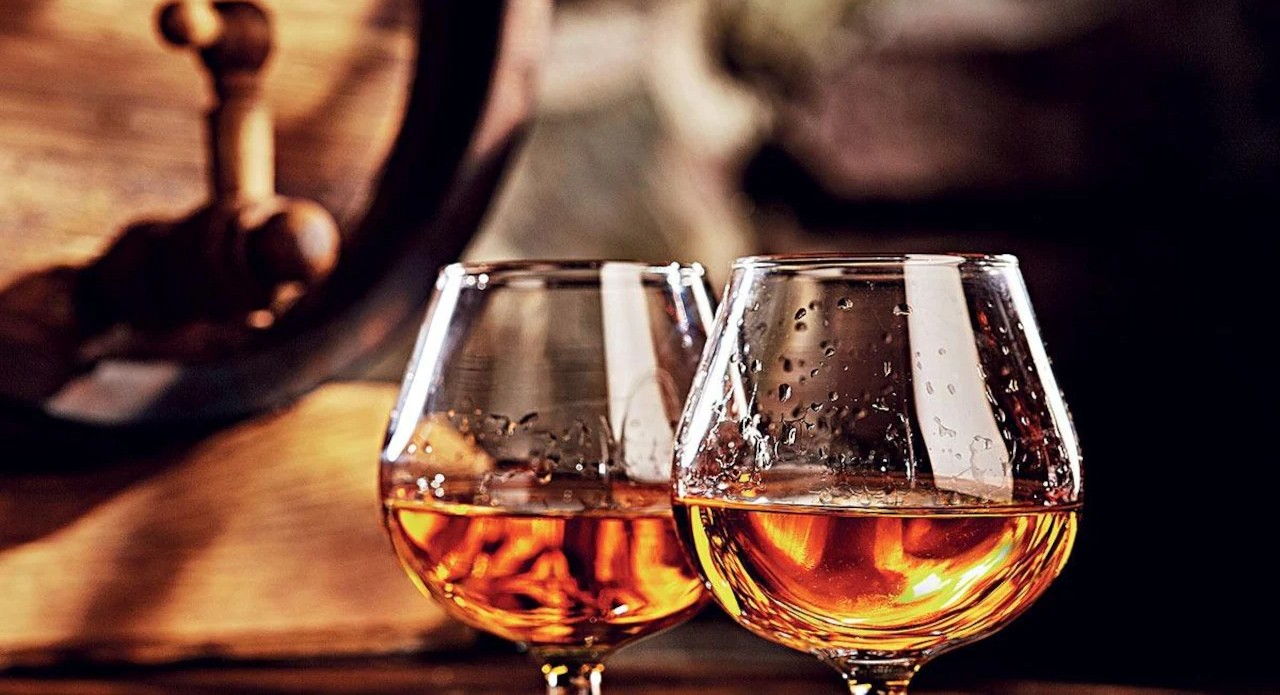


Let us begin with the rule that matters most. Cognac is not just a type of spirit. It is a place. For a brandy to be legally called Cognac, it must be produced in the Cognac region of western France and follow strict regulations governing grapes, distillation and ageing. The name is protected by law and respected worldwide, which is why a bottle made elsewhere may taste similar but cannot carry the title. In simple terms, all Cognac is brandy, but only brandy from Cognac is Cognac.
What Makes A Brandy
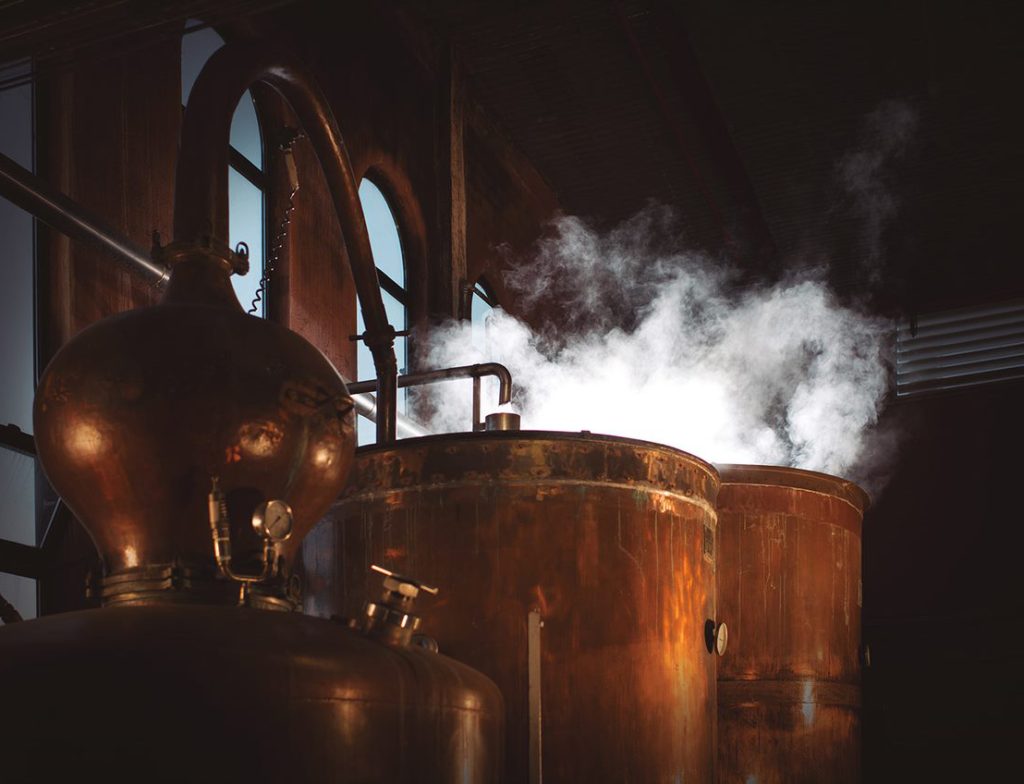
Brandy begins as wine. The word itself comes from a term meaning burnt wine, referring to the process of distillation. Wine is heated in a still, separating alcohol from water and concentrating flavour and aroma. The resulting spirit is then aged in wooden barrels, where it develops colour, smoothness and complexity. Different countries produce brandy using different grapes and techniques. Some styles lean fruity and youthful, while others become deep and luxurious after decades in oak.
Also Read: Perfect Travel Destinations That Bleed Silent Luxury For Every Zodiac
Distillation The Heart Of Character
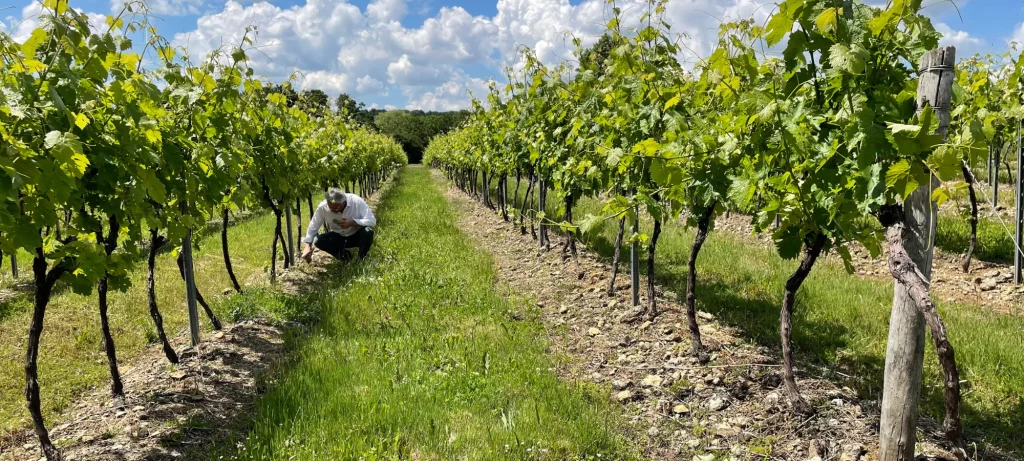
The distillation process is where much of the personality of brandy is formed. Many producers use copper pot stills, which help preserve aroma and texture. Distillation concentrates the spirit but also shapes whether it emerges bold and structured or soft and elegant. In Cognac, tradition demands double distillation in copper pot stills known as alambic Charentais. This method produces a refined spirit with depth and subtlety, creating a foundation that ages beautifully over time.
Also Read: Sparkling Wine Versus Champagne: Story Behind The Bubbles
The Grapes Behind Cognac
Cognac relies mainly on one grape variety known as Ugni Blanc. This grape produces a high acid wine that may not be enjoyable on its own but becomes ideal for distillation. The acidity preserves freshness and allows the spirit to develop complexity during long ageing. Other permitted grapes exist, but Ugni Blanc dominates because it creates consistency and elegance.
Ageing Where Magic Happens
After distillation, brandy is aged in oak barrels, often made from French oak. Time transforms the clear spirit into shades of amber while introducing flavours of vanilla, spice, dried fruit and toasted wood. Cognac follows strict ageing categories. VS (Very Special) indicates a younger style aged at least two years. VSOP (Very Special Old Pale) brings more maturity and balance. XO (Extra Old)/Napoleon) represents extended ageing and deeper complexity, often with rich notes of chocolate, nuts and spice. Ageing is not merely storage. It is a slow conversation between spirit and wood that defines the final character.
Cognac The Benchmark Of Refinement
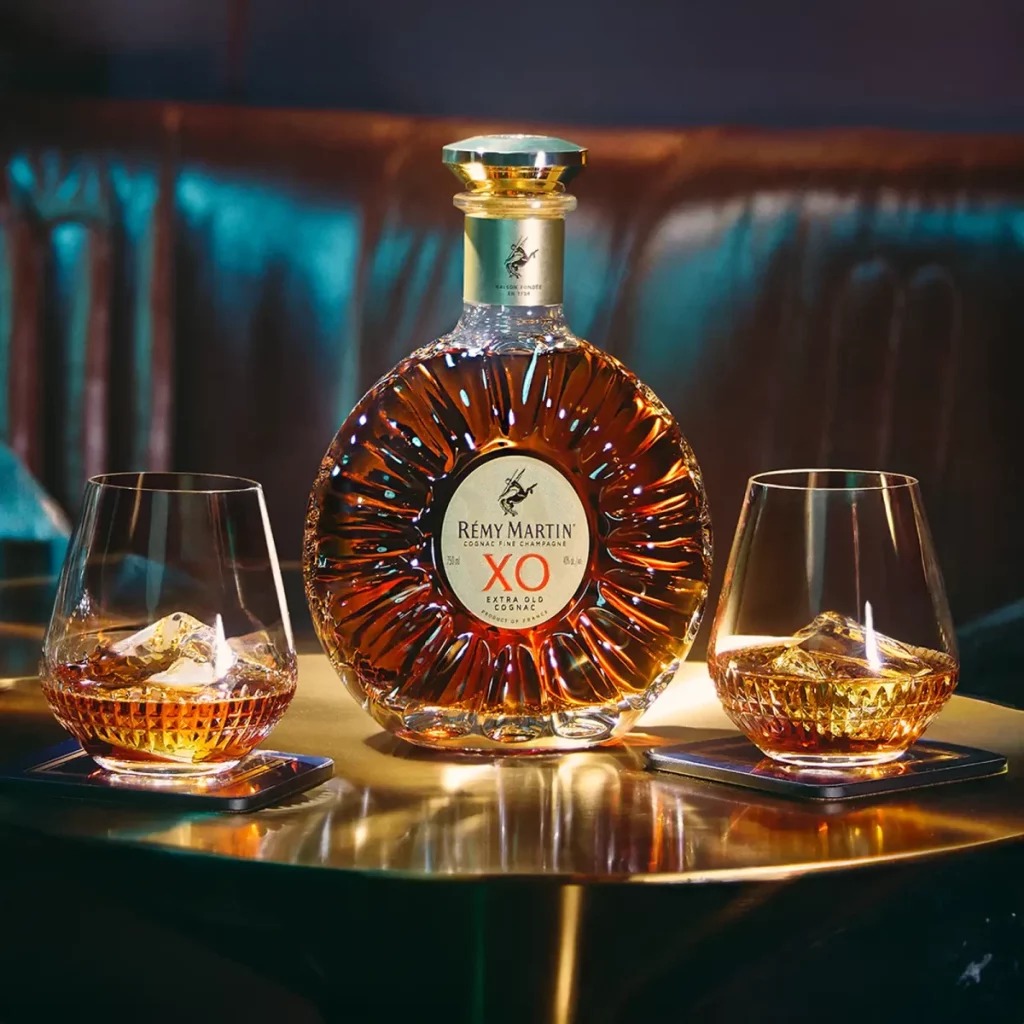
Cognac’s reputation comes from centuries of expertise and meticulous regulation. The region’s climate, chalky soils and established methods create spirits known for finesse and elegance rather than aggression.
Iconic examples:
• Hennessy, one of the world’s most recognised Cognac houses
• Rémy Martin, famous for rich and aromatic expressions
• Martell, known for smooth and refined style
These houses blend eaux de vie from different years and vineyards, creating consistent profiles that define their identity.
Brandy Beyond Cognac
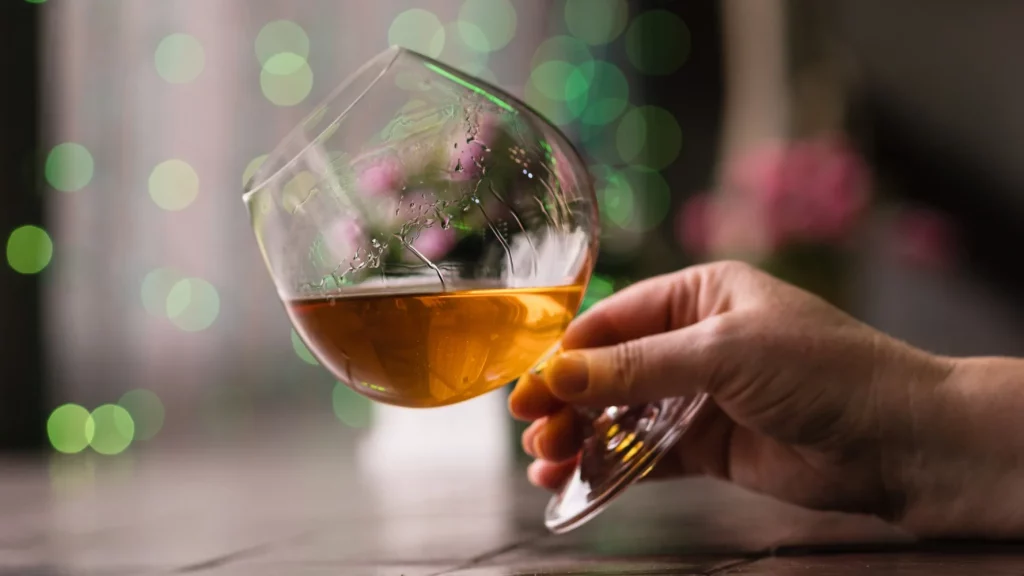
Excellent brandies are made around the world, each reflecting local tradition and taste.
Notable examples include:
• Armagnac from southwest France, often richer and more rustic than Cognac
• Spanish Brandy de Jerez, aged using a solera system for smooth sweetness
• California brandies that combine modern techniques with old world inspiration
These spirits may differ in style, but they all share the same origin story of wine transformed through distillation.
How To Drink Brandy And The Right Glass For It
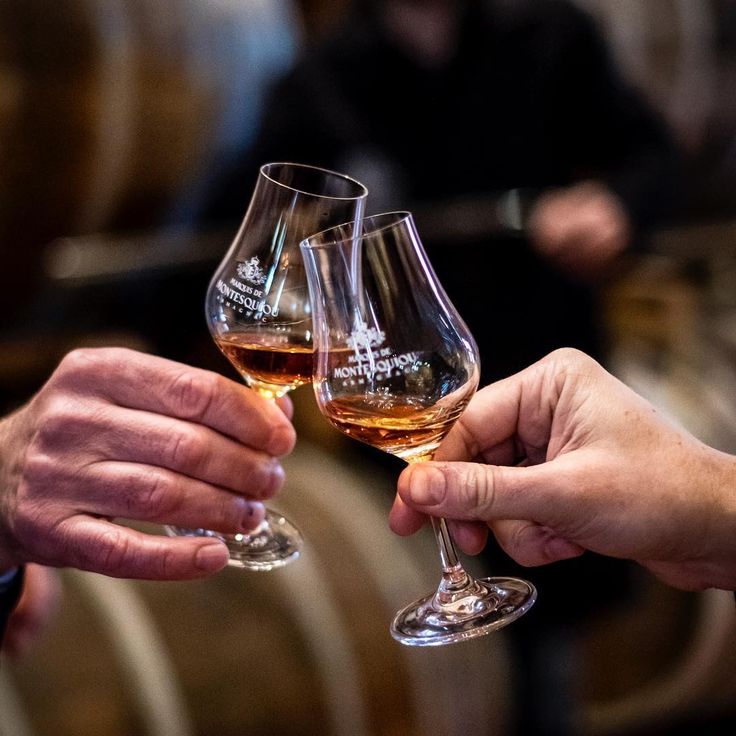
Brandy and Cognac are best enjoyed slowly, served neat at room temperature so the aromas can open naturally. The ideal glass is the tulip shaped Cognac glass, which narrows at the top to concentrate aromas while allowing enough space for gentle swirling. While the traditional balloon snifter is visually dramatic, many connoisseurs prefer the tulip glass because it directs aromas more precisely toward the nose. The spirit should be poured modestly, allowing air to interact with the liquid before the first sip. Unlike wine or cocktails meant for refreshment, brandy rewards patience, revealing layers of fruit, spice and oak as it warms slightly in the glass.
The Experience In The Glass
A good brandy offers warmth and fruitiness, while Cognac often adds layers of elegance and finesse. The aroma may reveal dried apricot, orange peel, vanilla and subtle spice, evolving as it sits in the glass. The traditional glass for drinking cognac is the snifter (or brandy balloon), characterized by a short stem and a wide, bulbous bowl that tapers at the top to concentrate aromas. For a more modern, enhanced experience, connoisseurs often prefer a tulip glass, which has a long stem and a narrower, tapered bowl to better accentuate complex flavours.