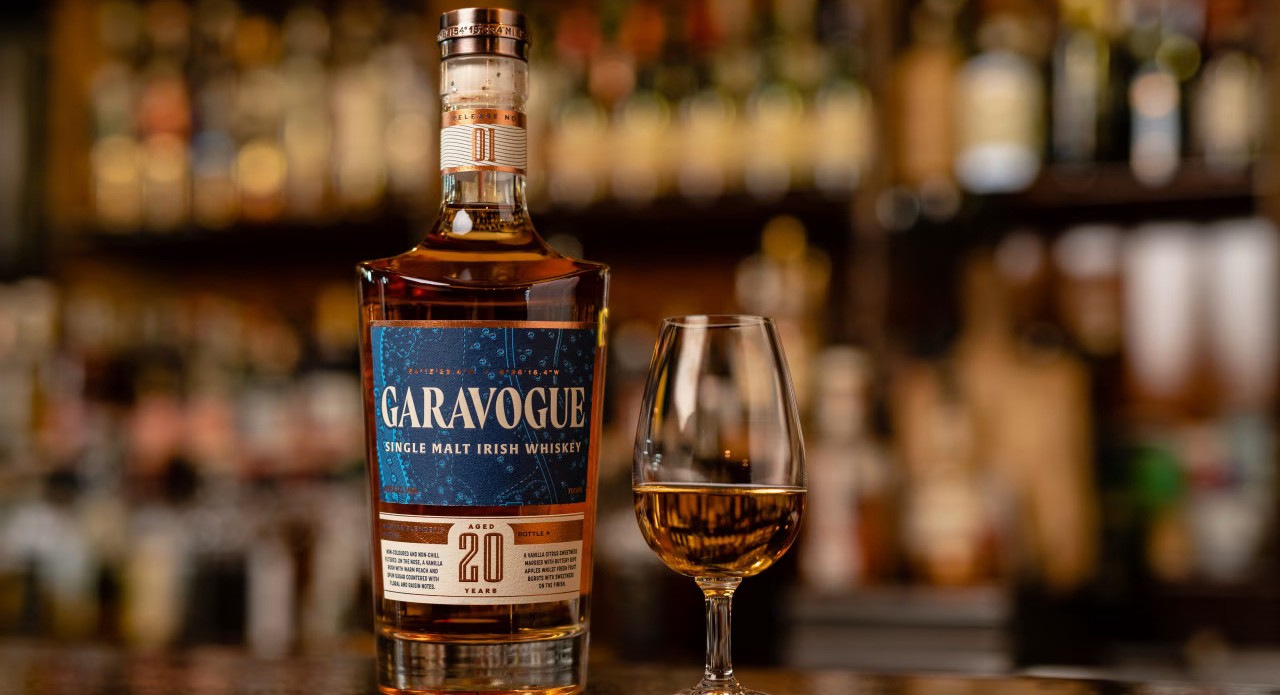


The debate begins with spelling. Why whisky in some bottles and whiskey in others? The answer lies in history and geography. Scotland uses whisky, while Ireland and the United States chose whiskey as a way to distinguish their spirits in the nineteenth century. The Irish added the extra letter to separate their smoother style from Scotch, and American distillers adopted the same approach. So the spelling is not an accident. It signals heritage, tradition and a distinct philosophy of distilling.
Distillation: The Real Divider
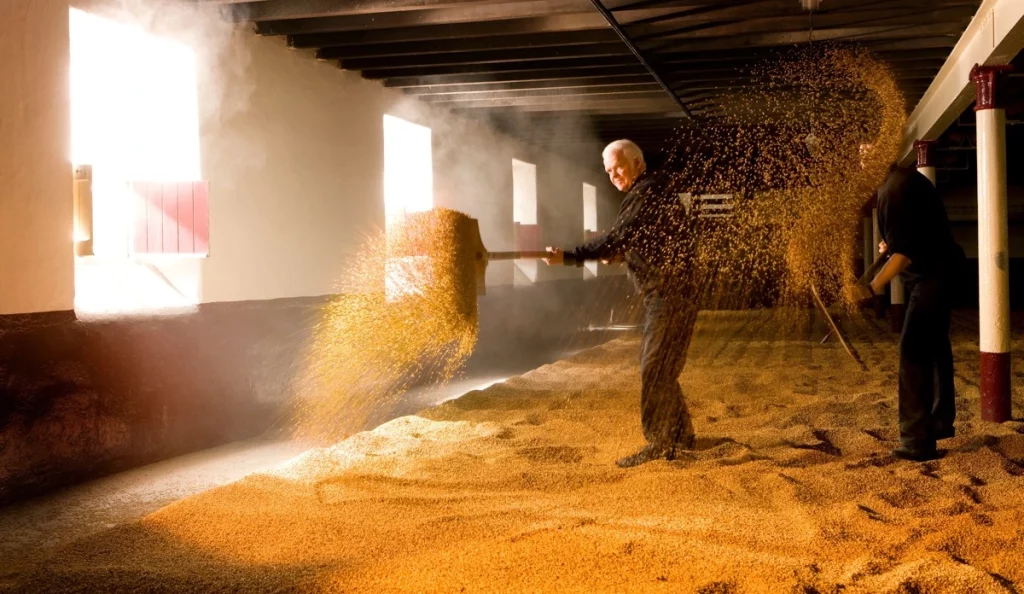
Beyond spelling, the true difference lies in how each spirit is distilled. Distillation shapes texture, aroma and character long before the liquid reaches a barrel. Scotch whisky is usually distilled twice in copper pot stills, which allows heavier compounds to remain and build complexity. Irish whiskey is often distilled three times, producing a lighter and smoother spirit. Bourbon commonly uses column stills, creating a clean base spirit that highlights sweetness from grain and oak. The still is where personality is born.
Scotch Whisky Tradition And Depth
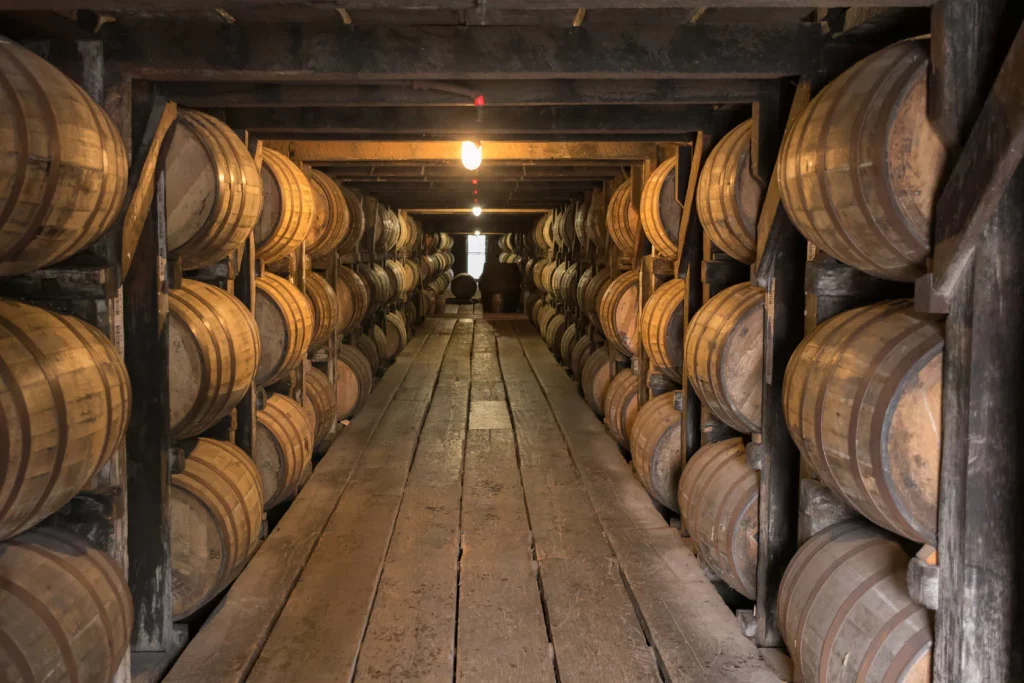
Scotch whisky is the definition of patience. By law it must mature in oak casks for at least three years, though most respected expressions age far longer. The result is depth, complexity and sometimes a smoky intensity that instantly identifies it.
Iconic examples:
• The Macallan: known for rich sherry cask character and luxurious depth
• Laphroaig: famous for its bold peat smoke and maritime edge
• Glenfiddich: celebrated for approachable balance and global appeal
Scotch feels deliberate and layered, often rewarding slow sipping and reflection.
Irish Whiskey Smooth And Approachable
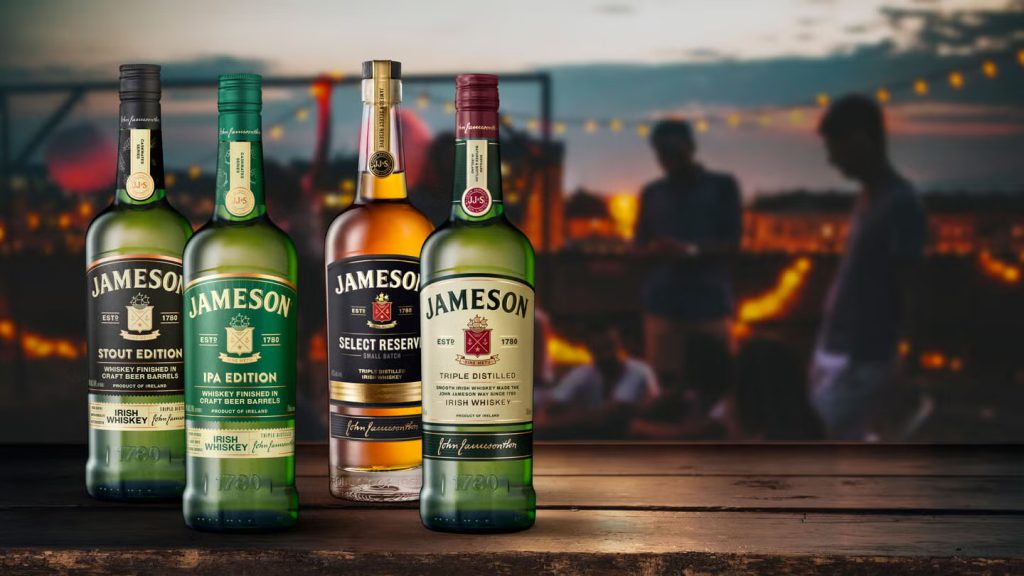
Irish whiskey takes a different approach. Triple distillation, while not universal, is common and creates a spirit that is softer and easier on the palate. Pot still whiskey, made from both malted and unmalted barley, gives Ireland a distinctive creamy spice.
Iconic examples:
• Jameson recognised worldwide for smooth balance
• Redbreast admired for richness and complexity
• Bushmills one of the oldest licensed distilleries in the world
Irish whiskey is welcoming and sociable, the kind of drink that turns strangers into friends.
Also Read: Sparkling Wine Versus Champagne: Story Behind The Bubbles
Bourbon The American Powerhouse
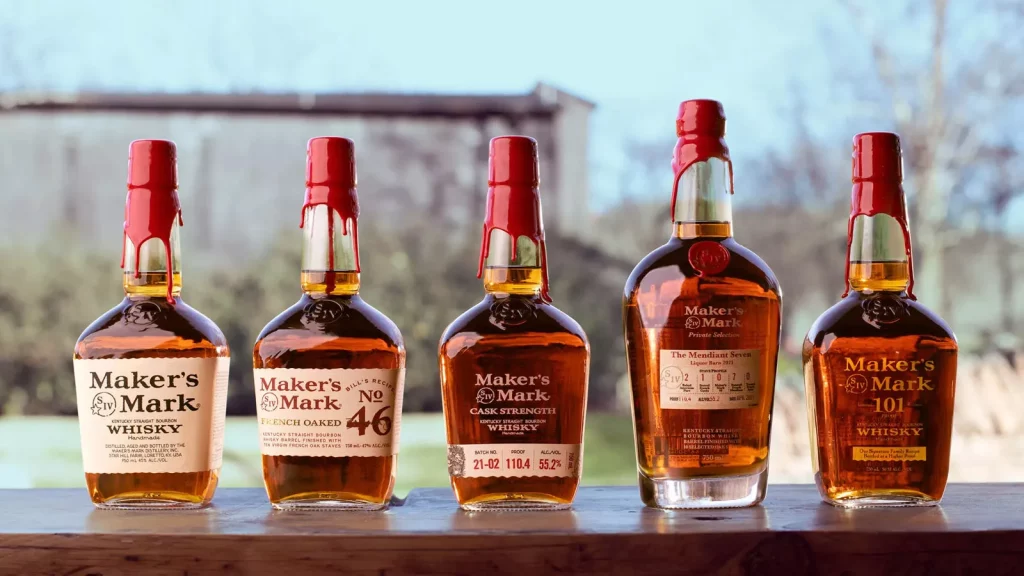
Bourbon is unmistakably American and tightly regulated. It must be made from at least fifty one percent corn and aged in new charred oak barrels. The charred wood produces flavours of vanilla, caramel and warm spice that define the style. Bourbon does not whisper. It arrives confidently with bold flavour and rich texture.
Iconic examples:
• Maker’s Mark: known for rounded sweetness and soft spice
• Buffalo Trace: respected for depth and value
• Woodford Reserve: praised for balance and craftsmanship
How Distillation Shapes Flavour
Pot still distillation used in Scotch and many Irish styles preserves oils and complexity, giving body to the spirit. Triple distillation in Ireland refines and smooths the liquid, making it lighter. Column still distillation common in bourbon produces consistency and clarity, allowing barrel influence to dominate. In simple terms, the method of distillation decides whether the spirit feels heavy and layered, smooth and elegant, or bold and sweet.